
July 19, 2026
Ritualistic Worship
5 min read
Hawan: Meaning, Benefits, Vidhi, Spiritual Significance & Bhaktinama's Anantkaal Hawan Initiative
Learn the spiritual significance of Hawan, its benefits, essential rituals, and why it remains an important part of Hindu traditions. Discover Bhaktinama's Anantkaal Hawan and Anant Surya Hawan initiatives.
Hawan is one of the oldest and most revered rituals in Sanatan Dharma. The sacred fire is considered a divine witness that carries prayers and offerings directly to the deities. Since Vedic times, Hawans have been performed for peace, prosperity, health, spiritual growth, and the well-being of families and society.
Today, despite modern lifestyles, the significance of Hawan remains unchanged. Whether performed at home, in temples, or on special occasions, it continues to bring people closer to divine energy.
What is Hawan?
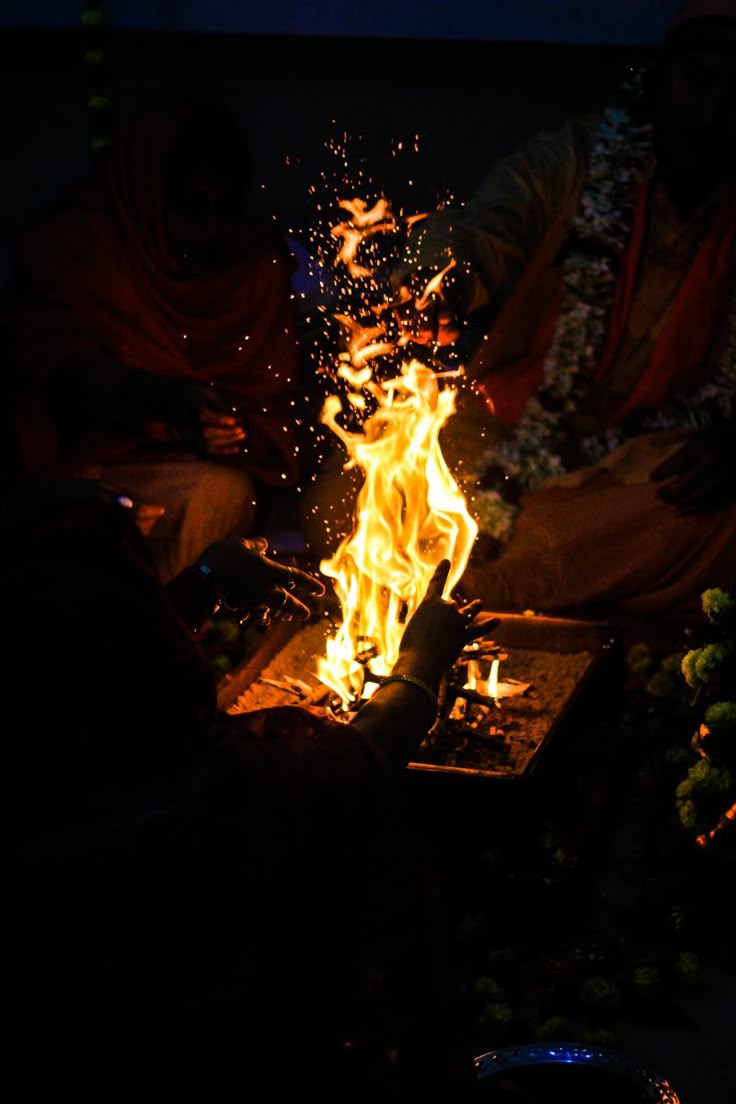
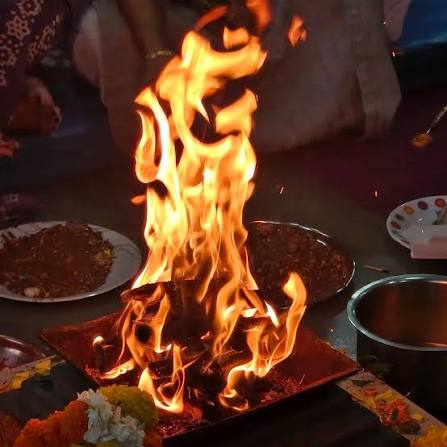
A Hawan is a sacred Vedic fire ritual where offerings such as ghee, herbs, grains, and wood are offered into a consecrated fire while chanting powerful Vedic mantras.
According to Hindu scriptures, Agni Dev acts as the messenger between humans and the divine, delivering every offering and prayer to the gods. The ritual symbolizes the surrender of negativity, ego, and impurities while inviting blessings, wisdom, and positive energy.
Spiritual Significance of Hawan
The fire in a Hawan represents purity, transformation, and divine consciousness. Every offering signifies letting go of negative thoughts, desires, and obstacles.
The chanting of Vedic mantras creates a spiritually uplifting atmosphere that promotes peace, concentration, and devotion. Hawans are believed to purify not only the surroundings but also the mind and heart of those participating.
Benefits of Performing Hawan
- Brings peace and positivity to the home.
- Helps remove negative energies.
- Invokes divine blessings for health, prosperity, and happiness.
- Creates a spiritually charged environment.
- Encourages family unity and collective prayer.
- Supports meditation and mental clarity.
- Marks important life events with sacred rituals.
When is Hawan Performed?
Hawans are commonly organized during:
- Griha Pravesh
- Marriage ceremonies
- Naamkaran Sanskar
- Mundan ceremony
- Festivals
- Navratri
- Ganesh Chaturthi
- Lakshmi Puja
- Birthdays and anniversaries
- Vastu Shanti
- Pitru-related rituals
- Special wishes for success, health, or peace
Basic Hawan Vidhi
While different Hawans follow different traditions, a typical Hawan includes:
1. Purification of the place and participants.
2. Sankalp.
3. Invocation of Lord Ganesha and other deities.
4. Lighting the sacred fire.
5. Chanting Vedic mantras.
6. Offering ghee, herbs, grains, and Hawan Samagri into the fire.
7. Purnahuti.
8. Aarti and distribution of Prasad.
The ritual is generally conducted under the guidance of a knowledgeable priest.
Hawan in Modern Times
Even in today's fast-paced world, Hawan continues to inspire millions. Families perform it to seek divine guidance before important milestones, businesses organize Hawans for success, and temples conduct large community Yajnas for universal peace.
Technology has also made it easier for devotees to participate through trusted Online Puja Booking, Online Pandit Booking, Temple Booking, and Puja Samagri Booking services offered by Bhaktinama.
Anantkaal Hawan & Anant Surya Hawan – Bhaktinama's Sacred Initiative
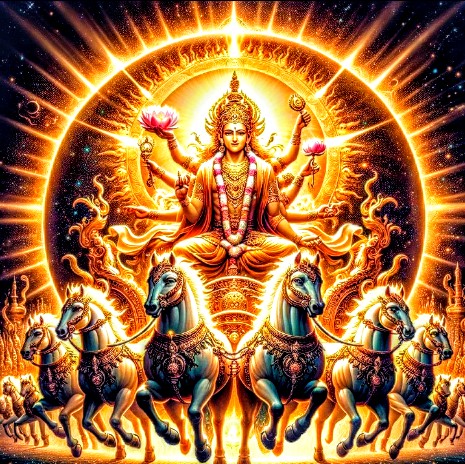
Keeping alive the eternal Vedic tradition of Yajna, Bhaktinama proudly presents the Anantkaal Hawan & Anant Surya Hawan—a continuous sacred fire ritual dedicated to the welfare of humanity, preservation of Sanatan Dharma, and the divine blessings of Surya Dev.
More than a religious ceremony, this initiative is a spiritual movement that unites devotees in collective prayer for peace, prosperity, health, protection, and spiritual awakening. Every offering made into the sacred fire carries the devotee's Sankalp with faith and devotion, making each participant a part of an everlasting tradition of selfless worship.
Venue & Commencement
Venue:
Anantkaal Hawan Sthal
Village Sabdala (Sahbadla), Post – Nasriganj, Block – Nasriganj, District – Rohtas, Bihar – 821310, India
Commencing From:
15 November 2026
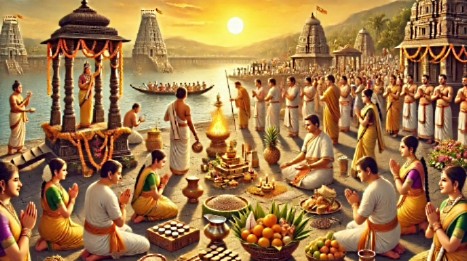
Beginning after the sacred observances of Chhath Mahaparva, the Anantkaal Hawan will mark the start of a continuous journey of devotion, where sacred Vedic mantras and offerings will be performed with authenticity and reverence.
Slot Bookings Have Commenced
Registrations are now open for devotees wishing to participate in this divine initiative. Individuals and families can book their participation and offer a personalized Sankalp for health, happiness, career success, family harmony, prosperity, spiritual progress, or in memory of their ancestors and loved ones.
Through Bhaktinama, devotees can conveniently register using Online Puja Booking and Online Pandit Booking services. Those travelling from other locations can also benefit from Temple Booking and Puja Samagri Booking, ensuring a seamless and authentic spiritual experience.
Whether you wish to participate personally or dedicate a Hawan in the name of your family, this initiative welcomes devotees from across India and around the world to become part of an eternal flame of faith and devotion.
Why Participate?
By becoming part of the Anantkaal Hawan & Anant Surya Hawan, devotees contribute to a sacred tradition that seeks blessings not only for individuals but for society as a whole. The continuous chanting of Vedic mantras and offerings into the holy fire symbolize prayers for universal peace, environmental harmony, spiritual upliftment, and collective well-being.
Conclusion
Hawan is much more than a ritual—it is a timeless spiritual practice that connects devotees with the Divine through the sacred element of fire. It reminds us of the values of gratitude, sacrifice, purity, and devotion that have been the foundation of Sanatan Dharma for centuries.
With the Anantkaal Hawan & Anant Surya Hawan, Bhaktinama is carrying this sacred legacy forward by creating an opportunity for every devotee to participate in an enduring Vedic tradition. As slot bookings are now open, devotees are invited to join this divine initiative and offer their prayers into an eternal flame dedicated to peace, prosperity, and the welfare of all creation.
Today, despite modern lifestyles, the significance of Hawan remains unchanged. Whether performed at home, in temples, or on special occasions, it continues to bring people closer to divine energy.
What is Hawan?
A Hawan is a sacred Vedic fire ritual where offerings such as ghee, herbs, grains, and wood are offered into a consecrated fire while chanting powerful Vedic mantras.
According to Hindu scriptures, Agni Dev acts as the messenger between humans and the divine, delivering every offering and prayer to the gods. The ritual symbolizes the surrender of negativity, ego, and impurities while inviting blessings, wisdom, and positive energy.
Spiritual Significance of Hawan
The fire in a Hawan represents purity, transformation, and divine consciousness. Every offering signifies letting go of negative thoughts, desires, and obstacles.
The chanting of Vedic mantras creates a spiritually uplifting atmosphere that promotes peace, concentration, and devotion. Hawans are believed to purify not only the surroundings but also the mind and heart of those participating.
Benefits of Performing Hawan
- Brings peace and positivity to the home.
- Helps remove negative energies.
- Invokes divine blessings for health, prosperity, and happiness.
- Creates a spiritually charged environment.
- Encourages family unity and collective prayer.
- Supports meditation and mental clarity.
- Marks important life events with sacred rituals.
When is Hawan Performed?
Hawans are commonly organized during:
- Griha Pravesh
- Marriage ceremonies
- Naamkaran Sanskar
- Mundan ceremony
- Festivals
- Navratri
- Ganesh Chaturthi
- Lakshmi Puja
- Birthdays and anniversaries
- Vastu Shanti
- Pitru-related rituals
- Special wishes for success, health, or peace
Basic Hawan Vidhi
While different Hawans follow different traditions, a typical Hawan includes:
1. Purification of the place and participants.
2. Sankalp.
3. Invocation of Lord Ganesha and other deities.
4. Lighting the sacred fire.
5. Chanting Vedic mantras.
6. Offering ghee, herbs, grains, and Hawan Samagri into the fire.
7. Purnahuti.
8. Aarti and distribution of Prasad.
The ritual is generally conducted under the guidance of a knowledgeable priest.
Hawan in Modern Times
Even in today's fast-paced world, Hawan continues to inspire millions. Families perform it to seek divine guidance before important milestones, businesses organize Hawans for success, and temples conduct large community Yajnas for universal peace.
Technology has also made it easier for devotees to participate through trusted Online Puja Booking, Online Pandit Booking, Temple Booking, and Puja Samagri Booking services offered by Bhaktinama.
Anantkaal Hawan & Anant Surya Hawan – Bhaktinama's Sacred Initiative
Keeping alive the eternal Vedic tradition of Yajna, Bhaktinama proudly presents the Anantkaal Hawan & Anant Surya Hawan—a continuous sacred fire ritual dedicated to the welfare of humanity, preservation of Sanatan Dharma, and the divine blessings of Surya Dev.
More than a religious ceremony, this initiative is a spiritual movement that unites devotees in collective prayer for peace, prosperity, health, protection, and spiritual awakening. Every offering made into the sacred fire carries the devotee's Sankalp with faith and devotion, making each participant a part of an everlasting tradition of selfless worship.
Venue & Commencement
Venue:
Anantkaal Hawan Sthal
Village Sabdala (Sahbadla), Post – Nasriganj, Block – Nasriganj, District – Rohtas, Bihar – 821310, India
Commencing From:
15 November 2026
Beginning after the sacred observances of Chhath Mahaparva, the Anantkaal Hawan will mark the start of a continuous journey of devotion, where sacred Vedic mantras and offerings will be performed with authenticity and reverence.
Slot Bookings Have Commenced
Registrations are now open for devotees wishing to participate in this divine initiative. Individuals and families can book their participation and offer a personalized Sankalp for health, happiness, career success, family harmony, prosperity, spiritual progress, or in memory of their ancestors and loved ones.
Through Bhaktinama, devotees can conveniently register using Online Puja Booking and Online Pandit Booking services. Those travelling from other locations can also benefit from Temple Booking and Puja Samagri Booking, ensuring a seamless and authentic spiritual experience.
Whether you wish to participate personally or dedicate a Hawan in the name of your family, this initiative welcomes devotees from across India and around the world to become part of an eternal flame of faith and devotion.
Why Participate?
By becoming part of the Anantkaal Hawan & Anant Surya Hawan, devotees contribute to a sacred tradition that seeks blessings not only for individuals but for society as a whole. The continuous chanting of Vedic mantras and offerings into the holy fire symbolize prayers for universal peace, environmental harmony, spiritual upliftment, and collective well-being.
Conclusion
Hawan is much more than a ritual—it is a timeless spiritual practice that connects devotees with the Divine through the sacred element of fire. It reminds us of the values of gratitude, sacrifice, purity, and devotion that have been the foundation of Sanatan Dharma for centuries.
With the Anantkaal Hawan & Anant Surya Hawan, Bhaktinama is carrying this sacred legacy forward by creating an opportunity for every devotee to participate in an enduring Vedic tradition. As slot bookings are now open, devotees are invited to join this divine initiative and offer their prayers into an eternal flame dedicated to peace, prosperity, and the welfare of all creation.