
October 19, 2026
Festival Fast
6 min read
Ninth Day of Navratri 2026: Maa Siddhidatri Puja and Hawan
Learn about the ninth day of Navratri 2026, Maa Siddhidatri Puja Vidhi, mantra, Kanya Pujan, and the importance of Hawan. Explore Bhaktinama's puja services and Anantkaal Surya Hawan.
The ninth day of Navratri is dedicated to Maa Siddhidatri, the ninth and final form of Goddess Durga. She symbolizes spiritual wisdom, divine grace, fulfilment, and the attainment of spiritual perfection. Devotees worship Maa Siddhidatri to seek knowledge, prosperity, inner strength, and blessings for their spiritual journey.
Known as Maha Navami, this day marks the culmination of Navratri worship. Many devotees perform special prayers, chant sacred mantras, conduct Hawan, and observe Kanya Pujan according to their family traditions.
Through its religious services and spiritual content, Bhaktinama helps devotees understand Hindu traditions and connect with meaningful spiritual practices.
Who Is Maa Siddhidatri?
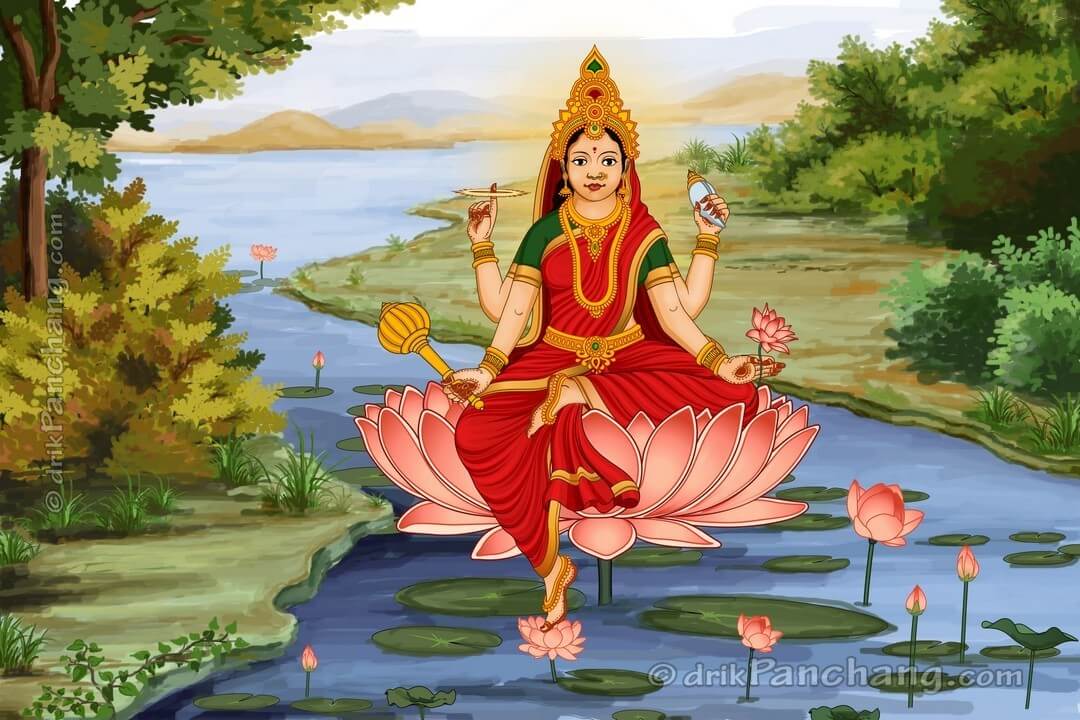
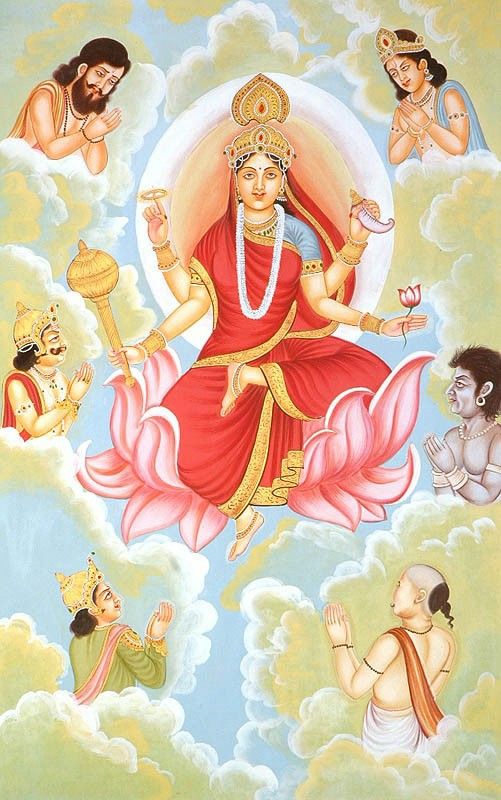
Maa Siddhidatri is the ninth manifestation of Goddess Durga and is associated with divine wisdom, spiritual accomplishment, and the fulfilment of sincere devotion. Her name comes from the Sanskrit words Siddhi, meaning accomplishment or spiritual attainment, and Datri, meaning the giver.
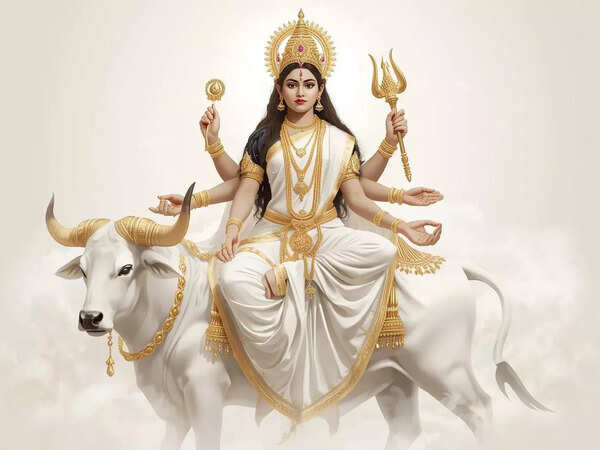
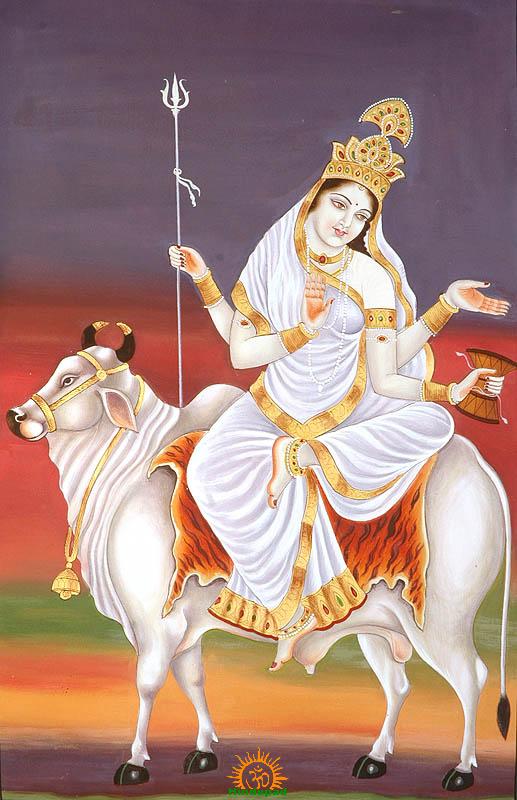
According to Hindu traditions, Maa Siddhidatri blesses devotees with spiritual insight and is associated with the eight principal siddhis described in religious texts. She is commonly depicted seated on a lotus or riding a lion, holding divine objects in her hands.
Her form represents the culmination of spiritual discipline and the importance of using knowledge and abilities with humility, wisdom, and a sense of responsibility.
Spiritual Significance of Maa Siddhidatri Puja
Worshipping Maa Siddhidatri on the ninth day of Navratri is believed to bring divine blessings, spiritual growth, peace, and prosperity. Devotees pray for wisdom, clarity, success in their endeavours, and progress on the spiritual path.
The spiritual lessons associated with Maa Siddhidatri include:
- Wisdom and understanding: Making thoughtful decisions and learning from experience.
- Spiritual growth: Developing faith, discipline, and a deeper understanding of life.
- Humility: Recognising that knowledge and achievements should be used responsibly.
- Devotion and perseverance: Remaining committed to one's values and spiritual practices.
Maa Siddhidatri's worship reminds devotees that true accomplishment is not limited to material success. Inner peace, self-awareness, compassion, and responsible action are equally important.
Maa Siddhidatri Puja Vidhi
Devotees can worship Maa Siddhidatri at home by following their family traditions and a simple puja procedure.
1. Take a bath and clean the puja area.
2. Place the idol or picture of Maa Siddhidatri at the worship space.
3. Light a diya and offer flowers, akshat, incense, and other traditional puja items.
4. Offer fruits, sweets, or other bhog according to family customs.
5. Chant Maa Siddhidatri's mantra with devotion.
6. Recite the Durga Chalisa or other prayers dedicated to Goddess Durga.
7. Perform the aarti and pray for wisdom, peace, prosperity, and the well-being of the family.
Those who need assistance with traditional rituals can explore Online Pandit Booking through Bhaktinama. Devotees can also learn about Online Puja Samagri Booking to arrange the required worship materials.
Maa Siddhidatri Mantra
The following mantra is traditionally recited while worshipping Maa Siddhidatri:
ॐ देवी सिद्धिदात्र्यै नमः॥
Om Devi Siddhidatryai Namah.
Devotees chant this mantra to express their reverence and seek blessings for wisdom, spiritual progress, and inner strength.
Kanya Pujan on Maha Navami
Kanya Pujan is an important tradition associated with the final days of Navratri. During this ritual, young girls are worshipped as manifestations of the Divine Feminine. Families invite girls for a traditional puja and offer them food, gifts, or other tokens of respect according to their customs.
Kanya Pujan represents reverence for feminine energy and the divine presence in all living beings. Its deeper message encourages families to respect, protect, and empower girls and women in everyday life.
Some families perform Kanya Pujan on Ashtami, while others observe it on Navami. The preferred day depends on regional practices, family traditions, and the local Panchang.
The Importance of Hawan on Maha Navami
Hawan is an important Vedic ritual in which offerings are made into a sacred fire while mantras are recited. It represents devotion, gratitude, prayer, and the offering of one's intentions to the divine.
Many families perform Durga Hawan on Ashtami or Navami as part of their Navratri worship. In some traditions, it is performed towards the conclusion of the festival, following days of prayer and fasting.
Hawan offers devotees an opportunity to gather in prayer, express their faith, and reflect on values such as truth, discipline, compassion, and selflessness.
The significance of a religious ritual lies not only in the ceremony itself but also in the devotion and positive intentions with which it is performed. Families may follow different procedures according to their customs and the guidance of their priest.
Through Online Puja Booking, devotees can explore available arrangements for traditional worship and religious ceremonies.
Maa Siddhidatri and the Deeper Meaning of Sacred Rituals
Maa Siddhidatri represents spiritual accomplishment and divine wisdom, while Hawan provides a traditional way to express devotion through sacred offerings and mantras.
Together, these practices remind devotees that spiritual growth requires more than seeking blessings. It also involves cultivating wisdom, practising humility, and using one's abilities for constructive purposes.
The worship of Maa Siddhidatri encourages people to reflect on their actions, recognise their responsibilities, and pursue personal growth without losing sight of compassion and integrity.
As Navratri reaches its conclusion, devotees can carry these lessons forward by applying spiritual values in their everyday lives.
Anantkaal Surya Hawan: An Initiative by Bhaktinama and IAS
The Sun holds an important place in Sanatan Dharma as a symbol of light, life, energy, and time. Surya Upasana, or the worship of Surya Dev, has long been part of Hindu spiritual and cultural traditions.
With the aim of raising awareness about the Sun and its spiritual significance, Bhaktinama and International Awareness for Sun (IAS) have introduced the Anantkaal Surya Hawan initiative.
The initiative seeks to connect people with the traditional significance of Surya Upasana and sacred fire rituals. It provides an opportunity to learn about the spiritual and cultural importance of the Sun and its place in Sanatan traditions.
Anantkaal Surya Hawan is a separate initiative and is not a ritual specifically prescribed for the ninth day of Navratri. Devotees interested in learning more can explore the initiative and Anantkaal Hawan Slot Booking through Bhaktinama.
Spiritual Lessons from the Ninth Day of Navratri
The worship of Maa Siddhidatri offers lessons that can guide devotees beyond the festival:
- Seek knowledge and use it with wisdom.
- Remain humble despite personal achievements.
- Practise discipline and patience in the pursuit of goals.
- Let faith inspire responsible and compassionate actions.
- Understand that spiritual growth involves continuous learning.
These values help make Navratri an opportunity for reflection, gratitude, and personal transformation.
Conclusion
The ninth day of Navratri celebrates Maa Siddhidatri, whose divine form represents wisdom, spiritual accomplishment, and divine grace. Through Maa Siddhidatri Puja, mantra chanting, Kanya Pujan, and traditional Hawan, devotees express their faith and seek blessings for a peaceful and meaningful life.
Bhaktinama helps devotees explore Hindu traditions through services such as Online Pandit Booking, Online Puja Booking, and Online Puja Samagri Booking.
The separate Anantkaal Surya Hawan initiative by Bhaktinama and International Awareness for Sun (IAS) also offers an opportunity to learn about the spiritual significance of Surya Upasana and sacred fire rituals.
As Navratri comes to an end, Maa Siddhidatri's worship reminds us that the greatest accomplishments are those guided by wisdom, humility, compassion, and devotion.