
October 18, 2026
Festival Fast
6 min read
Eighth Day of Navratri 2026: Maa Mahagauri Puja and Hawan
Discover the eighth day of Navratri 2026, Maa Mahagauri Puja Vidhi, mantra, Kanya Pujan, and the significance of Hawan. Explore Bhaktinama's puja services and Anantkaal Surya Hawan.
The eighth day of Navratri is dedicated to Maa Mahagauri, the eighth form of Goddess Durga. She symbolizes purity, peace, compassion, and spiritual transformation. Devotees worship Maa Mahagauri to seek inner strength, happiness, prosperity, and freedom from negativity.
Known as Durga Ashtami or Maha Ashtami, this day holds special significance during Shardiya Navratri. Many devotees perform special prayers, observe fasts, conduct Hawan, and worship young girls through the traditional ritual of Kanya Pujan.
Through its religious services and spiritual content, Bhaktinama helps devotees learn about Hindu traditions and connect with their spiritual practices.
Who Is Maa Mahagauri?
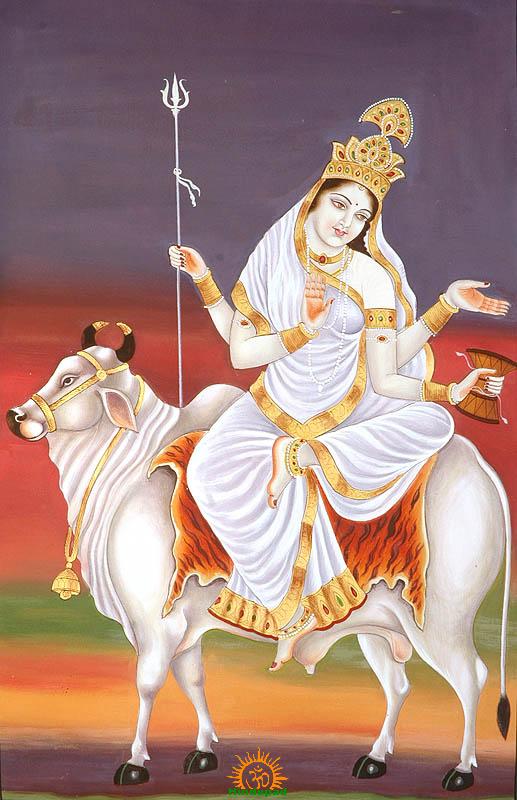
Maa Mahagauri is the eighth manifestation of Goddess Durga and is associated with purity, serenity, compassion, and spiritual awakening. Her name combines Maha, meaning great, and Gauri, associated with brightness and radiance.
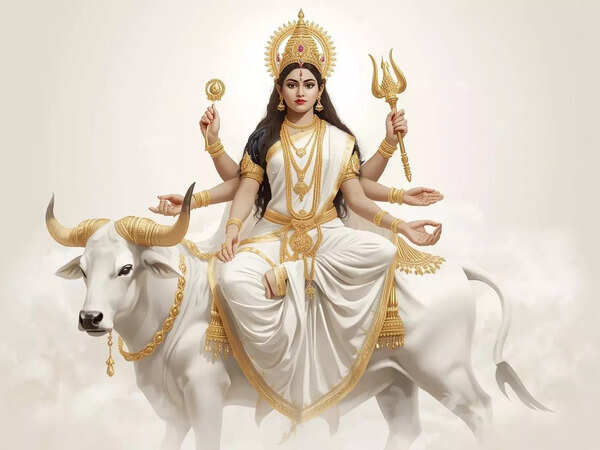
According to Hindu tradition, Maa Mahagauri is often depicted wearing white garments and riding a white bull. Her peaceful appearance represents calmness, forgiveness, and the removal of negativity.
Her form reminds devotees that spiritual growth is not only about worship but also about developing kindness, patience, honesty, and a peaceful mind.
Spiritual Significance of Maa Mahagauri Puja
Worshipping Maa Mahagauri on the eighth day of Navratri is believed to bring peace, prosperity, and divine blessings. Devotees pray for harmony in their families, clarity in their decisions, and strength to overcome life's difficulties.
The spiritual lessons associated with Maa Mahagauri include:
- Purity of thoughts: Cultivating positive intentions and honest actions.
- Peace and compassion: Treating others with patience, kindness, and respect.
- Transformation: Learning from past mistakes and making better choices.
- Faith and devotion: Maintaining spiritual discipline during difficult times.
Maa Mahagauri's worship encourages devotees to look beyond external appearances and focus on the purity of their intentions and actions.
Maa Mahagauri Puja Vidhi
Devotees can worship Maa Mahagauri at home by following their family traditions and a simple puja procedure.
1. Take a bath and clean the puja area.
2. Place the idol or picture of Maa Mahagauri at the designated worship space.
3. Light a diya and offer flowers, akshat, incense, and other traditional puja items.
4. Offer fruits, sweets, coconut, or other suitable bhog according to family customs.
5. Chant Maa Mahagauri's mantra with devotion.
6. Recite the Durga Chalisa or other prayers dedicated to Goddess Durga.
7. Perform the aarti and pray for peace, prosperity, and the well-being of the family.
Those who require assistance with traditional rituals can explore Online Pandit Booking through Bhaktinama. Devotees can also learn about Online Puja Samagri Booking to arrange the required worship materials.
Maa Mahagauri Mantra
The following mantra is traditionally recited while worshipping Maa Mahagauri:
ॐ देवी महागौर्यै नमः॥
Om Devi Mahagauryai Namah.
Devotees chant this mantra to express their reverence and seek the blessings of Maa Mahagauri for peace, purity, and spiritual well-being.
Kanya Pujan on Durga Ashtami
Kanya Pujan is one of the most significant traditions associated with Durga Ashtami. In this ritual, young girls are worshipped as manifestations of the Divine Feminine. Families invite girls for a traditional puja and offer them food, gifts, or other tokens of respect according to their customs.
The ritual reflects the belief that the divine feminine deserves reverence and respect. Beyond the ceremony, Kanya Pujan also reminds devotees to value, protect, and respect girls and women in everyday life.
Some families perform Kanya Pujan on Ashtami, while others observe it on Maha Navami. The choice generally depends on regional practices and family traditions.
The Importance of Hawan on Navratri Ashtami
Hawan is an important Vedic ritual in which offerings are made into a sacred fire while sacred mantras are recited. It represents devotion, gratitude, prayer, and the intention to lead a more disciplined and spiritually aware life.
Many families perform Durga Hawan during Navratri, particularly on Ashtami or Navami, according to their traditions. The ritual may form part of the concluding worship after days of prayer and fasting.
The spiritual significance of Hawan lies in the devotion and positive intentions with which it is performed. It also provides an opportunity for families to gather, pray together, and reflect on values such as compassion, truth, and self-discipline.
Through Online Puja Booking, devotees can explore available arrangements for religious ceremonies and traditional worship.
Maa Mahagauri and the Deeper Meaning of Sacred Rituals
Maa Mahagauri represents peace and purification, while Hawan provides a traditional way for devotees to express their devotion through sacred offerings and mantras.
Together, these practices remind devotees that spirituality should extend beyond rituals. The peace associated with Maa Mahagauri can inspire people to resolve conflicts thoughtfully, practise forgiveness, and bring greater harmony into their homes.
Similarly, the spirit of a sacred ritual becomes more meaningful when devotion is reflected in everyday conduct, including kindness towards others and responsibility towards society.
Anantkaal Surya Hawan: An Initiative by Bhaktinama and IAS
The Sun has a special place in Sanatan Dharma as a symbol of light, energy, life, and time. Surya Upasana, or the worship of Surya Dev, has long been a part of Hindu spiritual traditions.
With the aim of raising awareness about the Sun and its spiritual significance, Bhaktinama and International Awareness for Sun (IAS) have introduced the Anantkaal Surya Hawan initiative.
The initiative seeks to connect people with the traditional significance of Surya Upasana and sacred fire rituals. It offers a separate context for understanding the spiritual and cultural importance of the Sun.
Anantkaal Surya Hawan is a distinct initiative and is not a ritual specifically prescribed for the eighth day of Navratri. Devotees interested in the initiative can explore information about it and Anantkaal Hawan Slot Booking through Bhaktinama.
Spiritual Lessons from the Eighth Day of Navratri
The worship of Maa Mahagauri offers lessons that can be carried into daily life:
- Choose peace over unnecessary conflict.
- Practise kindness and respect towards others.
- Learn from past experiences and work towards positive change.
- Maintain faith while fulfilling personal responsibilities.
- Let spiritual values guide everyday decisions.
These lessons help make Navratri more than a festival of rituals; they turn it into an opportunity for personal reflection and spiritual development.
Conclusion
The eighth day of Navratri celebrates Maa Mahagauri, whose divine form represents purity, peace, compassion, and transformation. Through Maa Mahagauri Puja, Kanya Pujan, mantra chanting, and traditional Hawan, devotees express their faith and seek blessings for a harmonious life.
Bhaktinama supports devotees in exploring Hindu religious traditions through services such as Online Pandit Booking, Online Puja Booking, and Online Puja Samagri Booking.
The separate Anantkaal Surya Hawan initiative by Bhaktinama and International Awareness for Sun (IAS) also offers an opportunity to learn about the spiritual significance of Surya Upasana and sacred fire rituals.
As Navratri approaches its conclusion, the worship of Maa Mahagauri reminds us that true devotion is reflected not only in prayers but also in the purity of our thoughts, the kindness of our actions, and the peace we bring into the lives of others.
Known as Durga Ashtami or Maha Ashtami, this day holds special significance during Shardiya Navratri. Many devotees perform special prayers, observe fasts, conduct Hawan, and worship young girls through the traditional ritual of Kanya Pujan.
Through its religious services and spiritual content, Bhaktinama helps devotees learn about Hindu traditions and connect with their spiritual practices.
Who Is Maa Mahagauri?
Maa Mahagauri is the eighth manifestation of Goddess Durga and is associated with purity, serenity, compassion, and spiritual awakening. Her name combines Maha, meaning great, and Gauri, associated with brightness and radiance.
According to Hindu tradition, Maa Mahagauri is often depicted wearing white garments and riding a white bull. Her peaceful appearance represents calmness, forgiveness, and the removal of negativity.
Her form reminds devotees that spiritual growth is not only about worship but also about developing kindness, patience, honesty, and a peaceful mind.
Spiritual Significance of Maa Mahagauri Puja
Worshipping Maa Mahagauri on the eighth day of Navratri is believed to bring peace, prosperity, and divine blessings. Devotees pray for harmony in their families, clarity in their decisions, and strength to overcome life's difficulties.
The spiritual lessons associated with Maa Mahagauri include:
- Purity of thoughts: Cultivating positive intentions and honest actions.
- Peace and compassion: Treating others with patience, kindness, and respect.
- Transformation: Learning from past mistakes and making better choices.
- Faith and devotion: Maintaining spiritual discipline during difficult times.
Maa Mahagauri's worship encourages devotees to look beyond external appearances and focus on the purity of their intentions and actions.
Maa Mahagauri Puja Vidhi
Devotees can worship Maa Mahagauri at home by following their family traditions and a simple puja procedure.
1. Take a bath and clean the puja area.
2. Place the idol or picture of Maa Mahagauri at the designated worship space.
3. Light a diya and offer flowers, akshat, incense, and other traditional puja items.
4. Offer fruits, sweets, coconut, or other suitable bhog according to family customs.
5. Chant Maa Mahagauri's mantra with devotion.
6. Recite the Durga Chalisa or other prayers dedicated to Goddess Durga.
7. Perform the aarti and pray for peace, prosperity, and the well-being of the family.
Those who require assistance with traditional rituals can explore Online Pandit Booking through Bhaktinama. Devotees can also learn about Online Puja Samagri Booking to arrange the required worship materials.
Maa Mahagauri Mantra
The following mantra is traditionally recited while worshipping Maa Mahagauri:
ॐ देवी महागौर्यै नमः॥
Om Devi Mahagauryai Namah.
Devotees chant this mantra to express their reverence and seek the blessings of Maa Mahagauri for peace, purity, and spiritual well-being.
Kanya Pujan on Durga Ashtami
Kanya Pujan is one of the most significant traditions associated with Durga Ashtami. In this ritual, young girls are worshipped as manifestations of the Divine Feminine. Families invite girls for a traditional puja and offer them food, gifts, or other tokens of respect according to their customs.
The ritual reflects the belief that the divine feminine deserves reverence and respect. Beyond the ceremony, Kanya Pujan also reminds devotees to value, protect, and respect girls and women in everyday life.
Some families perform Kanya Pujan on Ashtami, while others observe it on Maha Navami. The choice generally depends on regional practices and family traditions.
The Importance of Hawan on Navratri Ashtami
Hawan is an important Vedic ritual in which offerings are made into a sacred fire while sacred mantras are recited. It represents devotion, gratitude, prayer, and the intention to lead a more disciplined and spiritually aware life.
Many families perform Durga Hawan during Navratri, particularly on Ashtami or Navami, according to their traditions. The ritual may form part of the concluding worship after days of prayer and fasting.
The spiritual significance of Hawan lies in the devotion and positive intentions with which it is performed. It also provides an opportunity for families to gather, pray together, and reflect on values such as compassion, truth, and self-discipline.
Through Online Puja Booking, devotees can explore available arrangements for religious ceremonies and traditional worship.
Maa Mahagauri and the Deeper Meaning of Sacred Rituals
Maa Mahagauri represents peace and purification, while Hawan provides a traditional way for devotees to express their devotion through sacred offerings and mantras.
Together, these practices remind devotees that spirituality should extend beyond rituals. The peace associated with Maa Mahagauri can inspire people to resolve conflicts thoughtfully, practise forgiveness, and bring greater harmony into their homes.
Similarly, the spirit of a sacred ritual becomes more meaningful when devotion is reflected in everyday conduct, including kindness towards others and responsibility towards society.
Anantkaal Surya Hawan: An Initiative by Bhaktinama and IAS
The Sun has a special place in Sanatan Dharma as a symbol of light, energy, life, and time. Surya Upasana, or the worship of Surya Dev, has long been a part of Hindu spiritual traditions.
With the aim of raising awareness about the Sun and its spiritual significance, Bhaktinama and International Awareness for Sun (IAS) have introduced the Anantkaal Surya Hawan initiative.
The initiative seeks to connect people with the traditional significance of Surya Upasana and sacred fire rituals. It offers a separate context for understanding the spiritual and cultural importance of the Sun.
Anantkaal Surya Hawan is a distinct initiative and is not a ritual specifically prescribed for the eighth day of Navratri. Devotees interested in the initiative can explore information about it and Anantkaal Hawan Slot Booking through Bhaktinama.
Spiritual Lessons from the Eighth Day of Navratri
The worship of Maa Mahagauri offers lessons that can be carried into daily life:
- Choose peace over unnecessary conflict.
- Practise kindness and respect towards others.
- Learn from past experiences and work towards positive change.
- Maintain faith while fulfilling personal responsibilities.
- Let spiritual values guide everyday decisions.
These lessons help make Navratri more than a festival of rituals; they turn it into an opportunity for personal reflection and spiritual development.
Conclusion
The eighth day of Navratri celebrates Maa Mahagauri, whose divine form represents purity, peace, compassion, and transformation. Through Maa Mahagauri Puja, Kanya Pujan, mantra chanting, and traditional Hawan, devotees express their faith and seek blessings for a harmonious life.
Bhaktinama supports devotees in exploring Hindu religious traditions through services such as Online Pandit Booking, Online Puja Booking, and Online Puja Samagri Booking.
The separate Anantkaal Surya Hawan initiative by Bhaktinama and International Awareness for Sun (IAS) also offers an opportunity to learn about the spiritual significance of Surya Upasana and sacred fire rituals.
As Navratri approaches its conclusion, the worship of Maa Mahagauri reminds us that true devotion is reflected not only in prayers but also in the purity of our thoughts, the kindness of our actions, and the peace we bring into the lives of others.