
October 16, 2026
Festival Fast
5 min read
Sixth Day of Navratri 2026: Maa Katyayani Puja and Hawan
Learn about the sixth day of Navratri 2026, Maa Katyayani Puja Vidhi, mantra, significance, and Hawan traditions. Explore Anantkaal Surya Hawan and puja services through Bhaktinama.
The sixth day of Navratri is dedicated to Maa Katyayani, the sixth form of Goddess Durga. She represents courage, strength, justice, and the power to overcome negativity. Worshipped as a fierce form of the Divine Mother, Maa Katyayani reminds devotees that true strength comes from standing up for righteousness and facing challenges with determination.
During Navratri, devotees worship Maa Katyayani to seek courage, protection, happiness, and spiritual growth. Traditional puja, mantra chanting, and Hawan are among the practices through which devotees express their faith and devotion.
When Is the Sixth Day of Navratri in 2026?
The sixth day of Navratri falls on Friday, 16 October 2026, following the commonly observed Navratri sequence beginning on 11 October.
On this day, devotees worship Maa Katyayani and pray for strength, wisdom, and the ability to overcome difficulties. Since tithi timings may vary by location, it is advisable to consult the local Panchang for the appropriate puja muhurat.
Who Is Maa Katyayani?
Maa Katyayani is the sixth manifestation of Goddess Durga. According to Hindu tradition, she manifested as a powerful warrior goddess to defeat the demon Mahishasura and restore balance between good and evil.
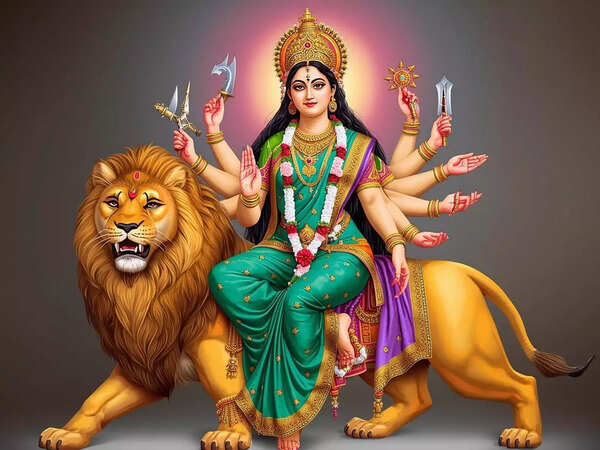
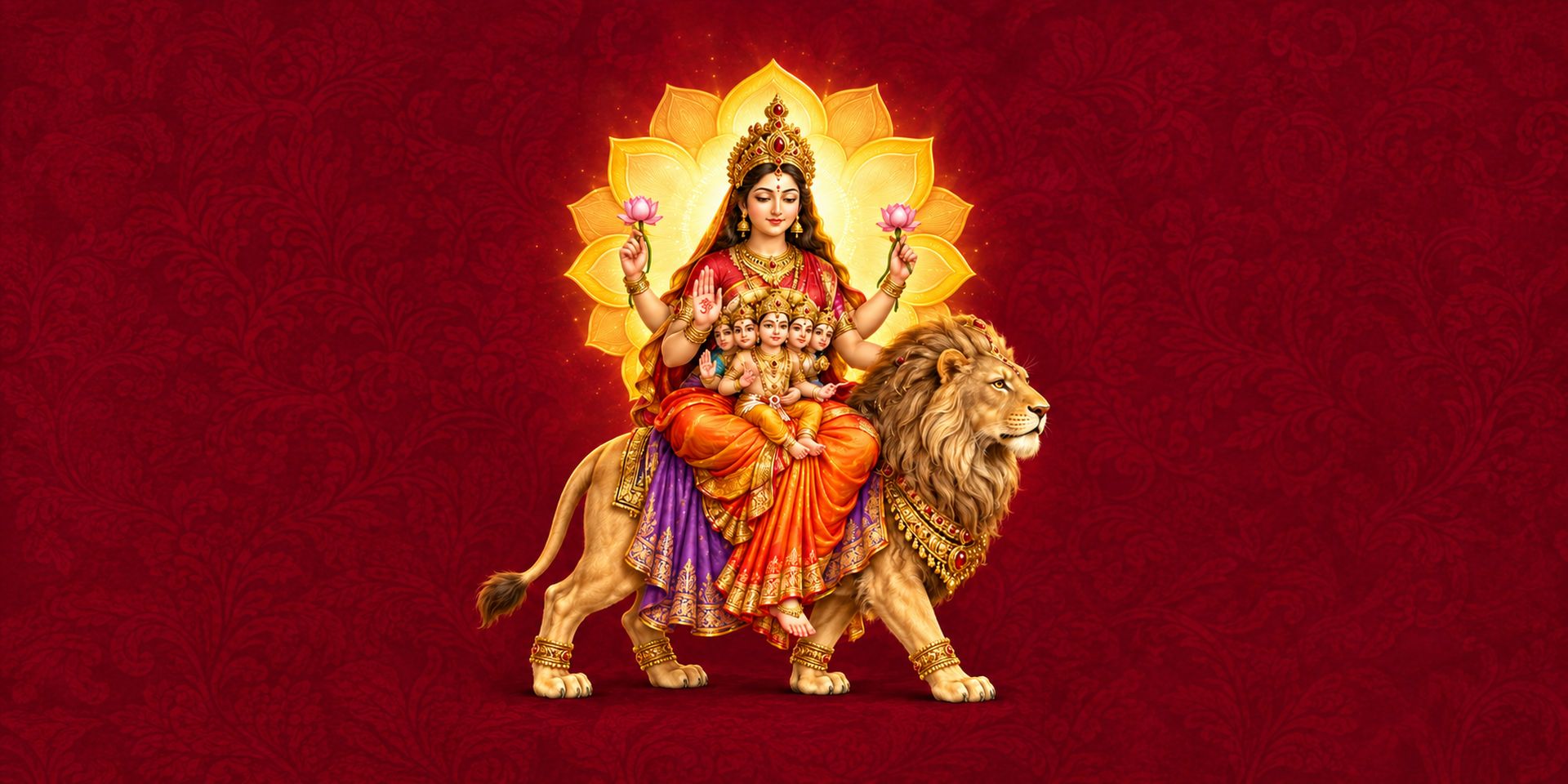
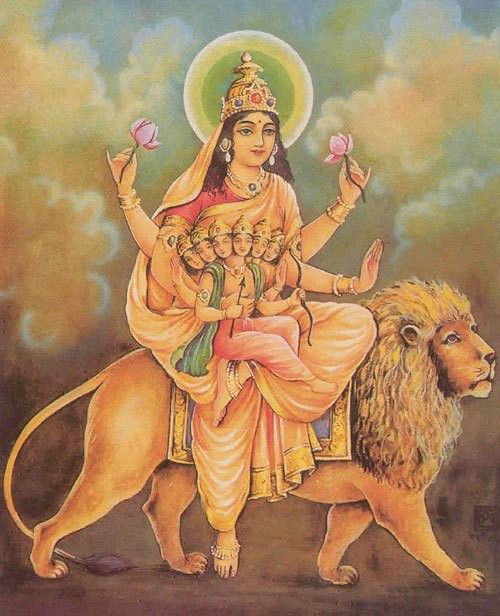
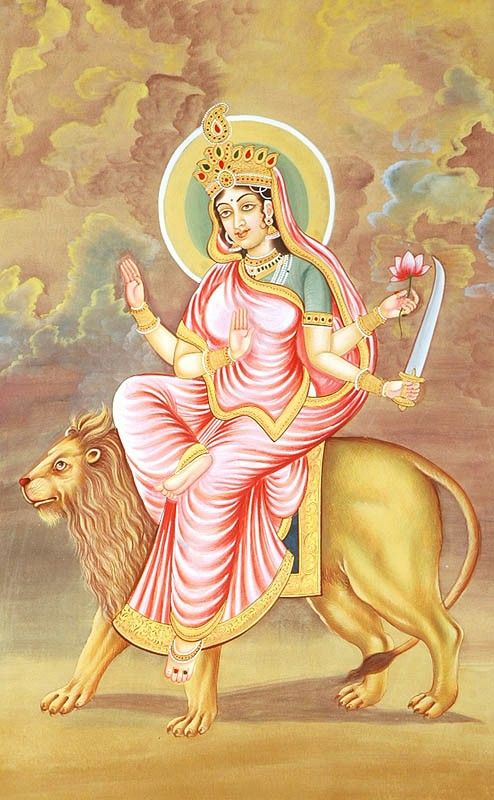
She is commonly depicted riding a lion and holding divine weapons. Her form represents fearlessness, determination, and the protection of righteousness.
Maa Katyayani is also one of the nine forms of Goddess Durga worshipped during Navratri. Her story teaches devotees that courage and determination are necessary to overcome injustice and challenges in life.
Significance of Maa Katyayani Puja
Worshipping Maa Katyayani on the sixth day of Navratri is considered spiritually significant. Devotees seek her blessings for courage, protection, clarity, and success in their efforts.
The worship of Maa Katyayani conveys several important lessons:
- Courage and strength: Face difficult situations with confidence and determination.
- Justice and righteousness: Stand up for what is right and act with integrity.
- Self-discipline: Develop the determination to work towards meaningful goals.
- Spiritual strength: Maintain faith and a positive attitude during challenging times.
Maa Katyayani's worship reminds devotees that strength is not only about physical power. It also includes the courage to make the right decisions and remain committed to truth.
How to Perform Maa Katyayani Puja
Devotees can worship Maa Katyayani at home by following a simple traditional procedure.
1. Take a bath and clean the puja area.
2. Place an image or idol of Maa Katyayani in the worship space.
3. Light a diya and offer flowers, fruits, akshat, and naivedya according to family tradition.
4. Chant the Maa Katyayani mantra with devotion.
5. Recite the Durga Chalisa or other devotional prayers.
6. Perform aarti and pray for courage, protection, peace, and the well-being of your family.
Devotees who need assistance with traditional rituals can explore Online Pandit Booking through Bhaktinama. They can also look into Online Puja Samagri Booking to arrange the necessary worship materials.
Maa Katyayani Mantra
The following mantra is traditionally recited while worshipping Maa Katyayani:
ॐ देवी कात्यायन्यै नमः॥
Devotees chant this mantra with faith and concentration, seeking the Goddess's blessings for strength, courage, and spiritual well-being.
Why Is Hawan Important During Navratri?
Hawan is an important Vedic ritual in Sanatan Dharma. During the ceremony, offerings are made into a sacred fire while mantras are recited. The ritual represents devotion, gratitude, prayer, and the offering of one's intentions to the divine.
During Navratri, many families perform Hawan as part of their Devi worship. Some conduct it on Durga Ashtami or Mahanavami, while others follow their own family traditions.
Hawan also provides an opportunity to reflect on the values represented by the Goddess, including courage, self-discipline, and the commitment to righteousness.
Those who wish to arrange a puja or Hawan with the guidance of a priest can explore Online Puja Booking through Bhaktinama.
The Connection Between Maa Katyayani Puja and Hawan
Maa Katyayani represents the power to overcome negativity and protect righteousness. Hawan, meanwhile, offers devotees a traditional way to express devotion and pray for peace, strength, and well-being.
When performed according to religious traditions, these practices encourage devotees to develop positive intentions and bring spiritual values into their everyday lives.
The deeper message is that devotion should inspire action. Just as Maa Katyayani symbolises courage and determination, devotees can practise these qualities by standing against injustice, fulfilling their responsibilities, and treating others with fairness.
Anantkaal Surya Hawan: A Special Initiative by Bhaktinama and IAS
The Sun holds a significant place in Sanatan Dharma as a symbol of light, life, energy, and time. Surya Upasana has long been practised through prayers, offerings, and traditional rituals.
Inspired by this heritage, Bhaktinama and International Awareness for Sun (IAS) have introduced the Anantkaal Surya Hawan initiative. It aims to raise awareness of the spiritual significance of Sun worship and reconnect people with the tradition of sacred fire rituals.
Although Maa Katyayani Puja and Anantkaal Surya Hawan belong to broader Hindu spiritual traditions, they have distinct religious contexts. Anantkaal Surya Hawan is a separate initiative related to Surya Upasana, not a ritual specifically prescribed for the sixth day of Navratri.
Devotees interested in this initiative can explore the information available through Bhaktinama and learn more about Anantkaal Hawan Slot Booking.
Spiritual Lessons from Maa Katyayani
Maa Katyayani teaches devotees to face challenges with courage, remain committed to truth, and act with determination. Her form reminds us that positive change often requires both faith and action.
Her worship encourages people to develop self-discipline, make thoughtful decisions, and stand up for what is right while maintaining compassion and respect for others.
Conclusion
The sixth day of Navratri celebrates Maa Katyayani, whose divine form represents courage, strength, justice, and protection. Through puja, mantra chanting, and Hawan according to their traditions, devotees express their faith and seek spiritual guidance.
Through Bhaktinama, devotees can explore Hindu religious traditions and services such as Online Pandit Booking, Online Puja Booking, and Online Puja Samagri Booking.
The Anantkaal Surya Hawan, a separate initiative by Bhaktinama and International Awareness for Sun (IAS), offers another opportunity to learn about and connect with the enduring tradition of Surya Upasana.
During Navratri, devotees worship Maa Katyayani to seek courage, protection, happiness, and spiritual growth. Traditional puja, mantra chanting, and Hawan are among the practices through which devotees express their faith and devotion.
When Is the Sixth Day of Navratri in 2026?
The sixth day of Navratri falls on Friday, 16 October 2026, following the commonly observed Navratri sequence beginning on 11 October.
On this day, devotees worship Maa Katyayani and pray for strength, wisdom, and the ability to overcome difficulties. Since tithi timings may vary by location, it is advisable to consult the local Panchang for the appropriate puja muhurat.
Who Is Maa Katyayani?
Maa Katyayani is the sixth manifestation of Goddess Durga. According to Hindu tradition, she manifested as a powerful warrior goddess to defeat the demon Mahishasura and restore balance between good and evil.
She is commonly depicted riding a lion and holding divine weapons. Her form represents fearlessness, determination, and the protection of righteousness.
Maa Katyayani is also one of the nine forms of Goddess Durga worshipped during Navratri. Her story teaches devotees that courage and determination are necessary to overcome injustice and challenges in life.
Significance of Maa Katyayani Puja
Worshipping Maa Katyayani on the sixth day of Navratri is considered spiritually significant. Devotees seek her blessings for courage, protection, clarity, and success in their efforts.
The worship of Maa Katyayani conveys several important lessons:
- Courage and strength: Face difficult situations with confidence and determination.
- Justice and righteousness: Stand up for what is right and act with integrity.
- Self-discipline: Develop the determination to work towards meaningful goals.
- Spiritual strength: Maintain faith and a positive attitude during challenging times.
Maa Katyayani's worship reminds devotees that strength is not only about physical power. It also includes the courage to make the right decisions and remain committed to truth.
How to Perform Maa Katyayani Puja
Devotees can worship Maa Katyayani at home by following a simple traditional procedure.
1. Take a bath and clean the puja area.
2. Place an image or idol of Maa Katyayani in the worship space.
3. Light a diya and offer flowers, fruits, akshat, and naivedya according to family tradition.
4. Chant the Maa Katyayani mantra with devotion.
5. Recite the Durga Chalisa or other devotional prayers.
6. Perform aarti and pray for courage, protection, peace, and the well-being of your family.
Devotees who need assistance with traditional rituals can explore Online Pandit Booking through Bhaktinama. They can also look into Online Puja Samagri Booking to arrange the necessary worship materials.
Maa Katyayani Mantra
The following mantra is traditionally recited while worshipping Maa Katyayani:
ॐ देवी कात्यायन्यै नमः॥
Devotees chant this mantra with faith and concentration, seeking the Goddess's blessings for strength, courage, and spiritual well-being.
Why Is Hawan Important During Navratri?
Hawan is an important Vedic ritual in Sanatan Dharma. During the ceremony, offerings are made into a sacred fire while mantras are recited. The ritual represents devotion, gratitude, prayer, and the offering of one's intentions to the divine.
During Navratri, many families perform Hawan as part of their Devi worship. Some conduct it on Durga Ashtami or Mahanavami, while others follow their own family traditions.
Hawan also provides an opportunity to reflect on the values represented by the Goddess, including courage, self-discipline, and the commitment to righteousness.
Those who wish to arrange a puja or Hawan with the guidance of a priest can explore Online Puja Booking through Bhaktinama.
The Connection Between Maa Katyayani Puja and Hawan
Maa Katyayani represents the power to overcome negativity and protect righteousness. Hawan, meanwhile, offers devotees a traditional way to express devotion and pray for peace, strength, and well-being.
When performed according to religious traditions, these practices encourage devotees to develop positive intentions and bring spiritual values into their everyday lives.
The deeper message is that devotion should inspire action. Just as Maa Katyayani symbolises courage and determination, devotees can practise these qualities by standing against injustice, fulfilling their responsibilities, and treating others with fairness.
Anantkaal Surya Hawan: A Special Initiative by Bhaktinama and IAS
The Sun holds a significant place in Sanatan Dharma as a symbol of light, life, energy, and time. Surya Upasana has long been practised through prayers, offerings, and traditional rituals.
Inspired by this heritage, Bhaktinama and International Awareness for Sun (IAS) have introduced the Anantkaal Surya Hawan initiative. It aims to raise awareness of the spiritual significance of Sun worship and reconnect people with the tradition of sacred fire rituals.
Although Maa Katyayani Puja and Anantkaal Surya Hawan belong to broader Hindu spiritual traditions, they have distinct religious contexts. Anantkaal Surya Hawan is a separate initiative related to Surya Upasana, not a ritual specifically prescribed for the sixth day of Navratri.
Devotees interested in this initiative can explore the information available through Bhaktinama and learn more about Anantkaal Hawan Slot Booking.
Spiritual Lessons from Maa Katyayani
Maa Katyayani teaches devotees to face challenges with courage, remain committed to truth, and act with determination. Her form reminds us that positive change often requires both faith and action.
Her worship encourages people to develop self-discipline, make thoughtful decisions, and stand up for what is right while maintaining compassion and respect for others.
Conclusion
The sixth day of Navratri celebrates Maa Katyayani, whose divine form represents courage, strength, justice, and protection. Through puja, mantra chanting, and Hawan according to their traditions, devotees express their faith and seek spiritual guidance.
Through Bhaktinama, devotees can explore Hindu religious traditions and services such as Online Pandit Booking, Online Puja Booking, and Online Puja Samagri Booking.
The Anantkaal Surya Hawan, a separate initiative by Bhaktinama and International Awareness for Sun (IAS), offers another opportunity to learn about and connect with the enduring tradition of Surya Upasana.