
October 18, 2026
Anantkaal Hawan
6 min read
Why Fire Is Central to Anantkaal Hawan | Bhaktinama
Discover the spiritual significance of fire in Anantkaal Hawan, its connection with Surya Dev and Kaal, and the initiative by Bhaktinama and IAS.
Why Fire Is Central to Anantkaal Hawan: Meaning, Significance and the Purpose of the Initiative
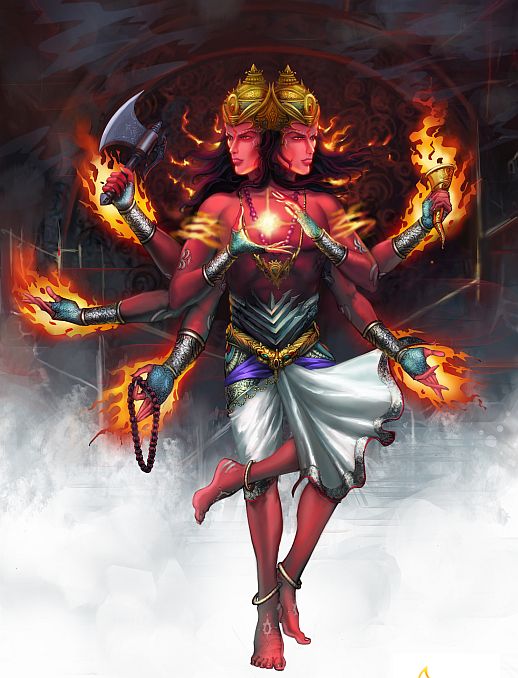
Fire has held a sacred place in Sanatan Dharma for thousands of years. Known as Agni Dev, the divine representation of fire is regarded as a link between human prayers and the divine. From traditional Vedic rituals to daily worship, fire symbolizes purity, transformation, energy, and the continuous cycle of life.
This is why fire is not merely an element in Anantkaal Hawan. It is at the heart of the ritual, representing the connection between the eternal nature of time, the energy of the Sun, and the spiritual traditions of Sanatan Dharma.
Anantkaal Hawan is an initiative by Bhaktinama and International Awareness for Sun (IAS) that brings together the traditional significance of Hawan and the deeper spiritual understanding of Surya Dev and Kaal.
1. The Spiritual Significance of Fire in Sanatan Dharma
In Sanatan Dharma, fire is much more than a source of heat and light. It represents purification, knowledge, vitality, and transformation. Fire transforms the offerings placed into it, symbolizing the transition from the material to the spiritual.
In Vedic traditions, Agni Dev is revered as the carrier of offerings made during a Hawan. Through sacred mantras, ghee, herbs, and other traditional offerings, devotees express their prayers, gratitude, and devotion.
Fire also reminds us that transformation is a natural part of existence. Just as fire changes the form of what it receives, spiritual practices encourage individuals to reflect, let go of negativity, and move towards greater awareness.
This understanding of Agni makes fire an essential part of Anantkaal Hawan, where the ritual carries significance beyond the physical act of offering Samagri.
2. Why Is Fire Central to Hawan?
A Hawan is a traditional Vedic ritual performed around a sacred fire, accompanied by the chanting of mantras and the offering of specific materials. Fire serves as the central element through which the ritual takes place.
Its importance can be understood through three key ideas:
Purification: Fire traditionally symbolizes the removal of impurities and the restoration of sacredness. In a spiritual context, it encourages the purification of thoughts, intentions, and actions.
Transformation: Fire transforms the offerings placed into it. This process represents the idea that change is an inseparable part of existence.
Connection with the Divine: In Vedic rituals, Agni Dev is associated with carrying offerings to the divine. The sacred fire becomes the focal point of prayer, devotion, and collective participation.
These principles help explain why fire remains central to traditional Hawan practices and why it holds an important place in the philosophy behind Anantkaal Hawan.
3. The Connection Between Fire, Surya Dev and Kaal
The significance of fire becomes even deeper when viewed alongside Surya Dev and Kaal.
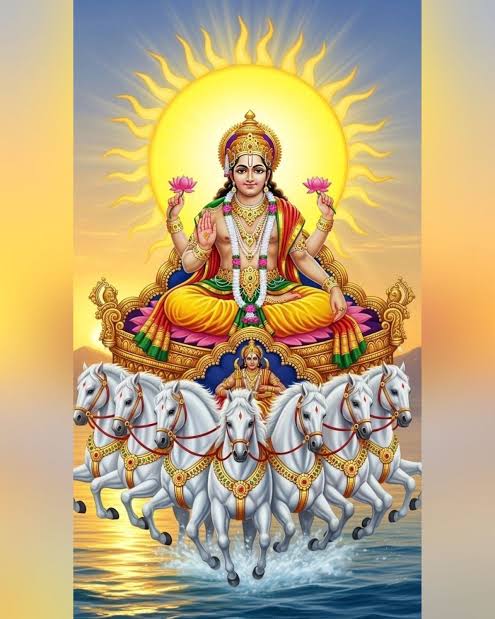
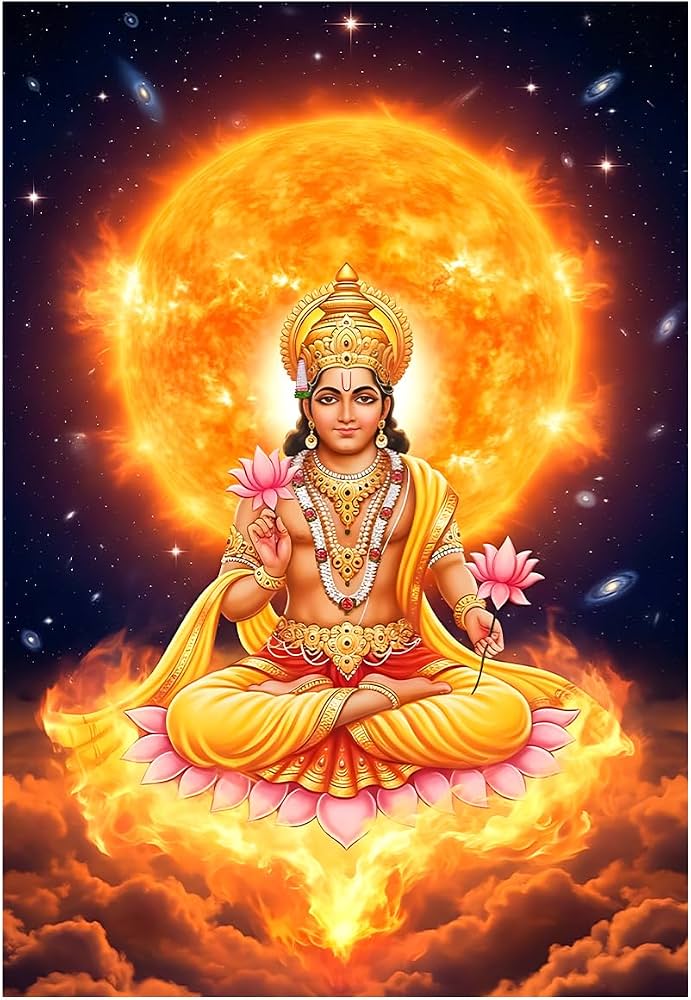
Surya Dev, the Sun deity, represents light, vitality, and the energy that sustains life on Earth. The Sun's light and warmth support natural processes, influence seasons, and provide the energy necessary for life.
Fire, in turn, represents energy in a visible and immediate form. Although the Sun and ritual fire are different phenomena, both hold powerful symbolic associations with light, vitality, and transformation in Sanatan traditions.
Kaal, meaning time, represents the continuous movement of existence. Everything in the universe undergoes change with time, and the cycles of creation, preservation, and transformation are deeply connected to this understanding.
The word Anantkaal evokes the idea of eternity and the timeless dimension of existence. When fire, Surya Dev, and Kaal are understood together, they offer a meaningful way to reflect on the relationship between energy, time, and life.
This connection forms an important spiritual perspective for understanding Anantkaal Surya Hawan.
4. What Makes Anantkaal Hawan Significant?
Anantkaal Hawan brings the traditional practice of Hawan into a broader spiritual initiative centred on the significance of Surya Dev and the concept of Anantkaal.
The sacred fire is central to this understanding because it provides the ritual's focal point. It represents the continuity of Vedic traditions, the transformative nature of fire, and the importance of maintaining a connection with the natural and spiritual world.
Through its association with Surya Dev, the initiative also encourages reflection on the Sun's essential role in sustaining life. The Sun is a visible and universal source of light and energy, making it a meaningful point of connection between spiritual thought and the natural world.
Bhaktinama and International Awareness for Sun (IAS) have come together through the Anantkaal Hawan initiative to bring attention to these traditional and spiritual connections.
The initiative provides an opportunity for devotees to engage with the significance of Hawan while exploring the deeper relationship between fire, Surya Dev, and the eternal nature of time.
5. The Role of Bhaktinama and International Awareness for Sun (IAS)
Bhaktinama is a platform focused on connecting people with Hindu spiritual traditions, religious practices, and devotional services. Through the Anantkaal Hawan initiative, Bhaktinama is helping bring this traditional ritual to devotees who wish to participate in a spiritually meaningful experience.
International Awareness for Sun (IAS) is associated with the initiative's focus on the Sun and its significance. The connection between Surya Dev, life, energy, and time provides a broader perspective through which the spiritual meaning of the Hawan can be understood.
Together, Bhaktinama and IAS are bringing attention to Anantkaal Hawan, highlighting the importance of traditional ritual practices and the enduring significance of the Sun in Sanatan Dharma.
The initiative invites devotees to look beyond the visible flames and reflect on the deeper ideas represented by the sacred fire.
6. Anantkaal Hawan Slot Booking: How to Participate
For devotees interested in experiencing this ritual, Anantkaal Hawan slot booking is available through Bhaktinama.
Those wishing to participate can visit the Bhaktinama website to explore the available booking details and select a suitable Hawan slot. Devotees should check the website for the latest information about dates, availability, and participation arrangements before making a booking.
The initiative is planned at Sahbadla, near Nasriganj in Rohtas, Bihar. Interested devotees can use the booking information provided by Bhaktinama to learn more about participation.
By making the booking process accessible online, Bhaktinama aims to help devotees connect with this initiative and take part in a traditional Hawan centred on the spiritual significance of Surya Dev.
Conclusion: The Eternal Meaning of the Sacred Fire
Fire is central to Anantkaal Hawan because it represents much more than a physical flame. In Sanatan Dharma, it carries associations with purification, transformation, devotion, and the connection between human beings and the divine.
When considered alongside Surya Dev and Kaal, fire also becomes a meaningful symbol through which to reflect on energy, the passage of time, and the continuity of existence.
Through the Anantkaal Hawan initiative by Bhaktinama and International Awareness for Sun (IAS), these ideas come together in a traditional spiritual practice that invites devotees to explore the deeper significance of the sacred fire.
To learn more about Anantkaal Hawan and participate in the initiative, visit Bhaktinama and check the available slot booking details.
Fire has held a sacred place in Sanatan Dharma for thousands of years. Known as Agni Dev, the divine representation of fire is regarded as a link between human prayers and the divine. From traditional Vedic rituals to daily worship, fire symbolizes purity, transformation, energy, and the continuous cycle of life.
This is why fire is not merely an element in Anantkaal Hawan. It is at the heart of the ritual, representing the connection between the eternal nature of time, the energy of the Sun, and the spiritual traditions of Sanatan Dharma.
Anantkaal Hawan is an initiative by Bhaktinama and International Awareness for Sun (IAS) that brings together the traditional significance of Hawan and the deeper spiritual understanding of Surya Dev and Kaal.
1. The Spiritual Significance of Fire in Sanatan Dharma
In Sanatan Dharma, fire is much more than a source of heat and light. It represents purification, knowledge, vitality, and transformation. Fire transforms the offerings placed into it, symbolizing the transition from the material to the spiritual.
In Vedic traditions, Agni Dev is revered as the carrier of offerings made during a Hawan. Through sacred mantras, ghee, herbs, and other traditional offerings, devotees express their prayers, gratitude, and devotion.
Fire also reminds us that transformation is a natural part of existence. Just as fire changes the form of what it receives, spiritual practices encourage individuals to reflect, let go of negativity, and move towards greater awareness.
This understanding of Agni makes fire an essential part of Anantkaal Hawan, where the ritual carries significance beyond the physical act of offering Samagri.
2. Why Is Fire Central to Hawan?
A Hawan is a traditional Vedic ritual performed around a sacred fire, accompanied by the chanting of mantras and the offering of specific materials. Fire serves as the central element through which the ritual takes place.
Its importance can be understood through three key ideas:
Purification: Fire traditionally symbolizes the removal of impurities and the restoration of sacredness. In a spiritual context, it encourages the purification of thoughts, intentions, and actions.
Transformation: Fire transforms the offerings placed into it. This process represents the idea that change is an inseparable part of existence.
Connection with the Divine: In Vedic rituals, Agni Dev is associated with carrying offerings to the divine. The sacred fire becomes the focal point of prayer, devotion, and collective participation.
These principles help explain why fire remains central to traditional Hawan practices and why it holds an important place in the philosophy behind Anantkaal Hawan.
3. The Connection Between Fire, Surya Dev and Kaal
The significance of fire becomes even deeper when viewed alongside Surya Dev and Kaal.
Surya Dev, the Sun deity, represents light, vitality, and the energy that sustains life on Earth. The Sun's light and warmth support natural processes, influence seasons, and provide the energy necessary for life.
Fire, in turn, represents energy in a visible and immediate form. Although the Sun and ritual fire are different phenomena, both hold powerful symbolic associations with light, vitality, and transformation in Sanatan traditions.
Kaal, meaning time, represents the continuous movement of existence. Everything in the universe undergoes change with time, and the cycles of creation, preservation, and transformation are deeply connected to this understanding.
The word Anantkaal evokes the idea of eternity and the timeless dimension of existence. When fire, Surya Dev, and Kaal are understood together, they offer a meaningful way to reflect on the relationship between energy, time, and life.
This connection forms an important spiritual perspective for understanding Anantkaal Surya Hawan.
4. What Makes Anantkaal Hawan Significant?
Anantkaal Hawan brings the traditional practice of Hawan into a broader spiritual initiative centred on the significance of Surya Dev and the concept of Anantkaal.
The sacred fire is central to this understanding because it provides the ritual's focal point. It represents the continuity of Vedic traditions, the transformative nature of fire, and the importance of maintaining a connection with the natural and spiritual world.
Through its association with Surya Dev, the initiative also encourages reflection on the Sun's essential role in sustaining life. The Sun is a visible and universal source of light and energy, making it a meaningful point of connection between spiritual thought and the natural world.
Bhaktinama and International Awareness for Sun (IAS) have come together through the Anantkaal Hawan initiative to bring attention to these traditional and spiritual connections.
The initiative provides an opportunity for devotees to engage with the significance of Hawan while exploring the deeper relationship between fire, Surya Dev, and the eternal nature of time.
5. The Role of Bhaktinama and International Awareness for Sun (IAS)
Bhaktinama is a platform focused on connecting people with Hindu spiritual traditions, religious practices, and devotional services. Through the Anantkaal Hawan initiative, Bhaktinama is helping bring this traditional ritual to devotees who wish to participate in a spiritually meaningful experience.
International Awareness for Sun (IAS) is associated with the initiative's focus on the Sun and its significance. The connection between Surya Dev, life, energy, and time provides a broader perspective through which the spiritual meaning of the Hawan can be understood.
Together, Bhaktinama and IAS are bringing attention to Anantkaal Hawan, highlighting the importance of traditional ritual practices and the enduring significance of the Sun in Sanatan Dharma.
The initiative invites devotees to look beyond the visible flames and reflect on the deeper ideas represented by the sacred fire.
6. Anantkaal Hawan Slot Booking: How to Participate
For devotees interested in experiencing this ritual, Anantkaal Hawan slot booking is available through Bhaktinama.
Those wishing to participate can visit the Bhaktinama website to explore the available booking details and select a suitable Hawan slot. Devotees should check the website for the latest information about dates, availability, and participation arrangements before making a booking.
The initiative is planned at Sahbadla, near Nasriganj in Rohtas, Bihar. Interested devotees can use the booking information provided by Bhaktinama to learn more about participation.
By making the booking process accessible online, Bhaktinama aims to help devotees connect with this initiative and take part in a traditional Hawan centred on the spiritual significance of Surya Dev.
Conclusion: The Eternal Meaning of the Sacred Fire
Fire is central to Anantkaal Hawan because it represents much more than a physical flame. In Sanatan Dharma, it carries associations with purification, transformation, devotion, and the connection between human beings and the divine.
When considered alongside Surya Dev and Kaal, fire also becomes a meaningful symbol through which to reflect on energy, the passage of time, and the continuity of existence.
Through the Anantkaal Hawan initiative by Bhaktinama and International Awareness for Sun (IAS), these ideas come together in a traditional spiritual practice that invites devotees to explore the deeper significance of the sacred fire.
To learn more about Anantkaal Hawan and participate in the initiative, visit Bhaktinama and check the available slot booking details.