
October 23, 2026
Anantkaal Hawan
7 min read
Why Mantra, Agni and Surya Are Connected in Vedic Worship
Discover the spiritual connection between Mantra, Agni and Surya in Vedic worship, and explore the significance of Surya Hawan and Anantkaal Hawan by Bhaktinama and IAS.
In Sanatan Dharma, Vedic worship is deeply connected with the natural elements and the cosmic forces that sustain life. Among these, Mantra, Agni (fire), and Surya Dev (the Sun God) hold a special place. They are not merely separate elements of religious practice but are interconnected through the principles of energy, purification, devotion, and universal consciousness.
From chanting Vedic mantras during a Hawan to offering water to the rising Sun, these traditions reflect a profound spiritual understanding of the relationship between human beings, nature, and the divine.
Understanding the connection between Mantra, Agni, and Surya helps us appreciate the deeper meaning of Vedic rituals, including Surya Hawan and the Anantkaal Hawan initiative by Bhaktinama and International Awareness for Sun (IAS).
1. The Significance of Mantra in Vedic Worship
Mantras are sacred sounds, words, or verses rooted in Vedic tradition. They are recited during prayers, meditation, Yajna, and other spiritual practices to express devotion and establish a connection with the divine.
In Vedic worship, mantras are more than words. Their pronunciation, rhythm, and meaning are considered important aspects of the ritual. Mantras dedicated to different deities invoke divine qualities and express gratitude for the forces that sustain life.
For example, the Gayatri Mantra is traditionally associated with Savitr, the divine source of inspiration and illumination, closely connected with the Sun.
During a Hawan, mantras are chanted while offerings are made into the sacred fire. The chanting gives the ritual its spiritual framework, while the offerings represent devotion, discipline, and surrender.
Thus, mantra provides the sacred sound and intention that guide Vedic worship.
2. Agni: The Sacred Fire and the Medium of Offerings
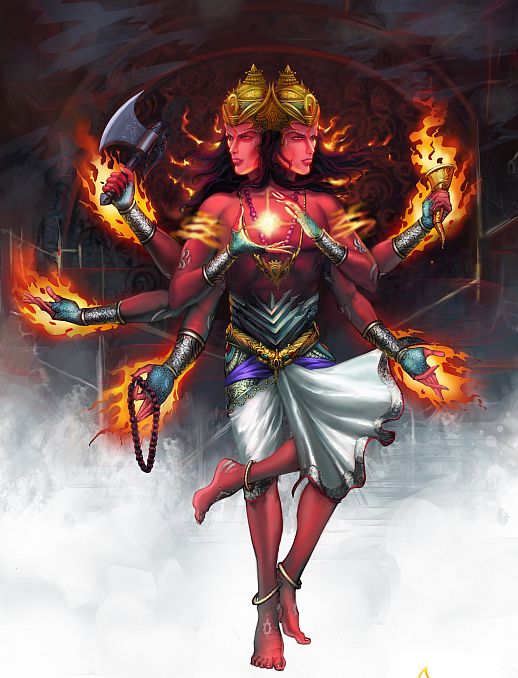
Agni, the Vedic deity of fire, occupies a central position in Vedic rituals. The Rigveda begins with a hymn addressed to Agni, highlighting his importance in the Vedic tradition.
In a Yajna or Hawan, Agni serves as the sacred medium through which offerings are presented alongside Vedic mantras. Traditionally, these offerings may include ghee, herbs, grains, and other prescribed materials, depending on the ritual.
Agni also carries symbolic significance. Fire transforms what is offered into another form, making it a powerful representation of purification, transformation, and the removal of negativity from one's thoughts and intentions.
The sacred fire reminds devotees that worship involves more than external offerings. It also encourages inner discipline, gratitude, and the willingness to let go of undesirable qualities.
In Vedic understanding, Agni connects the human act of offering with the divine realm. This is why fire remains essential to many traditional Hindu rituals.
3. Surya Dev: The Source of Light, Energy, and Life
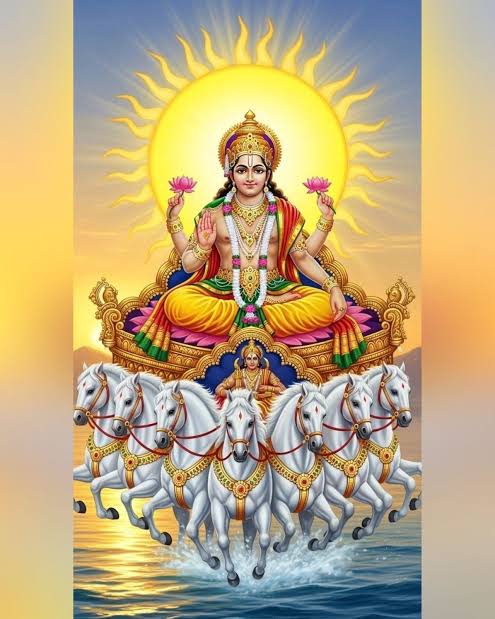
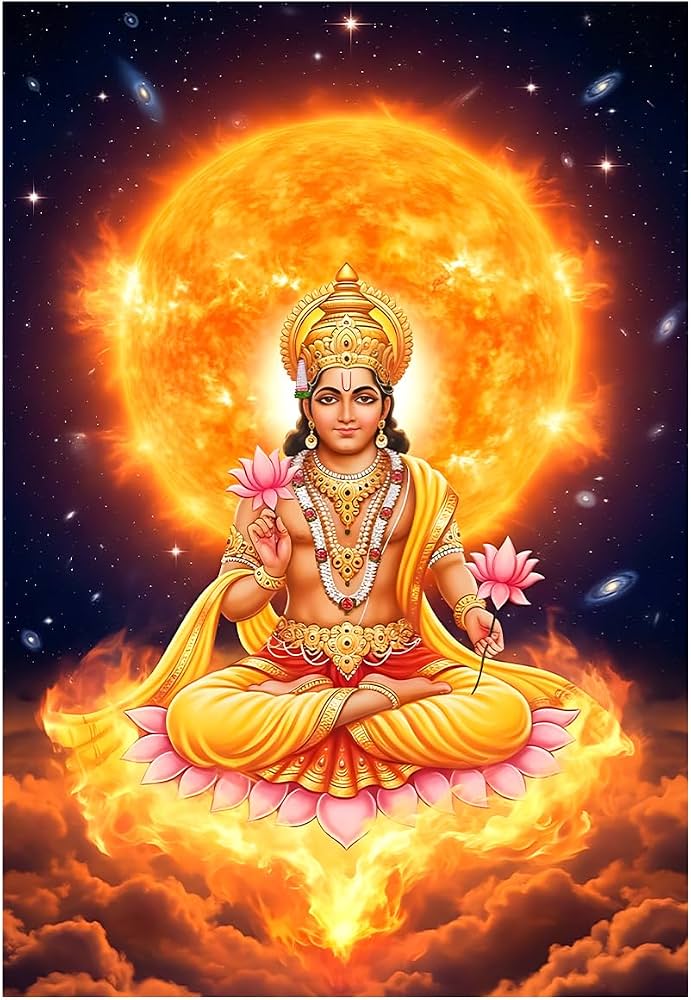
Surya Dev, the Sun God, holds a revered position in Sanatan Dharma. The Sun is associated with light, vitality, knowledge, and the rhythms that sustain life on Earth.
Vedic hymns celebrate the Sun as a visible manifestation of divine power. Sun worship is also connected with the pursuit of clarity, wisdom, discipline, and spiritual awakening.
The Sun's importance extends beyond religious symbolism. Sunlight supports photosynthesis, influences Earth's climate, and helps regulate natural cycles. These observable contributions to life offer a meaningful connection between traditional reverence for Surya and the natural world.
Practices such as offering Arghya to the rising Sun, reciting Surya mantras, and performing Surya-related rituals express gratitude for this life-sustaining force.
Surya Dev also represents illumination in a spiritual sense: the movement from ignorance towards knowledge and from confusion towards clarity.
4. How Mantra, Agni, and Surya Are Connected
The connection between Mantra, Agni, and Surya can be understood through their complementary roles in Vedic worship.
Mantra represents sacred sound and intention. It gives expression to prayer, devotion, and the spiritual purpose of the ritual.
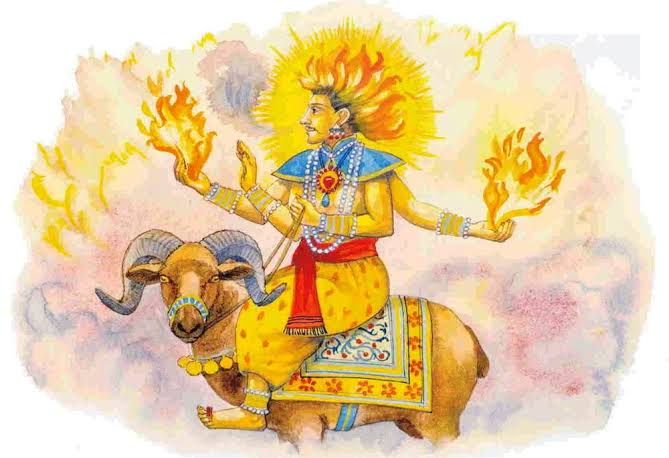
Agni represents transformation and the sacred offering. During a Hawan, the fire becomes the ritual medium through which offerings are presented with the chanting of mantras.
Surya represents light, vitality, and cosmic order. As the visible source of light and energy, the Sun is honoured in Vedic hymns and traditional worship.
These three elements come together in Surya-related Yajnas and Hawans. Mantras dedicated to Surya Dev may be recited while offerings are made into Agni, creating a ritual that combines sacred sound, fire, and devotion to the Sun.
Their connection is not limited to physical elements. Together, they express a broader Vedic understanding of harmony between human action, the natural world, and the divine.
5. The Role of Surya Mantras in Hawan
Surya mantras are an important part of several traditional forms of Sun worship. They express reverence for Surya Dev and invoke qualities associated with light, vitality, wisdom, and spiritual awareness.
During a Surya Hawan, prescribed mantras may be chanted while offerings are made into the sacred fire. The specific mantras, offerings, and procedures depend on the tradition and purpose of the ritual.
The practice brings together three essential aspects of worship: the recitation of sacred words, the symbolic transformation represented by fire, and devotion to the Sun.
However, the significance of a Hawan is not limited to the ritual itself. It also lies in the intention behind the worship, the discipline of participation, and the values that devotees carry into their daily lives.
Through such practices, Surya worship becomes an opportunity to reflect on gratitude, responsibility, and our relationship with the natural forces that sustain existence.
6. Anantkaal Surya Hawan: Bringing Vedic Tradition into Focus
The connection between Mantra, Agni, and Surya offers an important foundation for understanding the significance of Surya Hawan. It demonstrates how traditional Vedic worship brings together sacred sound, ritual fire, and reverence for the Sun.
Building on this spiritual connection, Bhaktinama and International Awareness for Sun (IAS) are bringing attention to the Anantkaal Hawan initiative, centred on the traditional significance of Surya worship and the role of the sacred fire in Vedic practice.
The initiative provides an opportunity for devotees to engage with a tradition that honours the Sun as a source of light, energy, and life while recognising the enduring spiritual importance of Vedic rituals.
For those interested in participating, Anantkaal Hawan slot booking is available through Bhaktinama. Devotees can visit the Bhaktinama website for booking information, available dates, and participation details.
By connecting traditional practices with contemporary awareness, the initiative seeks to encourage a deeper appreciation of Surya Dev and the cultural and spiritual heritage associated with Sun worship.
7. The Deeper Spiritual Meaning of This Connection
The relationship between Mantra, Agni, and Surya also offers a lesson that extends beyond the boundaries of ritual.
Mantra reminds us of the importance of our words and intentions. Agni symbolises the ability to transform and release what no longer serves us. Surya represents illumination, consistency, and the life-giving power of nature.
Together, they encourage devotees to cultivate clarity in thought, sincerity in action, and gratitude for the world around them.
A Vedic ritual can therefore serve as both an act of worship and a moment of reflection. Its deeper value lies in understanding the principles it represents and applying them through responsible actions, self-discipline, and respect for nature.
Conclusion
The connection between Mantra, Agni, and Surya is an important aspect of Vedic worship. Mantras provide sacred expression, Agni serves as the medium of ritual offerings, and Surya represents the light and vitality that sustain life.
When these elements come together in a Surya Hawan, they reflect the interconnected nature of devotion, transformation, and gratitude within Sanatan Dharma.
Through the Anantkaal Hawan initiative, Bhaktinama and International Awareness for Sun (IAS) aim to bring greater attention to the spiritual significance of Surya worship and the enduring relevance of Vedic traditions.
To learn more about the initiative and explore Anantkaal Hawan slot booking, visit Bhaktinama and discover how this traditional practice brings together the sacred fire, Vedic mantras, and devotion to Surya Dev.