December 13, 2025
Dieties/devta gan
6 min read
Lalita Shaktipeeth: The Eternal Seat of Divine Feminine Power
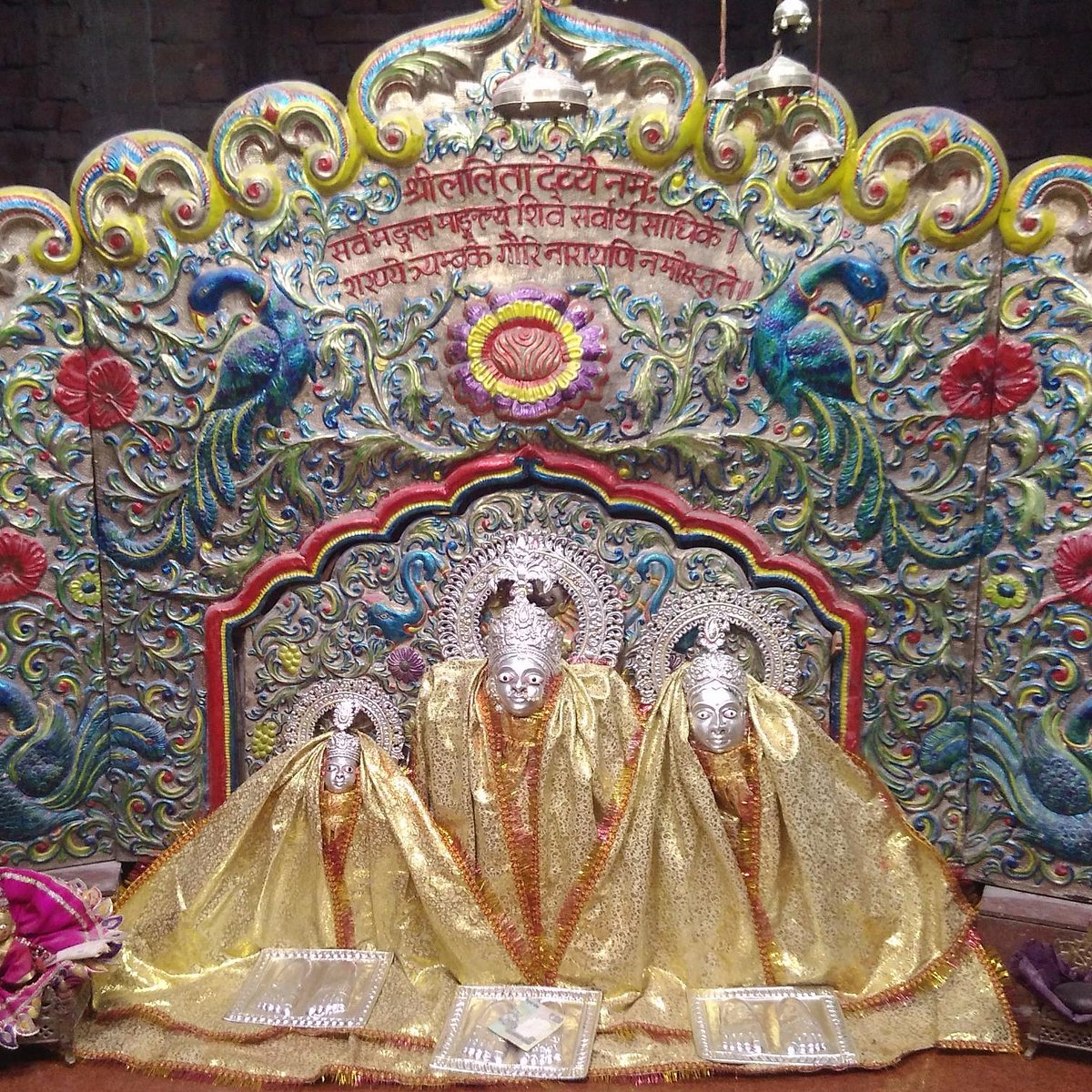
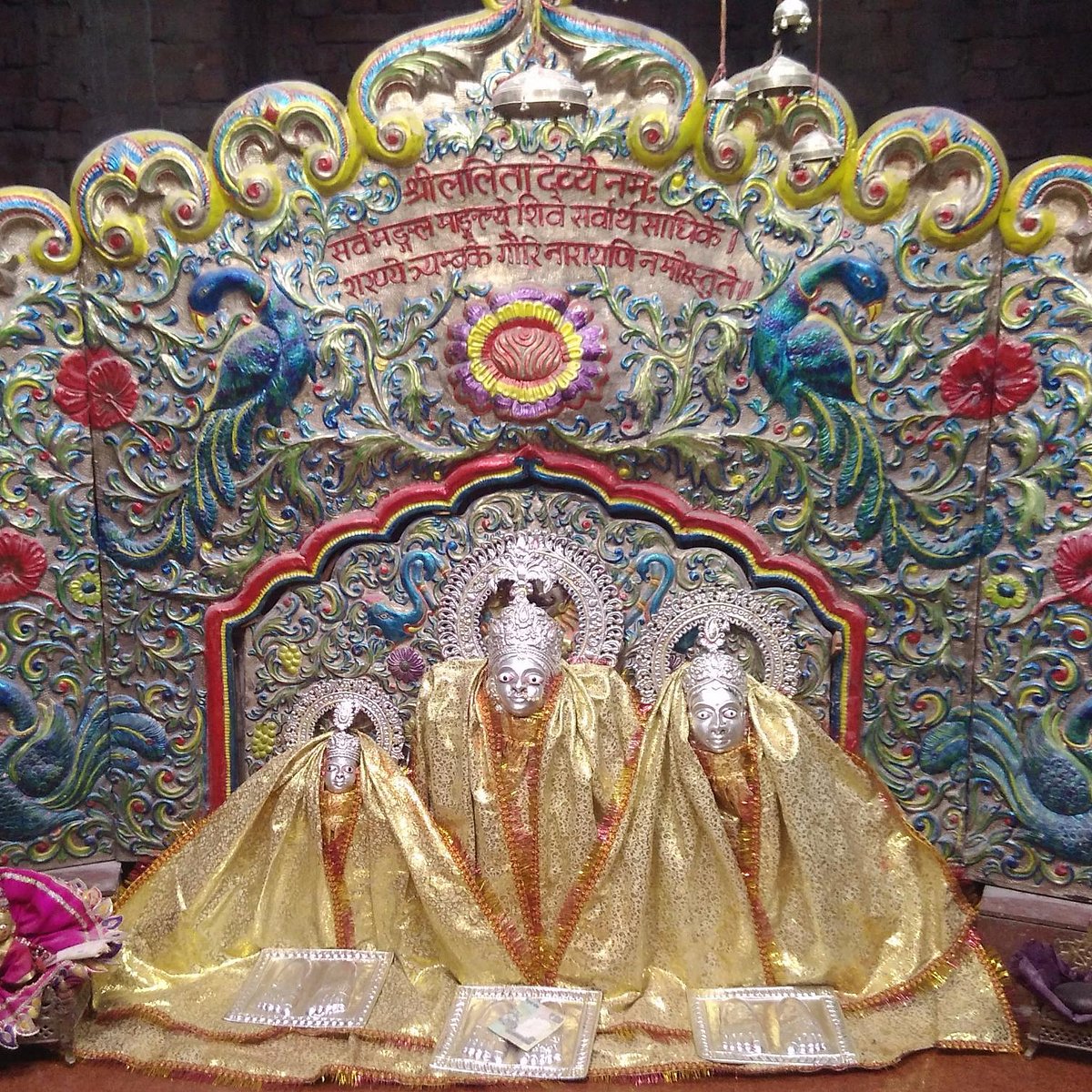
Lalita Shaktipeeth is a sacred seat of the Divine Feminine, associated with Goddess Lalita Tripura Sundari—the supreme embodiment of beauty, bliss, and cosmic sovereignty. Rooted deeply in Shakta philosophy and Sri Vidya tradition, this Shaktipeeth symbolizes the harmony of spiritual liberation and worldly fulfillment. More than a physical place, Lalita Shaktipeeth represents an inner awakening where devotion, wisdom, and divine grace converge.
India’s sacred geography is interwoven with stories of devotion, sacrifice, and cosmic balance. Among the most revered spiritual landmarks in Hindu tradition are the Shakti Peethas—power centers of the Divine Feminine, where Goddess Shakti is believed to eternally reside. Each Shakti Peetha is not merely a physical location but a living embodiment of cosmic energy, symbolizing the inseparable unity of Shakti (energy) and Shiva (consciousness).
Among these sacred sites, Lalita Shaktipeeth occupies a special and deeply esoteric place. Associated with Goddess Lalita Tripura Sundari, the supreme form of the Divine Mother, this Shaktipeeth represents beauty, wisdom, sovereignty, and transcendental bliss. Lalita is not only a goddess of devotion but also the philosophical embodiment of supreme reality in Shakta Tantra.
This blog explores the mythology, spiritual significance, philosophical depth, and devotional practices associated with Lalita Shaktipeeth, offering a comprehensive understanding of why this sacred seat continues to inspire seekers across generations.
Understanding Shakti Peethas: The Cosmic Map of the Divine Mother
The origin of Shakti Peethas lies in one of the most poignant stories in Hindu mythology—the self-immolation of Goddess Sati and the grief of Lord Shiva.
Sati, the daughter of King Daksha and consort of Shiva, sacrificed herself in protest against her father’s insult toward her husband. Overcome by sorrow, Shiva carried Sati’s lifeless body across the universe in a cosmic dance of destruction (Tandava). To restore balance, Lord Vishnu used his Sudarshan Chakra, causing Sati’s body to disintegrate. Wherever her body parts fell, powerful centers of Shakti emerged—these are the Shakti Peethas.
Different traditions enumerate 51, 52, or 108 Shakti Peethas, each associated with:
A form of the Goddess
A specific body part of Sati
A manifestation of Lord Shiva known as Bhairava
Lalita Shaktipeeth is revered as one such sacred center, where the energy of the Supreme Mother Lalita eternally manifests.
Who Is Goddess Lalita Tripura Sundari?
Goddess Lalita Tripura Sundari is among the highest manifestations of Shakti. She is described in sacred texts such as the Brahmanda Purana, Lalita Sahasranama, and Tripura Rahasya.
Meaning of Her Name:
Lalita – The playful, graceful, and spontaneous Divine Mother
Tripura – The ruler of the three worlds (physical, subtle, and causal)
Sundari – The embodiment of supreme beauty
She is often visualized as:
Seated on a throne supported by Brahma, Vishnu, Rudra, and Ishvara
Holding sugarcane bow, flower arrows, noose, and goad
Radiating bliss, authority, and compassion simultaneously
In Shakta philosophy, Lalita is not merely a deity—she is Brahman itself, the ultimate reality from which all creation arises and into which it dissolves.
Lalita Shaktipeeth: Mythology and Sacred Identity
Location and Traditions
The precise geographical identification of Lalita Shaktipeeth varies across texts and regional traditions. Some traditions associate Lalita Shaktipeeth with Prayagraj (Allahabad)—the sacred confluence of the Ganga, Yamuna, and the mythical Saraswati—while others emphasize its tantric and metaphysical location beyond physical geography.
This diversity of belief reflects a deeper truth in Shakta tradition: a Shaktipeeth exists wherever the Goddess is worshipped with realization and devotion.
Associated Body Part and Bhairava
According to certain lists of Shakti Peethas:
The fingers (or in some traditions, another subtle aspect) of Goddess Sati are believed to have fallen here
The presiding Bhairava is sometimes identified as Bhava or Shiva in his witnessing form
These variations do not diminish the sanctity of Lalita Shaktipeeth; instead, they highlight its esoteric nature, deeply rooted in tantric realization rather than mere geography.
Lalita Shaktipeeth and Sri Vidya Tradition
One cannot speak of Lalita Shaktipeeth without understanding its intimate connection with Sri Vidya, one of the most profound and secretive tantric systems in Hinduism.
Sri Chakra: The Living Form of Lalita
At the heart of Sri Vidya is the Sri Chakra (Sri Yantra)—a complex geometric diagram that represents:
The entire cosmos
The human body
The journey of the soul toward liberation
Lalita Tripura Sundari is the presiding deity of the Sri Chakra. Worship at Lalita Shaktipeeth is often understood symbolically as entering the Sri Chakra itself, moving from the outer material world toward the innermost point (Bindu), where union with the Divine occurs.
Spiritual Significance of Lalita Shaktipeeth
Lalita Shaktipeeth represents more than ritual worship—it signifies inner awakening.
Key Spiritual Themes:
Sovereignty of the Divine Feminine – Lalita rules effortlessly, not through force but through harmony
Balance of Bhoga and Moksha – Worldly prosperity and spiritual liberation coexist
Grace over austerity – Lalita responds to love, beauty, and devotion
Devotees believe that sincere worship here:
Removes deep-rooted karmic blockages
Awakens higher consciousness
Bestows clarity, creativity, and fearlessness
Rituals, Worship, and Devotion
Lalita Sahasranama
The most sacred devotional practice associated with Lalita is the chanting of the Lalita Sahasranama, the thousand names of the Goddess. Each name reveals a cosmic truth and vibrates with transformative power.
Fridays and Navaratri
Fridays are especially auspicious for Lalita worship
Sharad Navaratri is considered her most powerful festival
Offerings
Red flowers
Kumkum and sandalwood
Sugar, honey, and fruits (symbolizing sweetness and abundance)
In tantric traditions, worship is often internal, involving mantra, visualization, and meditation rather than external rituals alone.
Lalita Shaktipeeth in Philosophy and Symbolism
Philosophically, Lalita Shaktipeeth stands for the realization that:
The universe is not born of suffering, but of bliss.
Lalita’s smile represents Ananda (divine bliss), and her play (Lila) is the spontaneous expression of consciousness.
She dissolves the false duality between:
Sacred and worldly
Beauty and truth
Desire and liberation
In her presence, the seeker learns that life itself is a sacred ritual.
Relevance of Lalita Shaktipeeth in Modern Times
In today’s world—marked by stress, fragmentation, and imbalance—the message of Lalita Shaktipeeth is deeply relevant.
She teaches:
Power rooted in compassion
Leadership without domination
Spirituality that embraces life, not rejects it
For modern seekers, Lalita is a reminder that awakening does not require withdrawal from the world, but a deeper, more conscious participation in it.
Conclusion: The Eternal Throne of the Supreme Mother
Lalita Shaktipeeth is not confined to stone, temple, or geography. It exists wherever the Divine Feminine is recognized as the ultimate reality, wherever beauty is honored as sacred, and wherever devotion flows without fear.
To meditate on Lalita is to remember that the universe is held together not by force, but by grace, intelligence, and love.
In the words of the Shakta tradition, Lalita reigns eternally—not because she conquers, but because everything willingly belongs to her.
Among these sacred sites, Lalita Shaktipeeth occupies a special and deeply esoteric place. Associated with Goddess Lalita Tripura Sundari, the supreme form of the Divine Mother, this Shaktipeeth represents beauty, wisdom, sovereignty, and transcendental bliss. Lalita is not only a goddess of devotion but also the philosophical embodiment of supreme reality in Shakta Tantra.
This blog explores the mythology, spiritual significance, philosophical depth, and devotional practices associated with Lalita Shaktipeeth, offering a comprehensive understanding of why this sacred seat continues to inspire seekers across generations.
Understanding Shakti Peethas: The Cosmic Map of the Divine Mother
The origin of Shakti Peethas lies in one of the most poignant stories in Hindu mythology—the self-immolation of Goddess Sati and the grief of Lord Shiva.
Sati, the daughter of King Daksha and consort of Shiva, sacrificed herself in protest against her father’s insult toward her husband. Overcome by sorrow, Shiva carried Sati’s lifeless body across the universe in a cosmic dance of destruction (Tandava). To restore balance, Lord Vishnu used his Sudarshan Chakra, causing Sati’s body to disintegrate. Wherever her body parts fell, powerful centers of Shakti emerged—these are the Shakti Peethas.
Different traditions enumerate 51, 52, or 108 Shakti Peethas, each associated with:
A form of the Goddess
A specific body part of Sati
A manifestation of Lord Shiva known as Bhairava
Lalita Shaktipeeth is revered as one such sacred center, where the energy of the Supreme Mother Lalita eternally manifests.
Who Is Goddess Lalita Tripura Sundari?
Goddess Lalita Tripura Sundari is among the highest manifestations of Shakti. She is described in sacred texts such as the Brahmanda Purana, Lalita Sahasranama, and Tripura Rahasya.
Meaning of Her Name:
Lalita – The playful, graceful, and spontaneous Divine Mother
Tripura – The ruler of the three worlds (physical, subtle, and causal)
Sundari – The embodiment of supreme beauty
She is often visualized as:
Seated on a throne supported by Brahma, Vishnu, Rudra, and Ishvara
Holding sugarcane bow, flower arrows, noose, and goad
Radiating bliss, authority, and compassion simultaneously
In Shakta philosophy, Lalita is not merely a deity—she is Brahman itself, the ultimate reality from which all creation arises and into which it dissolves.
Lalita Shaktipeeth: Mythology and Sacred Identity
Location and Traditions
The precise geographical identification of Lalita Shaktipeeth varies across texts and regional traditions. Some traditions associate Lalita Shaktipeeth with Prayagraj (Allahabad)—the sacred confluence of the Ganga, Yamuna, and the mythical Saraswati—while others emphasize its tantric and metaphysical location beyond physical geography.
This diversity of belief reflects a deeper truth in Shakta tradition: a Shaktipeeth exists wherever the Goddess is worshipped with realization and devotion.
Associated Body Part and Bhairava
According to certain lists of Shakti Peethas:
The fingers (or in some traditions, another subtle aspect) of Goddess Sati are believed to have fallen here
The presiding Bhairava is sometimes identified as Bhava or Shiva in his witnessing form
These variations do not diminish the sanctity of Lalita Shaktipeeth; instead, they highlight its esoteric nature, deeply rooted in tantric realization rather than mere geography.
Lalita Shaktipeeth and Sri Vidya Tradition
One cannot speak of Lalita Shaktipeeth without understanding its intimate connection with Sri Vidya, one of the most profound and secretive tantric systems in Hinduism.
Sri Chakra: The Living Form of Lalita
At the heart of Sri Vidya is the Sri Chakra (Sri Yantra)—a complex geometric diagram that represents:
The entire cosmos
The human body
The journey of the soul toward liberation
Lalita Tripura Sundari is the presiding deity of the Sri Chakra. Worship at Lalita Shaktipeeth is often understood symbolically as entering the Sri Chakra itself, moving from the outer material world toward the innermost point (Bindu), where union with the Divine occurs.
Spiritual Significance of Lalita Shaktipeeth
Lalita Shaktipeeth represents more than ritual worship—it signifies inner awakening.
Key Spiritual Themes:
Sovereignty of the Divine Feminine – Lalita rules effortlessly, not through force but through harmony
Balance of Bhoga and Moksha – Worldly prosperity and spiritual liberation coexist
Grace over austerity – Lalita responds to love, beauty, and devotion
Devotees believe that sincere worship here:
Removes deep-rooted karmic blockages
Awakens higher consciousness
Bestows clarity, creativity, and fearlessness
Rituals, Worship, and Devotion
Lalita Sahasranama
The most sacred devotional practice associated with Lalita is the chanting of the Lalita Sahasranama, the thousand names of the Goddess. Each name reveals a cosmic truth and vibrates with transformative power.
Fridays and Navaratri
Fridays are especially auspicious for Lalita worship
Sharad Navaratri is considered her most powerful festival
Offerings
Red flowers
Kumkum and sandalwood
Sugar, honey, and fruits (symbolizing sweetness and abundance)
In tantric traditions, worship is often internal, involving mantra, visualization, and meditation rather than external rituals alone.
Lalita Shaktipeeth in Philosophy and Symbolism
Philosophically, Lalita Shaktipeeth stands for the realization that:
The universe is not born of suffering, but of bliss.
Lalita’s smile represents Ananda (divine bliss), and her play (Lila) is the spontaneous expression of consciousness.
She dissolves the false duality between:
Sacred and worldly
Beauty and truth
Desire and liberation
In her presence, the seeker learns that life itself is a sacred ritual.
Relevance of Lalita Shaktipeeth in Modern Times
In today’s world—marked by stress, fragmentation, and imbalance—the message of Lalita Shaktipeeth is deeply relevant.
She teaches:
Power rooted in compassion
Leadership without domination
Spirituality that embraces life, not rejects it
For modern seekers, Lalita is a reminder that awakening does not require withdrawal from the world, but a deeper, more conscious participation in it.
Conclusion: The Eternal Throne of the Supreme Mother
Lalita Shaktipeeth is not confined to stone, temple, or geography. It exists wherever the Divine Feminine is recognized as the ultimate reality, wherever beauty is honored as sacred, and wherever devotion flows without fear.
To meditate on Lalita is to remember that the universe is held together not by force, but by grace, intelligence, and love.
In the words of the Shakta tradition, Lalita reigns eternally—not because she conquers, but because everything willingly belongs to her.