

December 10, 2025
Dieties/devta gan
5 min read
The Significance of White Color in Hinduism: Purity, Peace & Transcendence
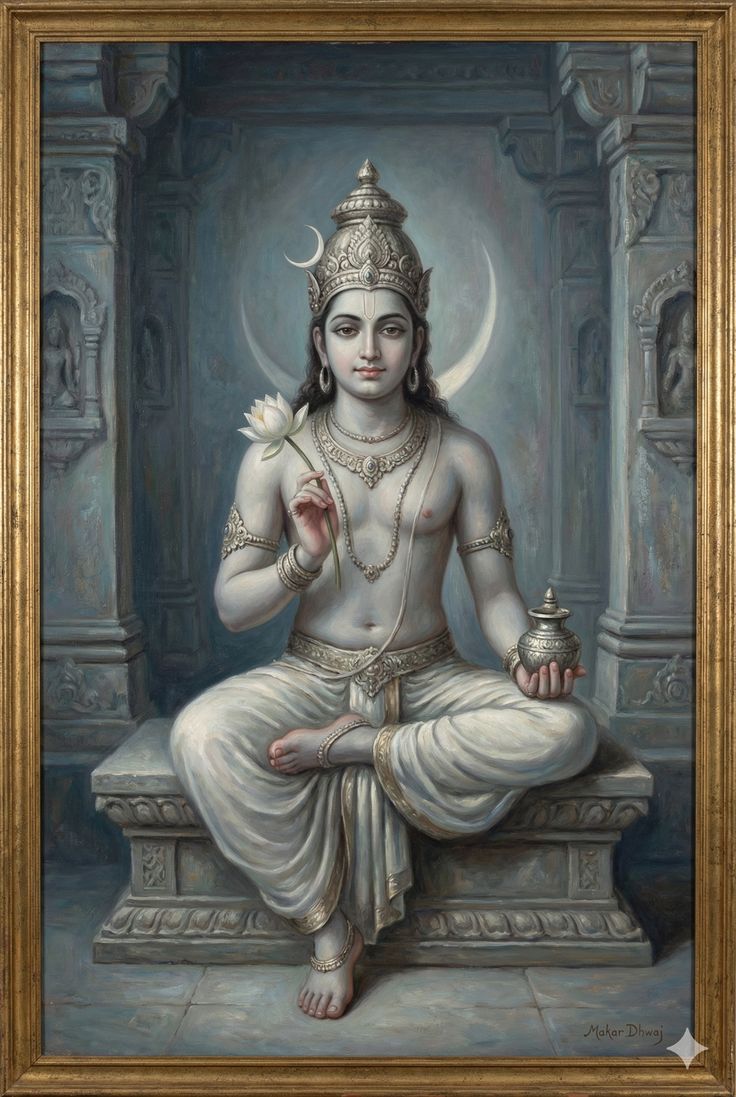
White holds a sacred place in Hinduism as the color of purity, peace, and spiritual clarity. From the serene image of Goddess Saraswati to the simple garments worn during rituals and mourning, white symbolizes truth, harmony, and detachment. It encourages a mind free from ego and negativity, guiding devotees toward inner stillness and enlightenment.
Color is deeply woven into the cultural and spiritual fabric of Hinduism, and among all hues, white holds a uniquely sacred place. It is not just a shade but a profound symbol that touches every aspect of Hindu life—from rituals and festivals to philosophy and daily practice.
In Hindu thought, white is more than the absence of color; it represents the highest ideals of purity, truth, and spiritual liberation.
At Bhaktinama, we not only share spiritual knowledge but also make your devotional journey
easier through modern, accessible services like online pandit booking, online temple booking,
ordering puja samagri online.
1. Symbol of Purity and Cleanliness
White in Hinduism primarily signifies śuddhatā (purity).
It’s the color of freshly washed garments and unblemished offerings, reminding devotees that spiritual practice begins with internal and external cleanliness.
Priests often wear white during rituals to symbolize a pure state of mind.
Many sacred objects—like milk, rice, and conch shells—are white, reinforcing the association with purity.
White becomes a visual reminder that purity is not merely physical but deeply moral and spiritual.
2. Represents Peace and Non-Violence
In Hindu thought, white is also the color of shanti (peace).
The serene hue calms the mind and promotes clarity, making it ideal for meditation and spiritual reflection.
White ash (vibhuti) applied to the forehead represents the burning away of ego.
White flags in temples or processions signify harmony and non-violence.
It reflects the inner stillness one seeks on the spiritual path.
At Bhaktinama, these rituals are made easy with our online booking services, which include
pandit booking, temple booking, ordering ingredients, and guidance for performing any ritual all
at your fingertips.
3. Color of Knowledge and Truth
The goddess Saraswati, deity of wisdom, music, and learning, is almost always depicted in white—white sari, white lotus, and a swan as her vehicle.
This highlights white as the color of true knowledge—not academic information alone but spiritual insight and purity of thought.
To seek knowledge in Hinduism is to clear the mind of impurities, making white a fitting symbol of intellectual and moral clarity.
4. Symbol of Sattva – The Highest Quality of Nature
In the philosophy of Sankhya and Ayurveda, all of nature operates through three gunas (qualities):
Sattva – purity, harmony, truth
Rajas – activity, passion
Tamas – ignorance, inertia
White is the color of sattva, the quality most conducive to spiritual growth.
A sattvic lifestyle—simple food, honest living, meditation—is often symbolized by wearing or using white.
Bhaktinama Services: Making Your Vrat Easy and Divine
In today’s fast-paced life, maintaining traditional rituals can be challenging. Bhaktinama bridges
this gap by combining devotion with convenience, ensuring that your Kamada Ekadashi
observance becomes smooth and stress-free.
● Online Temple Booking: Devotees can book darshan or special पजू ा at renowned
temples from the comfort of their home, ensuring participation even when travel is not
possible.
● Online Pandit Booking: Arrange experienced and verified pandits for Ekadashi पजू ा,
vrat katha, and rituals at your home with ease and authenticity.
● Puja Samagri (Ingredients) Ordering: Get all essential पजू ा items—like incense, diya,
fruits, and sacred सामग्री—delivered to your doorstep without hassle.
● Personalized Ritual Guidance: Step-by-step assistance and guidance help even
beginners perform Kamada Ekadashi vrat correctly.
With Bhaktinama, devotion is no longer limited by time, distance, or availability—it becomes
accessible to everyone.
5. The Spiritual Meaning of White in Death and Renunciation
White also plays a central role in mourning and renunciation.
In Mourning
In many Hindu communities, widows and mourners wear white to represent:
detachment from earthly pleasures,
acceptance of life’s impermanence,
a return to spiritual introspection.
White here is not somber but symbolic of a deeper journey toward acceptance and inner peace.
For Ascetics and Yogis
Sages and monks often wear white (or saffron) to show they have:
renounced worldly attachments,
embraced simplicity,
dedicated themselves to spiritual truth.
White thus reflects the renunciate’s commitment to transcendence.
6. Associated with Sacredness in Rituals
Many rituals incorporate white elements:
White flowers like jasmine or lotus are offered to gods.
White cloth is used to wrap sacred objects.
White threads (such as the sacred janeu) symbolize vows, discipline, and purity.
In festivals like Makar Sankranti or Guru Purnima, devotees often wear white to honor the sanctity of the occasion.
Platforms like Bhaktinama further enhance this journey by making spiritual practices simpler,
accessible, and more meaningful in modern life. Online booking of pandits, temple, पजू ा सामग्री
delivery all just one tap away.
7. A Color That Represents The Cosmic Beginning
Hindu cosmology often describes the origin of creation emerging from pure, undifferentiated light—symbolically close to white.
This aligns white with concepts of:
the ultimate reality,
the infinite,
and the oneness of existence.
White becomes a metaphor for the cosmic source from which all colors (and all life) emanate.
In Hinduism, white is not just a color—it is a philosophy.
It embodies purity, peace, truth, and spiritual awakening. Whether worn during worship, used in rituals, or embraced in times of mourning, white consistently points toward higher ideals.
With Bhaktinama’s modern services like online temple booking, pandit booking, and पजू ा सामग्री
delivery, your spiritual practices become effortless and deeply fulfilling. Stay connected with
Bhaktinama to experience devotion in the most convenient and authentic way.
It invites us to live with clarity, cultivate inner calm, and pursue the path of truth—a timeless reminder that the purest light often shines from within.
Book experienced pandits online for all Hindu puja rituals with Bhaktinama – simple, reliable, and authentic.
In Hindu thought, white is more than the absence of color; it represents the highest ideals of purity, truth, and spiritual liberation.
At Bhaktinama, we not only share spiritual knowledge but also make your devotional journey
easier through modern, accessible services like online pandit booking, online temple booking,
ordering puja samagri online.
1. Symbol of Purity and Cleanliness
White in Hinduism primarily signifies śuddhatā (purity).
It’s the color of freshly washed garments and unblemished offerings, reminding devotees that spiritual practice begins with internal and external cleanliness.
Priests often wear white during rituals to symbolize a pure state of mind.
Many sacred objects—like milk, rice, and conch shells—are white, reinforcing the association with purity.
White becomes a visual reminder that purity is not merely physical but deeply moral and spiritual.
2. Represents Peace and Non-Violence
In Hindu thought, white is also the color of shanti (peace).
The serene hue calms the mind and promotes clarity, making it ideal for meditation and spiritual reflection.
White ash (vibhuti) applied to the forehead represents the burning away of ego.
White flags in temples or processions signify harmony and non-violence.
It reflects the inner stillness one seeks on the spiritual path.
At Bhaktinama, these rituals are made easy with our online booking services, which include
pandit booking, temple booking, ordering ingredients, and guidance for performing any ritual all
at your fingertips.
3. Color of Knowledge and Truth
The goddess Saraswati, deity of wisdom, music, and learning, is almost always depicted in white—white sari, white lotus, and a swan as her vehicle.
This highlights white as the color of true knowledge—not academic information alone but spiritual insight and purity of thought.
To seek knowledge in Hinduism is to clear the mind of impurities, making white a fitting symbol of intellectual and moral clarity.
4. Symbol of Sattva – The Highest Quality of Nature
In the philosophy of Sankhya and Ayurveda, all of nature operates through three gunas (qualities):
Sattva – purity, harmony, truth
Rajas – activity, passion
Tamas – ignorance, inertia
White is the color of sattva, the quality most conducive to spiritual growth.
A sattvic lifestyle—simple food, honest living, meditation—is often symbolized by wearing or using white.
Bhaktinama Services: Making Your Vrat Easy and Divine
In today’s fast-paced life, maintaining traditional rituals can be challenging. Bhaktinama bridges
this gap by combining devotion with convenience, ensuring that your Kamada Ekadashi
observance becomes smooth and stress-free.
● Online Temple Booking: Devotees can book darshan or special पजू ा at renowned
temples from the comfort of their home, ensuring participation even when travel is not
possible.
● Online Pandit Booking: Arrange experienced and verified pandits for Ekadashi पजू ा,
vrat katha, and rituals at your home with ease and authenticity.
● Puja Samagri (Ingredients) Ordering: Get all essential पजू ा items—like incense, diya,
fruits, and sacred सामग्री—delivered to your doorstep without hassle.
● Personalized Ritual Guidance: Step-by-step assistance and guidance help even
beginners perform Kamada Ekadashi vrat correctly.
With Bhaktinama, devotion is no longer limited by time, distance, or availability—it becomes
accessible to everyone.
5. The Spiritual Meaning of White in Death and Renunciation
White also plays a central role in mourning and renunciation.
In Mourning
In many Hindu communities, widows and mourners wear white to represent:
detachment from earthly pleasures,
acceptance of life’s impermanence,
a return to spiritual introspection.
White here is not somber but symbolic of a deeper journey toward acceptance and inner peace.
For Ascetics and Yogis
Sages and monks often wear white (or saffron) to show they have:
renounced worldly attachments,
embraced simplicity,
dedicated themselves to spiritual truth.
White thus reflects the renunciate’s commitment to transcendence.
6. Associated with Sacredness in Rituals
Many rituals incorporate white elements:
White flowers like jasmine or lotus are offered to gods.
White cloth is used to wrap sacred objects.
White threads (such as the sacred janeu) symbolize vows, discipline, and purity.
In festivals like Makar Sankranti or Guru Purnima, devotees often wear white to honor the sanctity of the occasion.
Platforms like Bhaktinama further enhance this journey by making spiritual practices simpler,
accessible, and more meaningful in modern life. Online booking of pandits, temple, पजू ा सामग्री
delivery all just one tap away.
7. A Color That Represents The Cosmic Beginning
Hindu cosmology often describes the origin of creation emerging from pure, undifferentiated light—symbolically close to white.
This aligns white with concepts of:
the ultimate reality,
the infinite,
and the oneness of existence.
White becomes a metaphor for the cosmic source from which all colors (and all life) emanate.
In Hinduism, white is not just a color—it is a philosophy.
It embodies purity, peace, truth, and spiritual awakening. Whether worn during worship, used in rituals, or embraced in times of mourning, white consistently points toward higher ideals.
With Bhaktinama’s modern services like online temple booking, pandit booking, and पजू ा सामग्री
delivery, your spiritual practices become effortless and deeply fulfilling. Stay connected with
Bhaktinama to experience devotion in the most convenient and authentic way.
It invites us to live with clarity, cultivate inner calm, and pursue the path of truth—a timeless reminder that the purest light often shines from within.
Book experienced pandits online for all Hindu puja rituals with Bhaktinama – simple, reliable, and authentic.