
November 01, 2026
Anantkaal Hawan
6 min read
What Does an Ahuti Symbolize in Vedic Tradition? | Bhaktinama
Discover what Ahuti symbolizes in Vedic tradition, its spiritual meaning, connection with Agni Dev, selflessness, surrender, and the significance of offerings in Vedic Havan.
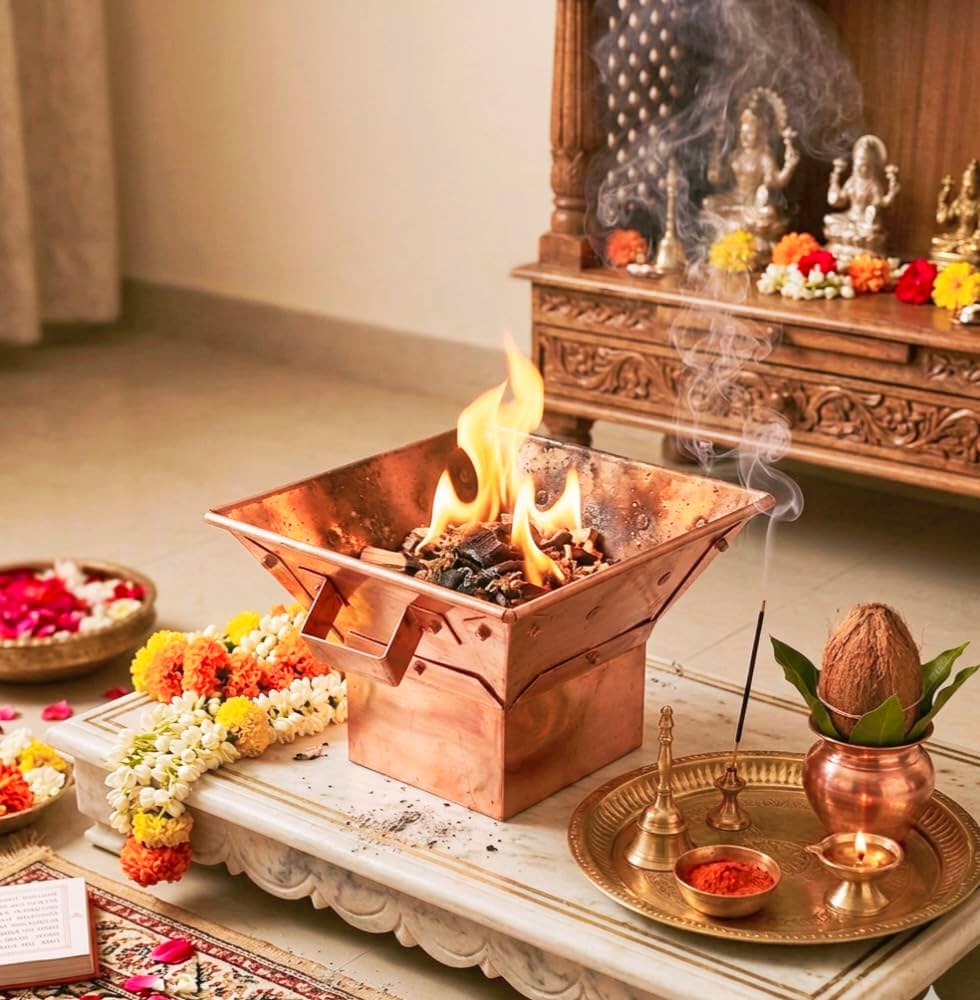
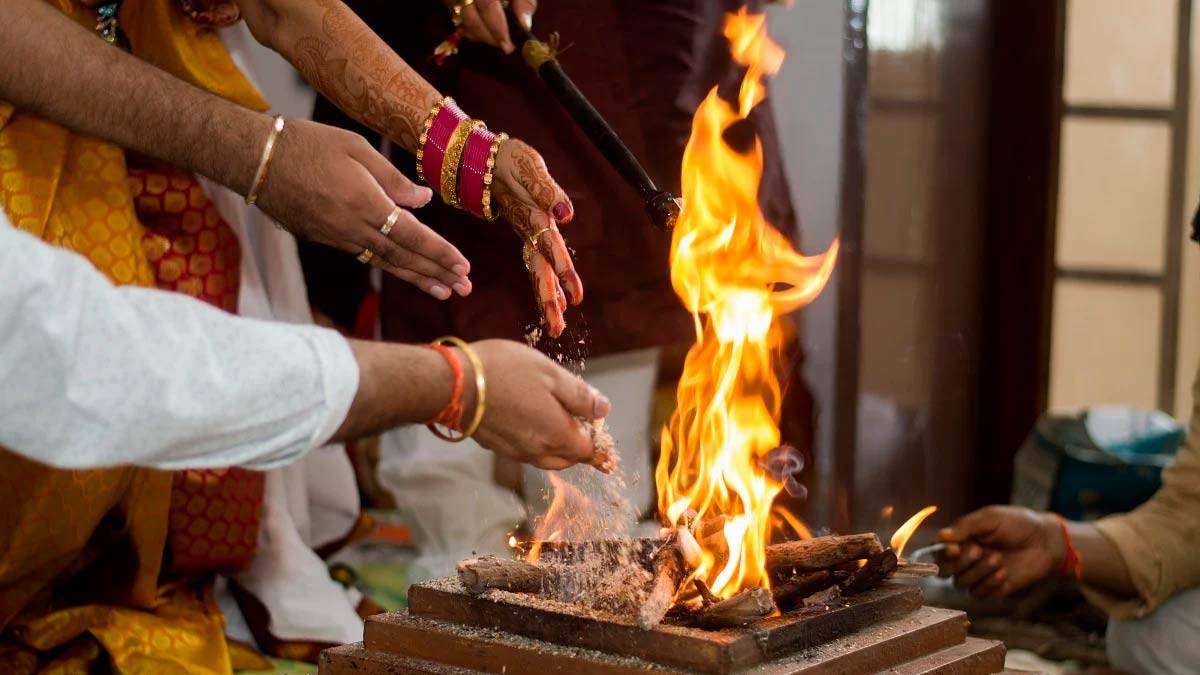
In Sanatan Dharma, the practice of offering Ahuti during a Havan or Yajna holds a special spiritual significance. Every time a devotee offers ghee, herbs, grains, or other sacred materials into the holy fire while chanting Vedic mantras, the act represents much more than a traditional religious ritual.
An Ahuti is a symbol of devotion, surrender, sacrifice, and gratitude towards the divine. It reflects the Vedic understanding that spiritual growth comes not only through prayers but also through selfless actions and the willingness to give.
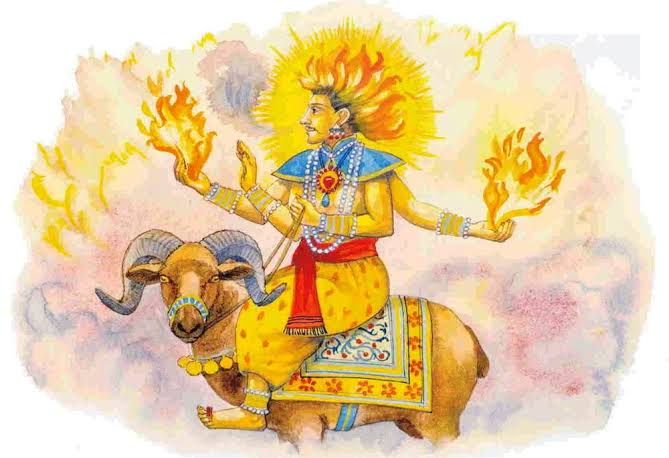
The sacred fire, known as Agni Dev, serves as the divine medium through which these offerings are presented. But what does each Ahuti truly represent? Understanding its symbolism helps us appreciate the deeper philosophy behind Vedic Havan.
Ahuti Symbolizes Surrender to the Divine
One of the most important meanings of Ahuti in Vedic tradition is surrender.
When devotees offer something into the sacred fire, they symbolically surrender their possessions and attachments to the divine. It represents the belief that everything in life ultimately comes from a higher source.
This surrender is not limited to physical offerings. It also encourages individuals to let go of ego, selfishness, excessive desires, and negative thoughts.
The act of offering Ahuti reminds us that devotion involves placing our faith in the divine and performing our duties with sincerity rather than being attached to the results.
Ahuti Represents Sacrifice and Selflessness
The concept of sacrifice, known as Tyaga, is deeply connected with the philosophy of Yajna.
In Vedic tradition, Yajna teaches the importance of giving for a greater purpose. When something valuable is offered into the fire, it symbolises the willingness to contribute rather than simply receive.
This principle extends beyond religious ceremonies. It reminds individuals to practise generosity, help others, and work towards the welfare of society.
The Bhagavad Gita also explains the importance of Yajna and selfless action. Chapter 3 highlights how Yajna is connected with the natural cycle of life and the responsibility of individuals towards the larger world.
Thus, every Ahuti represents the spirit of giving without selfish expectations.
Ahuti Symbolizes Purification and Transformation
Fire has long been associated with purification and transformation in Vedic philosophy.
During a Havan, the materials offered into Agni undergo a physical transformation. Spiritually, this process is understood as a reminder of the transformation that individuals should seek within themselves.
Just as offerings are placed into the sacred fire, devotees are encouraged to offer their anger, greed, jealousy, pride, and negative tendencies.
The purpose is to develop qualities such as patience, compassion, discipline, kindness, and wisdom.
Therefore, Ahuti is not merely an external offering; it also represents an inner journey towards self-improvement and spiritual purification.
Ahuti Represents Gratitude Towards Nature and the Divine
Vedic traditions recognise the interconnected relationship between human beings, nature, and the divine.
The materials used in Havan often come from natural sources, including plants, grains, wood, and ghee. Offering these materials reflects gratitude towards the natural elements that sustain life.
Agni, Vayu, Jal, Prithvi, and Akash are important elements in the traditional understanding of the universe.
Similarly, Surya Dev is worshipped as the source of light, energy, and life.
Through Ahuti, devotees express gratitude for the blessings they receive and acknowledge their connection with the natural world.
This makes the ritual a reminder that human life depends on the continuous relationship between nature and all living beings.
Ahuti Symbolizes Communication Through Agni Dev
In Vedic tradition, Agni Dev holds a unique position as the divine messenger who carries offerings to the deities.
The Rigveda begins with a hymn dedicated to Agni, reflecting the central role of fire in Vedic worship.
During a Yajna, offerings are placed into the sacred fire while specific mantras are recited. Agni is traditionally regarded as the medium through which these offerings reach the divine.
The word Swaha, commonly chanted while offering Ahuti, marks the completion of the offering mantra.
This combination of mantra, fire, and offering creates an important spiritual connection between the devotee and the divine.
Ahuti Represents Collective Welfare (Lok Kalyan)
Vedic Yajna is not always performed for individual wishes or personal benefits. Many traditional prayers express the desire for peace, prosperity, harmony, and the welfare of all living beings.
The concept of Lok Kalyan reflects the idea that spiritual practices should contribute to the greater good.
When devotees participate in a Havan, they may offer prayers for their families, communities, nature, and the world.
This gives Ahuti a broader meaning. It becomes a symbol of collective responsibility and the understanding that individual well-being is connected with the well-being of others.
The traditional prayer Sarve Bhavantu Sukhinah expresses this spirit of universal welfare.
Why Mantra and Intention Matter While Offering Ahuti
An Ahuti is traditionally accompanied by the chanting of Vedic mantras. These mantras provide a sacred structure to the ritual and help devotees maintain concentration and devotion.
However, the spiritual significance of an offering is also closely associated with the intention behind it.
A meaningful Havan involves:
* Shraddha: Performing the ritual with faith and devotion.
* Samarpan: Offering with a feeling of surrender.
* Shuddhi: Maintaining purity of thoughts and intentions.
* Tyaga: Developing the ability to let go of selfish attachments.
* Lok Kalyan: Praying for the welfare of all.
Together, these values explain why Ahuti is considered an important part of Vedic worship.
The Significance of Ahuti in Anantkaal Surya Hawan
The symbolism of Ahuti becomes particularly meaningful in rituals dedicated to Surya Dev.
In Sanatan Dharma, Surya Dev is revered as the source of light, vitality, and life. Offering prayers to the Sun is an ancient Vedic practice that reflects gratitude towards the force that sustains life on Earth.
The Anantkaal Surya Hawan, an initiative by Bhaktinama and International Awareness for Sun (IAS), brings attention to the spiritual importance of Surya worship and the traditional practice of Vedic Havan.
Through this initiative, the offering of Ahuti represents devotion towards Surya Dev, gratitude for the Sun's contribution to life, and prayers for collective well-being.
It also encourages devotees to understand the deeper philosophy behind Havan rituals, where every offering carries a symbolic message of surrender, gratitude, and selfless devotion.
By participating in Anantkaal Surya Hawan, devotees can connect with this timeless tradition and become part of an initiative that brings together Vedic values and the significance of Surya worship.
Conclusion
In Vedic tradition, Ahuti is much more than an offering made into a sacred fire. It symbolises surrender, sacrifice, purification, gratitude, and the spirit of selfless giving.
Every Ahuti carries a reminder that true spirituality is not limited to performing rituals but also involves transforming our thoughts, actions, and intentions.
The sacred fire teaches us that just as an offering undergoes transformation through Agni, individuals must also work towards becoming more compassionate, disciplined, and conscious.
Through traditional practices and initiatives such as Anantkaal Surya Hawan by Bhaktinama and International Awareness for Sun (IAS), the deeper meaning of Vedic offerings continues to inspire devotion and a sense of responsibility towards the larger world.