
November 01, 2026
Anantkaal Hawan
7 min read
Spiritual Meaning of Offering Ahuti in Vedic Havan | Bhaktinama
Understand the spiritual meaning of offering Ahuti in Vedic Havan, its significance, symbolism, and the role of Agni Dev in Sanatan Dharma.
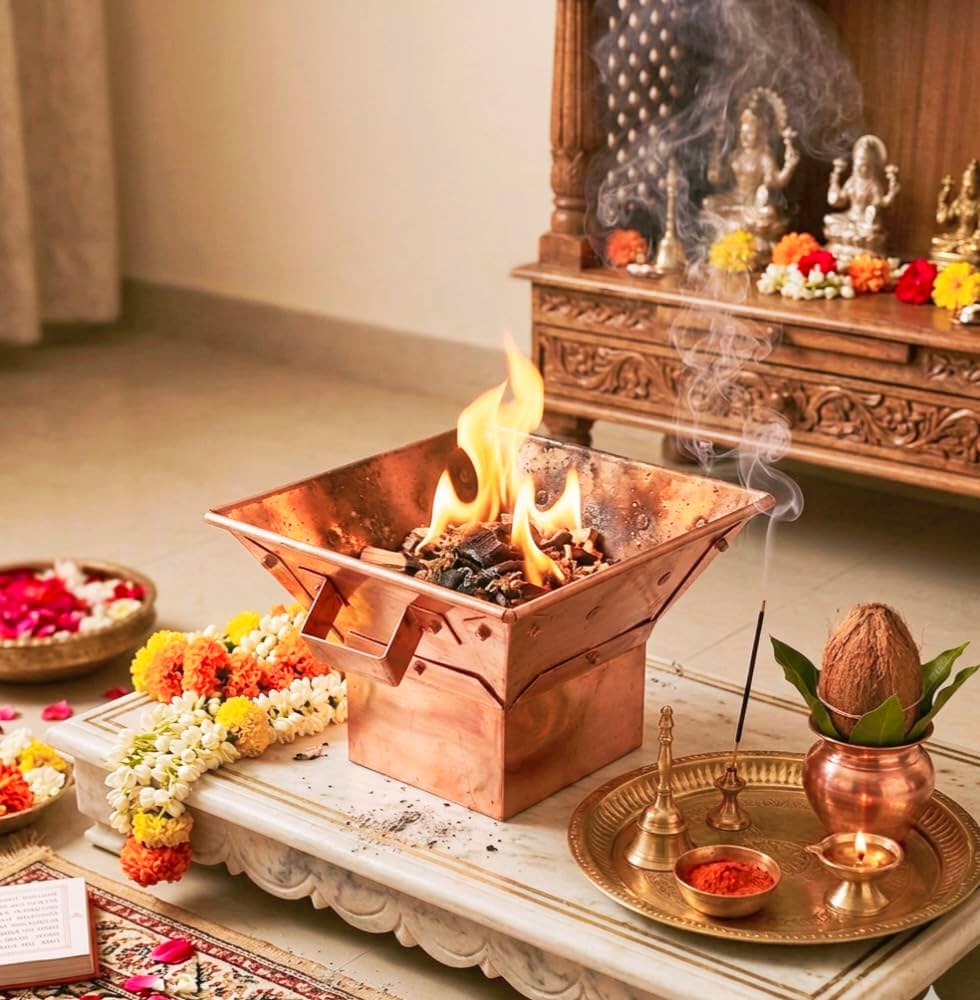
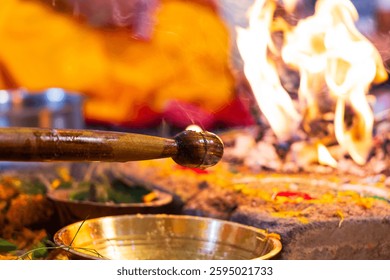
In Sanatan Dharma, fire has always been regarded as a sacred medium of worship, purification, and transformation. One of the most important elements of a traditional Havan is the offering of Ahuti, in which sacred materials such as ghee, herbs, grains, and other Samagri are offered into the holy fire while chanting Vedic mantras.
However, offering Ahuti is not simply a ritual of placing ingredients into the fire. It carries a deeper spiritual meaning that reflects devotion, surrender, gratitude, and the willingness to let go of negativity.
In Vedic traditions, every Ahuti represents an offering made with faith and a pure intention. Understanding the spiritual meaning of Ahuti helps us recognise why this practice holds such an important place in Hindu rituals and Yajna.
What Is Ahuti in Havan?
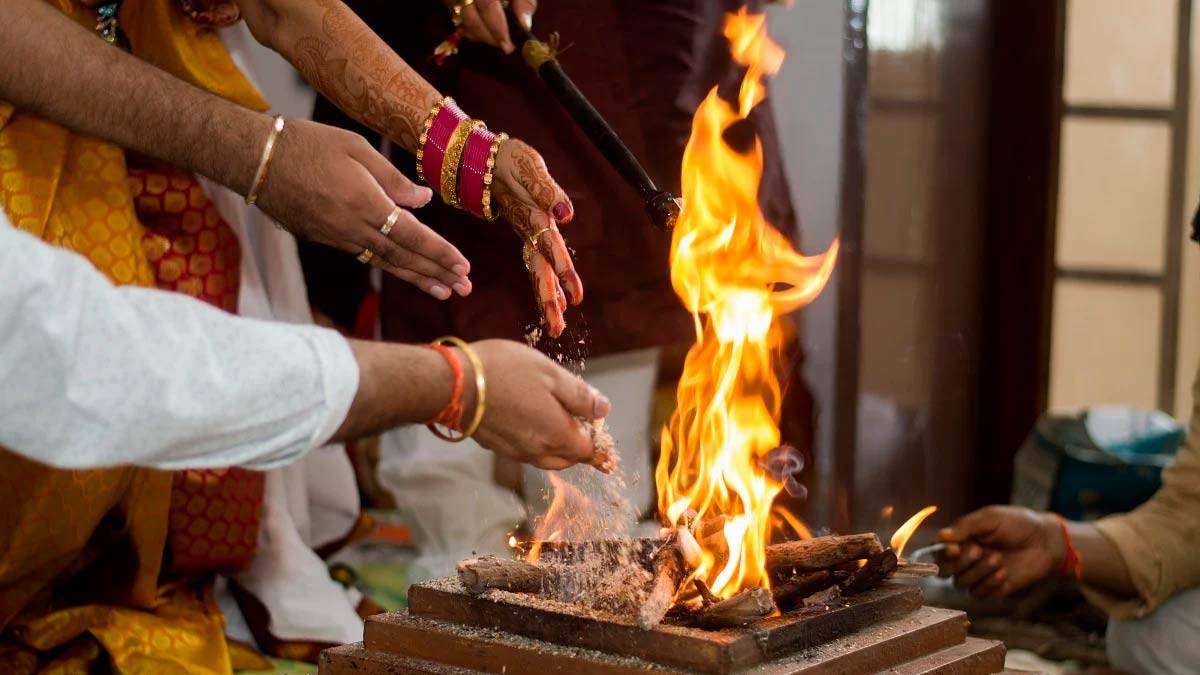
The word Ahuti refers to an offering made into the sacred fire during a Havan or Yajna. These offerings are generally accompanied by the chanting of specific mantras, often ending with the word Swaha.
Common materials used for Ahuti include:
* Ghee (clarified butter)
* Samidha (sacred wood)
* Havan Samagri (a mixture of traditional herbs and natural ingredients)
* Grains such as rice and barley
* Dried fruits and other ritual offerings
Each offering has its own traditional significance. Together, they form an important part of the Vedic worship process.
In a Havan, Agni Dev is considered the divine medium through which offerings are presented to the deities. This makes Ahuti an essential part of the connection between human devotion and divine worship.
The Spiritual Meaning of Offering Ahuti
The deeper meaning of Ahuti goes beyond the physical act of making an offering. It represents the idea of surrendering something valuable with devotion and without selfish expectations.
When a person offers Ahuti into the sacred fire, it symbolises the willingness to offer not only material substances but also negative thoughts, ego, anger, greed, and other unwanted tendencies.
In this sense, the sacred fire becomes a reminder of inner transformation.
Just as the fire transforms the materials offered into another form, a person performing Havan is encouraged to transform their thoughts, actions, and intentions towards a more positive and meaningful life.
Thus, every Ahuti can be understood as a symbolic step towards self-purification and spiritual growth.
Why Is Ahuti Offered Through Agni Dev?
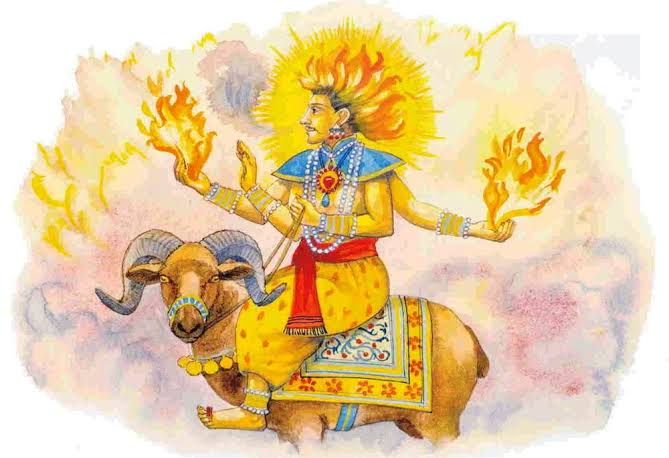
In Vedic tradition, Agni Dev holds a special position as the divine messenger between humans and the deities. Agni is traditionally regarded as the carrier of offerings made during a Yajna.
The Rigveda begins with a hymn dedicated to Agni, highlighting the importance of fire in Vedic worship.
When Ahuti is offered into the sacred fire, it represents an act of devotion through which prayers and offerings are symbolically presented to the divine.
Agni also represents light, energy, purity, and transformation. Therefore, offering Ahuti through Agni Dev is not merely a ritual practice but an expression of faith in the sacred relationship between nature, humanity, and the divine.
The Significance of Swaha During Ahuti
One of the most recognisable parts of a Havan is the chanting of Swaha while offering Ahuti.
The word Swaha is traditionally used at the conclusion of many Vedic offering mantras. It marks the act of offering something into the sacred fire with devotion.
Spiritually, Swaha is often associated with surrender and dedication. It reminds the worshipper that an offering should be made with a selfless attitude rather than with attachment or expectations.
The chanting of mantras along with each Ahuti also brings discipline and concentration to the ritual, allowing devotees to participate with greater awareness and devotion.
Ahuti as a Symbol of Sacrifice and Selflessness
One of the central teachings of Yajna in Sanatan Dharma is the importance of giving.
Ahuti reflects this principle by teaching that meaningful spiritual practices involve offering something rather than simply seeking something in return.
This idea is closely connected with the concept of Tyaga, which means renunciation or letting go.
During Havan, devotees offer valuable materials into the fire. Symbolically, this act encourages them to let go of selfishness, excessive desires, and ego.
It also reminds us that life is sustained through giving and receiving. Just as nature continuously gives to humanity, human beings also have a responsibility to contribute towards the well-being of others.
In this way, Ahuti represents the spirit of gratitude, generosity, and selfless action.
The Connection Between Ahuti, Nature and Universal Well-Being
Vedic Yajna is closely connected with the understanding of harmony between human beings, nature, and the universe.
The materials used in traditional Havan are often derived from natural sources. The ritual itself reflects gratitude towards the elements that sustain life, including Agni (fire), Vayu (air), Jal (water), Prithvi (earth), and Akash (space).
The Bhagavad Gita, particularly Chapter 3, discusses the importance of Yajna and the interconnected cycle of nature and life.
The spirit behind Ahuti is therefore not limited to individual prayers. It also represents a larger intention for collective welfare, harmony, and prosperity.
This is why Vedic rituals frequently include prayers for peace, well-being, and the welfare of all living beings.
Why Intention Matters While Offering Ahuti
In Sanatan Dharma, the spiritual value of a ritual is not determined only by the materials used. The intention and devotion behind the practice are equally important.
A Havan performed with sincerity, discipline, and faith reflects a deeper understanding of its purpose.
While offering Ahuti, devotees are encouraged to maintain:
* Shraddha: Faith and devotion towards the ritual.
* Shuddhi: Purity of thoughts and intentions.
* Samarpan: A feeling of surrender and dedication.
* Kritagyata: Gratitude towards the divine and nature.
* Lok Kalyan: A prayer for the welfare of all.
These values remind us that the true significance of Ahuti lies not only in what is offered into the fire but also in what changes within the person making the offering.
Ahuti in the Tradition of Anantkaal Surya Hawan
The spiritual significance of Ahuti becomes especially meaningful when understood in the context of traditional Surya worship.
Surya Dev is revered in Sanatan Dharma as the source of light, energy, and life. Offering prayers and performing rituals dedicated to Surya Dev have been important parts of Vedic tradition.
The Anantkaal Surya Hawan, an initiative by Bhaktinama and International Awareness for Sun (IAS), reflects the importance of connecting traditional Vedic practices with the spiritual significance of Surya worship.
Through this initiative, the practice of offering Ahuti becomes an opportunity to express gratitude towards Surya Dev and acknowledge the importance of the Sun in sustaining life.
It also encourages devotees to understand the deeper meaning of Havan rather than viewing it merely as a religious ceremony.
By participating in Anantkaal Surya Hawan, devotees can become part of a collective spiritual initiative rooted in the values of devotion, gratitude, and universal well-being.
Conclusion
Offering Ahuti is one of the most meaningful practices in Vedic Havan. It represents much more than placing sacred materials into a fire. It symbolises surrender, sacrifice, gratitude, self-purification, and the willingness to move towards a more conscious way of living.
Every Ahuti reminds us that spirituality is not limited to rituals; it is also reflected in our thoughts, intentions, and actions.
The sacred fire teaches us an important lesson: just as an offering undergoes transformation in Agni, human beings must also work towards transforming themselves.
Through initiatives such as Anantkaal Surya Hawan by Bhaktinama and International Awareness for Sun (IAS), this timeless significance of Vedic Havan and Surya worship continues to find meaningful expression.