
November 01, 2026
Anantkaal Hawan
5 min read
Why Collective Hawan Has Spiritual Significance | Bhaktinama
Discover the spiritual significance of Collective Hawan in Vedic tradition, its connection with Agni, Surya Dev, unity, and universal well-being.
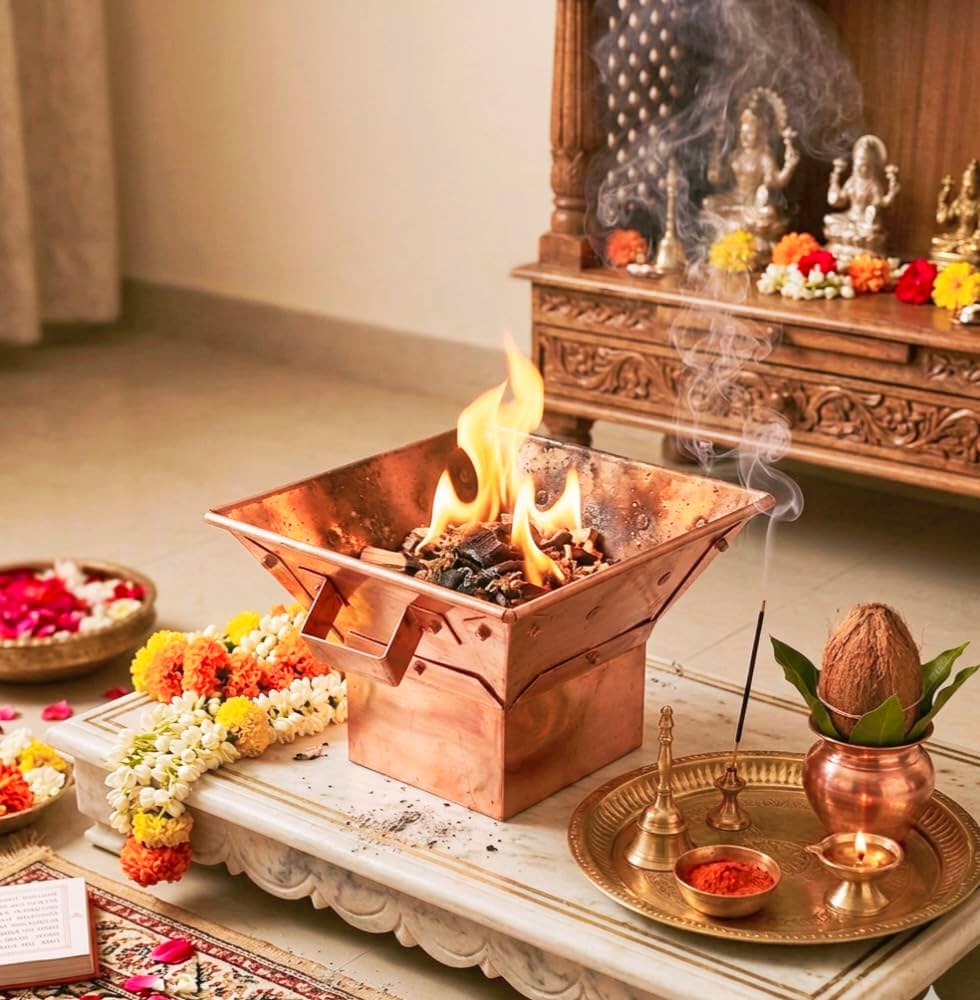
Hawan has been an important part of Sanatan Dharma for centuries. It is a sacred Vedic ritual in which offerings such as ghee, herbs, grains, and other samagri are offered into the holy fire while chanting Vedic mantras. Traditionally, Hawan is performed to express gratitude, seek divine blessings, and create an atmosphere of devotion and positivity.
While an individual Hawan holds its own spiritual importance, Collective Hawan carries a deeper meaning. When several people come together to perform a sacred ritual, their prayers, intentions, and offerings become part of a shared spiritual experience.
But what makes Collective Hawan spiritually significant? Let us understand its meaning and importance in Vedic tradition.
1. The Power of Collective Prayers and Intentions
One of the central ideas behind Collective Hawan is the coming together of people with a shared intention. Every participant contributes through their prayers, mantras, and offerings.
In Vedic tradition, a Yajna is not simply an individual act of worship. It is also associated with cooperation, selflessness, and the welfare of all. When people participate in a Hawan together, the ritual becomes an expression of collective devotion and goodwill.
The shared intention may be for peace, prosperity, environmental awareness, or the well-being of society.
2. Agni: The Sacred Medium of Collective Offerings
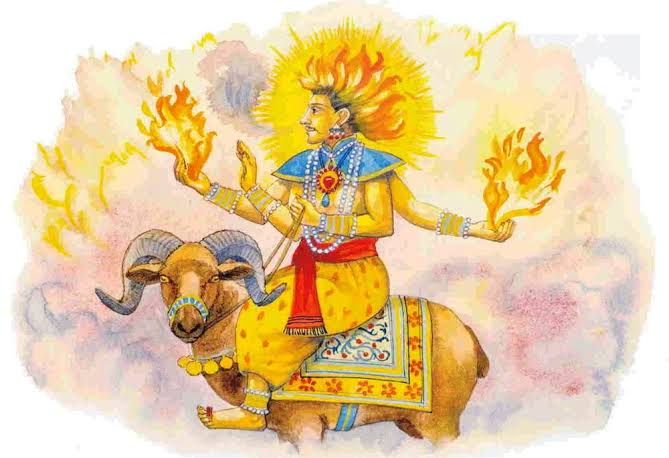
Agni, the sacred fire, holds a central position in Vedic rituals. It is traditionally regarded as the divine medium through which offerings are presented to the deities.
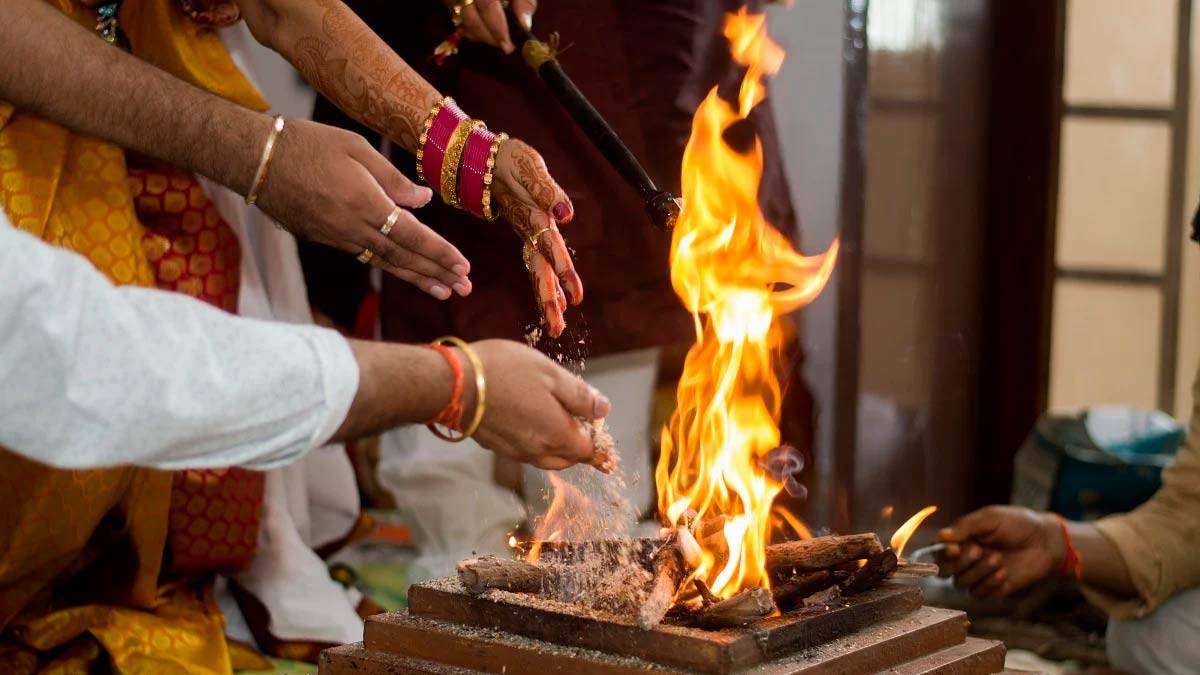
During a Collective Hawan, every participant offers Ahuti into the same sacred fire. Each offering represents devotion, gratitude, and the willingness to contribute towards something greater than oneself.
This shared act also carries a symbolic message: individual contributions become part of a larger purpose.
3. The Spiritual Importance of Unity and Togetherness
Sanatan Dharma places great importance on unity, cooperation, and collective well-being. Collective Hawan reflects these values by bringing people together regardless of their individual backgrounds.
When participants sit together, chant mantras, and offer Ahuti, they become part of a common spiritual activity. It encourages a sense of belonging, mutual respect, and shared responsibility.
The experience reminds us that spirituality is not limited to personal prayers or individual rituals. It can also be expressed through actions that bring communities together.
4. Understanding the Significance of Vedic Mantras
Mantra chanting is an essential part of Hawan. Vedic mantras are traditionally recited during different stages of the ritual, accompanying each offering into the sacred fire.
In a Collective Hawan, participants may chant together under the guidance of experienced pandits. The rhythm of the chants and the coordinated offerings create an atmosphere of discipline, concentration, and devotion.
Listening to and participating in mantra chanting can also encourage mindfulness and help individuals connect more deeply with the spiritual purpose of the ritual.
5. From Individual Devotion to Universal Welfare
An important principle of Vedic philosophy is Sarve Bhavantu Sukhinah, meaning "May all beings be happy."
This thought reflects the broader purpose of collective spiritual practices. Instead of focusing only on personal wishes, Collective Hawan can become an expression of prayers for the welfare of society, nature, and all living beings.
It encourages participants to look beyond individual interests and recognise their connection with the larger world.
6. Collective Hawan and the Connection with Surya Dev
The Sun, worshipped as Surya Dev in Sanatan Dharma, represents light, energy, life, and consciousness. Vedic traditions recognise the importance of Surya in sustaining life and maintaining the natural rhythm of existence.
In Surya-related Hawan rituals, offerings and prayers are dedicated to Surya Dev as an expression of gratitude for the light and energy that support life on Earth.
When performed collectively, such rituals bring together individual prayers of gratitude towards the source of life. They also offer an opportunity to reflect on our relationship with nature and the importance of respecting natural resources.
7. The Role of Collective Hawan in Modern Society
In today's busy world, people often find limited opportunities to participate in traditional community-based spiritual activities. Collective Hawan provides an opportunity to reconnect with Vedic traditions while strengthening community participation.
It brings together spiritual learning, cultural values, and shared responsibility. More importantly, it reminds participants that ancient rituals are not merely ceremonial practices but also carry values that remain relevant in contemporary life.
Initiatives that encourage collective participation in Vedic rituals can help preserve traditional practices and make them accessible to a wider community.
Anantkaal Hawan: Bringing Collective Spirituality Together
Understanding the spiritual significance of Collective Hawan becomes even more meaningful through initiatives that encourage people to participate in traditional Vedic practices.
Anantkaal Hawan, an initiative by Bhaktinama in association with International Awareness for Sun (IAS), reflects this idea by bringing people together through Surya-oriented Vedic rituals.
The initiative focuses on the spiritual significance of Surya Dev, the importance of Agni, and the deeper connection between Vedic traditions and the natural world. Through collective participation, it offers devotees an opportunity to become part of a shared spiritual practice rather than limiting the experience to individual worship.
By encouraging people to participate in Anantkaal Hawan, Bhaktinama and IAS aim to promote awareness of Vedic traditions and the values of collective devotion, gratitude, and universal well-being.
Conclusion
Collective Hawan represents much more than a shared religious ceremony. It symbolises unity, devotion, gratitude, and the spirit of contributing towards a greater purpose.
Through the sacred fire, Vedic mantras, and collective Ahuti, individuals come together with a shared intention of peace and well-being. It reminds us that spirituality can grow beyond personal devotion and become a meaningful expression of community and universal welfare.
In this way, Collective Hawan keeps the essence of Vedic traditions alive while reminding us of the importance of unity, nature, and collective responsibility.