October 31, 2025
Festival Fast
5 min read
Dev Uthani Ekadashi
Dev Uthani Ekadashi, also known as Prabodhini Ekadashi, marks the awakening of Lord Vishnu from his deep cosmic sleep of four months, known as Chaturmas. It is believed that during this divine slumber, all auspicious activities come to a halt, and with Vishnu’s awakening, the wheel of auspiciousness begins to turn once more. On this sacred day, devotees celebrate Tulsi Vivah, the celestial marriage of Goddess Tulsi and Lord Vishnu in his Shaligram form. This union symbolizes the harmony between devotion and divinity, nature and the cosmic order.
The festival holds deep spiritual, natural, and symbolic significance. It marks the revival of life, the renewal of energy in nature, and the beginning of the wedding season in Hindu tradition. Through rituals, fasting, and devotion, devotees remind themselves that after every pause, life begins again — fresh, sacred, and full of divine purpose.
Dev Uthani Ekadashi – The Awakening of the Gods and the Sacred Tulsi Vivah
In the gentle hush of Kartik month, when the air grows crisp and lamps glow like tiny suns on the earth, comes Dev Uthani Ekadashi—the day when Lord Vishnu awakens after his long cosmic sleep.
This day, also known as Prabodhini Ekadashi, is not just about the awakening of gods—it marks the awakening of life, hope, and auspicious beginnings. From this day onward, the heavens open for marriages, new ventures, and holy rituals that were paused during the divine rest of Chaturmas, the four months of Vishnu’s sleep.
And on this very day, the divine wedding of Tulsi and Vishnu, known as Tulsi Vivah, fills the air with celestial joy.
The Divine Sleep of Lord Vishnu
According to the Padma Purana and Vishnu Purana, Lord Vishnu rests in the Ksheer Sagar—the Ocean of Milk—on the serpent Sheshnag, entering deep yogic slumber on Dev Shayani Ekadashi (in the month of Ashadha, around June–July).
This rest continues for four months, known as Chaturmas, when monsoons pour across India and the earth rejuvenates. During this time, people are encouraged to rest, fast, and engage in spiritual reflection rather than worldly celebration.
Then, on Dev Uthani Ekadashi (Kartik Shukla Ekadashi), Lord Vishnu awakens. Symbolically, this represents the revival of divine order and the return of prosperity to the world. The cycle of auspicious rituals, including weddings, begins anew.
The Grand Union: Tulsi Vivah
The Legend of Tulsi
The sacred plant Tulsi (Holy Basil) is revered as Goddess Vrinda, an embodiment of devotion, purity, and feminine strength.
According to legend, Vrinda was married to the demon king Jalandhar, whose strength came from her unwavering chastity and devotion. So powerful was her virtue that even the gods could not defeat him.
To restore balance, Lord Vishnu disguised himself as Jalandhar while her husband was at war. Vrinda, believing him to be her husband, unknowingly broke her vow of chastity. When she realized the truth, she was devastated and cursed Vishnu to turn into a black stone—Shaligram—and herself turned into the Tulsi plant.
Moved by her devotion, Vishnu blessed her, saying, “You will be worshipped forever as my consort. No offering to me shall be accepted without your leaves.”
Thus, Tulsi Vivah became the symbolic reunion of Vrinda (Tulsi) and Vishnu (Shaligram)—a divine love story of devotion, forgiveness, and eternal connection.
Why Tulsi Vivah Happens on Dev Uthani Ekadashi
1. The Gods Awaken
Dev Uthani Ekadashi marks the end of Chaturmas, when the gods awaken from their cosmic rest. Until this day, no auspicious ceremonies are performed. When Vishnu awakens, the divine energy of creation stirs again, and Tulsi Vivah becomes the first wedding in the heavens after the divine slumber. It symbolizes the resumption of auspicious activities and the cosmic restoration of dharma.
2. The Union of Heaven and Earth
Tulsi represents the Earth and devotion, while Vishnu (as Shaligram) represents divine power. Their marriage on this day reflects the sacred harmony between nature and divinity, earth and heaven, devotion and strength.
This union reminds humanity that nature is divine, and devotion is the bridge that unites mortal life with the eternal.
3. The Season of Renewal
Nature mirrors this divine event. The monsoon months bring rest and rejuvenation; now, during Kartik, the Earth awakens. Crops ripen, rivers sparkle, and the air carries the scent of life returning.
Tulsi Vivah marks fertility, renewal, and readiness for new beginnings. After this day, the traditional Hindu wedding season begins.
4. The Ritual of Tulsi Vivah
The ceremony of Tulsi Vivah is performed with the same joy as a human wedding.
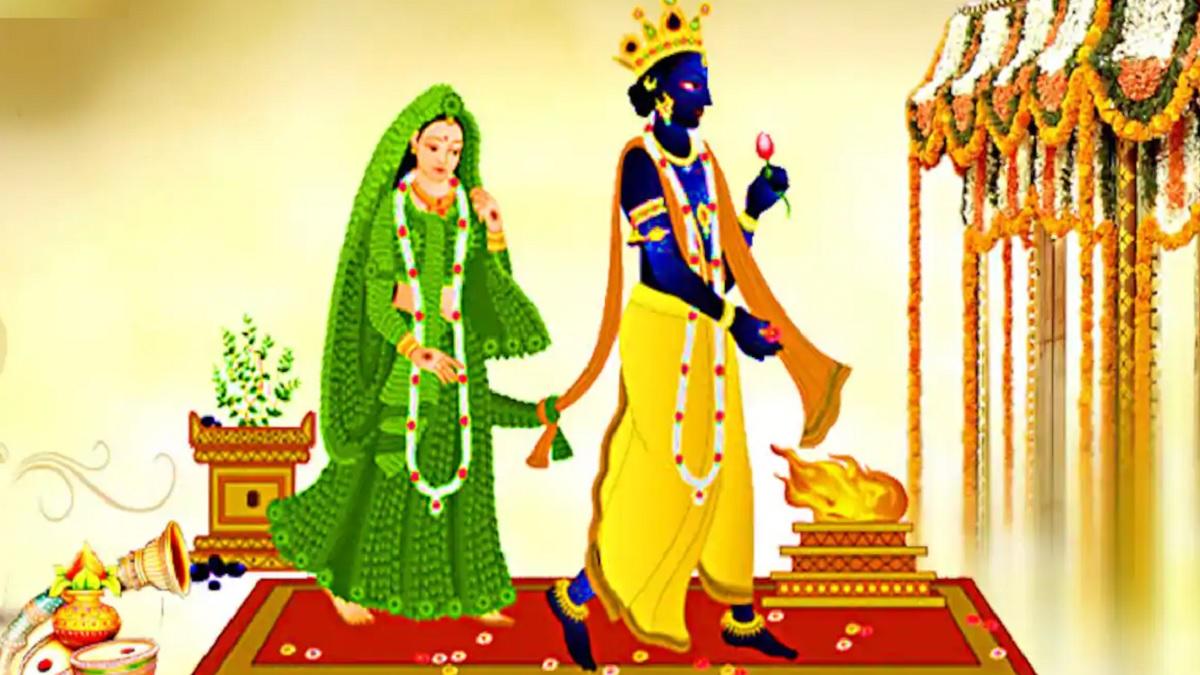
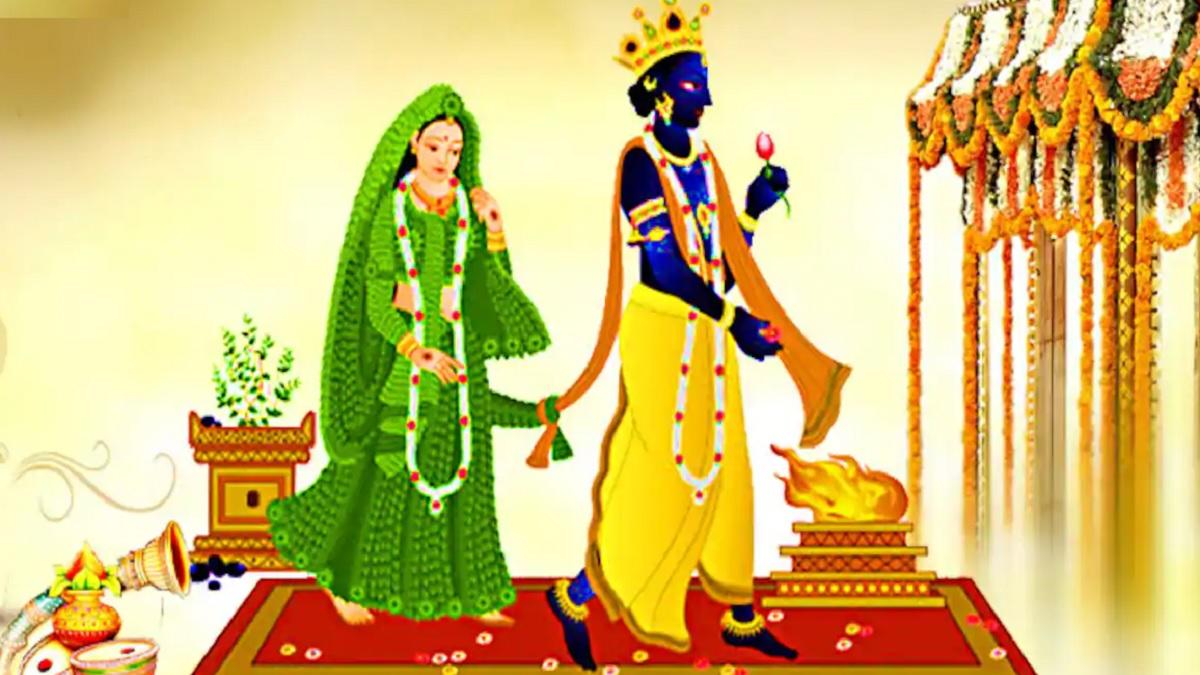
A Tulsi plant is decorated like a bride—with red and yellow fabrics, bangles, and vermilion. A Shaligram stone, or sometimes a small idol of Lord Vishnu or Krishna, represents the groom. A sacred thread (mangal sutra) is tied between them, mantras are chanted, and offerings of sweets, sugarcane, and coconut are made.
Women sing wedding songs and light lamps around the Tulsi, praying for peace, prosperity, and marital bliss. It is believed that performing Tulsi Vivah brings the same spiritual merit as performing a thousand Kanyadaans (gifting daughters in marriage).
Spiritual and Scientific Significance
Tulsi Vivah on Dev Uthani Ekadashi is more than a ritual—it is a reminder of eternal balance. It teaches that even after rest or darkness, life renews itself. Devotion, like Tulsi’s, never fades; it transforms into eternal love.
On a scientific level, worshipping Tulsi during this season holds great importance. Tulsi purifies the air and boosts immunity—essential for health as the seasons change from monsoon to winter. The tradition of circumambulating and lighting lamps near Tulsi not only has spiritual value but also contributes to air purification and positive energy in the home.
Conclusion
When Lord Vishnu opens his eyes on Dev Uthani Ekadashi, it is as if the entire cosmos awakens with him. The marriage of Tulsi and Vishnu symbolizes the union of faith and divinity, of earth and heaven.
From this day, the atmosphere turns festive—temples resound with bhajans, homes sparkle with diyas, and human hearts find new beginnings. Dev Uthani Ekadashi marks the awakening of gods, nature, and the human soul alike.
In the gentle hush of Kartik month, when the air grows crisp and lamps glow like tiny suns on the earth, comes Dev Uthani Ekadashi—the day when Lord Vishnu awakens after his long cosmic sleep.
This day, also known as Prabodhini Ekadashi, is not just about the awakening of gods—it marks the awakening of life, hope, and auspicious beginnings. From this day onward, the heavens open for marriages, new ventures, and holy rituals that were paused during the divine rest of Chaturmas, the four months of Vishnu’s sleep.
And on this very day, the divine wedding of Tulsi and Vishnu, known as Tulsi Vivah, fills the air with celestial joy.
The Divine Sleep of Lord Vishnu
According to the Padma Purana and Vishnu Purana, Lord Vishnu rests in the Ksheer Sagar—the Ocean of Milk—on the serpent Sheshnag, entering deep yogic slumber on Dev Shayani Ekadashi (in the month of Ashadha, around June–July).
This rest continues for four months, known as Chaturmas, when monsoons pour across India and the earth rejuvenates. During this time, people are encouraged to rest, fast, and engage in spiritual reflection rather than worldly celebration.
Then, on Dev Uthani Ekadashi (Kartik Shukla Ekadashi), Lord Vishnu awakens. Symbolically, this represents the revival of divine order and the return of prosperity to the world. The cycle of auspicious rituals, including weddings, begins anew.
The Grand Union: Tulsi Vivah
The Legend of Tulsi
The sacred plant Tulsi (Holy Basil) is revered as Goddess Vrinda, an embodiment of devotion, purity, and feminine strength.
According to legend, Vrinda was married to the demon king Jalandhar, whose strength came from her unwavering chastity and devotion. So powerful was her virtue that even the gods could not defeat him.
To restore balance, Lord Vishnu disguised himself as Jalandhar while her husband was at war. Vrinda, believing him to be her husband, unknowingly broke her vow of chastity. When she realized the truth, she was devastated and cursed Vishnu to turn into a black stone—Shaligram—and herself turned into the Tulsi plant.
Moved by her devotion, Vishnu blessed her, saying, “You will be worshipped forever as my consort. No offering to me shall be accepted without your leaves.”
Thus, Tulsi Vivah became the symbolic reunion of Vrinda (Tulsi) and Vishnu (Shaligram)—a divine love story of devotion, forgiveness, and eternal connection.
Why Tulsi Vivah Happens on Dev Uthani Ekadashi
1. The Gods Awaken
Dev Uthani Ekadashi marks the end of Chaturmas, when the gods awaken from their cosmic rest. Until this day, no auspicious ceremonies are performed. When Vishnu awakens, the divine energy of creation stirs again, and Tulsi Vivah becomes the first wedding in the heavens after the divine slumber. It symbolizes the resumption of auspicious activities and the cosmic restoration of dharma.
2. The Union of Heaven and Earth
Tulsi represents the Earth and devotion, while Vishnu (as Shaligram) represents divine power. Their marriage on this day reflects the sacred harmony between nature and divinity, earth and heaven, devotion and strength.
This union reminds humanity that nature is divine, and devotion is the bridge that unites mortal life with the eternal.
3. The Season of Renewal
Nature mirrors this divine event. The monsoon months bring rest and rejuvenation; now, during Kartik, the Earth awakens. Crops ripen, rivers sparkle, and the air carries the scent of life returning.
Tulsi Vivah marks fertility, renewal, and readiness for new beginnings. After this day, the traditional Hindu wedding season begins.
4. The Ritual of Tulsi Vivah
The ceremony of Tulsi Vivah is performed with the same joy as a human wedding.
A Tulsi plant is decorated like a bride—with red and yellow fabrics, bangles, and vermilion. A Shaligram stone, or sometimes a small idol of Lord Vishnu or Krishna, represents the groom. A sacred thread (mangal sutra) is tied between them, mantras are chanted, and offerings of sweets, sugarcane, and coconut are made.
Women sing wedding songs and light lamps around the Tulsi, praying for peace, prosperity, and marital bliss. It is believed that performing Tulsi Vivah brings the same spiritual merit as performing a thousand Kanyadaans (gifting daughters in marriage).
Spiritual and Scientific Significance
Tulsi Vivah on Dev Uthani Ekadashi is more than a ritual—it is a reminder of eternal balance. It teaches that even after rest or darkness, life renews itself. Devotion, like Tulsi’s, never fades; it transforms into eternal love.
On a scientific level, worshipping Tulsi during this season holds great importance. Tulsi purifies the air and boosts immunity—essential for health as the seasons change from monsoon to winter. The tradition of circumambulating and lighting lamps near Tulsi not only has spiritual value but also contributes to air purification and positive energy in the home.
Conclusion
When Lord Vishnu opens his eyes on Dev Uthani Ekadashi, it is as if the entire cosmos awakens with him. The marriage of Tulsi and Vishnu symbolizes the union of faith and divinity, of earth and heaven.
From this day, the atmosphere turns festive—temples resound with bhajans, homes sparkle with diyas, and human hearts find new beginnings. Dev Uthani Ekadashi marks the awakening of gods, nature, and the human soul alike.