
August 16, 2026
Festival Fast
8 min read
Nag Panchami 2026: Date, Significance, Puja Vidhi, Nag Devta and Sacred Traditions
Learn about Nag Panchami 2026, its date, significance, Nag Devta worship, puja vidhi, vrat, mythology, and sacred traditions followed during this auspicious Hindu festival.
Nag Panchami 2026
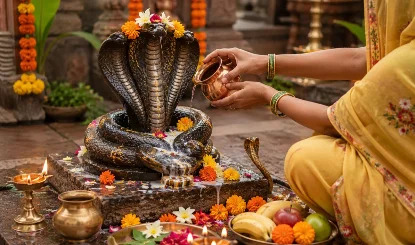
Nag Panchami is an important Hindu festival dedicated to the worship of Nag Devta, or the divine serpent deities. It is observed during Shukla Paksha Panchami in the month of Shravan (Sawan) and holds special spiritual significance in Hindu tradition. The festival represents reverence for nature, protection, fertility, and the divine presence associated with serpents.
In 2026, Nag Panchami will be observed on Monday, August 17 in North Indian states including Bihar, Uttar Pradesh, Rajasthan, Madhya Pradesh, Jharkhand, and several other regions. It falls on Shravan Shukla Panchami.
Nag Panchami is also associated with the worship of revered Nag Devtas such as Ananta, Vasuki, Shesha, Padma, Kambala, Karkotaka, Ashvatara, Dhritarashtra, Shankhapala, Kaliya, Takshaka, and Pingala.
Nag Panchami
The worship of snakes has an ancient place in Hindu religious traditions. Serpents are not viewed merely as earthly creatures but are also associated with divine powers and several important deities.
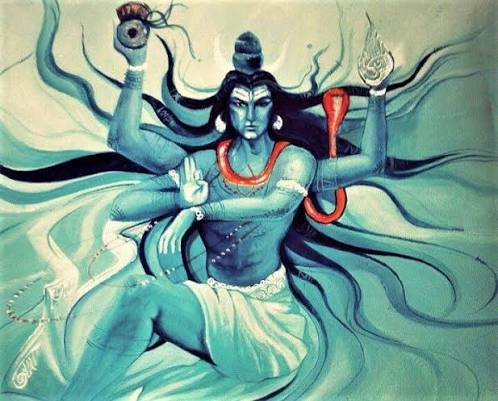
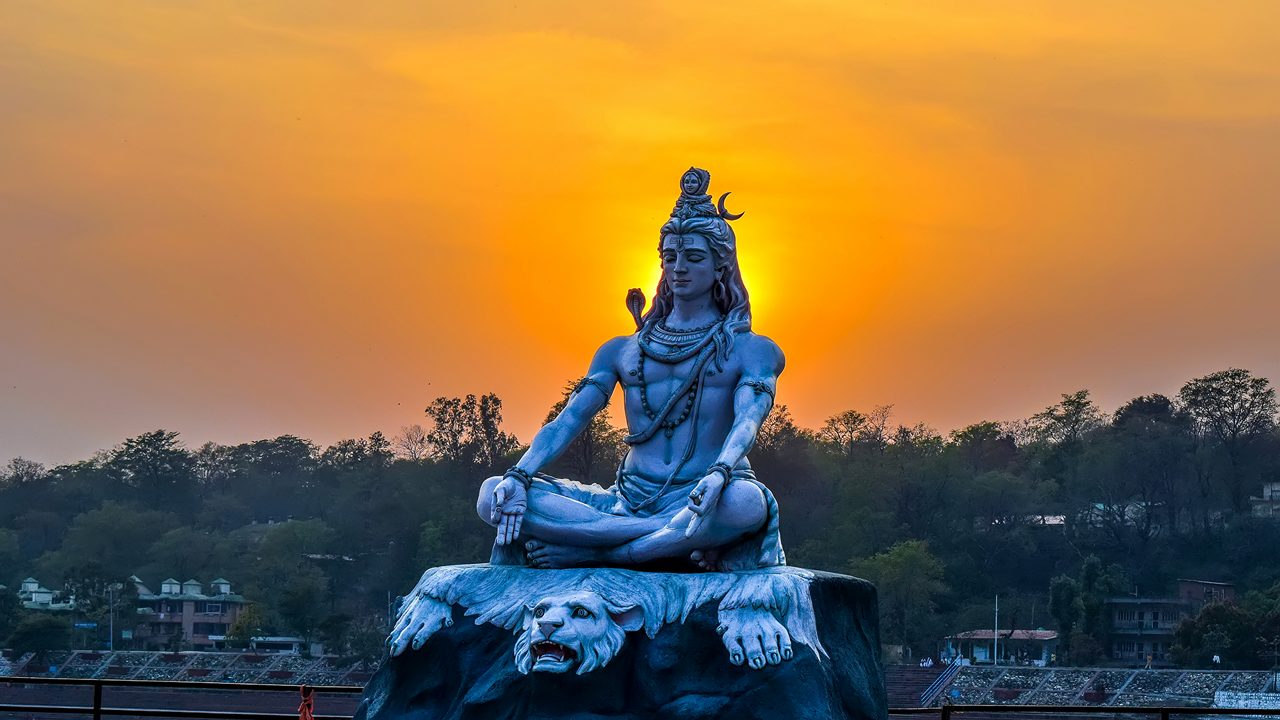
Lord Shiva is traditionally depicted with a serpent around His neck, while Shesha Nag is associated with Lord Vishnu and Vasuki plays an important role in the Samudra Manthan. Because of these associations, Nag Devta worship has a deep connection with Hindu mythology and devotion.
Nag Panchami is therefore a day to express respect toward Nag Devta and the natural world. Devotees pray for protection, prosperity, family welfare, and freedom from fears associated with snakes.
Nag Panchami Significance in Hinduism
The significance of Nag Panchami goes beyond simply worshipping serpents. The festival reflects the Hindu understanding that nature and its creatures are worthy of respect and protection.
Serpents are also traditionally connected with the fertility of the land and agricultural cycles. Since Nag Panchami falls during the monsoon season, when snakes are more visible as they leave flooded underground habitats, the festival also carries an important cultural connection with the seasonal environment.
Spiritually, devotees consider Nag Panchami an opportunity to seek the blessings of Nag Devta and cultivate gratitude toward nature.
For devotees who wish to perform the rituals according to traditional practices but cannot arrange everything themselves, Bhaktinama can make the process easier through services such as Online Puja Booking, Online Pandit Booking, Online Temple Booking, and Online Puja Samagri Booking.
Nag Panchami Puja Vidhi
The rituals of Nag Panchami may differ from one region and family tradition to another. A simple traditional Nag Panchami Puja Vidhi can include the following steps:
1. Clean the Puja Space
Begin the day by cleaning the home and the place where the puja will be performed. Devotees may take a bath and wear clean clothes before beginning the worship.
2. Prepare the Puja Setup
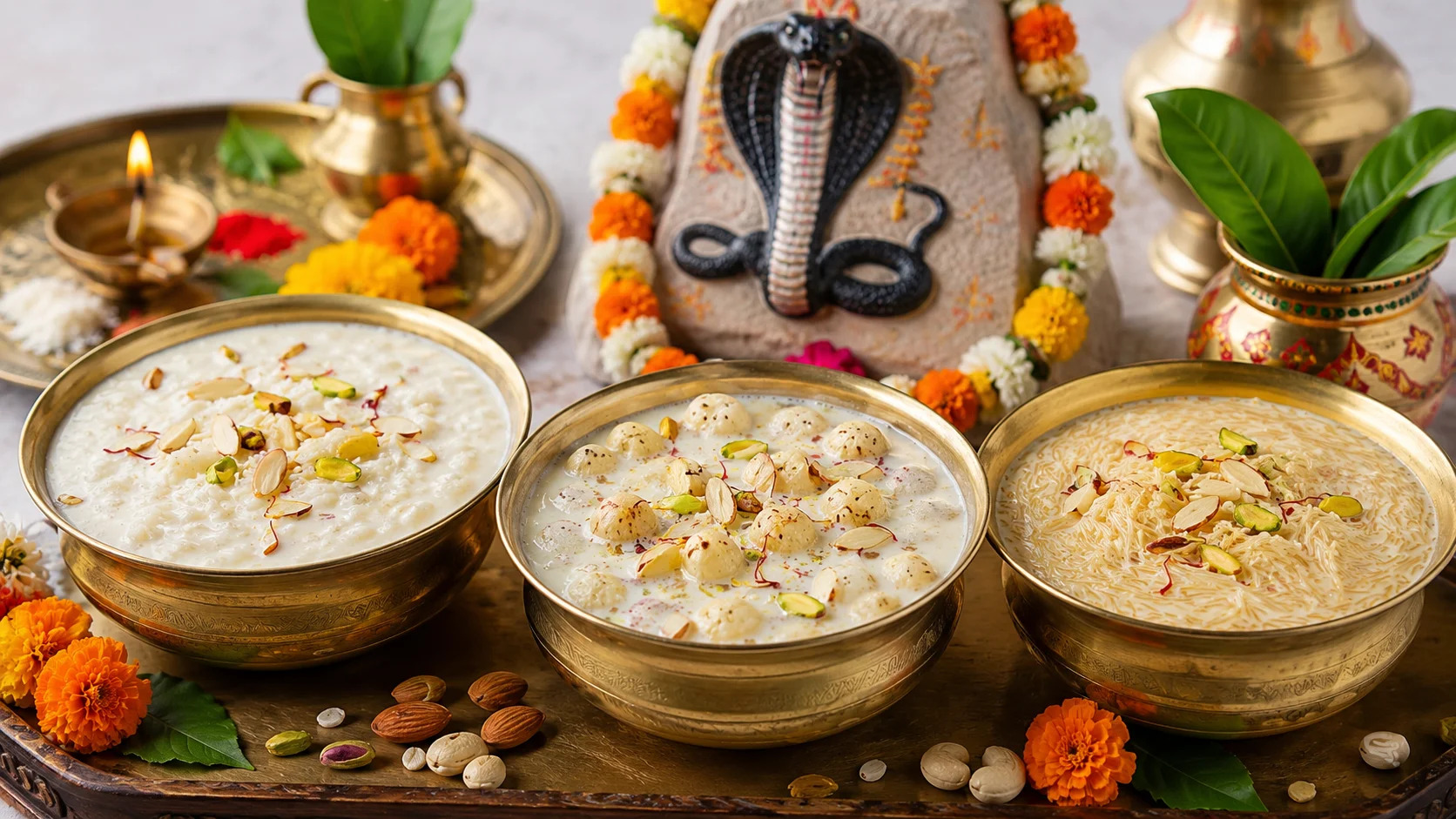
Place an image, idol, or symbolic representation of Nag Devta on a clean puja altar. Some traditions also involve drawing images of snakes on the walls or near the entrance of the home.
3. Offer Traditional Puja Items
Devotees offer flowers, turmeric, kumkum, sandalwood, incense, lamps, fruits, and other traditional puja items according to their family customs.
4. Worship Nag Devta
Offer prayers to Nag Devta while remembering the divine serpent deities. Devotees may recite Nag Panchami mantras, stotras, or prayers dedicated to Nag Devta.
5. Observe Vrat
Some devotees observe a Nag Panchami Vrat and eat only permitted foods according to their family or regional tradition. Fasting practices vary, so devotees should follow the customs traditionally observed in their household.
6. Offer Prayers for Family Welfare
Devotees pray for the health, safety, prosperity, and happiness of their families. In several traditions, Nag Panchami is particularly associated with prayers for the protection of brothers and family members.
The Connection Between Nag Panchami and Lord Shiva
Nag Panchami falls during the sacred month of Shravan, which is especially associated with Lord Shiva. This creates an important connection between Nag Devta worship and Shaiva traditions.
Lord Shiva is famously depicted wearing a serpent around His neck. The serpent represents, among other interpretations, control over fear, transformation, and the power of nature. Devotees therefore often remember Lord Shiva along with Nag Devta during Shravan.
Since Nag Panchami 2026 falls on a Monday, it also coincides with the third Shravan Somwar in North Indian calendars such as those followed in Bihar and Uttar Pradesh, making the day particularly significant for devotees who observe Sawan Monday worship.
Nag Panchami and the Story of Astika
One of the well-known stories associated with Nag Panchami comes from the Mahabharata tradition.
King Janamejaya is said to have performed a powerful snake sacrifice known as the Sarpa Satra to destroy the serpent race after his father, King Parikshit, died from a snakebite by Takshaka.
As the sacrifice continued, many serpents were drawn into the fire. Astika, the son of the sage Jaratkaru and the serpent woman Manasa, approached King Janamejaya and requested that the sacrifice be stopped.
Pleased with Astika's wisdom and devotion, the king granted his request and stopped the sacrifice. The story is traditionally connected with the protection of the Nagas and is remembered as an important part of the mythology surrounding Nag Panchami.
Important Nag Devtas Worshipped on Nag Panchami
Hindu traditions mention several important serpent deities. Among the twelve traditionally remembered during Nag Panchami are:
Ananta
Vasuki
Shesha
Padma
Kambala
Karkotaka
Ashvatara
Dhritarashtra
Shankhapala
Kaliya
Takshaka
Pingala
Each of these names is associated with different stories and traditions within Hindu mythology. Among them, Ananta or Shesha, Vasuki, Kaliya, and Takshaka are especially well known through stories involving Lord Vishnu, Lord Shiva, Lord Krishna, and the Mahabharata.
Nag Panchami and the Worship of Nature
One of the most meaningful aspects of Nag Panchami is its connection with respect for living beings. Hindu festivals often contain traditions that encourage people to recognize the relationship between humans, animals, nature, and the divine.
Nag Panchami provides an opportunity to remember this relationship. Rather than seeing snakes only through fear, the festival presents them within a sacred cultural framework and encourages reverence toward the natural world.
At the same time, devotees should avoid handling or disturbing wild snakes. Traditional worship can be performed symbolically through idols, images, or representations of Nag Devta rather than putting humans or animals at risk.
Offerings on Nag Panchami
Offerings vary according to regional and family traditions. Common items used during Nag Panchami worship may include:
Flowers
Turmeric
Kumkum
Sandalwood
Incense
Lamps
Fruits
Milk or other traditional offerings according to local custom
Naivedya
Water
The exact offerings should be guided by the family's traditional Nag Panchami Puja Vidhi or by a knowledgeable priest.
If you want to perform the puja with traditional guidance, Bhaktinama's Online Pandit Booking and Online Puja Booking can help devotees arrange religious services conveniently from home.
Nag Panchami 2026 Puja Muhurat
The exact Nag Panchami Puja Muhurat depends on the location because sunrise, Panchami Tithi, and local Panchang calculations can differ.
For example, a Panchang calculation for parts of India lists Nag Panchami on August 17, 2026, with Panchami Tithi extending through the day.
Therefore, devotees should check the Panchang for their city before beginning the puja, especially when following a specific muhurat.
Celebrate Nag Panchami at Home
Nag Panchami can be observed simply and devotionally at home. Clean the puja area, place an image or idol of Nag Devta, light a diya, offer traditional puja items, recite prayers, and spend some time in meditation or remembrance of the divine.
The essence of the festival is devotion and respect rather than elaborate arrangements. Families can also use the occasion to teach children about Hindu traditions, mythology, and the importance of respecting animals and nature.
For devotees who want assistance with the arrangements, Online Puja Samagri Booking can make it easier to arrange the necessary puja materials, while Online Pandit Booking can provide access to priestly guidance.
The Spiritual Message of Nag Panchami
Nag Panchami carries a message that remains meaningful beyond its rituals. It reminds devotees that the divine can be revered through nature and that every part of the natural world has a place within the larger balance of life.
The serpent, which can evoke fear in many people, becomes a symbol of divine power, protection, transformation, and the mysterious forces of nature. Through Nag Panchami, devotees are encouraged to replace fear with awareness and reverence.
Celebrate Nag Panchami with Bhaktinama
Festivals become more meaningful when rituals are performed with understanding and devotion. For devotees who want to observe Nag Panchami 2026 according to traditional practices, Bhaktinama provides convenient options such as Online Puja Booking, Online Pandit Booking, Online Temple Booking, and Online Puja Samagri Booking.
Whether you are performing a simple Nag Devta puja at home or seeking traditional priestly guidance, these services can help make your spiritual observance more convenient while keeping the focus on devotion.
Conclusion
Nag Panchami is a sacred festival that brings together Hindu mythology, devotion, nature worship, and the traditional reverence for Nag Devta. Celebrated during Shravan Shukla Panchami, it reminds devotees of the spiritual significance associated with serpents and the importance of respecting the natural world.
In 2026, Nag Panchami falls on August 17, making it a particularly notable day as it coincides with a Shravan Monday in North Indian traditions.
By understanding the stories, significance, and traditions behind Nag Panchami, devotees can celebrate the festival not merely as a ritual but as an opportunity for prayer, gratitude, and greater respect for nature.
Nag Panchami is an important Hindu festival dedicated to the worship of Nag Devta, or the divine serpent deities. It is observed during Shukla Paksha Panchami in the month of Shravan (Sawan) and holds special spiritual significance in Hindu tradition. The festival represents reverence for nature, protection, fertility, and the divine presence associated with serpents.
In 2026, Nag Panchami will be observed on Monday, August 17 in North Indian states including Bihar, Uttar Pradesh, Rajasthan, Madhya Pradesh, Jharkhand, and several other regions. It falls on Shravan Shukla Panchami.
Nag Panchami is also associated with the worship of revered Nag Devtas such as Ananta, Vasuki, Shesha, Padma, Kambala, Karkotaka, Ashvatara, Dhritarashtra, Shankhapala, Kaliya, Takshaka, and Pingala.
Nag Panchami
The worship of snakes has an ancient place in Hindu religious traditions. Serpents are not viewed merely as earthly creatures but are also associated with divine powers and several important deities.
Lord Shiva is traditionally depicted with a serpent around His neck, while Shesha Nag is associated with Lord Vishnu and Vasuki plays an important role in the Samudra Manthan. Because of these associations, Nag Devta worship has a deep connection with Hindu mythology and devotion.
Nag Panchami is therefore a day to express respect toward Nag Devta and the natural world. Devotees pray for protection, prosperity, family welfare, and freedom from fears associated with snakes.
Nag Panchami Significance in Hinduism
The significance of Nag Panchami goes beyond simply worshipping serpents. The festival reflects the Hindu understanding that nature and its creatures are worthy of respect and protection.
Serpents are also traditionally connected with the fertility of the land and agricultural cycles. Since Nag Panchami falls during the monsoon season, when snakes are more visible as they leave flooded underground habitats, the festival also carries an important cultural connection with the seasonal environment.
Spiritually, devotees consider Nag Panchami an opportunity to seek the blessings of Nag Devta and cultivate gratitude toward nature.
For devotees who wish to perform the rituals according to traditional practices but cannot arrange everything themselves, Bhaktinama can make the process easier through services such as Online Puja Booking, Online Pandit Booking, Online Temple Booking, and Online Puja Samagri Booking.
Nag Panchami Puja Vidhi
The rituals of Nag Panchami may differ from one region and family tradition to another. A simple traditional Nag Panchami Puja Vidhi can include the following steps:
1. Clean the Puja Space
Begin the day by cleaning the home and the place where the puja will be performed. Devotees may take a bath and wear clean clothes before beginning the worship.
2. Prepare the Puja Setup
Place an image, idol, or symbolic representation of Nag Devta on a clean puja altar. Some traditions also involve drawing images of snakes on the walls or near the entrance of the home.
3. Offer Traditional Puja Items
Devotees offer flowers, turmeric, kumkum, sandalwood, incense, lamps, fruits, and other traditional puja items according to their family customs.
4. Worship Nag Devta
Offer prayers to Nag Devta while remembering the divine serpent deities. Devotees may recite Nag Panchami mantras, stotras, or prayers dedicated to Nag Devta.
5. Observe Vrat
Some devotees observe a Nag Panchami Vrat and eat only permitted foods according to their family or regional tradition. Fasting practices vary, so devotees should follow the customs traditionally observed in their household.
6. Offer Prayers for Family Welfare
Devotees pray for the health, safety, prosperity, and happiness of their families. In several traditions, Nag Panchami is particularly associated with prayers for the protection of brothers and family members.
The Connection Between Nag Panchami and Lord Shiva
Nag Panchami falls during the sacred month of Shravan, which is especially associated with Lord Shiva. This creates an important connection between Nag Devta worship and Shaiva traditions.
Lord Shiva is famously depicted wearing a serpent around His neck. The serpent represents, among other interpretations, control over fear, transformation, and the power of nature. Devotees therefore often remember Lord Shiva along with Nag Devta during Shravan.
Since Nag Panchami 2026 falls on a Monday, it also coincides with the third Shravan Somwar in North Indian calendars such as those followed in Bihar and Uttar Pradesh, making the day particularly significant for devotees who observe Sawan Monday worship.
Nag Panchami and the Story of Astika
One of the well-known stories associated with Nag Panchami comes from the Mahabharata tradition.
King Janamejaya is said to have performed a powerful snake sacrifice known as the Sarpa Satra to destroy the serpent race after his father, King Parikshit, died from a snakebite by Takshaka.
As the sacrifice continued, many serpents were drawn into the fire. Astika, the son of the sage Jaratkaru and the serpent woman Manasa, approached King Janamejaya and requested that the sacrifice be stopped.
Pleased with Astika's wisdom and devotion, the king granted his request and stopped the sacrifice. The story is traditionally connected with the protection of the Nagas and is remembered as an important part of the mythology surrounding Nag Panchami.
Important Nag Devtas Worshipped on Nag Panchami
Hindu traditions mention several important serpent deities. Among the twelve traditionally remembered during Nag Panchami are:
Ananta
Vasuki
Shesha
Padma
Kambala
Karkotaka
Ashvatara
Dhritarashtra
Shankhapala
Kaliya
Takshaka
Pingala
Each of these names is associated with different stories and traditions within Hindu mythology. Among them, Ananta or Shesha, Vasuki, Kaliya, and Takshaka are especially well known through stories involving Lord Vishnu, Lord Shiva, Lord Krishna, and the Mahabharata.
Nag Panchami and the Worship of Nature
One of the most meaningful aspects of Nag Panchami is its connection with respect for living beings. Hindu festivals often contain traditions that encourage people to recognize the relationship between humans, animals, nature, and the divine.
Nag Panchami provides an opportunity to remember this relationship. Rather than seeing snakes only through fear, the festival presents them within a sacred cultural framework and encourages reverence toward the natural world.
At the same time, devotees should avoid handling or disturbing wild snakes. Traditional worship can be performed symbolically through idols, images, or representations of Nag Devta rather than putting humans or animals at risk.
Offerings on Nag Panchami
Offerings vary according to regional and family traditions. Common items used during Nag Panchami worship may include:
Flowers
Turmeric
Kumkum
Sandalwood
Incense
Lamps
Fruits
Milk or other traditional offerings according to local custom
Naivedya
Water
The exact offerings should be guided by the family's traditional Nag Panchami Puja Vidhi or by a knowledgeable priest.
If you want to perform the puja with traditional guidance, Bhaktinama's Online Pandit Booking and Online Puja Booking can help devotees arrange religious services conveniently from home.
Nag Panchami 2026 Puja Muhurat
The exact Nag Panchami Puja Muhurat depends on the location because sunrise, Panchami Tithi, and local Panchang calculations can differ.
For example, a Panchang calculation for parts of India lists Nag Panchami on August 17, 2026, with Panchami Tithi extending through the day.
Therefore, devotees should check the Panchang for their city before beginning the puja, especially when following a specific muhurat.
Celebrate Nag Panchami at Home
Nag Panchami can be observed simply and devotionally at home. Clean the puja area, place an image or idol of Nag Devta, light a diya, offer traditional puja items, recite prayers, and spend some time in meditation or remembrance of the divine.
The essence of the festival is devotion and respect rather than elaborate arrangements. Families can also use the occasion to teach children about Hindu traditions, mythology, and the importance of respecting animals and nature.
For devotees who want assistance with the arrangements, Online Puja Samagri Booking can make it easier to arrange the necessary puja materials, while Online Pandit Booking can provide access to priestly guidance.
The Spiritual Message of Nag Panchami
Nag Panchami carries a message that remains meaningful beyond its rituals. It reminds devotees that the divine can be revered through nature and that every part of the natural world has a place within the larger balance of life.
The serpent, which can evoke fear in many people, becomes a symbol of divine power, protection, transformation, and the mysterious forces of nature. Through Nag Panchami, devotees are encouraged to replace fear with awareness and reverence.
Celebrate Nag Panchami with Bhaktinama
Festivals become more meaningful when rituals are performed with understanding and devotion. For devotees who want to observe Nag Panchami 2026 according to traditional practices, Bhaktinama provides convenient options such as Online Puja Booking, Online Pandit Booking, Online Temple Booking, and Online Puja Samagri Booking.
Whether you are performing a simple Nag Devta puja at home or seeking traditional priestly guidance, these services can help make your spiritual observance more convenient while keeping the focus on devotion.
Conclusion
Nag Panchami is a sacred festival that brings together Hindu mythology, devotion, nature worship, and the traditional reverence for Nag Devta. Celebrated during Shravan Shukla Panchami, it reminds devotees of the spiritual significance associated with serpents and the importance of respecting the natural world.
In 2026, Nag Panchami falls on August 17, making it a particularly notable day as it coincides with a Shravan Monday in North Indian traditions.
By understanding the stories, significance, and traditions behind Nag Panchami, devotees can celebrate the festival not merely as a ritual but as an opportunity for prayer, gratitude, and greater respect for nature.