
August 16, 2026
Maas/months of hindu calendar
9 min read
Shravana Maas 2026: Date, Significance, Puja Vidhi, Vrat and Sacred Traditions
Discover Shravana Maas 2026 dates, significance, Sawan Somwar, Shravan vrat, Lord Shiva puja vidhi, important festivals, rituals, and spiritual traditions followed during this sacred Hindu month.
Shravana Maas, also known as Shravan Maas or Sawan, is one of the most spiritually significant months in the Hindu calendar. The month is especially associated with Lord Shiva and is considered an auspicious period for prayer, fasting, meditation, Rudrabhishek, and other forms of Shiva worship.
Shravan arrives during the monsoon season, bringing an atmosphere of renewal and devotion. Temples dedicated to Lord Shiva become especially active, devotees observe Sawan Somwar Vrat, and many people undertake spiritual practices throughout the month.
The exact beginning and ending dates of Shravana Maas vary according to the Hindu calendar system followed in different regions. In North India, where the Purnimanta calendar is commonly followed, Shravan is observed at a different time from regions that follow the Amanta calendar. Therefore, devotees should refer to their local Panchang when determining the exact dates and auspicious timings.
Importance of Shravana Maas
Shravana Maas holds a special position in Hindu tradition because of its close association with Lord Shiva. Devotees believe that worshipping Shiva during this month brings spiritual merit, peace, and divine blessings.
The month is also connected with several important stories from Hindu mythology. One of the most famous is the Samudra Manthan, during which the devas and asuras churned the cosmic ocean to obtain Amrit. When the deadly poison Halahala emerged, Lord Shiva consumed it to protect the universe. According to tradition, Goddess Parvati stopped the poison from reaching His body, leaving Shiva's throat blue and giving Him the name Neelkantha.
The association of Shravan with Shiva is therefore deeply connected with ideas of sacrifice, protection, devotion, and cosmic balance.
Spiritual Significance of Shravan Maas
Shravan Maas is considered an ideal time to turn inward and strengthen one's spiritual practices. Devotees often use this month to reduce distractions, observe vrat, visit temples, chant mantras, and spend more time in prayer.
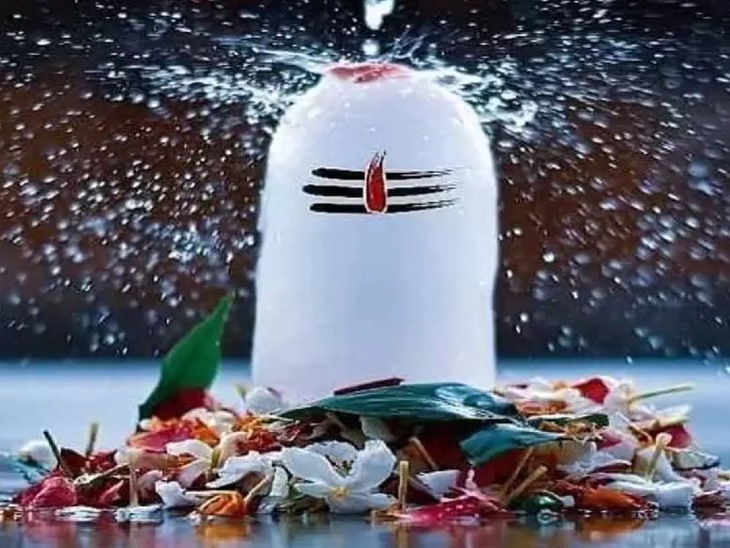
Offering water, milk, Bel Patra, flowers, and other traditional offerings to Lord Shiva is an important part of Shravan worship. Many devotees also perform or participate in Rudrabhishek and recite Shiva mantras such as the Maha Mrityunjaya Mantra and Om Namah Shivaya.
The essence of Shravan is not simply performing more rituals but cultivating devotion, discipline, compassion, and a peaceful state of mind.
Sawan Somwar: Mondays Dedicated to Lord Shiva
One of the most important traditions of Shravana Maas is Sawan Somwar Vrat. Every Monday during Shravan is considered especially auspicious for worshipping Lord Shiva.
Devotees may observe a fast, visit a Shiva temple, perform Abhishek, offer Bel Patra and water, and chant Shiva mantras. Some observe a complete fast, while others follow a specific vrat diet according to their family traditions.
Young unmarried devotees may also observe Sawan Somwar with the traditional belief that sincere worship can help them receive a suitable life partner. Married devotees often pray for family happiness, marital harmony, and the well-being of their loved ones.
Because fasting rules differ across communities, devotees should follow their family's established tradition or seek guidance from a knowledgeable priest.
Shravan Puja Vidhi
The Shravan Puja Vidhi can be performed simply at home or as part of a more elaborate temple ritual.
Begin by cleaning the puja space and taking a bath before worship. Place an idol or image of Lord Shiva and Goddess Parvati on a clean altar.
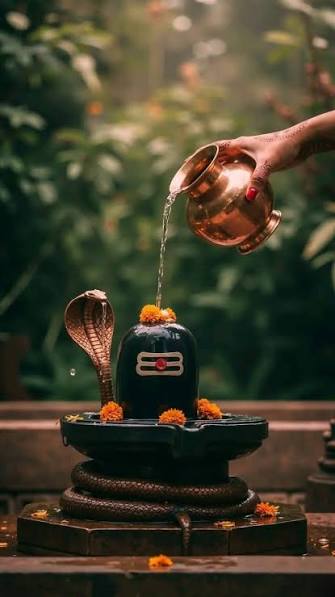
Light a diya and incense and begin the puja with prayers to Lord Ganesha. Then offer water to the Shiva Lingam, followed by traditional offerings such as milk, Bel Patra, flowers, sandalwood, fruits, and other naivedya according to your family tradition.
Devotees can chant Om Namah Shivaya, recite Shiva Chalisa, or listen to Shiva-related prayers and stories. The puja can conclude with Shiva Aarti and a prayer for peace, health, prosperity, and spiritual well-being.
For devotees who want traditional priestly guidance, Bhaktinama makes Shravan worship more convenient through Online Puja Booking and Online Pandit Booking.
Why Is Water Offered to Lord Shiva During Shravan?
Offering water to Lord Shiva is one of the most recognizable rituals of Shravan Maas.
This tradition is particularly connected with the story of Lord Shiva consuming Halahala poison during the Samudra Manthan. Devotees offer water and other traditional substances to the Shiva Lingam as an expression of devotion and reverence.
The monsoon season also makes water an important natural element during this period, further adding to the cultural significance of the practice.
Devotees should follow their family's established ritual traditions when deciding which substances to offer during Abhishek.
Importance of Bel Patra in Shravan Worship
Bel Patra, the leaves of the sacred Bael tree, have a special place in Lord Shiva worship. Offering Bel Patra to Shiva is considered highly auspicious.
Traditionally, the three leaflets are associated with different spiritual interpretations and are connected with Shiva's divine symbolism. Devotees carefully offer clean Bel Patra while chanting Shiva's name or mantra.
When collecting Bel Patra, devotees should avoid damaging the tree unnecessarily and should follow local religious customs.
Shravan Vrat and Fasting Traditions
Fasting is an important part of Shravana Maas for many devotees. Some observe fasts every Monday, while others observe fasting throughout particular days or festivals within the month.
Depending on the tradition, devotees may consume fruits, milk, permitted grains, or other fasting foods. Some people observe a stricter fast while others follow a simpler sattvic diet.
The purpose of vrat is traditionally understood as a combination of devotion, self-discipline, restraint, and spiritual focus. Fasting should be practiced according to one's health, age, and personal circumstances.
Important Festivals During Shravana Maas
Shravana is filled with important Hindu festivals and observances. Depending on the regional calendar, devotees may celebrate or observe festivals such as:
Nag Panchami
Nag Panchami is dedicated to the worship of Nag Devta. The festival is traditionally observed during Shravan Shukla Panchami and reflects the Hindu tradition of respecting serpents and the natural world.
Raksha Bandhan
Raksha Bandhan celebrates the bond between brothers and sisters. Sisters traditionally tie Rakhi around their brothers' wrists and pray for their well-being, while brothers express their affection and promise to support them.
Krishna Janmashtami
In some calendar traditions, Krishna Janmashtami may fall close to or within the later part of the Shravan-Bhadrapada period. The exact observance depends on the regional calendar and Panchang.
Sawan Somwar
Every Monday during Shravan carries special importance for Lord Shiva devotees. These Mondays are among the most widely observed religious days of the month.
Kanwar Yatra During Sawan
The Kanwar Yatra is another major devotional tradition associated with the month of Sawan. During the pilgrimage, Kanwariyas travel to sacred rivers and collect holy water, which they later offer to Lord Shiva at temples.
Devotees often undertake the journey on foot while chanting Shiva's name. The tradition reflects dedication, faith, endurance, and devotion.
One of the most famous destinations associated with the Kanwar Yatra is Baba Baidyanath Dham in Deoghar, Jharkhand, where devotees offer holy Ganga water to the Jyotirlinga.
Shravan and Rudrabhishek
Rudrabhishek is a significant Shiva worship ritual and is especially popular during Shravan Maas.
During Rudrabhishek, the Shiva Lingam is ceremonially bathed with substances prescribed by the relevant religious tradition while Vedic mantras and prayers are recited.
Many devotees perform Rudrabhishek to seek spiritual peace, protection, prosperity, and the blessings of Lord Shiva.
If arranging a traditional ceremony personally is difficult, Bhaktinama's Online Puja Booking can provide a convenient way to arrange religious services during the sacred month.
What to Offer to Lord Shiva During Shravan?
Common traditional offerings include:
Water
Bel Patra
Flowers
Milk, according to one's tradition
Fruits
Sandalwood
Dhatura, where traditionally offered
Akshat
Incense
Diya
Naivedya
The exact offerings may vary between temples, regions, and family traditions. Devotion and sincerity are considered more important than the quantity or cost of offerings.
What Should Be Avoided During Shravan Maas?
Many devotees follow a sattvic lifestyle during Shravan and avoid activities considered unsuitable for a period dedicated to spiritual discipline.
Common traditional practices include avoiding excessive consumption of tamasic foods, maintaining cleanliness, speaking respectfully, and refraining from harmful or dishonest actions.
Food restrictions also vary widely by region and community. Some devotees avoid specific foods while others follow a complete vrat on particular days.
Rather than treating every regional custom as a universal rule, devotees should follow the traditions of their family and community.
How to Observe Shravan Maas at Home
You do not need elaborate arrangements to observe Shravana Maas. A simple daily practice can include lighting a diya, offering water to Shiva, chanting Om Namah Shivaya, reading a Shiva-related scripture or story, and spending a few minutes in prayer or meditation.
On Mondays, devotees can perform a more detailed puja or visit a nearby Shiva temple.
Those who want to arrange traditional puja materials can also use Online Puja Samagri Booking, while Online Temple Booking can help devotees plan temple visits and religious observances conveniently.
The Deeper Message of Shravana Maas
Shravana Maas is ultimately about devotion and transformation. The stories associated with Lord Shiva remind devotees of sacrifice, compassion, self-control, and the responsibility to protect others.
The monsoon landscape itself represents renewal. Just as the earth receives water and becomes fertile again, Shravan encourages devotees to renew their spiritual practices and bring greater peace and discipline into their lives.
The month therefore offers an opportunity to move beyond ritual alone and focus on the values that those rituals represent.
Celebrate Shravana Maas with Bhaktinama
For devotees who wish to observe Shravana Maas with traditional rituals, Bhaktinama offers convenient spiritual services including Online Puja Booking, Online Pandit Booking, Online Temple Booking, and Online Puja Samagri Booking.
From arranging a Shiva puja and Rudrabhishek to finding the necessary puja samagri, these services can help devotees observe the sacred month with greater convenience while keeping the focus on faith and devotion.
Conclusion
Shravana Maas, or Sawan, is one of the most sacred months in Hindu tradition. Dedicated especially to Lord Shiva, it is a period of fasting, prayer, temple worship, Rudrabhishek, mantra chanting, and spiritual reflection.
The observance of Sawan Somwar, the significance of Bel Patra and water offerings, the Kanwar Yatra, and festivals such as Nag Panchami and Raksha Bandhan make this month an important part of the Hindu religious calendar.
Whether observed through a simple daily prayer at home or an elaborate temple ritual, the true spirit of Shravan lies in devotion, discipline, compassion, and remembrance of the divine.
Shravan arrives during the monsoon season, bringing an atmosphere of renewal and devotion. Temples dedicated to Lord Shiva become especially active, devotees observe Sawan Somwar Vrat, and many people undertake spiritual practices throughout the month.
The exact beginning and ending dates of Shravana Maas vary according to the Hindu calendar system followed in different regions. In North India, where the Purnimanta calendar is commonly followed, Shravan is observed at a different time from regions that follow the Amanta calendar. Therefore, devotees should refer to their local Panchang when determining the exact dates and auspicious timings.
Importance of Shravana Maas
Shravana Maas holds a special position in Hindu tradition because of its close association with Lord Shiva. Devotees believe that worshipping Shiva during this month brings spiritual merit, peace, and divine blessings.
The month is also connected with several important stories from Hindu mythology. One of the most famous is the Samudra Manthan, during which the devas and asuras churned the cosmic ocean to obtain Amrit. When the deadly poison Halahala emerged, Lord Shiva consumed it to protect the universe. According to tradition, Goddess Parvati stopped the poison from reaching His body, leaving Shiva's throat blue and giving Him the name Neelkantha.
The association of Shravan with Shiva is therefore deeply connected with ideas of sacrifice, protection, devotion, and cosmic balance.
Spiritual Significance of Shravan Maas
Shravan Maas is considered an ideal time to turn inward and strengthen one's spiritual practices. Devotees often use this month to reduce distractions, observe vrat, visit temples, chant mantras, and spend more time in prayer.
Offering water, milk, Bel Patra, flowers, and other traditional offerings to Lord Shiva is an important part of Shravan worship. Many devotees also perform or participate in Rudrabhishek and recite Shiva mantras such as the Maha Mrityunjaya Mantra and Om Namah Shivaya.
The essence of Shravan is not simply performing more rituals but cultivating devotion, discipline, compassion, and a peaceful state of mind.
Sawan Somwar: Mondays Dedicated to Lord Shiva
One of the most important traditions of Shravana Maas is Sawan Somwar Vrat. Every Monday during Shravan is considered especially auspicious for worshipping Lord Shiva.
Devotees may observe a fast, visit a Shiva temple, perform Abhishek, offer Bel Patra and water, and chant Shiva mantras. Some observe a complete fast, while others follow a specific vrat diet according to their family traditions.
Young unmarried devotees may also observe Sawan Somwar with the traditional belief that sincere worship can help them receive a suitable life partner. Married devotees often pray for family happiness, marital harmony, and the well-being of their loved ones.
Because fasting rules differ across communities, devotees should follow their family's established tradition or seek guidance from a knowledgeable priest.
Shravan Puja Vidhi
The Shravan Puja Vidhi can be performed simply at home or as part of a more elaborate temple ritual.
Begin by cleaning the puja space and taking a bath before worship. Place an idol or image of Lord Shiva and Goddess Parvati on a clean altar.
Light a diya and incense and begin the puja with prayers to Lord Ganesha. Then offer water to the Shiva Lingam, followed by traditional offerings such as milk, Bel Patra, flowers, sandalwood, fruits, and other naivedya according to your family tradition.
Devotees can chant Om Namah Shivaya, recite Shiva Chalisa, or listen to Shiva-related prayers and stories. The puja can conclude with Shiva Aarti and a prayer for peace, health, prosperity, and spiritual well-being.
For devotees who want traditional priestly guidance, Bhaktinama makes Shravan worship more convenient through Online Puja Booking and Online Pandit Booking.
Why Is Water Offered to Lord Shiva During Shravan?
Offering water to Lord Shiva is one of the most recognizable rituals of Shravan Maas.
This tradition is particularly connected with the story of Lord Shiva consuming Halahala poison during the Samudra Manthan. Devotees offer water and other traditional substances to the Shiva Lingam as an expression of devotion and reverence.
The monsoon season also makes water an important natural element during this period, further adding to the cultural significance of the practice.
Devotees should follow their family's established ritual traditions when deciding which substances to offer during Abhishek.
Importance of Bel Patra in Shravan Worship
Bel Patra, the leaves of the sacred Bael tree, have a special place in Lord Shiva worship. Offering Bel Patra to Shiva is considered highly auspicious.
Traditionally, the three leaflets are associated with different spiritual interpretations and are connected with Shiva's divine symbolism. Devotees carefully offer clean Bel Patra while chanting Shiva's name or mantra.
When collecting Bel Patra, devotees should avoid damaging the tree unnecessarily and should follow local religious customs.
Shravan Vrat and Fasting Traditions
Fasting is an important part of Shravana Maas for many devotees. Some observe fasts every Monday, while others observe fasting throughout particular days or festivals within the month.
Depending on the tradition, devotees may consume fruits, milk, permitted grains, or other fasting foods. Some people observe a stricter fast while others follow a simpler sattvic diet.
The purpose of vrat is traditionally understood as a combination of devotion, self-discipline, restraint, and spiritual focus. Fasting should be practiced according to one's health, age, and personal circumstances.
Important Festivals During Shravana Maas
Shravana is filled with important Hindu festivals and observances. Depending on the regional calendar, devotees may celebrate or observe festivals such as:
Nag Panchami
Nag Panchami is dedicated to the worship of Nag Devta. The festival is traditionally observed during Shravan Shukla Panchami and reflects the Hindu tradition of respecting serpents and the natural world.
Raksha Bandhan
Raksha Bandhan celebrates the bond between brothers and sisters. Sisters traditionally tie Rakhi around their brothers' wrists and pray for their well-being, while brothers express their affection and promise to support them.
Krishna Janmashtami
In some calendar traditions, Krishna Janmashtami may fall close to or within the later part of the Shravan-Bhadrapada period. The exact observance depends on the regional calendar and Panchang.
Sawan Somwar
Every Monday during Shravan carries special importance for Lord Shiva devotees. These Mondays are among the most widely observed religious days of the month.
Kanwar Yatra During Sawan
The Kanwar Yatra is another major devotional tradition associated with the month of Sawan. During the pilgrimage, Kanwariyas travel to sacred rivers and collect holy water, which they later offer to Lord Shiva at temples.
Devotees often undertake the journey on foot while chanting Shiva's name. The tradition reflects dedication, faith, endurance, and devotion.
One of the most famous destinations associated with the Kanwar Yatra is Baba Baidyanath Dham in Deoghar, Jharkhand, where devotees offer holy Ganga water to the Jyotirlinga.
Shravan and Rudrabhishek
Rudrabhishek is a significant Shiva worship ritual and is especially popular during Shravan Maas.
During Rudrabhishek, the Shiva Lingam is ceremonially bathed with substances prescribed by the relevant religious tradition while Vedic mantras and prayers are recited.
Many devotees perform Rudrabhishek to seek spiritual peace, protection, prosperity, and the blessings of Lord Shiva.
If arranging a traditional ceremony personally is difficult, Bhaktinama's Online Puja Booking can provide a convenient way to arrange religious services during the sacred month.
What to Offer to Lord Shiva During Shravan?
Common traditional offerings include:
Water
Bel Patra
Flowers
Milk, according to one's tradition
Fruits
Sandalwood
Dhatura, where traditionally offered
Akshat
Incense
Diya
Naivedya
The exact offerings may vary between temples, regions, and family traditions. Devotion and sincerity are considered more important than the quantity or cost of offerings.
What Should Be Avoided During Shravan Maas?
Many devotees follow a sattvic lifestyle during Shravan and avoid activities considered unsuitable for a period dedicated to spiritual discipline.
Common traditional practices include avoiding excessive consumption of tamasic foods, maintaining cleanliness, speaking respectfully, and refraining from harmful or dishonest actions.
Food restrictions also vary widely by region and community. Some devotees avoid specific foods while others follow a complete vrat on particular days.
Rather than treating every regional custom as a universal rule, devotees should follow the traditions of their family and community.
How to Observe Shravan Maas at Home
You do not need elaborate arrangements to observe Shravana Maas. A simple daily practice can include lighting a diya, offering water to Shiva, chanting Om Namah Shivaya, reading a Shiva-related scripture or story, and spending a few minutes in prayer or meditation.
On Mondays, devotees can perform a more detailed puja or visit a nearby Shiva temple.
Those who want to arrange traditional puja materials can also use Online Puja Samagri Booking, while Online Temple Booking can help devotees plan temple visits and religious observances conveniently.
The Deeper Message of Shravana Maas
Shravana Maas is ultimately about devotion and transformation. The stories associated with Lord Shiva remind devotees of sacrifice, compassion, self-control, and the responsibility to protect others.
The monsoon landscape itself represents renewal. Just as the earth receives water and becomes fertile again, Shravan encourages devotees to renew their spiritual practices and bring greater peace and discipline into their lives.
The month therefore offers an opportunity to move beyond ritual alone and focus on the values that those rituals represent.
Celebrate Shravana Maas with Bhaktinama
For devotees who wish to observe Shravana Maas with traditional rituals, Bhaktinama offers convenient spiritual services including Online Puja Booking, Online Pandit Booking, Online Temple Booking, and Online Puja Samagri Booking.
From arranging a Shiva puja and Rudrabhishek to finding the necessary puja samagri, these services can help devotees observe the sacred month with greater convenience while keeping the focus on faith and devotion.
Conclusion
Shravana Maas, or Sawan, is one of the most sacred months in Hindu tradition. Dedicated especially to Lord Shiva, it is a period of fasting, prayer, temple worship, Rudrabhishek, mantra chanting, and spiritual reflection.
The observance of Sawan Somwar, the significance of Bel Patra and water offerings, the Kanwar Yatra, and festivals such as Nag Panchami and Raksha Bandhan make this month an important part of the Hindu religious calendar.
Whether observed through a simple daily prayer at home or an elaborate temple ritual, the true spirit of Shravan lies in devotion, discipline, compassion, and remembrance of the divine.