
July 23, 2026
Festival Fast
6 min read
Pradosh Vrat and Shivratri Significance, Importance
Discover why Pradosh Vrat and Shivratri are celebrated, how many times they occur each year, their spiritual significance, and the most important Shiva observances. Learn how Bhaktinama helps devotees perform Shiva puja with ease.
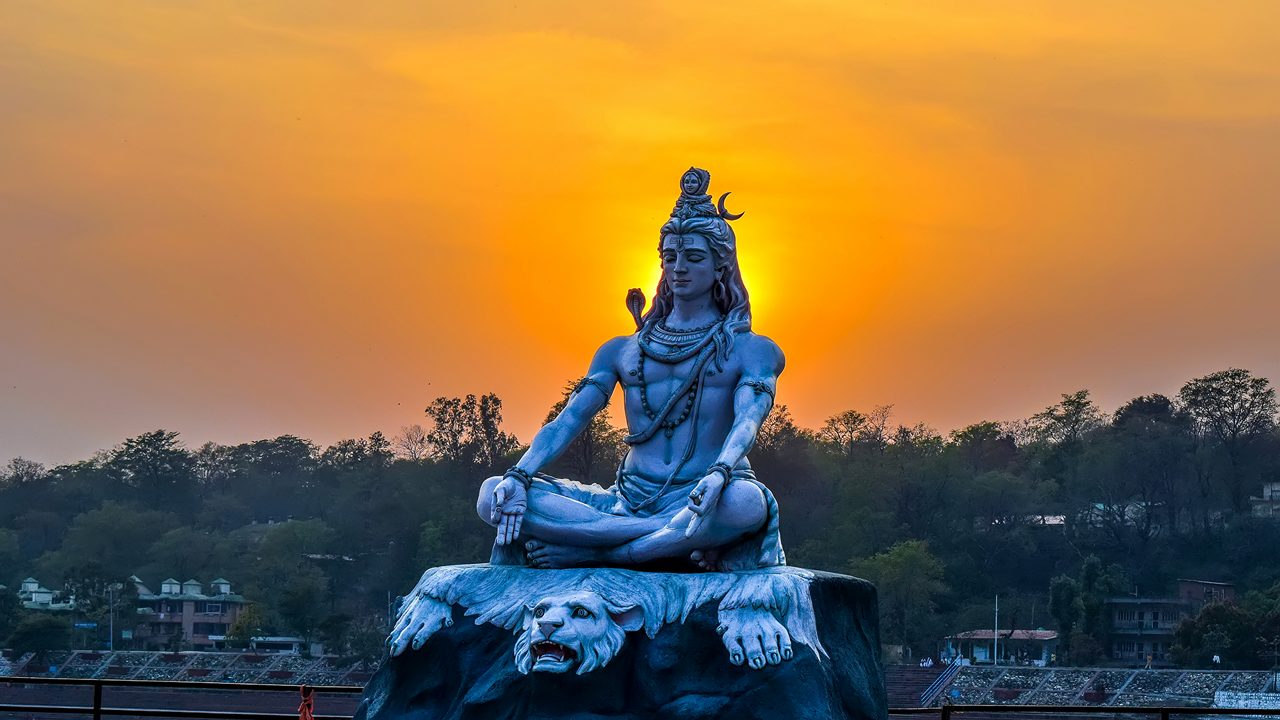
Lord Shiva, the destroyer of evil and the embodiment of transformation, holds a special place in Hindu worship. Among the many festivals and fasts dedicated to Mahadev, Pradosh Vrat and Shivratri are considered particularly sacred. Both occasions offer devotees an opportunity to deepen their devotion, seek divine blessings, and progress on the spiritual path.
Although both are dedicated to Lord Shiva, they are observed at different times and carry unique spiritual significance. Understanding why these observances are celebrated and how often they occur throughout the year helps devotees appreciate their importance even more.
Pradosh Vrat
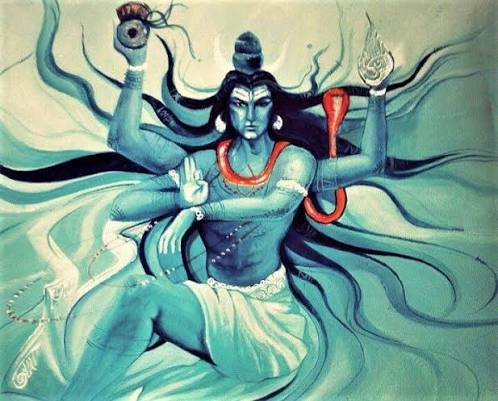
Pradosh Vrat is observed during the auspicious twilight period known as Pradosh Kaal, which occurs shortly after sunset on Trayodashi Tithi. Hindu scriptures describe this time as especially favorable for worshipping Lord Shiva. It is believed that during this sacred period, Lord Shiva performs the divine Tandava while the gods and celestial beings gather to offer their prayers.
Devotees observe Pradosh Vrat to seek forgiveness for past mistakes, remove obstacles from life, and attain peace, prosperity, and spiritual growth. The vrat is also associated with balancing karmic influences and strengthening one's connection with Lord Shiva and Goddess Parvati.
On this day, devotees fast, visit Shiva temples, perform Abhishek of the Shivling, offer Bilva leaves, chant sacred mantras, and participate in prayers dedicated to Mahadev. For devotees who cannot personally arrange these rituals, Bhaktinama provides convenient access to Online Puja Booking, Online Pandit Booking, Online Temple Booking, and Online Puja Samagri Booking, helping them perform Shiva worship according to traditional Vedic practices.
One of the unique aspects of Pradosh Vrat is its frequency. Since it falls on Trayodashi Tithi during both the waxing and waning phases of the moon, it is observed twice every lunar month. As a result, devotees generally observe twenty-four Pradosh Vrats in a year. During years that include an Adhik Maas, the number may increase to twenty-six.
This regular occurrence allows devotees to worship Lord Shiva consistently throughout the year and maintain a disciplined spiritual practice.
The Importance of Different Pradosh Vrats
While every Pradosh Vrat is considered auspicious, certain Pradosh observances receive special attention depending on the weekday on which they fall.
Som Pradosh, occurring on a Monday, is especially popular among devotees seeking marital harmony, peace, and fulfillment of wishes. Shani Pradosh, observed on a Saturday, is believed to help reduce difficulties associated with Shani Dev and is often observed by those seeking relief from obstacles and hardships. Other forms of Pradosh are also considered beneficial for health, prosperity, education, family well-being, and spiritual advancement.
Regardless of the specific day, the central purpose remains the same: sincere devotion to Lord Shiva and the cultivation of inner purity.
Shivratri
The word Shivratri literally means "The Night of Shiva." It is one of the most revered occasions in Shaivism and is dedicated entirely to the worship of Mahadev.
Several sacred traditions explain the significance of Shivratri. One widely accepted belief is that it commemorates the divine marriage of Lord Shiva and Goddess Parvati. Another tradition describes it as the night when Lord Shiva manifested as an infinite pillar of divine light, revealing His limitless and eternal nature to the universe.
Beyond these stories, Shivratri symbolizes spiritual awakening. Devotees spend the night in prayer, meditation, chanting, and worship, seeking to transcend worldly distractions and move closer to divine consciousness.
Many people associate Shivratri only with Mahashivratri, but Shivratri is actually observed every month. Monthly Shivratri falls on the Krishna Paksha Chaturdashi Tithi, making it a recurring opportunity for Shiva worship.
As there are twelve lunar months in a year, devotees generally observe twelve Shivratris annually. During an Adhik Maas year, the number may increase to thirteen.
Each monthly Shivratri is spiritually significant and offers devotees a chance to engage in prayer, fasting, and self-reflection. However, one Shivratri stands above all others in terms of religious importance.
Mahashivratri: The Most Important Shivratri
Among all Shiva observances, Mahashivratri is regarded as the most sacred. Celebrated during the month of Phalguna, it attracts millions of devotees across India and around the world.
On this holy night, devotees observe strict fasting, remain awake throughout the night, perform multiple rounds of Shiva worship, and chant the sacred mantra "Om Namah Shivaya." Temples witness large gatherings, and special Abhishek ceremonies are conducted using milk, honey, water, curd, ghee, and Bilva leaves.
Mahashivratri is believed to be especially powerful for spiritual growth, purification of the mind, and receiving the grace of Lord Shiva. Many devotees also choose this occasion to perform Rudrabhishek and other elaborate rituals. Through Bhaktinama, devotees can arrange these sacred ceremonies through Online Pandit Booking and Online Puja Booking, ensuring that traditional worship is conducted properly even when they are unable to visit a temple personally.
The Spiritual Significance of Pradosh and Shivratri
Although Pradosh and Shivratri are observed differently, both share a common spiritual purpose. They encourage devotees to pause from their daily routines and dedicate time to prayer, self-discipline, and devotion.
Fasting on these occasions is believed to purify the body and mind. Chanting Shiva mantras helps cultivate inner peace, while temple visits and charitable acts encourage humility and gratitude. Most importantly, these observances remind devotees of Lord Shiva's teachings of detachment, transformation, and spiritual awareness.
Many devotees also perform Rudrabhishek, Maha Mrityunjaya Jaap, and special Shiva Pujas during these occasions. With services such as Online Temple Booking, Online Puja Samagri Booking, and Online Pandit Booking, Bhaktinama helps devotees participate in these sacred traditions with convenience while preserving their spiritual authenticity.
Conclusion
Pradosh Vrat and Shivratri are not merely dates on the Hindu calendar; they are opportunities for spiritual renewal and deeper devotion to Lord Shiva. Pradosh Vrat, observed twice every month during the sacred twilight period, allows devotees to regularly seek Shiva's blessings and guidance. Shivratri, celebrated every month and culminating in the grand observance of Mahashivratri, represents a powerful night of prayer, meditation, and divine connection.
Together, these sacred observances continue to inspire millions of devotees to walk the path of devotion, self-discipline, and spiritual growth. Whether through temple visits, fasting, mantra chanting, or special pujas, worshipping Lord Shiva during Pradosh and Shivratri remains one of the most cherished traditions in Hinduism. Through Bhaktinama's Online Puja Booking, Online Pandit Booking, Online Temple Booking, and Online Puja Samagri Booking services, devotees can stay connected to these timeless traditions and perform Shiva worship with ease, regardless of where they are.
Although both are dedicated to Lord Shiva, they are observed at different times and carry unique spiritual significance. Understanding why these observances are celebrated and how often they occur throughout the year helps devotees appreciate their importance even more.
Pradosh Vrat
Pradosh Vrat is observed during the auspicious twilight period known as Pradosh Kaal, which occurs shortly after sunset on Trayodashi Tithi. Hindu scriptures describe this time as especially favorable for worshipping Lord Shiva. It is believed that during this sacred period, Lord Shiva performs the divine Tandava while the gods and celestial beings gather to offer their prayers.
Devotees observe Pradosh Vrat to seek forgiveness for past mistakes, remove obstacles from life, and attain peace, prosperity, and spiritual growth. The vrat is also associated with balancing karmic influences and strengthening one's connection with Lord Shiva and Goddess Parvati.
On this day, devotees fast, visit Shiva temples, perform Abhishek of the Shivling, offer Bilva leaves, chant sacred mantras, and participate in prayers dedicated to Mahadev. For devotees who cannot personally arrange these rituals, Bhaktinama provides convenient access to Online Puja Booking, Online Pandit Booking, Online Temple Booking, and Online Puja Samagri Booking, helping them perform Shiva worship according to traditional Vedic practices.
One of the unique aspects of Pradosh Vrat is its frequency. Since it falls on Trayodashi Tithi during both the waxing and waning phases of the moon, it is observed twice every lunar month. As a result, devotees generally observe twenty-four Pradosh Vrats in a year. During years that include an Adhik Maas, the number may increase to twenty-six.
This regular occurrence allows devotees to worship Lord Shiva consistently throughout the year and maintain a disciplined spiritual practice.
The Importance of Different Pradosh Vrats
While every Pradosh Vrat is considered auspicious, certain Pradosh observances receive special attention depending on the weekday on which they fall.
Som Pradosh, occurring on a Monday, is especially popular among devotees seeking marital harmony, peace, and fulfillment of wishes. Shani Pradosh, observed on a Saturday, is believed to help reduce difficulties associated with Shani Dev and is often observed by those seeking relief from obstacles and hardships. Other forms of Pradosh are also considered beneficial for health, prosperity, education, family well-being, and spiritual advancement.
Regardless of the specific day, the central purpose remains the same: sincere devotion to Lord Shiva and the cultivation of inner purity.
Shivratri
The word Shivratri literally means "The Night of Shiva." It is one of the most revered occasions in Shaivism and is dedicated entirely to the worship of Mahadev.
Several sacred traditions explain the significance of Shivratri. One widely accepted belief is that it commemorates the divine marriage of Lord Shiva and Goddess Parvati. Another tradition describes it as the night when Lord Shiva manifested as an infinite pillar of divine light, revealing His limitless and eternal nature to the universe.
Beyond these stories, Shivratri symbolizes spiritual awakening. Devotees spend the night in prayer, meditation, chanting, and worship, seeking to transcend worldly distractions and move closer to divine consciousness.
Many people associate Shivratri only with Mahashivratri, but Shivratri is actually observed every month. Monthly Shivratri falls on the Krishna Paksha Chaturdashi Tithi, making it a recurring opportunity for Shiva worship.
As there are twelve lunar months in a year, devotees generally observe twelve Shivratris annually. During an Adhik Maas year, the number may increase to thirteen.
Each monthly Shivratri is spiritually significant and offers devotees a chance to engage in prayer, fasting, and self-reflection. However, one Shivratri stands above all others in terms of religious importance.
Mahashivratri: The Most Important Shivratri
Among all Shiva observances, Mahashivratri is regarded as the most sacred. Celebrated during the month of Phalguna, it attracts millions of devotees across India and around the world.
On this holy night, devotees observe strict fasting, remain awake throughout the night, perform multiple rounds of Shiva worship, and chant the sacred mantra "Om Namah Shivaya." Temples witness large gatherings, and special Abhishek ceremonies are conducted using milk, honey, water, curd, ghee, and Bilva leaves.
Mahashivratri is believed to be especially powerful for spiritual growth, purification of the mind, and receiving the grace of Lord Shiva. Many devotees also choose this occasion to perform Rudrabhishek and other elaborate rituals. Through Bhaktinama, devotees can arrange these sacred ceremonies through Online Pandit Booking and Online Puja Booking, ensuring that traditional worship is conducted properly even when they are unable to visit a temple personally.
The Spiritual Significance of Pradosh and Shivratri
Although Pradosh and Shivratri are observed differently, both share a common spiritual purpose. They encourage devotees to pause from their daily routines and dedicate time to prayer, self-discipline, and devotion.
Fasting on these occasions is believed to purify the body and mind. Chanting Shiva mantras helps cultivate inner peace, while temple visits and charitable acts encourage humility and gratitude. Most importantly, these observances remind devotees of Lord Shiva's teachings of detachment, transformation, and spiritual awareness.
Many devotees also perform Rudrabhishek, Maha Mrityunjaya Jaap, and special Shiva Pujas during these occasions. With services such as Online Temple Booking, Online Puja Samagri Booking, and Online Pandit Booking, Bhaktinama helps devotees participate in these sacred traditions with convenience while preserving their spiritual authenticity.
Conclusion
Pradosh Vrat and Shivratri are not merely dates on the Hindu calendar; they are opportunities for spiritual renewal and deeper devotion to Lord Shiva. Pradosh Vrat, observed twice every month during the sacred twilight period, allows devotees to regularly seek Shiva's blessings and guidance. Shivratri, celebrated every month and culminating in the grand observance of Mahashivratri, represents a powerful night of prayer, meditation, and divine connection.
Together, these sacred observances continue to inspire millions of devotees to walk the path of devotion, self-discipline, and spiritual growth. Whether through temple visits, fasting, mantra chanting, or special pujas, worshipping Lord Shiva during Pradosh and Shivratri remains one of the most cherished traditions in Hinduism. Through Bhaktinama's Online Puja Booking, Online Pandit Booking, Online Temple Booking, and Online Puja Samagri Booking services, devotees can stay connected to these timeless traditions and perform Shiva worship with ease, regardless of where they are.