
September 03, 2026
Festival Fast
4 min read
Janmashtami 2026: Significance, Story of Lord Krishna’s Birth and Ways to Celebrate
Discover the significance of Janmashtami 2026, the story of Lord Krishna’s birth, traditional rituals, fasting practices, and spiritual ways to celebrate this sacred Hindu festival.
Janmashtami, also known as Krishna Janmashtami, is one of the most revered festivals in Hinduism. It celebrates the birth of Lord Krishna, the eighth avatar of Lord Vishnu, who appeared on Earth to restore dharma and guide humanity towards truth and righteousness.
Devotees observe the festival with fasting, prayers, bhajans, Krishna’s childhood stories, and midnight celebrations. Temples and homes are beautifully decorated, while devotees welcome Krishna with devotion and joy.
The Story Behind Janmashtami
According to Hindu scriptures, Lord Krishna was born in Mathura to Devaki and Vasudeva. Devaki's brother, the tyrannical King Kansa, had been warned by a divine prophecy that Devaki's eighth son would become the cause of his downfall.
Fearing the prophecy, Kansa imprisoned Devaki and Vasudeva. He killed their children one after another. When Krishna was born at midnight, however, divine intervention helped Vasudeva safely carry the newborn Krishna across the Yamuna River to Gokul.
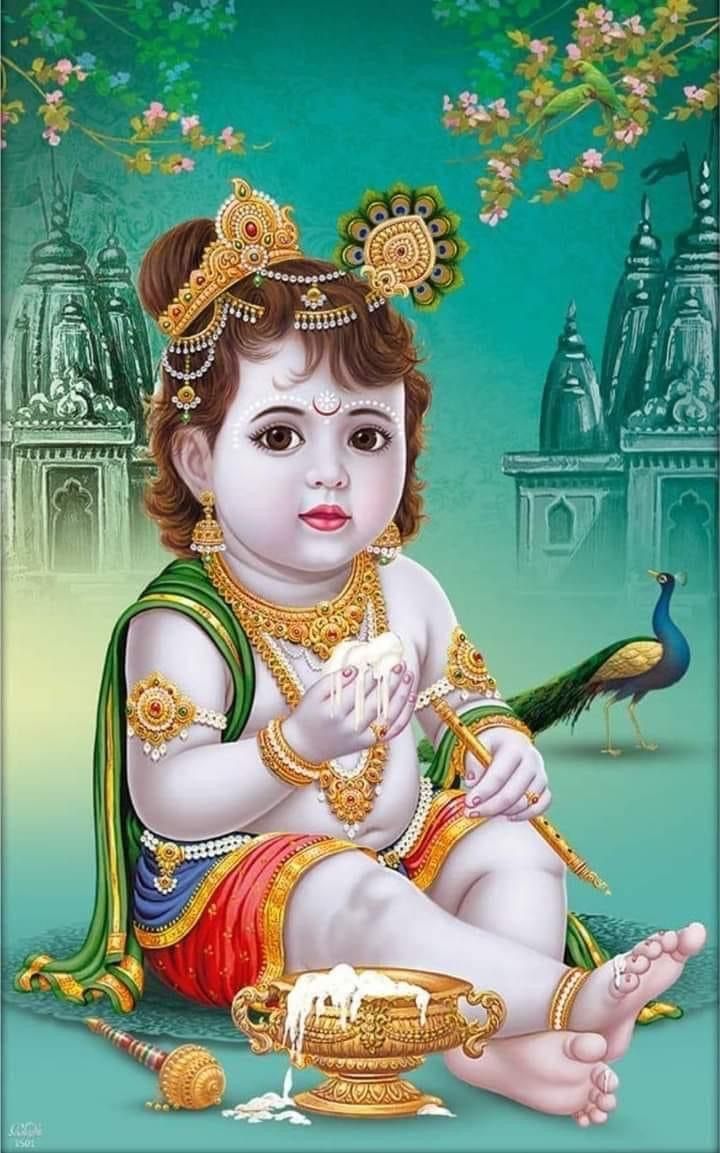
Krishna was raised by Nanda Baba and Yashoda, and his childhood in Gokul and Vrindavan became filled with stories of his playful nature, compassion, and divine wisdom.
Why Is Janmashtami Celebrated?
Janmashtami represents the victory of dharma over adharma. Lord Krishna's life teaches that righteousness ultimately prevails, even during difficult times.
The festival also reminds devotees of Krishna's teachings about duty, devotion, compassion, and maintaining balance in life. His message in the Bhagavad Gita continues to guide people towards performing their responsibilities without being attached to the results.
Janmashtami Rituals and Traditions
Devotees follow several traditions on this sacred occasion:
Fasting: Many devotees observe a fast during the day and break it after Krishna's birth at midnight.
Midnight celebration: Krishna's birth is traditionally celebrated at midnight with prayers, bells, conch shells, and devotional songs.
Jhanki and decoration: Homes and temples are decorated with images of Krishna's childhood, flowers, lights, and swings.
Bhajans and kirtans: Devotees sing devotional songs dedicated to Krishna.
Abhishekam: Krishna's idol is traditionally bathed with milk, curd, honey, ghee, and other sacred offerings.
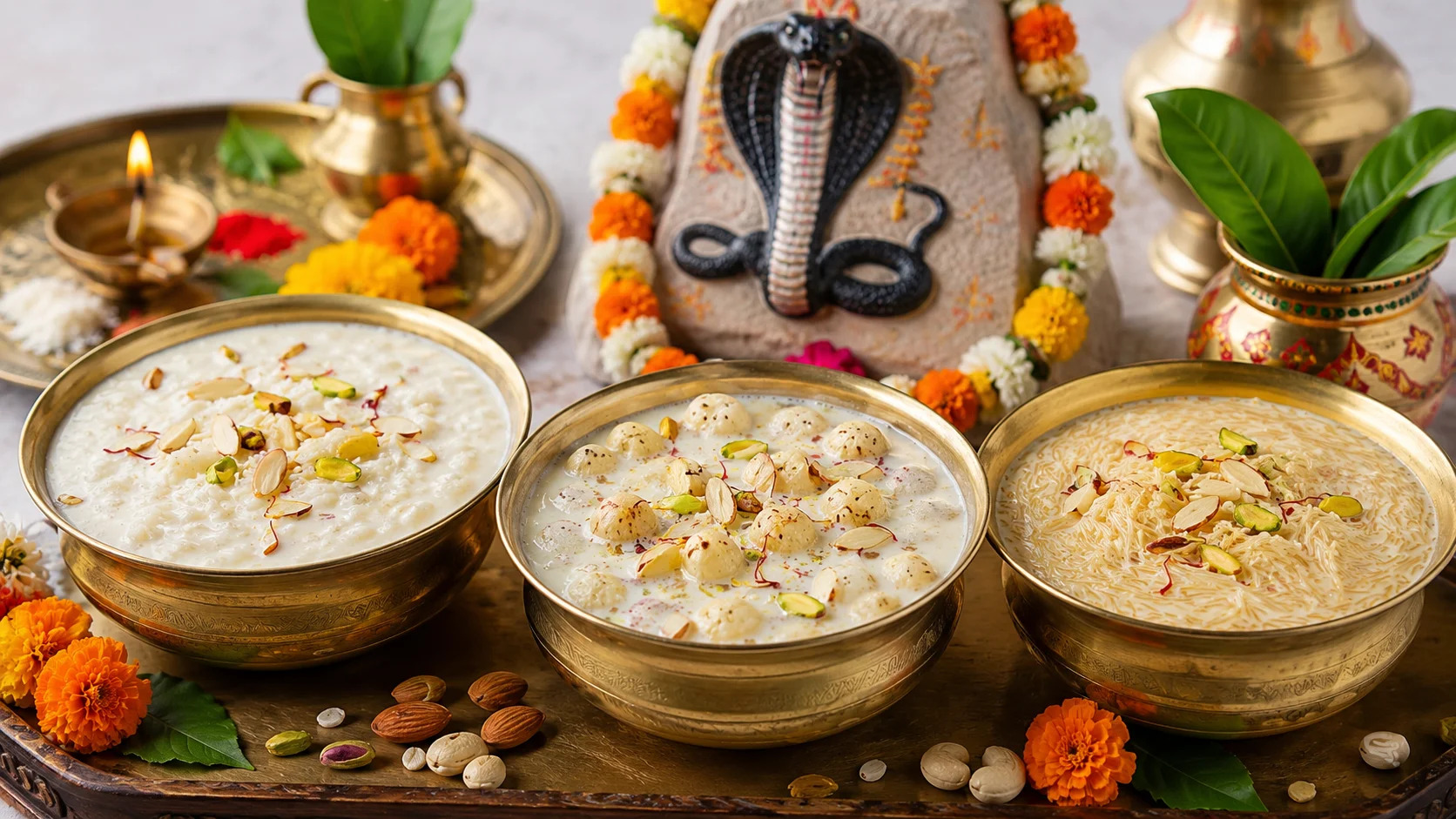
Bhog: Devotees prepare and offer various sweets and traditional foods to Krishna before distributing them as prasad.
Dahi Handi and Krishna's Childhood
One of the most popular traditions associated with Krishna's childhood is Dahi Handi. It celebrates Krishna's playful habit of stealing butter and curd from the homes of Gokul.
During Dahi Handi celebrations, groups form human pyramids to reach and break a pot filled with curd or other offerings. The tradition represents Krishna's playful personality while also highlighting teamwork, unity, and community spirit.
Spiritual Significance of Janmashtami
Janmashtami is more than a celebration of Krishna's birth. It is an opportunity for devotees to reflect on the values represented by Krishna.
His life teaches us to remain courageous during difficult circumstances, perform our duties sincerely, stand against injustice, and maintain faith in the divine.
The celebration of Krishna's birth at midnight also carries a beautiful spiritual symbolism: even in the darkest moments, divine light can emerge and restore hope.
How to Celebrate Janmashtami at Home
You can celebrate Janmashtami in a simple and meaningful way at home:
Clean and decorate your prayer space.
Place a Krishna idol or image on a decorated jhula.
Observe a fast according to your health and personal practice.
Chant Krishna mantras or read verses from the Bhagavad Gita.
Prepare and offer bhog to Lord Krishna.
Join midnight prayers and devotional celebrations.
Share prasad and spend time with family in remembrance of Krishna.
For devotees who wish to perform the rituals traditionally, Bhaktinama makes spiritual services more accessible through online pandit booking, online puja booking, online temple booking, and online puja samagri booking.
Celebrate the Birth of Krishna with Devotion
Janmashtami brings together devotion, celebration, music, traditions, and the timeless teachings of Lord Krishna. Whether through fasting, prayer, chanting, decorating a Krishna jhula, or simply remembering his teachings, the festival offers an opportunity to bring greater faith and positivity into our lives.
As devotees celebrate the divine birth of Krishna, Janmashtami reminds us that when darkness grows, righteousness and divine consciousness can always illuminate the path forward.
Hare Krishna!
Devotees observe the festival with fasting, prayers, bhajans, Krishna’s childhood stories, and midnight celebrations. Temples and homes are beautifully decorated, while devotees welcome Krishna with devotion and joy.
The Story Behind Janmashtami
According to Hindu scriptures, Lord Krishna was born in Mathura to Devaki and Vasudeva. Devaki's brother, the tyrannical King Kansa, had been warned by a divine prophecy that Devaki's eighth son would become the cause of his downfall.
Fearing the prophecy, Kansa imprisoned Devaki and Vasudeva. He killed their children one after another. When Krishna was born at midnight, however, divine intervention helped Vasudeva safely carry the newborn Krishna across the Yamuna River to Gokul.
Krishna was raised by Nanda Baba and Yashoda, and his childhood in Gokul and Vrindavan became filled with stories of his playful nature, compassion, and divine wisdom.
Why Is Janmashtami Celebrated?
Janmashtami represents the victory of dharma over adharma. Lord Krishna's life teaches that righteousness ultimately prevails, even during difficult times.
The festival also reminds devotees of Krishna's teachings about duty, devotion, compassion, and maintaining balance in life. His message in the Bhagavad Gita continues to guide people towards performing their responsibilities without being attached to the results.
Janmashtami Rituals and Traditions
Devotees follow several traditions on this sacred occasion:
Fasting: Many devotees observe a fast during the day and break it after Krishna's birth at midnight.
Midnight celebration: Krishna's birth is traditionally celebrated at midnight with prayers, bells, conch shells, and devotional songs.
Jhanki and decoration: Homes and temples are decorated with images of Krishna's childhood, flowers, lights, and swings.
Bhajans and kirtans: Devotees sing devotional songs dedicated to Krishna.
Abhishekam: Krishna's idol is traditionally bathed with milk, curd, honey, ghee, and other sacred offerings.
Bhog: Devotees prepare and offer various sweets and traditional foods to Krishna before distributing them as prasad.
Dahi Handi and Krishna's Childhood
One of the most popular traditions associated with Krishna's childhood is Dahi Handi. It celebrates Krishna's playful habit of stealing butter and curd from the homes of Gokul.
During Dahi Handi celebrations, groups form human pyramids to reach and break a pot filled with curd or other offerings. The tradition represents Krishna's playful personality while also highlighting teamwork, unity, and community spirit.
Spiritual Significance of Janmashtami
Janmashtami is more than a celebration of Krishna's birth. It is an opportunity for devotees to reflect on the values represented by Krishna.
His life teaches us to remain courageous during difficult circumstances, perform our duties sincerely, stand against injustice, and maintain faith in the divine.
The celebration of Krishna's birth at midnight also carries a beautiful spiritual symbolism: even in the darkest moments, divine light can emerge and restore hope.
How to Celebrate Janmashtami at Home
You can celebrate Janmashtami in a simple and meaningful way at home:
Clean and decorate your prayer space.
Place a Krishna idol or image on a decorated jhula.
Observe a fast according to your health and personal practice.
Chant Krishna mantras or read verses from the Bhagavad Gita.
Prepare and offer bhog to Lord Krishna.
Join midnight prayers and devotional celebrations.
Share prasad and spend time with family in remembrance of Krishna.
For devotees who wish to perform the rituals traditionally, Bhaktinama makes spiritual services more accessible through online pandit booking, online puja booking, online temple booking, and online puja samagri booking.
Celebrate the Birth of Krishna with Devotion
Janmashtami brings together devotion, celebration, music, traditions, and the timeless teachings of Lord Krishna. Whether through fasting, prayer, chanting, decorating a Krishna jhula, or simply remembering his teachings, the festival offers an opportunity to bring greater faith and positivity into our lives.
As devotees celebrate the divine birth of Krishna, Janmashtami reminds us that when darkness grows, righteousness and divine consciousness can always illuminate the path forward.
Hare Krishna!