March 27, 2026
Festival Fast
3 min read
Chaitra Navratri Day 8 (2026) – Maa Mahagauri
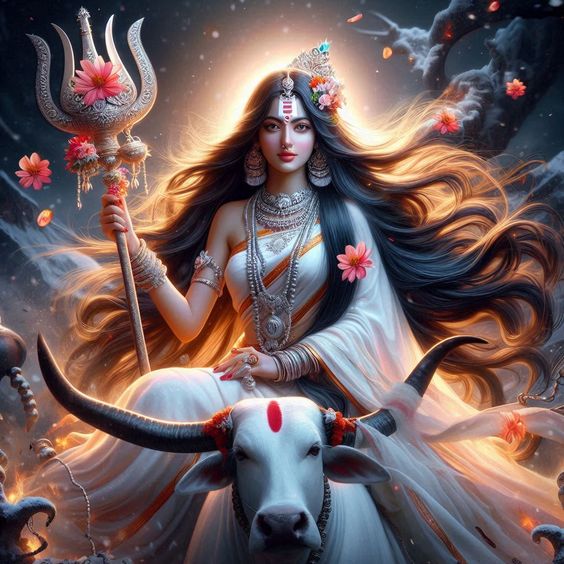
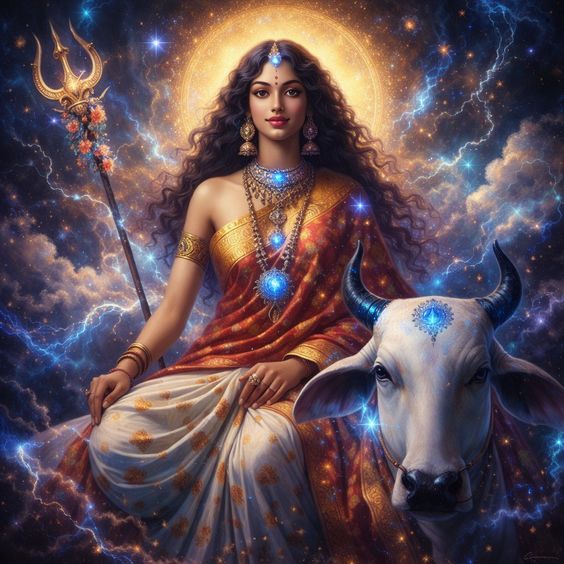
Maa Mahagauri is the eighth form of Goddess Durga, worshipped on the eighth day of Chaitra Navratri. She is known as the symbol of purity, peace, and compassion, who removes past sins and negativity. Maa Mahagauri is depicted riding a bull, wearing white clothes, and holding a trident and damru, while blessing her devotees with peace, prosperity, and spiritual growth.
Introduction:
The eighth day of Chaitra Navratri is dedicated to Maa Mahagauri, the eighth form of Goddess Durga. She symbolizes purity, peace, and wisdom. This day represents inner cleansing and the removal of past sins and negativity. According to Bhaktinama, worshipping Maa Mahagauri brings calmness, prosperity, and spiritual growth into the lives of devotees.
Date, Nakshatra & Puja Muhurat (2026):
In 2026, the eighth day of Chaitra Navratri falls on 26 March, Thursday, observed as Ashtami Tithi (eighth lunar day). On this day, the moon remains in Rohini Nakshatra and later moves into Mrigashira Nakshatra.
The auspicious time for morning puja is approximately from 06:00 AM to 09:00 AM. The Abhijit Muhurat is around 12:00 PM to 12:50 PM. Evening puja can be performed between approximately 06:15 PM and 07:50 PM. Timings may vary slightly depending on location.
Day 8: Worship of Maa Mahagauri:
Maa Mahagauri is known for her extremely fair complexion, symbolizing purity and serenity. She is depicted wearing white clothes and is often associated with peace and compassion.
She rides a bull (vrishabha) and has four hands—holding a trident and a damru in two hands, while the other two are in Abhaya (protection) and Varada (blessing) mudras.
According to Bhaktinama, worshipping Maa Mahagauri removes all past sins, purifies the soul, and blesses devotees with happiness and success.
The Story of Maa Mahagauri:
According to Hindu mythology, Maa Mahagauri is a form of Goddess Parvati. It is believed that she performed intense penance to attain Lord Shiva as her husband. Due to her severe penance, her body became dark.
Pleased with her devotion, Lord Shiva blessed her and cleansed her with the holy waters of the Ganga, which made her complexion extremely fair and radiant. From then on, she came to be known as Mahagauri.
This story represents the power of devotion, patience, and inner purification.
Worship Method:
On this day, devotees wake up early, take a bath, and wear clean or white clothes. The place of worship is purified, and Maa Mahagauri is offered coconut, sweets, and milk-based prasad.
Devotees light a lamp, chant mantras, and observe fasts. Many people perform Kanya Puja on this day, where young girls are worshipped as forms of the Goddess.
According to Bhaktinama, sincere worship of Maa Mahagauri brings peace, prosperity, and removes all sufferings from life.
Mantras of Maa Mahagauri:
Beej Mantra:
“Om Devi Mahagauryai Namah”
Dhyan Mantra:
“Shwete Vrishe Samarudha Shwetambaradhara Shuchi
Mahagauri Shubham Dadyan Mahadev Pramodada”
Chanting these mantras is believed to bring purity, peace, and blessings into life.
Spiritual Significance:
The eighth day of Navratri is associated with purification and spiritual clarity. Worshipping Maa Mahagauri helps cleanse the mind and soul, removing negativity and past karmas.
According to Bhaktinama, this day encourages devotees to adopt simplicity, truth, and purity in life, leading them toward inner peace and enlightenment.
Book experienced pandits online for all Hindu puja rituals with Bhaktinama – simple, reliable, and authentic
The eighth day of Chaitra Navratri is dedicated to Maa Mahagauri, the eighth form of Goddess Durga. She symbolizes purity, peace, and wisdom. This day represents inner cleansing and the removal of past sins and negativity. According to Bhaktinama, worshipping Maa Mahagauri brings calmness, prosperity, and spiritual growth into the lives of devotees.
Date, Nakshatra & Puja Muhurat (2026):
In 2026, the eighth day of Chaitra Navratri falls on 26 March, Thursday, observed as Ashtami Tithi (eighth lunar day). On this day, the moon remains in Rohini Nakshatra and later moves into Mrigashira Nakshatra.
The auspicious time for morning puja is approximately from 06:00 AM to 09:00 AM. The Abhijit Muhurat is around 12:00 PM to 12:50 PM. Evening puja can be performed between approximately 06:15 PM and 07:50 PM. Timings may vary slightly depending on location.
Day 8: Worship of Maa Mahagauri:
Maa Mahagauri is known for her extremely fair complexion, symbolizing purity and serenity. She is depicted wearing white clothes and is often associated with peace and compassion.
She rides a bull (vrishabha) and has four hands—holding a trident and a damru in two hands, while the other two are in Abhaya (protection) and Varada (blessing) mudras.
According to Bhaktinama, worshipping Maa Mahagauri removes all past sins, purifies the soul, and blesses devotees with happiness and success.
The Story of Maa Mahagauri:
According to Hindu mythology, Maa Mahagauri is a form of Goddess Parvati. It is believed that she performed intense penance to attain Lord Shiva as her husband. Due to her severe penance, her body became dark.
Pleased with her devotion, Lord Shiva blessed her and cleansed her with the holy waters of the Ganga, which made her complexion extremely fair and radiant. From then on, she came to be known as Mahagauri.
This story represents the power of devotion, patience, and inner purification.
Worship Method:
On this day, devotees wake up early, take a bath, and wear clean or white clothes. The place of worship is purified, and Maa Mahagauri is offered coconut, sweets, and milk-based prasad.
Devotees light a lamp, chant mantras, and observe fasts. Many people perform Kanya Puja on this day, where young girls are worshipped as forms of the Goddess.
According to Bhaktinama, sincere worship of Maa Mahagauri brings peace, prosperity, and removes all sufferings from life.
Mantras of Maa Mahagauri:
Beej Mantra:
“Om Devi Mahagauryai Namah”
Dhyan Mantra:
“Shwete Vrishe Samarudha Shwetambaradhara Shuchi
Mahagauri Shubham Dadyan Mahadev Pramodada”
Chanting these mantras is believed to bring purity, peace, and blessings into life.
Spiritual Significance:
The eighth day of Navratri is associated with purification and spiritual clarity. Worshipping Maa Mahagauri helps cleanse the mind and soul, removing negativity and past karmas.
According to Bhaktinama, this day encourages devotees to adopt simplicity, truth, and purity in life, leading them toward inner peace and enlightenment.
Book experienced pandits online for all Hindu puja rituals with Bhaktinama – simple, reliable, and authentic