March 27, 2026
Festival Fast
3 min read
Chaitra Navratri Day 7 (2026) – Maa Kalratri
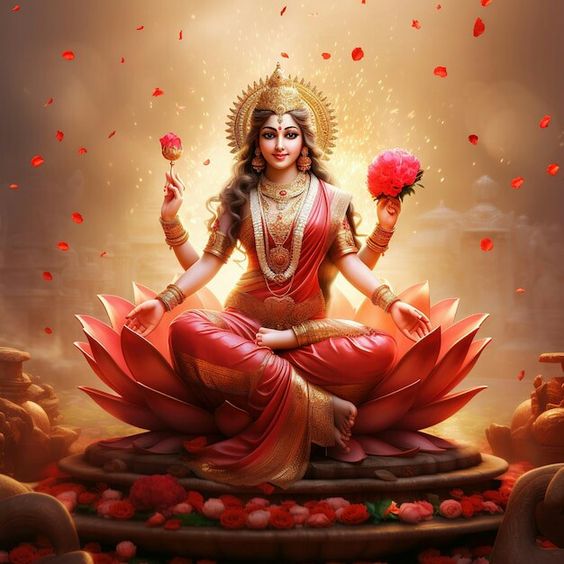
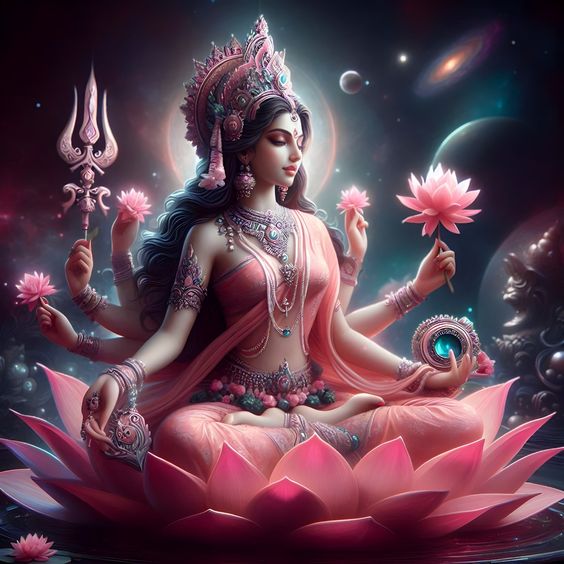
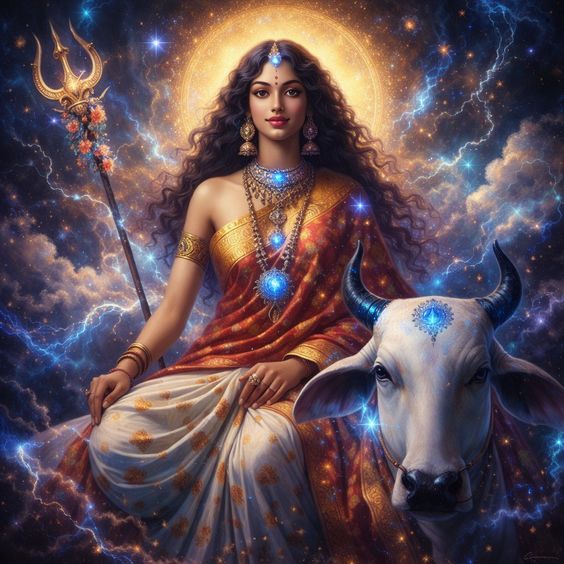
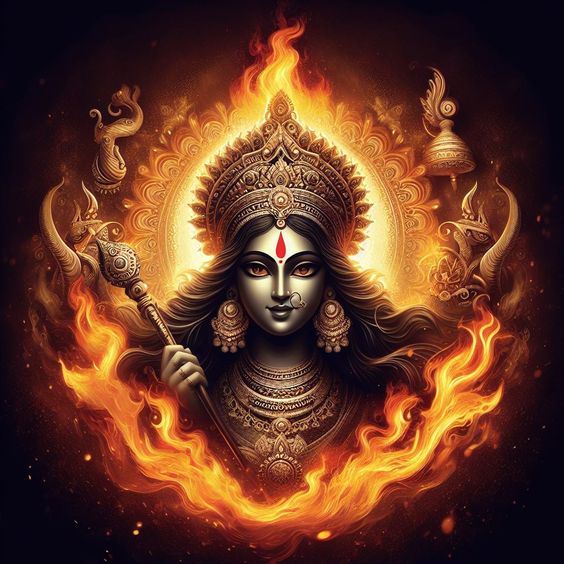
Maa Kalratri is the seventh form of Goddess Durga, worshipped on the seventh day of Chaitra Navratri. She is known as the most fierce and powerful form, who destroys darkness and evil forces. Maa Kalratri is depicted riding a donkey, holding a sword and iron weapon in her hands, while blessing her devotees with protection, courage, and fearlessness.
Introduction:
The seventh day of Chaitra Navratri is dedicated to Maa Kalratri, who symbolizes power, protection, and the destruction of ignorance and darkness. Although her appearance is fierce and terrifying, she is extremely शुभ (auspicious) and benevolent for her devotees. This day teaches us to face fear and darkness with courage. According to Bhaktinama, worshipping Maa Kalratri removes all kinds of fear and fills life with positive energy.
Date, Nakshatra & Puja Muhurat (2026):
In 2026, the seventh day of Chaitra Navratri falls on 25 March, Wednesday, observed as Saptami Tithi (seventh lunar day). On this day, the moon remains in Krittika Nakshatra and later moves into Rohini Nakshatra.
The auspicious time for morning worship is approximately from 06:00 AM to 09:00 AM. The Abhijit Muhurat is around 12:00 PM to 12:50 PM. Evening puja can be performed between approximately 06:10 PM and 07:45 PM. Timings may vary slightly depending on location.
Day 7: Worship of Maa Kalratri:
Maa Kalratri is depicted in a fierce and powerful form. She has a dark complexion, disheveled hair, and wears a garland that shines like lightning. She has three eyes, representing the three realms of the universe.
She rides a donkey (gardabh). She has four hands—one holding a sword, another holding an iron weapon (vajra or spike), while the other two are in Abhaya (protection) and Varada (blessing) mudras.
According to Bhaktinama, worshipping Maa Kalratri destroys negative energies and frees devotees from fear, sorrow, and obstacles.
The Story of Maa Kalratri:
According to Hindu mythology, when the cruelty of demons increased, Goddess Durga took the form of Maa Kalratri to destroy evil forces. She defeated powerful demons like Shumbha, Nishumbha, and Raktabeej.
Raktabeej was a demon whose every drop of blood could create another demon. Maa Kalratri used her immense power to destroy him by ensuring that not a single drop of his blood fell to the ground.
This story symbolizes that no matter how difficult a problem may be, it can be overcome with courage and strength.
Worship Method:
On this day, devotees wake up early, take a bath, and wear clean clothes. The place of worship is purified, and Maa Kalratri is offered jaggery (gud), which is believed to bring happiness and prosperity.
Devotees light a lamp, chant mantras, and observe fasts. Many follow a sattvic diet and maintain purity in thoughts and actions.
According to Bhaktinama, sincere worship removes fear and increases confidence in life.
Mantras of Maa Kalratri:
Beej Mantra:
“Om Devi Kalratryai Namah”
Dhyan Mantra:
“Ekaveni Japakarnapura Nagna Kharasthita
Lamboshthi Karnikakarni Tailabhyakta Sharirini
Vamapadolllasallohalatakantakabhushana
Vardhanamurdhadhvaja Krishna Kalratrirbhayankari”
Chanting these mantras is believed to remove fear and bring strength and protection.
Spiritual Significance:
The seventh day of Navratri is associated with the Sahasrara Chakra, which represents spiritual awakening and higher consciousness. Worshipping Maa Kalratri helps remove inner darkness and ignorance, guiding the devotee toward self-realization.
According to Bhaktinama, this day teaches that light always follows darkness, so one should face life’s challenges with courage and faith.
Book experienced pandits online for all Hindu puja rituals with Bhaktinama – simple, reliable, and authentic.
The seventh day of Chaitra Navratri is dedicated to Maa Kalratri, who symbolizes power, protection, and the destruction of ignorance and darkness. Although her appearance is fierce and terrifying, she is extremely शुभ (auspicious) and benevolent for her devotees. This day teaches us to face fear and darkness with courage. According to Bhaktinama, worshipping Maa Kalratri removes all kinds of fear and fills life with positive energy.
Date, Nakshatra & Puja Muhurat (2026):
In 2026, the seventh day of Chaitra Navratri falls on 25 March, Wednesday, observed as Saptami Tithi (seventh lunar day). On this day, the moon remains in Krittika Nakshatra and later moves into Rohini Nakshatra.
The auspicious time for morning worship is approximately from 06:00 AM to 09:00 AM. The Abhijit Muhurat is around 12:00 PM to 12:50 PM. Evening puja can be performed between approximately 06:10 PM and 07:45 PM. Timings may vary slightly depending on location.
Day 7: Worship of Maa Kalratri:
Maa Kalratri is depicted in a fierce and powerful form. She has a dark complexion, disheveled hair, and wears a garland that shines like lightning. She has three eyes, representing the three realms of the universe.
She rides a donkey (gardabh). She has four hands—one holding a sword, another holding an iron weapon (vajra or spike), while the other two are in Abhaya (protection) and Varada (blessing) mudras.
According to Bhaktinama, worshipping Maa Kalratri destroys negative energies and frees devotees from fear, sorrow, and obstacles.
The Story of Maa Kalratri:
According to Hindu mythology, when the cruelty of demons increased, Goddess Durga took the form of Maa Kalratri to destroy evil forces. She defeated powerful demons like Shumbha, Nishumbha, and Raktabeej.
Raktabeej was a demon whose every drop of blood could create another demon. Maa Kalratri used her immense power to destroy him by ensuring that not a single drop of his blood fell to the ground.
This story symbolizes that no matter how difficult a problem may be, it can be overcome with courage and strength.
Worship Method:
On this day, devotees wake up early, take a bath, and wear clean clothes. The place of worship is purified, and Maa Kalratri is offered jaggery (gud), which is believed to bring happiness and prosperity.
Devotees light a lamp, chant mantras, and observe fasts. Many follow a sattvic diet and maintain purity in thoughts and actions.
According to Bhaktinama, sincere worship removes fear and increases confidence in life.
Mantras of Maa Kalratri:
Beej Mantra:
“Om Devi Kalratryai Namah”
Dhyan Mantra:
“Ekaveni Japakarnapura Nagna Kharasthita
Lamboshthi Karnikakarni Tailabhyakta Sharirini
Vamapadolllasallohalatakantakabhushana
Vardhanamurdhadhvaja Krishna Kalratrirbhayankari”
Chanting these mantras is believed to remove fear and bring strength and protection.
Spiritual Significance:
The seventh day of Navratri is associated with the Sahasrara Chakra, which represents spiritual awakening and higher consciousness. Worshipping Maa Kalratri helps remove inner darkness and ignorance, guiding the devotee toward self-realization.
According to Bhaktinama, this day teaches that light always follows darkness, so one should face life’s challenges with courage and faith.
Book experienced pandits online for all Hindu puja rituals with Bhaktinama – simple, reliable, and authentic.