December 09, 2025
Spirituality
3 min read
Death in Hinduism: A Sacred Transition, Not an End
Death in Hinduism is not an end but a transition. Rooted in ancient scriptures, Hindu philosophy views the soul as eternal and the body as temporary. Through the cycle of birth, death, and rebirth, the soul evolves according to its karma. Rituals, prayers, and customs help guide the soul’s journey, while the ultimate goal remains moksha—liberation from the cycle of reincarnation.
Death is often viewed with fear and finality, but in Hinduism it is understood as a natural and inevitable transition—a doorway to the next stage of the soul’s eternal journey. Rooted in scriptures like the Bhagavad Gita, Upanishads, and Garuda Purana, Hindu perspectives on death blend philosophy, ritual, and spirituality into a profound worldview about life and what lies beyond it.
1. The Hindu View of the Soul (Atman)
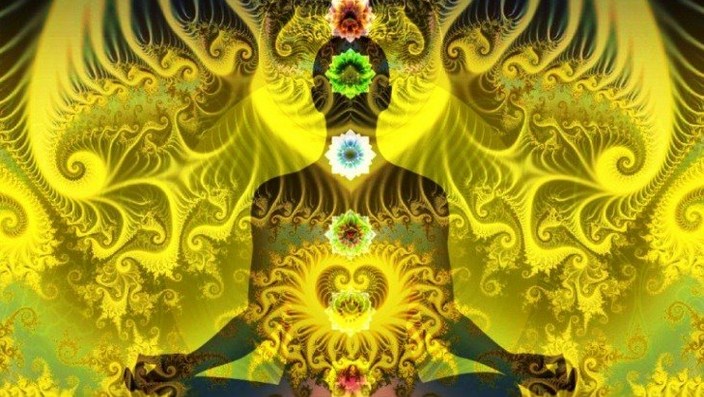
At the center of Hindu philosophy is the belief that every living being contains an Atman, or soul—pure, eternal, and divine. The body is temporary, while the Atman is immortal. Death, therefore, is not the destruction of life but the shedding of a physical form.
The Bhagavad Gita beautifully captures this idea:
“As a person discards old clothes and puts on new ones, so the soul discards a worn-out body and enters a new one.”
2. Reincarnation and the Cycle of Samsara
Hinduism teaches that the soul goes through countless cycles of birth, death, and rebirth, collectively known as samsara. Each birth is shaped by the soul’s past actions—its karma.
Karma plays a central role:
Good actions elevate the soul toward liberation.
Harmful actions result in further entanglement in the cycle.
Death is merely a checkpoint in this ongoing journey.
3. Moksha: The Ultimate Goal
The purpose of life, according to Hindu philosophy, is to attain moksha—liberation from samsara. Moksha is achieved through spiritual wisdom, righteous living, devotion, and meditation. When a soul attains moksha, it merges with the divine reality (Brahman) and is freed from the cycle of rebirth altogether.
Thus, death becomes meaningful—not tragic—because it can lead the soul closer to liberation.
4. Rituals Surrounding Death
Hindu death rituals (antyeshti or “last rites”) are designed to honor the deceased, support the soul’s transition, and bring closure to the family.
Common elements include:
a. Cremation
Most Hindus cremate the body, symbolizing the release of the soul. Fire (Agni) is seen as a purifier and messenger to the divine.
b. The 13-Day Mourning Period
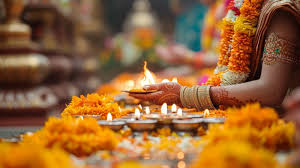
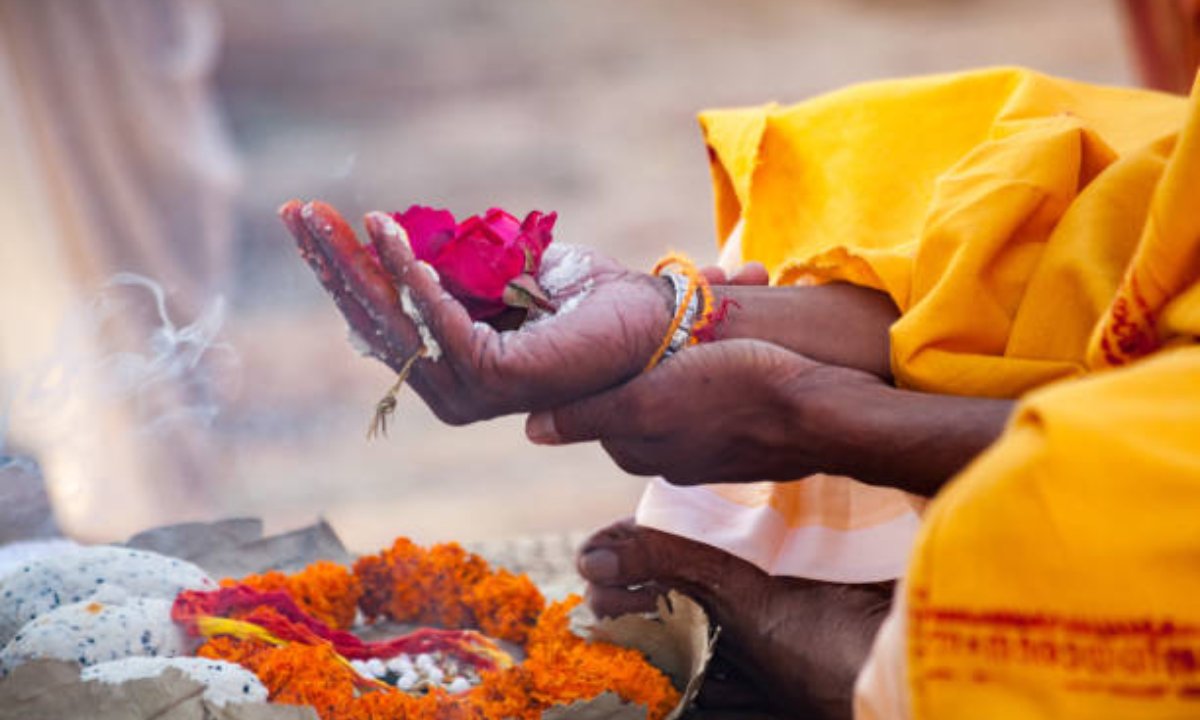
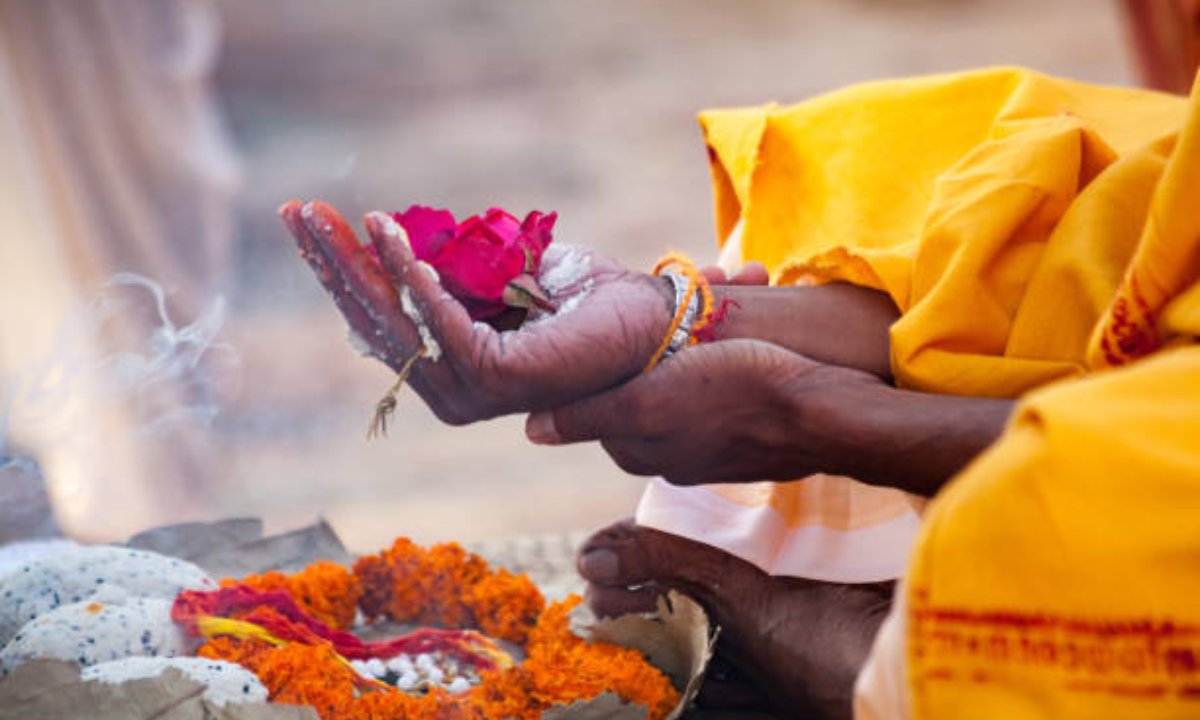
Families observe rituals such as prayer, offerings, and purification rites. These practices assist the departed soul’s journey to the next realm.
c. Shraddha and Pitru Paksha
Annual offerings to ancestors (pitrs) keep the connection between the living and the departed, expressing gratitude and love.
5. The Concept of a “Good Death” (Auspicious Passing)
A peaceful mind at the moment of death is considered crucial in Hinduism. Chanting sacred mantras, especially the Mahāmrityunjaya Mantra or Rama Nama, is believed to guide the departing soul toward a favorable rebirth or liberation.
Some Hindus aspire to leave the world in holy locations like Varanasi, where dying is believed to grant moksha.
6. Grief and Acceptance
Though Hindu philosophy teaches that the soul is eternal, human grief is natural. Hinduism acknowledges mourning but encourages acceptance through understanding karma and the soul’s journey.
Death is seen not as “loss” but as transition, prompting the living to reflect on their own purpose, actions, and spiritual progress.
7. Modern Perspectives
Contemporary Hindus may blend traditional beliefs with modern practices, yet the core idea remains the same:
Life is temporary, but the soul’s journey is timeless.
In Hinduism, death is not a dark ending—it is a return, a movement of the eternal soul on its path toward truth and liberation. It asks us to live mindfully, act with compassion, and recognize the divine essence within ourselves and all beings.
1. The Hindu View of the Soul (Atman)
At the center of Hindu philosophy is the belief that every living being contains an Atman, or soul—pure, eternal, and divine. The body is temporary, while the Atman is immortal. Death, therefore, is not the destruction of life but the shedding of a physical form.
The Bhagavad Gita beautifully captures this idea:
“As a person discards old clothes and puts on new ones, so the soul discards a worn-out body and enters a new one.”
2. Reincarnation and the Cycle of Samsara
Hinduism teaches that the soul goes through countless cycles of birth, death, and rebirth, collectively known as samsara. Each birth is shaped by the soul’s past actions—its karma.
Karma plays a central role:
Good actions elevate the soul toward liberation.
Harmful actions result in further entanglement in the cycle.
Death is merely a checkpoint in this ongoing journey.
3. Moksha: The Ultimate Goal
The purpose of life, according to Hindu philosophy, is to attain moksha—liberation from samsara. Moksha is achieved through spiritual wisdom, righteous living, devotion, and meditation. When a soul attains moksha, it merges with the divine reality (Brahman) and is freed from the cycle of rebirth altogether.
Thus, death becomes meaningful—not tragic—because it can lead the soul closer to liberation.
4. Rituals Surrounding Death
Hindu death rituals (antyeshti or “last rites”) are designed to honor the deceased, support the soul’s transition, and bring closure to the family.
Common elements include:
a. Cremation
Most Hindus cremate the body, symbolizing the release of the soul. Fire (Agni) is seen as a purifier and messenger to the divine.
b. The 13-Day Mourning Period
Families observe rituals such as prayer, offerings, and purification rites. These practices assist the departed soul’s journey to the next realm.
c. Shraddha and Pitru Paksha
Annual offerings to ancestors (pitrs) keep the connection between the living and the departed, expressing gratitude and love.
5. The Concept of a “Good Death” (Auspicious Passing)
A peaceful mind at the moment of death is considered crucial in Hinduism. Chanting sacred mantras, especially the Mahāmrityunjaya Mantra or Rama Nama, is believed to guide the departing soul toward a favorable rebirth or liberation.
Some Hindus aspire to leave the world in holy locations like Varanasi, where dying is believed to grant moksha.
6. Grief and Acceptance
Though Hindu philosophy teaches that the soul is eternal, human grief is natural. Hinduism acknowledges mourning but encourages acceptance through understanding karma and the soul’s journey.
Death is seen not as “loss” but as transition, prompting the living to reflect on their own purpose, actions, and spiritual progress.
7. Modern Perspectives
Contemporary Hindus may blend traditional beliefs with modern practices, yet the core idea remains the same:
Life is temporary, but the soul’s journey is timeless.
In Hinduism, death is not a dark ending—it is a return, a movement of the eternal soul on its path toward truth and liberation. It asks us to live mindfully, act with compassion, and recognize the divine essence within ourselves and all beings.