
July 26, 2026
Spirituality
6 min read
Peacock Feather in Hinduism: Spiritual Significance, Lord Krishna & Sacred Tales
Discover the spiritual significance of the Peacock Feather in Hinduism, its connection with Lord Krishna, Goddess Saraswati, Lord Kartikeya, and the sacred stories that make it a symbol of devotion, wisdom, and divine grace.
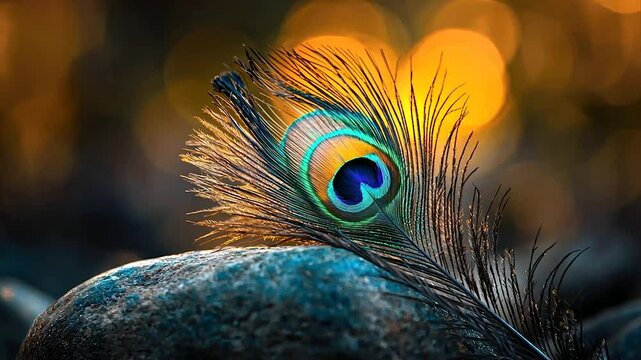
Few symbols in Hinduism are as instantly recognizable as the Peacock Feather. Whether adorning the crown of Lord Krishna or appearing alongside Goddess Saraswati and Lord Kartikeya, the Peacock Feather, or Morpankh, has long been associated with divinity, wisdom, beauty, and devotion.
Unlike ornaments made of gold or precious stones, the Peacock Feather carries a deeper spiritual message. It reminds devotees that true beauty lies in humility, knowledge, and unwavering faith in the Divine. For centuries, saints, scriptures, and devotional traditions have celebrated the Peacock Feather not merely as a decorative element but as a sacred emblem that inspires spiritual growth.
Why is the Peacock Feather Considered Sacred in Hinduism?
The peacock has held a special place in Indian culture since ancient times. Its graceful appearance, vibrant colours, and majestic nature have made it a symbol of purity and divine beauty. Because the bird is closely associated with several Hindu deities, its naturally shed feathers are regarded with great respect.
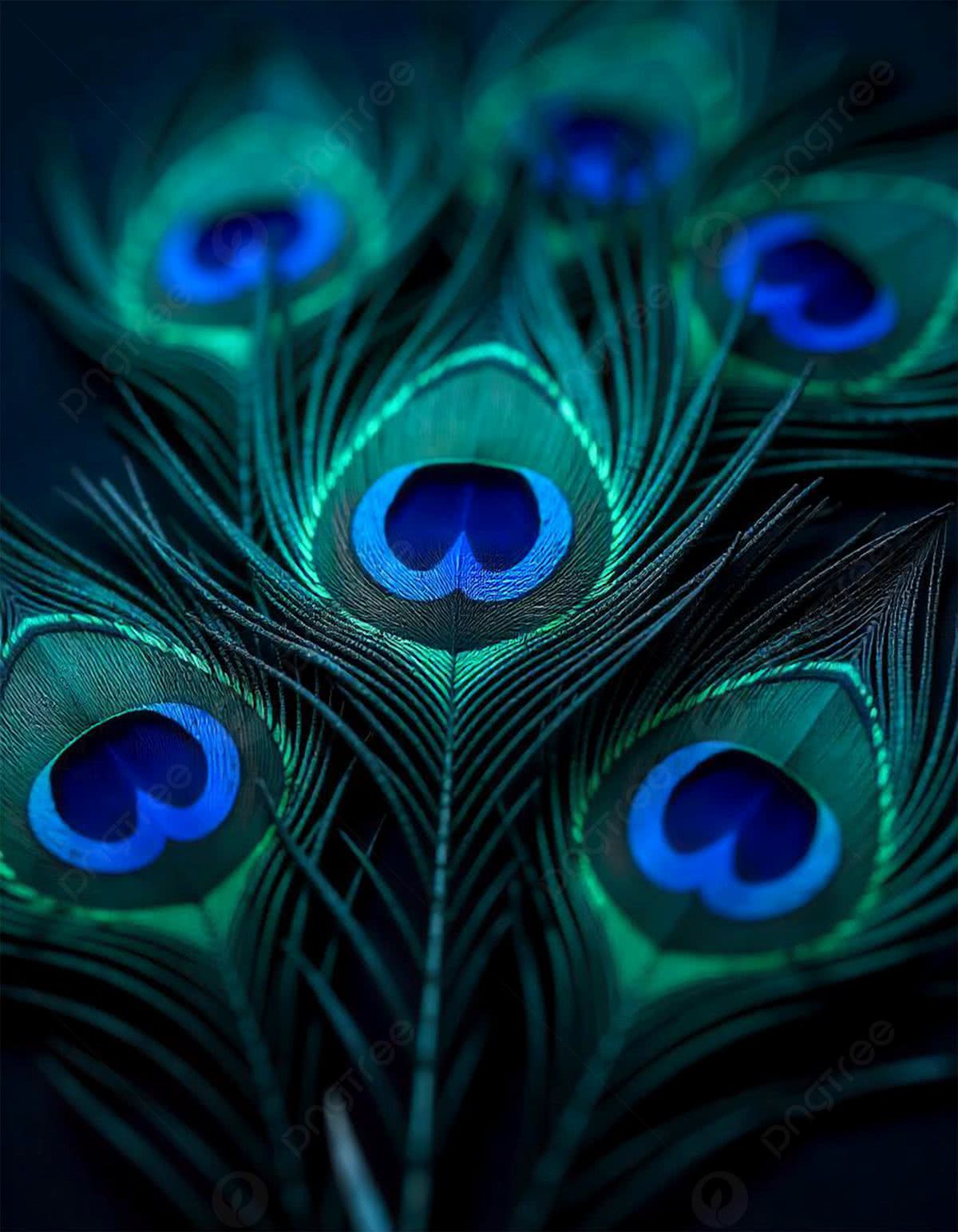
The Peacock Feather is believed to represent the harmony between beauty and virtue. Its many colours remind devotees that while life is filled with diversity, all creation ultimately originates from the same Divine source. The eye-like pattern on the feather is often seen as a symbol of awareness, wisdom, and the ever-watchful presence of God.
Unlike material possessions that fade with time, the Peacock Feather teaches that spiritual wealth—compassion, humility, devotion, and wisdom—is everlasting.
The Spiritual Significance of the Peacock Feather
The Peacock Feather carries multiple layers of symbolism in Hindu philosophy.
It represents humility, because despite its extraordinary beauty, it comes from a bird that lives close to nature rather than seeking dominance. This symbolism is beautifully reflected in Lord Krishna's choice to wear a simple feather instead of a jewel-encrusted crown.
It also symbolizes wisdom and knowledge through its association with Goddess Saraswati, encouraging devotees to pursue learning with humility rather than pride.
The feather is further seen as a representation of purity of mind. Just as the peacock remains magnificent despite living amidst forests and changing seasons, devotees are reminded to remain spiritually grounded regardless of life's circumstances.
Many also regard the Peacock Feather as a symbol of divine protection, believing that it brings peace and positivity into one's surroundings. While such beliefs are rooted in tradition and vary across communities, the feather continues to be cherished as a reminder of God's presence.
The Tale of Lord Krishna and the Peacock Feather
The most beloved story connected with the Peacock Feather is that of Lord Krishna.
According to popular devotional tradition, young Krishna would often play His flute in the forests of Vrindavan. The melody was so enchanting that not only the Gopis but also birds, animals, rivers, and trees seemed to pause in admiration. Among those most captivated were the peacocks. Whenever Krishna played His flute, they danced joyfully, spreading their magnificent feathers in celebration of His divine music.
When the dance ended, the king of the peacocks approached Krishna with deep devotion. As an offering of gratitude and love, he presented one of his naturally fallen feathers to the Lord. Krishna accepted the simple gift with affection and placed it upon His crown. From that day onward, the Peacock Feather became one of His most cherished ornaments.
The story beautifully illustrates one of the central teachings of Bhakti: God values sincere devotion more than expensive offerings. A humble gift offered with love holds greater spiritual worth than riches presented without faith.
Devotees celebrating Janmashtami or performing Krishna Puja often seek to follow these traditions with proper rituals. Through Bhaktinama, families can conveniently arrange Online Puja Booking and Online Pandit Booking, making it easier to observe these sacred occasions according to Vedic customs.
The Peacock Feather and Goddess Saraswati
Although Lord Krishna is most closely identified with the Peacock Feather, the peacock itself is also associated with Goddess Saraswati, the deity of wisdom, music, and learning.
In many traditional depictions, a peacock stands near the Goddess, symbolizing that knowledge should always be accompanied by humility. The bird's beauty represents creativity and artistic excellence, while its calm presence reflects self-control and discipline.
This symbolism reminds students, artists, and seekers that true wisdom is not measured by what one knows, but by how that knowledge is used for the welfare of others.
The Peacock and Lord Kartikeya
The Peacock also occupies an important place in the worship of Lord Kartikeya, also known as Skanda or Murugan. His divine vehicle is a majestic peacock, symbolizing courage, righteousness, and victory over ignorance.
According to Hindu tradition, the peacock beneath Lord Kartikeya represents the conquest of ego and negative tendencies. It teaches that spiritual strength comes not from physical power but from discipline, wisdom, and unwavering commitment to dharma.
Although Lord Kartikeya is associated with the peacock rather than the feather itself, this sacred connection further elevates the Peacock Feather as a symbol of divine virtues.
What Does the Peacock Feather Teach Us?
The enduring popularity of the Peacock Feather lies not only in its beauty but also in the lessons it conveys.
It reminds us to remain humble even when blessed with talents or success. It teaches that devotion offered with sincerity is always accepted by the Divine, regardless of one's wealth or social standing. It inspires us to seek wisdom rather than pride, compassion rather than arrogance, and simplicity rather than excessive attachment to material possessions.
The Peacock Feather also encourages us to appreciate nature as a sacred expression of God. Hinduism has always viewed animals, rivers, mountains, and trees as worthy of reverence, and the Peacock Feather serves as a gentle reminder of this timeless philosophy.
The Timeless Importance of the Peacock Feather
For generations, the Peacock Feather has remained one of Hinduism's most cherished sacred symbols. Its association with Lord Krishna speaks of unconditional love and devotion, its connection with Goddess Saraswati reflects wisdom and creativity, and its relationship with Lord Kartikeya represents courage and righteousness.
More than an ornament, the Peacock Feather is a reminder that the highest spiritual qualities are often expressed through simplicity, humility, and faith. Its presence in homes and temples continues to inspire millions to cultivate these virtues in their daily lives.
Whether you are preparing for Krishna Janmashtami, a Satyanarayan Katha, or another sacred ceremony, observing these traditions with proper Vedic guidance deepens the spiritual experience. Bhaktinama helps devotees connect with authentic rituals through Online Pandit Booking, Online Puja Booking, Online Temple Booking, and Online Puja Samagri Booking, making it easier to celebrate faith while preserving the essence of Sanatan Dharma.
Unlike ornaments made of gold or precious stones, the Peacock Feather carries a deeper spiritual message. It reminds devotees that true beauty lies in humility, knowledge, and unwavering faith in the Divine. For centuries, saints, scriptures, and devotional traditions have celebrated the Peacock Feather not merely as a decorative element but as a sacred emblem that inspires spiritual growth.
Why is the Peacock Feather Considered Sacred in Hinduism?
The peacock has held a special place in Indian culture since ancient times. Its graceful appearance, vibrant colours, and majestic nature have made it a symbol of purity and divine beauty. Because the bird is closely associated with several Hindu deities, its naturally shed feathers are regarded with great respect.
The Peacock Feather is believed to represent the harmony between beauty and virtue. Its many colours remind devotees that while life is filled with diversity, all creation ultimately originates from the same Divine source. The eye-like pattern on the feather is often seen as a symbol of awareness, wisdom, and the ever-watchful presence of God.
Unlike material possessions that fade with time, the Peacock Feather teaches that spiritual wealth—compassion, humility, devotion, and wisdom—is everlasting.
The Spiritual Significance of the Peacock Feather
The Peacock Feather carries multiple layers of symbolism in Hindu philosophy.
It represents humility, because despite its extraordinary beauty, it comes from a bird that lives close to nature rather than seeking dominance. This symbolism is beautifully reflected in Lord Krishna's choice to wear a simple feather instead of a jewel-encrusted crown.
It also symbolizes wisdom and knowledge through its association with Goddess Saraswati, encouraging devotees to pursue learning with humility rather than pride.
The feather is further seen as a representation of purity of mind. Just as the peacock remains magnificent despite living amidst forests and changing seasons, devotees are reminded to remain spiritually grounded regardless of life's circumstances.
Many also regard the Peacock Feather as a symbol of divine protection, believing that it brings peace and positivity into one's surroundings. While such beliefs are rooted in tradition and vary across communities, the feather continues to be cherished as a reminder of God's presence.
The Tale of Lord Krishna and the Peacock Feather
The most beloved story connected with the Peacock Feather is that of Lord Krishna.
According to popular devotional tradition, young Krishna would often play His flute in the forests of Vrindavan. The melody was so enchanting that not only the Gopis but also birds, animals, rivers, and trees seemed to pause in admiration. Among those most captivated were the peacocks. Whenever Krishna played His flute, they danced joyfully, spreading their magnificent feathers in celebration of His divine music.
When the dance ended, the king of the peacocks approached Krishna with deep devotion. As an offering of gratitude and love, he presented one of his naturally fallen feathers to the Lord. Krishna accepted the simple gift with affection and placed it upon His crown. From that day onward, the Peacock Feather became one of His most cherished ornaments.
The story beautifully illustrates one of the central teachings of Bhakti: God values sincere devotion more than expensive offerings. A humble gift offered with love holds greater spiritual worth than riches presented without faith.
Devotees celebrating Janmashtami or performing Krishna Puja often seek to follow these traditions with proper rituals. Through Bhaktinama, families can conveniently arrange Online Puja Booking and Online Pandit Booking, making it easier to observe these sacred occasions according to Vedic customs.
The Peacock Feather and Goddess Saraswati
Although Lord Krishna is most closely identified with the Peacock Feather, the peacock itself is also associated with Goddess Saraswati, the deity of wisdom, music, and learning.
In many traditional depictions, a peacock stands near the Goddess, symbolizing that knowledge should always be accompanied by humility. The bird's beauty represents creativity and artistic excellence, while its calm presence reflects self-control and discipline.
This symbolism reminds students, artists, and seekers that true wisdom is not measured by what one knows, but by how that knowledge is used for the welfare of others.
The Peacock and Lord Kartikeya
The Peacock also occupies an important place in the worship of Lord Kartikeya, also known as Skanda or Murugan. His divine vehicle is a majestic peacock, symbolizing courage, righteousness, and victory over ignorance.
According to Hindu tradition, the peacock beneath Lord Kartikeya represents the conquest of ego and negative tendencies. It teaches that spiritual strength comes not from physical power but from discipline, wisdom, and unwavering commitment to dharma.
Although Lord Kartikeya is associated with the peacock rather than the feather itself, this sacred connection further elevates the Peacock Feather as a symbol of divine virtues.
What Does the Peacock Feather Teach Us?
The enduring popularity of the Peacock Feather lies not only in its beauty but also in the lessons it conveys.
It reminds us to remain humble even when blessed with talents or success. It teaches that devotion offered with sincerity is always accepted by the Divine, regardless of one's wealth or social standing. It inspires us to seek wisdom rather than pride, compassion rather than arrogance, and simplicity rather than excessive attachment to material possessions.
The Peacock Feather also encourages us to appreciate nature as a sacred expression of God. Hinduism has always viewed animals, rivers, mountains, and trees as worthy of reverence, and the Peacock Feather serves as a gentle reminder of this timeless philosophy.
The Timeless Importance of the Peacock Feather
For generations, the Peacock Feather has remained one of Hinduism's most cherished sacred symbols. Its association with Lord Krishna speaks of unconditional love and devotion, its connection with Goddess Saraswati reflects wisdom and creativity, and its relationship with Lord Kartikeya represents courage and righteousness.
More than an ornament, the Peacock Feather is a reminder that the highest spiritual qualities are often expressed through simplicity, humility, and faith. Its presence in homes and temples continues to inspire millions to cultivate these virtues in their daily lives.
Whether you are preparing for Krishna Janmashtami, a Satyanarayan Katha, or another sacred ceremony, observing these traditions with proper Vedic guidance deepens the spiritual experience. Bhaktinama helps devotees connect with authentic rituals through Online Pandit Booking, Online Puja Booking, Online Temple Booking, and Online Puja Samagri Booking, making it easier to celebrate faith while preserving the essence of Sanatan Dharma.