
November 20, 2026
Festival Fast
3 min read
Devuthani Ekadashi 2026: Significance, Vrat, Puja Vidhi and Tulsi Vivah
Discover Devuthani Ekadashi significance, vrat rules, puja vidhi, Lord Vishnu's awakening, Tulsi Vivah traditions and spiritual importance.
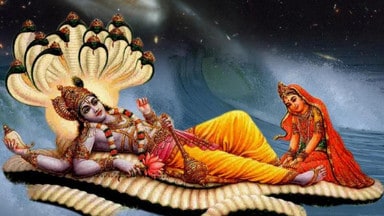
Devuthani Ekadashi, also known as Prabodhini Ekadashi or Devutthana Ekadashi, is an important Hindu festival dedicated to Lord Vishnu. Observed on the eleventh day of Shukla Paksha in the month of Kartik, this sacred day marks the awakening of Lord Vishnu from his four-month-long cosmic sleep, known as Yoga Nidra.
Devuthani Ekadashi marks the end of Chaturmas and the beginning of an auspicious period for weddings, religious ceremonies and other sacred activities. Devotees observe fasting, worship Lord Vishnu and Tulsi, and seek blessings for happiness, prosperity and spiritual growth.
Significance of Devuthani Ekadashi
According to Hindu beliefs, Lord Vishnu enters Yoga Nidra on Devshayani Ekadashi and awakens on Devuthani Ekadashi. During this period, Chaturmas is observed, and many auspicious ceremonies are traditionally postponed.
His awakening symbolises the restoration of divine activity and the beginning of favourable occasions. Devuthani Ekadashi is therefore considered an important day for spiritual renewal, devotion and new beginnings.
The festival also marks the beginning of the Hindu wedding season, as auspicious ceremonies resume after Chaturmas.
Devuthani Ekadashi Vrat and Rituals
Devotees observe Devuthani Ekadashi Vrat with devotion and discipline. Common rituals include:
* Waking up early, taking a bath and making a vrat sankalp.
* Worshipping Lord Vishnu with flowers, diya, incense and Tulsi leaves.
* Chanting Vishnu mantras such as Om Namo Bhagavate Vasudevaya.
* Reading or listening to the Devuthani Ekadashi Vrat Katha.
* Observing fasting according to one's health and family traditions.
* Donating food, clothes or other essentials to those in need.
Devotees may observe Nirjala Vrat, Phalahar Vrat or a simple satvik fast depending on their capacity and religious customs.
Tulsi Vivah and Devuthani Ekadashi
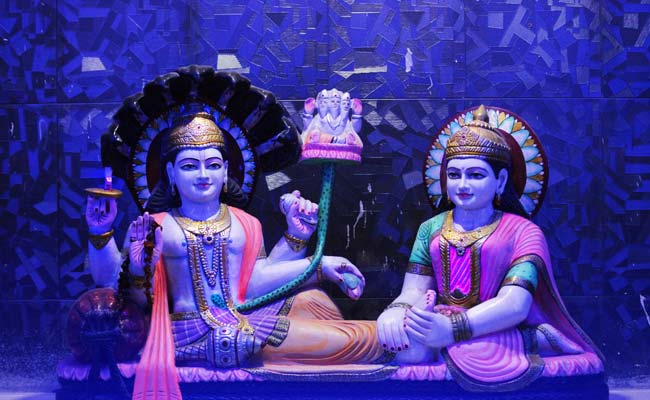
Devuthani Ekadashi is closely associated with Tulsi Vivah, the ceremonial marriage of Tulsi Mata with Lord Vishnu, represented by Shaligram. It is traditionally celebrated on Dwadashi following Ekadashi, although regional traditions may vary.
Tulsi Vivah is performed with rituals resembling a Hindu wedding, including decorations, offerings, mantras and prayers. The ceremony symbolises devotion, purity, marital harmony and divine blessings.
Many families perform Tulsi Vivah to seek happiness, prosperity and peace in their households.
Spiritual Importance of Devuthani Ekadashi
Devuthani Ekadashi represents more than the awakening of Lord Vishnu. Spiritually, it reminds devotees to awaken their own consciousness, overcome negativity and strengthen their faith.
Fasting, prayer, charity and devotion encourage self-discipline and inner purification. The festival teaches that patience, faith and spiritual dedication help create positive beginnings in life.
Devuthani Ekadashi Parana
Parana refers to breaking the Ekadashi fast on Dwadashi after sunrise, during the prescribed Parana time. Devotees should follow their local Panchang for accurate timings and complete their fast with prayers and satvik food.
Conclusion
Devuthani Ekadashi is a sacred occasion that celebrates Lord Vishnu's awakening, the end of Chaturmas and the beginning of auspicious activities. Through fasting, Vishnu Puja, Tulsi worship and charity, devotees seek divine blessings for prosperity, peace and spiritual growth.
The festival inspires people to renew their devotion, embrace positive beginnings and strengthen their connection with the divine.