
November 08, 2026
Ritualistic Worship
6 min read
Diwali 2026: Significance, Traditions, Rituals and Lakshmi Puja
Discover the significance of Diwali, its five days of celebration, Lakshmi-Ganesh Puja rituals, spiritual meaning and traditions of the Festival of Lights.
Diwali, also known as Deepawali, is one of the most widely celebrated festivals in Hinduism. Known as the Festival of Lights, Diwali symbolises the victory of good over evil, light over darkness, and knowledge over ignorance. Celebrated with beautifully decorated homes, glowing diyas, colourful rangolis, prayers and family gatherings, the festival brings people together in an atmosphere of joy, devotion and positivity.
Beyond its celebrations, Diwali carries deep spiritual and cultural significance. It reminds us to welcome goodness into our lives, let go of negativity and move towards a path of righteousness.
Why Is Diwali Celebrated?
The most popular belief associated with Diwali comes from the Ramayana. According to Hindu tradition, Diwali marks the return of Lord Rama, Goddess Sita and Lakshmana to Ayodhya after fourteen years of exile and the victory of Lord Rama over Ravana.
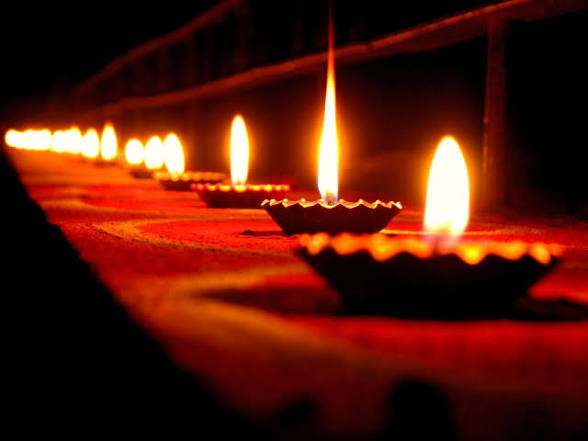
To celebrate their return, the people of Ayodhya illuminated the city with rows of earthen lamps (diyas). This tradition became a symbol of welcoming light, happiness and righteousness.
Diwali is also associated with the worship of Goddess Lakshmi, the deity of wealth, prosperity and abundance. According to popular Hindu beliefs, Goddess Lakshmi emerged during the Samudra Manthan, making the festival especially significant for devotees seeking prosperity and well-being.
Five Days of Diwali and Their Significance
Diwali is not limited to a single day. The celebrations traditionally extend over five days, each carrying its own religious and cultural importance.
1. Dhanteras
Dhanteras marks the beginning of Diwali celebrations. The word Dhanteras comes from two Sanskrit-derived words: Dhan, meaning wealth, and Teras, referring to the thirteenth lunar day.
On this day, devotees worship Lord Dhanvantari, Goddess Lakshmi and Lord Ganesha. Buying gold, silver, utensils and other auspicious items is a popular tradition believed to bring prosperity and good fortune.
2. Naraka Chaturdashi (Choti Diwali)
Naraka Chaturdashi, commonly known as Choti Diwali, commemorates the victory of Lord Krishna over the demon Narakasura.
The day symbolises the destruction of evil and the removal of negativity. People traditionally wake up early, take an auspicious bath and decorate their homes with diyas.
3. Lakshmi Puja – Main Diwali
Lakshmi Puja is the most significant day of Diwali. Devotees worship Goddess Lakshmi and Lord Ganesha, seeking blessings for wealth, wisdom, happiness and prosperity.
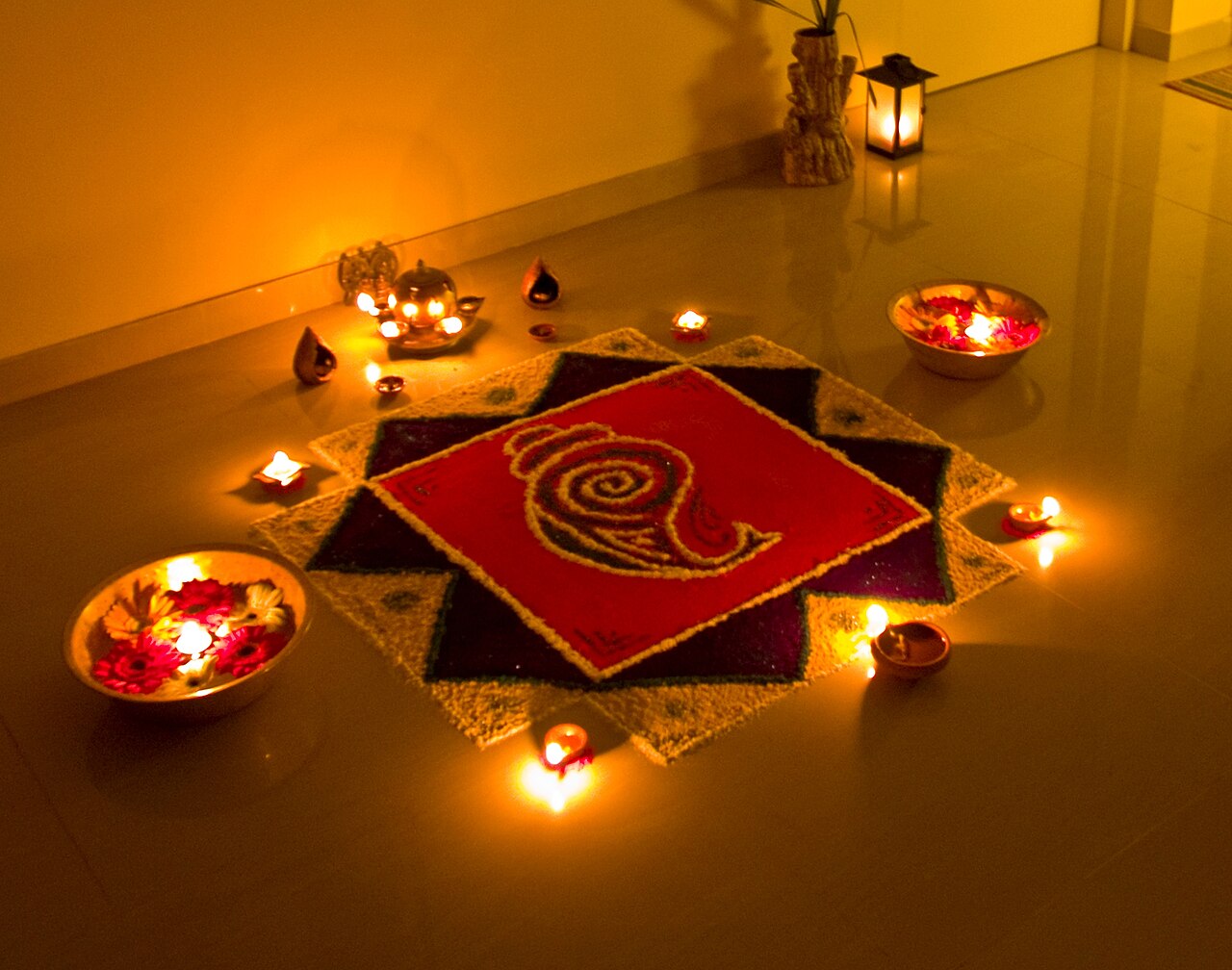
Homes are cleaned and decorated with rangoli, flowers and illuminated diyas. Families gather in the evening to perform Lakshmi-Ganesh Puja and offer sweets, fruits and other traditional offerings.
Lighting diyas is particularly meaningful as it represents the removal of darkness and the arrival of positivity.
4.Govardhan Puja
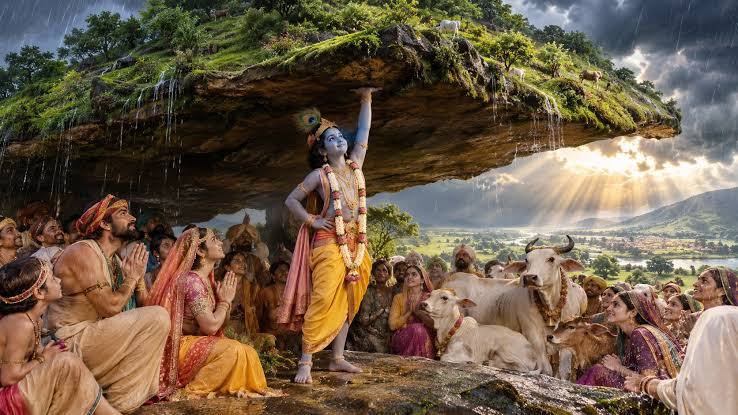
Govardhan Puja celebrates the connection between Lord Krishna, nature and humanity. According to the Bhagavata Purana, Lord Krishna lifted Govardhan Hill to protect the people of Vrindavan from heavy rainfall caused by Lord Indra.
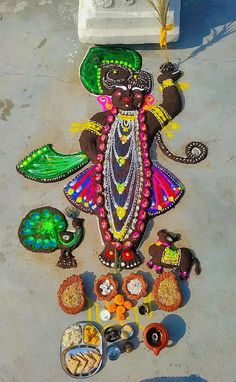
Devotees prepare Annakut, a large offering of different food items, and worship Govardhan Hill as a symbol of nature's generosity and protection.
5.Bhai Dooj
Bhai Dooj marks the beautiful bond between brothers and sisters. According to Hindu tradition, Goddess Yamuna welcomed her brother Yama on this day and performed his ceremonial welcome.
Sisters apply tilak on their brothers' foreheads and pray for their long life, happiness and prosperity. In return, brothers express their love and promise to protect and support their sisters.
Spiritual Significance of Lighting Diyas on Diwali
Lighting diyas is one of the most meaningful traditions of Diwali. In Hindu philosophy, light represents knowledge, purity, hope and spiritual awareness, while darkness symbolises ignorance and negativity.
A diya is also a reminder that even a small source of light can illuminate its surroundings. Similarly, positive thoughts, good actions and kindness can bring meaningful changes to our lives.
The tradition encourages individuals to:
Remove negativity and welcome positive thoughts.
Follow the path of truth and righteousness.
Develop compassion, gratitude and generosity.
Bring peace and harmony into their homes and communities.
Why Is Lakshmi-Ganesh Puja Performed on Diwali?
Goddess Lakshmi and Lord Ganesha are worshipped together during Diwali because they represent two essential aspects of a balanced and prosperous life.
Goddess Lakshmi represents wealth, abundance and prosperity, while Lord Ganesha represents wisdom, intelligence and the removal of obstacles.
Their worship reminds devotees that prosperity should always be accompanied by wisdom and good intentions. Wealth becomes meaningful when it is used responsibly and contributes to the well-being of others.
Devotees can arrange traditional offerings, flowers, fruits, sweets, incense and diyas during the puja. Those who wish to perform the rituals according to Vedic traditions can also seek assistance through Online Pandit Booking and Online Puja Booking services available through Bhaktinama.
Diwali and the Importance of Charity and Giving
Diwali is also a festival of sharing happiness and helping others. Acts of charity, feeding the needy, donating food and offering support to those in need are considered meaningful ways of celebrating the festival.
The spirit of Diwali teaches that true prosperity is not limited to material wealth. It also includes generosity, gratitude, good health, meaningful relationships and inner peace.
Celebrating an Eco-Friendly Diwali
While Diwali is traditionally celebrated with lights and festivities, it is equally important to celebrate responsibly.
Some simple ways to make Diwali more environmentally conscious include:
Choose traditional earthen diyas instead of excessive plastic decorations.
Prefer natural flowers and reusable decorative materials.
Use rangoli made from natural colours.
Avoid excessive firecrackers to reduce air and noise pollution.
Share homemade sweets and gifts with family, friends and neighbours.
An eco-friendly Diwali allows us to honour traditions while remaining mindful of nature and the environment.
Celebrate the Festival of Lights with Bhaktinama
Diwali is a celebration of devotion, faith, prosperity and new beginnings. Every diya we light carries a message of hope, and every prayer reminds us of the importance of living with kindness, wisdom and righteousness.
As families come together to celebrate this auspicious occasion, performing rituals with devotion adds a deeper spiritual meaning to the festival.
Bhaktinama aims to make traditional Hindu rituals and spiritual practices more accessible through services such as Online Pandit Booking, Online Puja Booking, Online Temple Booking and Online Puja Samagri Booking. Whether you wish to arrange a Lakshmi-Ganesh Puja or seek guidance for traditional Diwali rituals, Bhaktinama helps bring religious practices closer to devotees.
May this Diwali illuminate every home with happiness, every heart with kindness and every life with prosperity.
Shubh Deepawali!