
November 01, 2025
Maas/months of hindu calendar
6 min read
Kartik Maas – The Sacred Month of Light, Purity, and Devotion
Kartik Maas is the most sacred month in the Hindu calendar, dedicated to Lord Vishnu and celebrated with fasting, charity, and the lighting of lamps. From Amla Navami to Chhath Puja, from Tulsi Vivah to Dev Deepawali, each day radiates devotion and light. The scriptures say even one act of faith in Kartik equals countless in other months — for when the heart lights a lamp of love, God awakens within.
Introduction
Kartik Maas (October–November) is one of the most sacred months in the Hindu lunar calendar — a season for lamps, vows, holy baths, and heartfelt devotion. Scriptures describe Kartik as “Kārtikaṁ tu Hareḥ priyam” — the month beloved of Lord Hari. Throughout Kartik devotees seek purification, perform charity, chant mantras and light diyas so inner darkness is dispelled by devotion’s flame.
Shloka:
“कार्तिकं तु हरेः प्रियं।” — Kārtikaṁ tu Hareḥ priyam (Padma Purana)
Meaning: “Kartik is most dear to Lord Hari (Vishnu).”
Explanation: This sets the theme: acts of devotion in Kartik carry exceptional spiritual fruit.
Daily disciplines of Kartik
Common observances: pre-dawn holy baths (Kartik Snan), lighting deepas each evening (Deep Daan), Tulsi worship, reading Bhagavatam, Vishnu Sahasranama or Gita, sattvic diet and increased charity.
Shloka:
“प्रातःस्नानं हि कार्तिके सर्वपापप्रणाशनम्।”
Meaning: “A holy dawn bath in Kartik removes sins.”
Explanation: The dawn bath is symbolic — cleansing body and mind so the devotee can receive grace.
Mantra often chanted: “ॐ नमो भगवते वासुदेवाय।” — “I bow to Lord Vasudeva.”
Meaning/Effect: Surrendering the ego; invoking Vishnu’s protection and purity.
Sharad Purnima and the early days
Kartik begins in the atmosphere of Sharad Purnima — moonlit devotion and the Raas Leela memory. Then family vrats such as Karva Chauth and Ahoi Ashtami follow, signifying household devotion and maternal prayers.
Doha (devotional couplet):
“चन्द्रवदन कृष्ण मोर नन्दलाला। प्रेम रस वर्षै, तन मन निहाला॥”
Meaning: “Moon-faced Krishna, dear child of Nanda — you shower love that fills body and soul.”
Explanation: Evokes Sharad Purnima’s Raas — divine love touching the devotee.
The Diwali cluster — Dhanteras to Bhai Dooj
The middle of Kartik hosts the Diwali celebrations: Dhanteras (health & prosperity), Naraka Chaturdashi, Diwali (return of Rama, victory of light), Govardhan Puja, and Bhai Dooj. Lamps multiply across homes and temples — inner light mirrored outward.
Upanishadic invocation: “तमसो मा ज्योतिर्गमय।” — “Lead me from darkness to light.”
Meaning: The perennial prayer to move from ignorance to knowledge; apt for Deepawali.
Chhath Puja — (Placed here first as you requested)
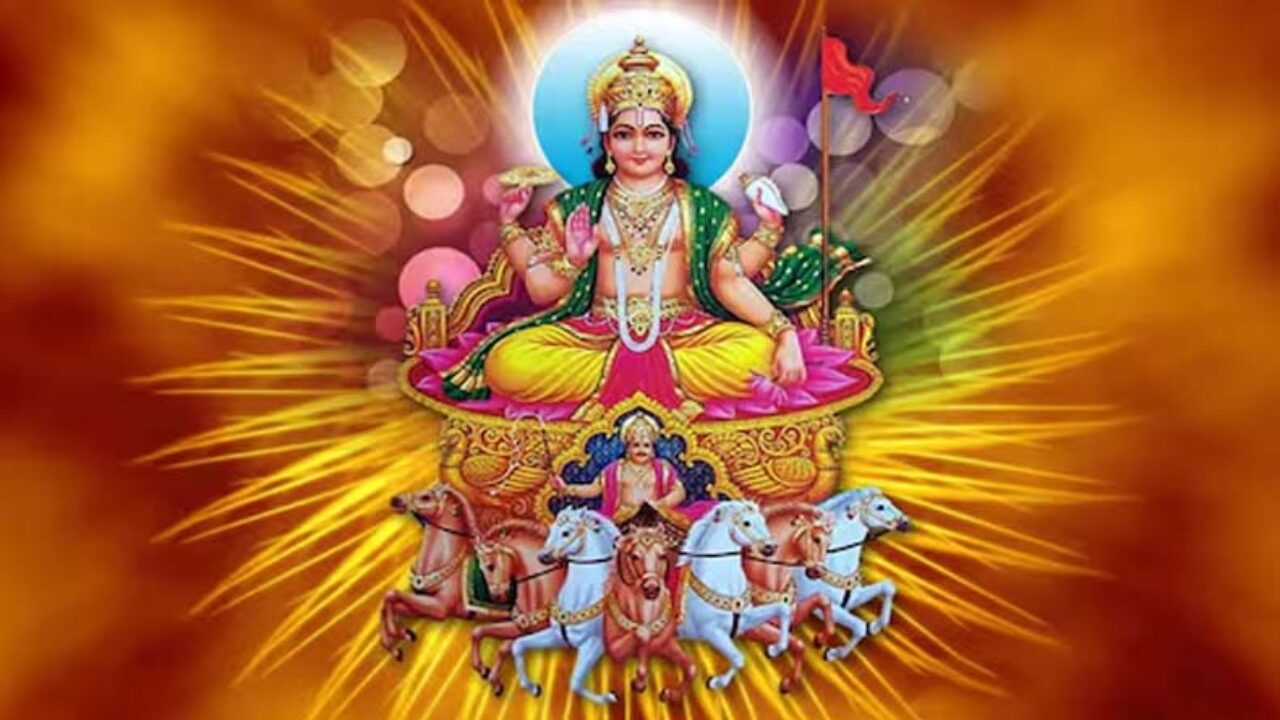
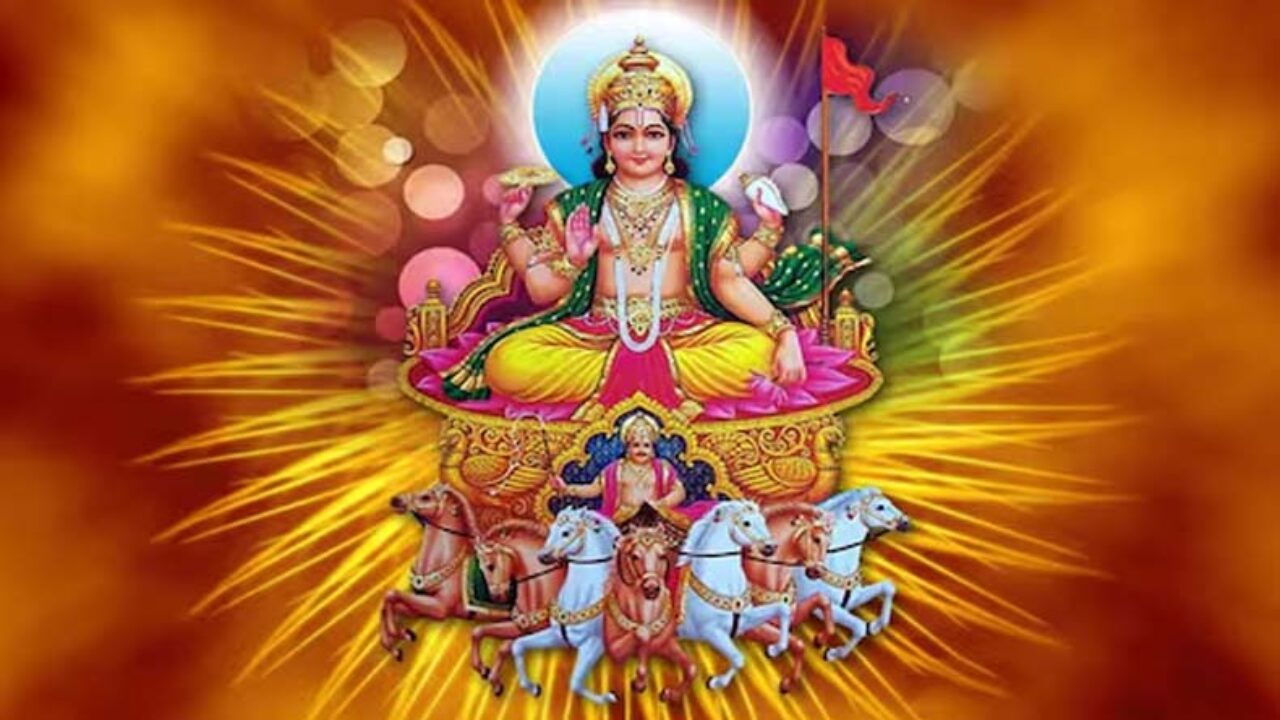
Timing: Chhath is observed on Shashthi (the sixth day) of Kartik Shukla Paksha in many regions and is usually celebrated shortly after Diwali days (local calendars vary). It is an ancient Vedic festival dedicated to Surya Dev (Sun) and Chhathi Maiya (Usha). Chhath is famous in Bihar, eastern UP, Jharkhand and Nepal; its practice emphasizes purity, austerity and direct nature-worship.
Ritual outline (four-day observance)
Nahay-Khay (Day 1): Devotees take a ritual bath (purification) and eat satvik food.
Kharna (Day 2): Fasting for the day; in evening gur-ki-kheer is prepared and offered; fast (some observe nirjala thereafter).
Sandhya Arghya (Day 3 — Sunset Offerings): Devotees stand at riverbanks or ghats and offer arghya to the setting sun with fruits, thekua and sugarcane.
Usha Arghya (Day 4 — Sunrise Offerings): Early morning offerings to the rising sun; conclude fast and distribute prasad.
Spiritual meaning
Chhath is an ecological, devotional festival where humans thank the Sun — the visible life-source. Ritual purity, silence, and self-control are central. The festival has no idol worship: worship is direct to the cosmic element — Surya.
Shloka / Salutation: “ॐ सूर्याय नमः।”
Meaning: “Salutations to the Sun God.”
Explanation: Recognizes Surya as preserver of life, healer, and witness of vows.
Folk hymn sung at ghats:
“उगते सुरज देव, अरघ देब तोहार। कार्तिक मास में, हो सुख अपार॥”
Meaning: “Rising Sun, I offer You my Arghya; in the month of Kartik bless us with boundless joy.”
Explanation: A direct, simple expression of gratitude and plea for blessings.
Social and personal effects
Chhath promotes community: families gather on riverbanks; entire villages light up with lamps; the practice fosters discipline and gratitude. On a symbolic level, facing the rising and setting sun teaches acceptance of cycles — dusk and dawn — grief and hope.
Akshaya Navami / Amla Navami — (After Chhath as you insisted)
Timing: Observed on Navami (ninth day) of the bright half of Kartik. This day is associated with the sacred Amla (Indian gooseberry) tree, material prosperity, and the famed concept Akshaya (imperishable merit).
Key practices
Amla worship: Circumambulation and offering of water/flowers to the Amla tree.
Eating Amla fruit: Considered meritorious; often communal distribution/feeding.
Dana (charity): Food and gifts to Brahmins, the needy — believed to yield Akshaya Punya.
Shloka: “आमलकं विष्णुरूपं च विष्णोस्तद्भावनं परम्।”
Meaning: “The Amla tree is in the form of Vishnu; meditating on it yields supreme merit.”
Explanation: Nature as divinity — the Amla becomes a living temple where offerings accrue imperishable merit.
Folk doha:
“आंवला खाय, विष्णु धरि ध्याय। कार्तिक नवमी पुन्य फल पाय॥”
Meaning: “Eat Amla while meditating on Vishnu, and attain the sacred fruit of Kartik Navami.”
Explanation: Simple acts of devotion fused with nature-worship produce great spiritual benefit.
Katha (legend) summary
One popular legend (from Puranic tradition) tells of a pious Brahmin who, with sincere humility, worshipped an Amla tree and received divine favor from Vishnu. The moral: sincerity outweighs scale — a small heartfelt offering in Kartik yields vast returns.
Dev Uthani Ekadashi, Tulsi Vivah and Kartik Purnima
After Navami, Dev Uthani Ekadashi marks the cosmic awakening of Vishnu — Chaturmas ends and auspicious activities restart.
Shloka for awakening: “उत्तिष्ठोत्तिष्ठ गोविन्द, त्यज निद्रां जगत्पते।”
Meaning: “Awaken, O Govinda; cast off slumber, Lord of the universe.”
Explanation: Both the cosmos and the devotee are called to renewed engagement.
Tulsi Vivah: Symbolic wedding of Tulsi with Vishnu (Shaligram) — a ritual signifying the union of devotion and the Divine.
Kartik Purnima / Dev Deepawali: The month closes with the full-moon festival when gods light lamps in celebration — the ghats of Varanasi famously glow with thousands of diyas.
Shloka: “त्रिपुरं हत्वा त्रिलोकेशः प्रकाशं दत्तवान् प्रभुः।”
Meaning: “Having destroyed Tripurasura, the Lord lit up the three worlds.”
Interpretation: Light as victory of truth; the cosmic order restored.
Promise of liberation verse:
“दीपो हरिपुरे यत्र, कार्तिके दीप्यमानकः। तत्र दिव्यं पदं याति, न पुनर्मानुषं भवेत्॥”
Meaning: “Whoever lights a lamp for Hari in Kartik attains the divine realm and is freed from rebirth.”
Note: This is devotional hyperbole expressing Kartik’s exceptional fruit; the spiritual point is that sincere devotion is liberating.
Hymns, Dohas and Their Meanings
Damodar Ashtakam excerpt (recited in Kartik):
“नमामीशं सचिनानन्दरूपं… ”
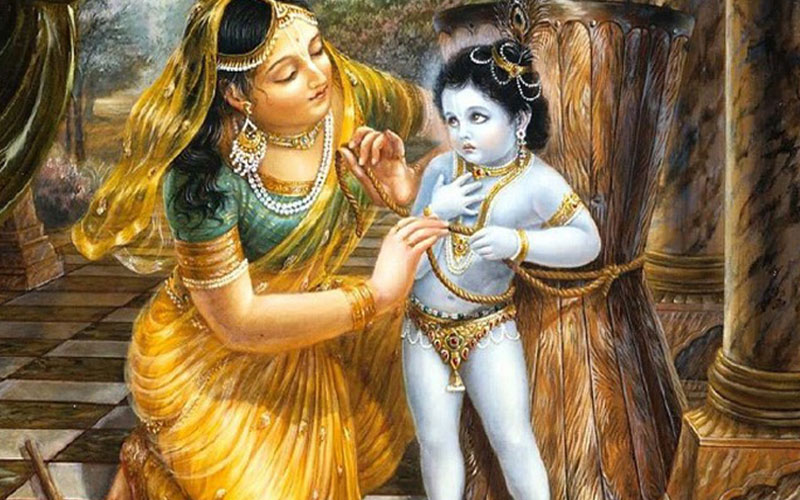
Meaning: “I bow to the blissful Lord, who in child-form surrenderingly accepts Yashoda’s loving chastisement.”
Explanation: God’s play (lila) shows that love, not power, binds the human heart to the Divine.
Tulsidas doha:
“मनुजा तनु पावन दुर्लभ भवानी। सुनु मम बचन कर धरम निभानी॥”
Meaning: “O Mother, human birth is sacred and rare; help me keep dharma.”
Explanation: A reminder to use this rare life for righteous action — a Kartik imperative.
Book experienced pandits online for all Hindu puja rituals with Bhaktinama – simple, reliable, and authentic.
“दीप जलावो भाव से, मन में हरि का नाम। कार्तिक की ये पावन बेला, हर ले सब अभिमान॥”
Meaning: “Light the lamp with feeling, hold Hari’s name in your heart; Kartik’s sacred time removes all ego.”
Explanation: Inner devotion over outward show; humility is Kartik’s central message.
The inner teaching of Kartik
Kartik teaches purification through discipline, surrender through ritual, and liberation through humble devotion. Whether one stands at the ghats for Chhath, circumambulates the Amla tree on Navami, or lights a single lamp at home, the underlying process is the same — transform the heart.
Kartik Maas (October–November) is one of the most sacred months in the Hindu lunar calendar — a season for lamps, vows, holy baths, and heartfelt devotion. Scriptures describe Kartik as “Kārtikaṁ tu Hareḥ priyam” — the month beloved of Lord Hari. Throughout Kartik devotees seek purification, perform charity, chant mantras and light diyas so inner darkness is dispelled by devotion’s flame.
Shloka:
“कार्तिकं तु हरेः प्रियं।” — Kārtikaṁ tu Hareḥ priyam (Padma Purana)
Meaning: “Kartik is most dear to Lord Hari (Vishnu).”
Explanation: This sets the theme: acts of devotion in Kartik carry exceptional spiritual fruit.
Daily disciplines of Kartik
Common observances: pre-dawn holy baths (Kartik Snan), lighting deepas each evening (Deep Daan), Tulsi worship, reading Bhagavatam, Vishnu Sahasranama or Gita, sattvic diet and increased charity.
Shloka:
“प्रातःस्नानं हि कार्तिके सर्वपापप्रणाशनम्।”
Meaning: “A holy dawn bath in Kartik removes sins.”
Explanation: The dawn bath is symbolic — cleansing body and mind so the devotee can receive grace.
Mantra often chanted: “ॐ नमो भगवते वासुदेवाय।” — “I bow to Lord Vasudeva.”
Meaning/Effect: Surrendering the ego; invoking Vishnu’s protection and purity.
Sharad Purnima and the early days
Kartik begins in the atmosphere of Sharad Purnima — moonlit devotion and the Raas Leela memory. Then family vrats such as Karva Chauth and Ahoi Ashtami follow, signifying household devotion and maternal prayers.
Doha (devotional couplet):
“चन्द्रवदन कृष्ण मोर नन्दलाला। प्रेम रस वर्षै, तन मन निहाला॥”
Meaning: “Moon-faced Krishna, dear child of Nanda — you shower love that fills body and soul.”
Explanation: Evokes Sharad Purnima’s Raas — divine love touching the devotee.
The Diwali cluster — Dhanteras to Bhai Dooj
The middle of Kartik hosts the Diwali celebrations: Dhanteras (health & prosperity), Naraka Chaturdashi, Diwali (return of Rama, victory of light), Govardhan Puja, and Bhai Dooj. Lamps multiply across homes and temples — inner light mirrored outward.
Upanishadic invocation: “तमसो मा ज्योतिर्गमय।” — “Lead me from darkness to light.”
Meaning: The perennial prayer to move from ignorance to knowledge; apt for Deepawali.
Chhath Puja — (Placed here first as you requested)
Timing: Chhath is observed on Shashthi (the sixth day) of Kartik Shukla Paksha in many regions and is usually celebrated shortly after Diwali days (local calendars vary). It is an ancient Vedic festival dedicated to Surya Dev (Sun) and Chhathi Maiya (Usha). Chhath is famous in Bihar, eastern UP, Jharkhand and Nepal; its practice emphasizes purity, austerity and direct nature-worship.
Ritual outline (four-day observance)
Nahay-Khay (Day 1): Devotees take a ritual bath (purification) and eat satvik food.
Kharna (Day 2): Fasting for the day; in evening gur-ki-kheer is prepared and offered; fast (some observe nirjala thereafter).
Sandhya Arghya (Day 3 — Sunset Offerings): Devotees stand at riverbanks or ghats and offer arghya to the setting sun with fruits, thekua and sugarcane.
Usha Arghya (Day 4 — Sunrise Offerings): Early morning offerings to the rising sun; conclude fast and distribute prasad.
Spiritual meaning
Chhath is an ecological, devotional festival where humans thank the Sun — the visible life-source. Ritual purity, silence, and self-control are central. The festival has no idol worship: worship is direct to the cosmic element — Surya.
Shloka / Salutation: “ॐ सूर्याय नमः।”
Meaning: “Salutations to the Sun God.”
Explanation: Recognizes Surya as preserver of life, healer, and witness of vows.
Folk hymn sung at ghats:
“उगते सुरज देव, अरघ देब तोहार। कार्तिक मास में, हो सुख अपार॥”
Meaning: “Rising Sun, I offer You my Arghya; in the month of Kartik bless us with boundless joy.”
Explanation: A direct, simple expression of gratitude and plea for blessings.
Social and personal effects
Chhath promotes community: families gather on riverbanks; entire villages light up with lamps; the practice fosters discipline and gratitude. On a symbolic level, facing the rising and setting sun teaches acceptance of cycles — dusk and dawn — grief and hope.
Akshaya Navami / Amla Navami — (After Chhath as you insisted)
Timing: Observed on Navami (ninth day) of the bright half of Kartik. This day is associated with the sacred Amla (Indian gooseberry) tree, material prosperity, and the famed concept Akshaya (imperishable merit).
Key practices
Amla worship: Circumambulation and offering of water/flowers to the Amla tree.
Eating Amla fruit: Considered meritorious; often communal distribution/feeding.
Dana (charity): Food and gifts to Brahmins, the needy — believed to yield Akshaya Punya.
Shloka: “आमलकं विष्णुरूपं च विष्णोस्तद्भावनं परम्।”
Meaning: “The Amla tree is in the form of Vishnu; meditating on it yields supreme merit.”
Explanation: Nature as divinity — the Amla becomes a living temple where offerings accrue imperishable merit.
Folk doha:
“आंवला खाय, विष्णु धरि ध्याय। कार्तिक नवमी पुन्य फल पाय॥”
Meaning: “Eat Amla while meditating on Vishnu, and attain the sacred fruit of Kartik Navami.”
Explanation: Simple acts of devotion fused with nature-worship produce great spiritual benefit.
Katha (legend) summary
One popular legend (from Puranic tradition) tells of a pious Brahmin who, with sincere humility, worshipped an Amla tree and received divine favor from Vishnu. The moral: sincerity outweighs scale — a small heartfelt offering in Kartik yields vast returns.
Dev Uthani Ekadashi, Tulsi Vivah and Kartik Purnima
After Navami, Dev Uthani Ekadashi marks the cosmic awakening of Vishnu — Chaturmas ends and auspicious activities restart.
Shloka for awakening: “उत्तिष्ठोत्तिष्ठ गोविन्द, त्यज निद्रां जगत्पते।”
Meaning: “Awaken, O Govinda; cast off slumber, Lord of the universe.”
Explanation: Both the cosmos and the devotee are called to renewed engagement.
Tulsi Vivah: Symbolic wedding of Tulsi with Vishnu (Shaligram) — a ritual signifying the union of devotion and the Divine.
Kartik Purnima / Dev Deepawali: The month closes with the full-moon festival when gods light lamps in celebration — the ghats of Varanasi famously glow with thousands of diyas.
Shloka: “त्रिपुरं हत्वा त्रिलोकेशः प्रकाशं दत्तवान् प्रभुः।”
Meaning: “Having destroyed Tripurasura, the Lord lit up the three worlds.”
Interpretation: Light as victory of truth; the cosmic order restored.
Promise of liberation verse:
“दीपो हरिपुरे यत्र, कार्तिके दीप्यमानकः। तत्र दिव्यं पदं याति, न पुनर्मानुषं भवेत्॥”
Meaning: “Whoever lights a lamp for Hari in Kartik attains the divine realm and is freed from rebirth.”
Note: This is devotional hyperbole expressing Kartik’s exceptional fruit; the spiritual point is that sincere devotion is liberating.
Hymns, Dohas and Their Meanings
Damodar Ashtakam excerpt (recited in Kartik):
“नमामीशं सचिनानन्दरूपं… ”
Meaning: “I bow to the blissful Lord, who in child-form surrenderingly accepts Yashoda’s loving chastisement.”
Explanation: God’s play (lila) shows that love, not power, binds the human heart to the Divine.
Tulsidas doha:
“मनुजा तनु पावन दुर्लभ भवानी। सुनु मम बचन कर धरम निभानी॥”
Meaning: “O Mother, human birth is sacred and rare; help me keep dharma.”
Explanation: A reminder to use this rare life for righteous action — a Kartik imperative.
Book experienced pandits online for all Hindu puja rituals with Bhaktinama – simple, reliable, and authentic.
“दीप जलावो भाव से, मन में हरि का नाम। कार्तिक की ये पावन बेला, हर ले सब अभिमान॥”
Meaning: “Light the lamp with feeling, hold Hari’s name in your heart; Kartik’s sacred time removes all ego.”
Explanation: Inner devotion over outward show; humility is Kartik’s central message.
The inner teaching of Kartik
Kartik teaches purification through discipline, surrender through ritual, and liberation through humble devotion. Whether one stands at the ghats for Chhath, circumambulates the Amla tree on Navami, or lights a single lamp at home, the underlying process is the same — transform the heart.