April 10, 2026
Spirituality
6 min read
Namakarana Sanskar: Meaning, Rituals, Importance, and Naming Ceremony in Hindu Tradition
Discover the meaning, rituals, timing, and spiritual significance of Namakarana Sanskar in Hinduism. Learn how the traditional Hindu naming ceremony is performed and why it is important for a newborn’s identity and future.
Namakarana Sanskar: The Sacred Ritual of Naming a Child
In the rich spiritual tradition of Hinduism, the birth of a child is not only a biological event but also a deeply spiritual moment for the family. Ancient scriptures describe sixteen important rites known as Sanskaras, which guide an individual’s journey from birth to death. Among these sacred rituals, Namakarana Sanskar holds a special place because it marks the formal naming of a newborn child. This ceremony symbolizes the child's entry into society and provides them with an identity that will accompany them throughout life.
At Bhaktinama, we not only share spiritual knowledge but also make your devotional journey
easier through modern, accessible services like online pandit booking, online temple booking,
ordering puja samagri online.
Meaning and Significance of Namakarana Sanskar
The word Namakarana comes from two Sanskrit words — “Nama” meaning name and “Karana” meaning to make or to create. Thus, Namakarana Sanskar literally means the ceremony of giving a name. In Hindu philosophy, a name is not merely a label; it carries vibrations, meaning, and cultural heritage. It is believed that a name can influence the personality and destiny of a person.
In ancient texts such as the Manusmriti and Grihya Sutras, the process and importance of naming a child are clearly described. According to these scriptures, a properly chosen name reflects divine qualities, cultural roots, and auspiciousness. Parents often select names inspired by gods, virtues, nature, or sacred traditions so that the child grows up embodying those values.
At Bhaktinama, these rituals are made easy with our online booking services, which include
pandit booking, temple booking, ordering ingredients, and guidance for performing any ritual all
at your fingertips.
When is Namakarana Sanskar Performed?
Traditionally, Namakarana Sanskar is performed on the 10th, 11th, or 12th day after the birth of the child. However, in some families and regional traditions, the ceremony may take place on the 21st day, 40th day, or even after three months depending on convenience and customs.
The timing is often decided after consulting a priest who calculates an auspicious moment based on the child’s birth details using the principles of Vedic Astrology. This ensures that the naming ceremony is conducted during a favorable time, believed to bring prosperity and happiness to the child.
Bhaktinama Services: Making Your Vrat Easy and Divine
In today’s fast-paced life, maintaining traditional rituals can be challenging. Bhaktinama bridges
this gap by combining devotion with convenience, ensuring that your Kamada Ekadashi
observance becomes smooth and stress-free.
● Online Temple Booking: Devotees can book darshan or special पजू ा at renowned
temples from the comfort of their home, ensuring participation even when travel is not
possible.
● Online Pandit Booking: Arrange experienced and verified pandits for Ekadashi पजू ा,
vrat katha, and rituals at your home with ease and authenticity.
● Puja Samagri (Ingredients) Ordering: Get all essential पजू ा items—like incense, diya,
fruits, and sacred सामग्री—delivered to your doorstep without hassle.
● Personalized Ritual Guidance: Step-by-step assistance and guidance help even
beginners perform Kamada Ekadashi vrat correctly.
With Bhaktinama, devotion is no longer limited by time, distance, or availability—it becomes
accessible to everyone.
Rituals and Process of the Ceremony
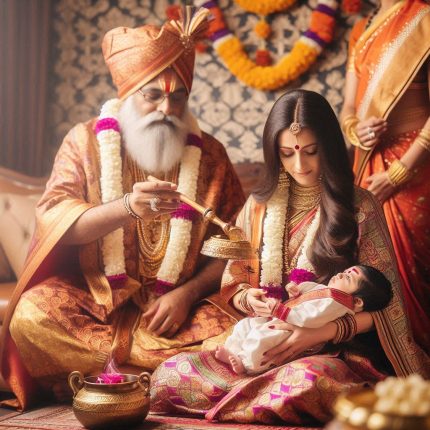
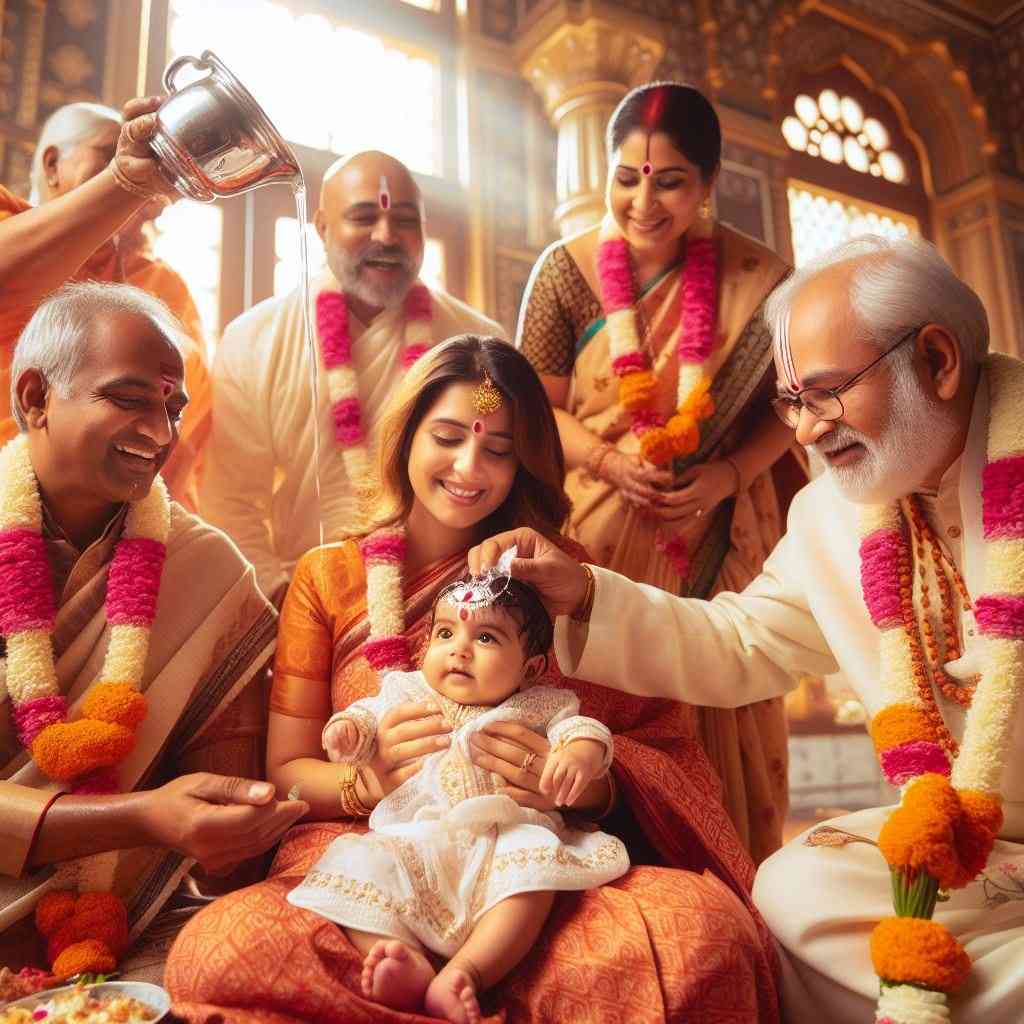
The Namakarana ceremony is usually performed at home or in a temple in the presence of family members, relatives, and a priest. The house is decorated with flowers, lamps, and sacred symbols to create a divine atmosphere. The ceremony generally begins with prayers and the chanting of Vedic mantras seeking blessings from various deities.
During the ritual, the priest performs a havan (sacred fire ritual) to purify the surroundings and invoke divine blessings. The child is placed in the parents’ lap while prayers are offered for the child’s health, long life, and prosperity.
The most important moment of the ceremony occurs when the father or elder of the family gently whispers the chosen name into the baby’s right ear. This act symbolizes the formal acceptance of the name. Sometimes the name is also written in rice grains or announced publicly to everyone present.
Platforms like Bhaktinama further enhance this journey by making spiritual practices simpler,
accessible, and more meaningful in modern life. Online booking of pandits, temple, पजू ा सामग्री
delivery all just one tap away.
How Names Are Traditionally Chosen
In many Hindu traditions, the first letter of the baby’s name is determined by the child’s birth star (Nakshatra) calculated through astrology. Each Nakshatra corresponds to specific syllables from which the name should begin.
For example, if the child is born under a particular Nakshatra, the priest suggests certain letters considered auspicious. Parents then choose a meaningful name starting with those letters. This practice connects the child’s identity with cosmic influences and spiritual harmony.
Cultural and Emotional Importance
Namakarana Sanskar is more than just a formal ceremony—it is a moment of celebration for the entire family. It marks the first public introduction of the newborn to the community. Relatives and friends gather to bless the child and express their joy.
The ceremony also strengthens family bonds and cultural continuity. Through this ritual, parents pass down traditions, beliefs, and values to the next generation. It reinforces the idea that a child is not only a member of the family but also part of a larger cultural and spiritual heritage.
With Bhaktinama’s modern services like online temple booking, pandit booking, and पजू ा सामग्री
delivery, your spiritual practices become effortless and deeply fulfilling. Stay connected with
Bhaktinama to experience devotion in the most convenient and authentic way
Modern Celebrations of Namakarana
While the essence of Namakarana Sanskar remains the same, modern families often celebrate it in different ways. Some organize small gatherings at home, while others host larger celebrations with friends and relatives. In many urban families, the ritual is combined with a naming party.
Despite these changes, the spiritual significance of the ceremony continues to hold great importance. Families still seek blessings from elders and divine powers for the child’s bright future.
Book experienced pandits online for all Hindu puja rituals with Bhaktinama – simple, reliable, and authentic.
In the rich spiritual tradition of Hinduism, the birth of a child is not only a biological event but also a deeply spiritual moment for the family. Ancient scriptures describe sixteen important rites known as Sanskaras, which guide an individual’s journey from birth to death. Among these sacred rituals, Namakarana Sanskar holds a special place because it marks the formal naming of a newborn child. This ceremony symbolizes the child's entry into society and provides them with an identity that will accompany them throughout life.
At Bhaktinama, we not only share spiritual knowledge but also make your devotional journey
easier through modern, accessible services like online pandit booking, online temple booking,
ordering puja samagri online.
Meaning and Significance of Namakarana Sanskar
The word Namakarana comes from two Sanskrit words — “Nama” meaning name and “Karana” meaning to make or to create. Thus, Namakarana Sanskar literally means the ceremony of giving a name. In Hindu philosophy, a name is not merely a label; it carries vibrations, meaning, and cultural heritage. It is believed that a name can influence the personality and destiny of a person.
In ancient texts such as the Manusmriti and Grihya Sutras, the process and importance of naming a child are clearly described. According to these scriptures, a properly chosen name reflects divine qualities, cultural roots, and auspiciousness. Parents often select names inspired by gods, virtues, nature, or sacred traditions so that the child grows up embodying those values.
At Bhaktinama, these rituals are made easy with our online booking services, which include
pandit booking, temple booking, ordering ingredients, and guidance for performing any ritual all
at your fingertips.
When is Namakarana Sanskar Performed?
Traditionally, Namakarana Sanskar is performed on the 10th, 11th, or 12th day after the birth of the child. However, in some families and regional traditions, the ceremony may take place on the 21st day, 40th day, or even after three months depending on convenience and customs.
The timing is often decided after consulting a priest who calculates an auspicious moment based on the child’s birth details using the principles of Vedic Astrology. This ensures that the naming ceremony is conducted during a favorable time, believed to bring prosperity and happiness to the child.
Bhaktinama Services: Making Your Vrat Easy and Divine
In today’s fast-paced life, maintaining traditional rituals can be challenging. Bhaktinama bridges
this gap by combining devotion with convenience, ensuring that your Kamada Ekadashi
observance becomes smooth and stress-free.
● Online Temple Booking: Devotees can book darshan or special पजू ा at renowned
temples from the comfort of their home, ensuring participation even when travel is not
possible.
● Online Pandit Booking: Arrange experienced and verified pandits for Ekadashi पजू ा,
vrat katha, and rituals at your home with ease and authenticity.
● Puja Samagri (Ingredients) Ordering: Get all essential पजू ा items—like incense, diya,
fruits, and sacred सामग्री—delivered to your doorstep without hassle.
● Personalized Ritual Guidance: Step-by-step assistance and guidance help even
beginners perform Kamada Ekadashi vrat correctly.
With Bhaktinama, devotion is no longer limited by time, distance, or availability—it becomes
accessible to everyone.
Rituals and Process of the Ceremony
The Namakarana ceremony is usually performed at home or in a temple in the presence of family members, relatives, and a priest. The house is decorated with flowers, lamps, and sacred symbols to create a divine atmosphere. The ceremony generally begins with prayers and the chanting of Vedic mantras seeking blessings from various deities.
During the ritual, the priest performs a havan (sacred fire ritual) to purify the surroundings and invoke divine blessings. The child is placed in the parents’ lap while prayers are offered for the child’s health, long life, and prosperity.
The most important moment of the ceremony occurs when the father or elder of the family gently whispers the chosen name into the baby’s right ear. This act symbolizes the formal acceptance of the name. Sometimes the name is also written in rice grains or announced publicly to everyone present.
Platforms like Bhaktinama further enhance this journey by making spiritual practices simpler,
accessible, and more meaningful in modern life. Online booking of pandits, temple, पजू ा सामग्री
delivery all just one tap away.
How Names Are Traditionally Chosen
In many Hindu traditions, the first letter of the baby’s name is determined by the child’s birth star (Nakshatra) calculated through astrology. Each Nakshatra corresponds to specific syllables from which the name should begin.
For example, if the child is born under a particular Nakshatra, the priest suggests certain letters considered auspicious. Parents then choose a meaningful name starting with those letters. This practice connects the child’s identity with cosmic influences and spiritual harmony.
Cultural and Emotional Importance
Namakarana Sanskar is more than just a formal ceremony—it is a moment of celebration for the entire family. It marks the first public introduction of the newborn to the community. Relatives and friends gather to bless the child and express their joy.
The ceremony also strengthens family bonds and cultural continuity. Through this ritual, parents pass down traditions, beliefs, and values to the next generation. It reinforces the idea that a child is not only a member of the family but also part of a larger cultural and spiritual heritage.
With Bhaktinama’s modern services like online temple booking, pandit booking, and पजू ा सामग्री
delivery, your spiritual practices become effortless and deeply fulfilling. Stay connected with
Bhaktinama to experience devotion in the most convenient and authentic way
Modern Celebrations of Namakarana
While the essence of Namakarana Sanskar remains the same, modern families often celebrate it in different ways. Some organize small gatherings at home, while others host larger celebrations with friends and relatives. In many urban families, the ritual is combined with a naming party.
Despite these changes, the spiritual significance of the ceremony continues to hold great importance. Families still seek blessings from elders and divine powers for the child’s bright future.
Book experienced pandits online for all Hindu puja rituals with Bhaktinama – simple, reliable, and authentic.