April 08, 2026
Spirituality
6 min read
Simantonnayana Ceremony: Meaning, Rituals, Significance & Modern Relevance
Discover the meaning, rituals, and significance of the Simantonnayana ceremony in Hindu tradition. Learn when it is performed, its spiritual importance, and modern relevance.
Simantonnayana Ceremony: Meaning, Rituals, and Spiritual Significance
The Simantonnayana ceremony is one of the most meaningful and sacred prenatal rituals in Hindu tradition, reflecting a deep understanding of maternal care, emotional well-being, and spiritual protection. This ceremony is not merely a cultural practice but a holistic approach to nurturing both the expectant mother and the unborn child. Rooted in ancient scriptures, it highlights the importance of a positive environment, family support, and mental peace during pregnancy.
At Bhaktinama, we not only share spiritual knowledge but also make your devotional journey
easier through modern, accessible services like online pandit booking, online temple booking,
ordering puja samagri online.
What is Simantonnayana?
The Simantonnayana ceremony is one of the sixteen samskaras, or life-cycle rituals, described in Hindu tradition. The term itself is derived from Sanskrit, where Simanta refers to the parting of the hair and Unnayana means uplifting or bringing forward. Together, the term symbolizes a ritual that uplifts the emotional and spiritual state of the expectant mother.
At the heart of the ceremony lies the symbolic act of the husband gently parting his wife’s hair. This gesture is not simply physical but deeply spiritual, representing care, protection, and responsibility. It signifies the husband’s role in supporting his wife through pregnancy while invoking divine blessings for the healthy development of the child. The ritual reflects the belief that a mother’s mental and emotional condition directly influences the unborn child.
At Bhaktinama, these rituals are made easy with our online booking services, which include
pandit booking, temple booking, ordering ingredients, and guidance for performing any ritual all
at your fingertips.
When is the Simantonnayana Ceremony Performed?
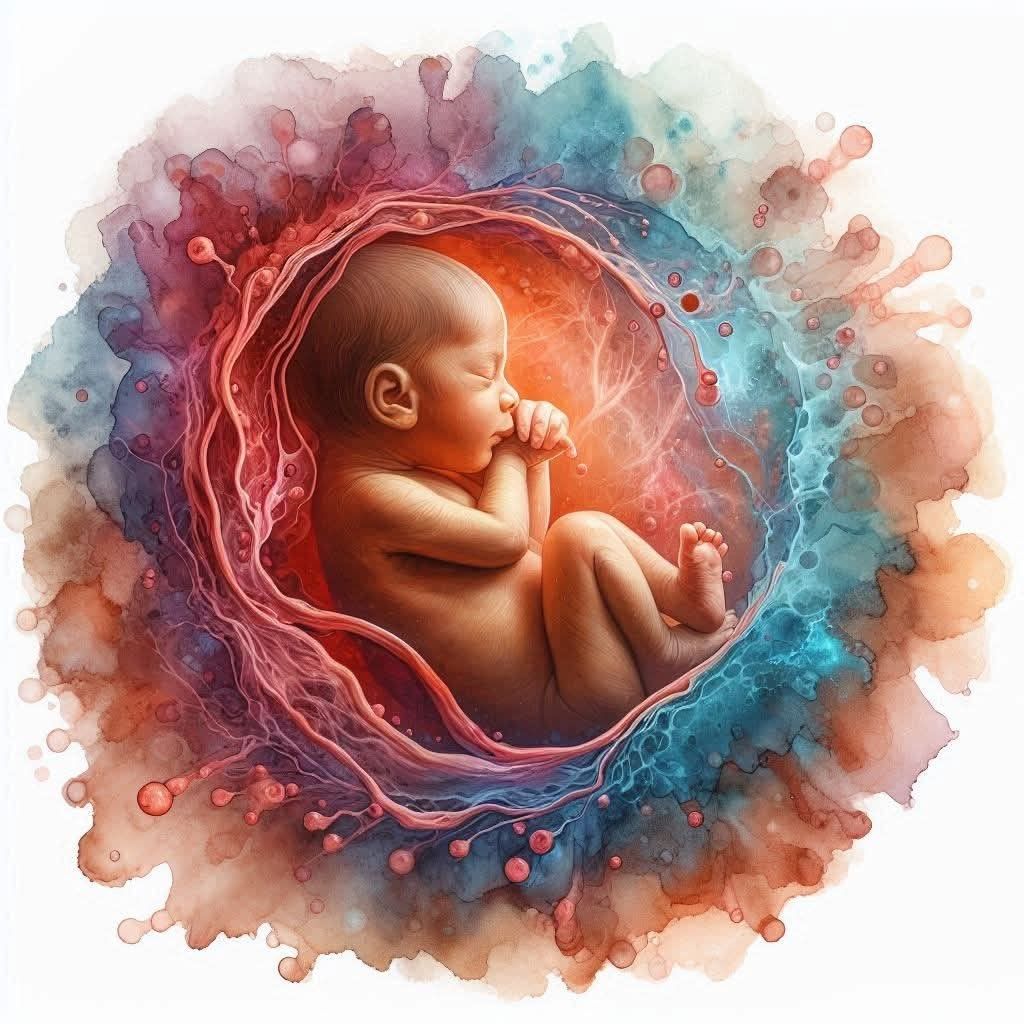
The Simantonnayana ceremony is traditionally performed during the sixth or seventh month of pregnancy. This period is considered especially significant because it is believed that the fetus begins to develop stronger sensory awareness and responsiveness to external stimuli.
Ancient Indian traditions emphasize that the environment surrounding the mother during this stage has a lasting impact on the child’s emotional and psychological development. Therefore, performing the ceremony at this time is seen as a way to ensure that the mother is surrounded by positivity, calmness, and happiness. It also serves as a moment for the family to come together and acknowledge the importance of supporting the mother during the later stages of pregnancy.
Bhaktinama Services: Making Your Vrat Easy and Divine
In today’s fast-paced life, maintaining traditional rituals can be challenging. Bhaktinama bridges
this gap by combining devotion with convenience, ensuring that your Kamada Ekadashi
observance becomes smooth and stress-free.
● Online Temple Booking: Devotees can book darshan or special पजू ा at renowned
temples from the comfort of their home, ensuring participation even when travel is not
possible.
● Online Pandit Booking: Arrange experienced and verified pandits for Ekadashi पजू ा,
vrat katha, and rituals at your home with ease and authenticity.
● Puja Samagri (Ingredients) Ordering: Get all essential पजू ा items—like incense, diya,
fruits, and sacred सामग्री—delivered to your doorstep without hassle.
● Personalized Ritual Guidance: Step-by-step assistance and guidance help even
beginners perform Kamada Ekadashi vrat correctly.
With Bhaktinama, devotion is no longer limited by time, distance, or availability—it becomes
accessible to everyone.
Rituals of Simantonnayana
The Simantonnayana ceremony rituals are rich in symbolism and may vary across regions, but their essence remains consistent. The central act of parting the hair is performed with great care and reverence, often accompanied by the chanting of Vedic mantras. These mantras are believed to create a protective spiritual shield around the mother and child.
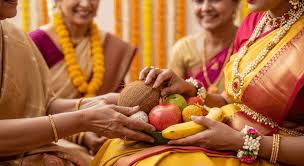
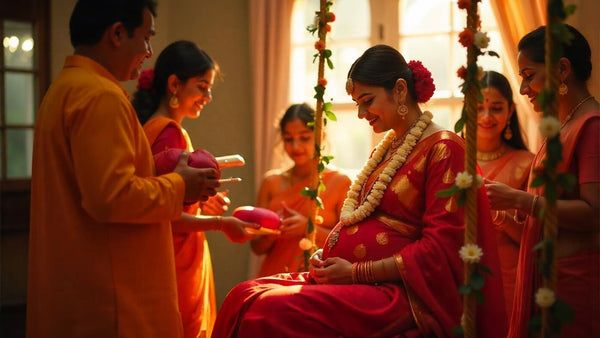
The expectant mother is dressed in special attire, often traditional and vibrant, symbolizing joy and celebration. She is adorned with jewelry and treated with utmost care, reflecting her elevated status during this phase of life. This attention is not merely decorative but serves to uplift her mood and reinforce her importance within the family.
The ceremony is typically conducted in a calm and auspicious environment. Soft music or devotional songs are played, based on the belief that the unborn child can perceive sounds and emotions. This practice aligns with the idea that positive auditory experiences can contribute to the child’s development.
Family members and friends gather to bless the mother, offering gifts and words of encouragement. The atmosphere is intentionally kept joyful and supportive, ensuring that the mother feels emotionally secure and valued. The communal aspect of the ritual reinforces social bonds and creates a network of care around the expectant mother.
Platforms like Bhaktinama further enhance this journey by making spiritual practices simpler,
accessible, and more meaningful in modern life. Online booking of pandits, temple, पजू ा सामग्री
delivery all just one tap away.
Spiritual Significance of Simantonnayana
The importance of the Simantonnayana ceremony extends far beyond its visible rituals. It embodies a profound understanding of the connection between the mind, body, and environment during pregnancy. The ceremony emphasizes that a mother’s thoughts, emotions, and surroundings can shape the development of the unborn child.
Spiritually, the ritual is believed to invoke divine blessings that protect against negative influences. It creates a sacred space where the mother is encouraged to remain peaceful, optimistic, and emotionally balanced. This reflects the ancient belief that nurturing the mother’s inner state is essential for the child’s well-being.
The ceremony also highlights the role of the family, particularly the husband, in providing emotional and psychological support. It reinforces the idea that pregnancy is not just an individual journey but a shared responsibility that involves care, compassion, and collective participation.
Regional Variations of Simantonnayana
The Simantonnayana ceremony in India is practiced in various forms across different regions, each adding its unique cultural elements while preserving the core essence of the ritual. In South India, the ceremony is commonly known as Seemantham, where it is celebrated with elaborate rituals and traditional music. In Maharashtra, a similar practice called Dohale Jevan focuses on fulfilling the cravings of the expectant mother and ensuring her happiness.
In North India, the ceremony shares similarities with Godh Bharai, which is more celebratory in nature and resembles a baby shower. Despite these variations in name and practice, the underlying purpose remains consistent—to ensure the well-being of the mother and child while celebrating the journey of motherhood.
Simantonnayana in Modern Times
In contemporary society, the Simantonnayana ceremony continues to hold relevance, although it has evolved to suit modern lifestyles. Many families now combine traditional elements with modern practices, creating a ceremony that is both meaningful and adaptable.
The ritual is often celebrated as a blend of cultural tradition and modern baby shower, incorporating decorations, themes, and even discussions on prenatal health and wellness. This evolution reflects a growing awareness of the importance of emotional and mental health during pregnancy.
With Bhaktinama’s modern services like online temple booking, pandit booking, and पजू ा सामग्री
delivery, your spiritual practices become effortless and deeply fulfilling. Stay connected with
Bhaktinama to experience devotion in the most convenient and authentic way
While the form may change, the essence of the ceremony remains intact. It continues to serve as a reminder of the importance of care, positivity, and support during one of the most significant phases of life.
Book experienced pandits online for all Hindu puja rituals with Bhaktinama – simple, reliable, and authentic.
The Simantonnayana ceremony is one of the most meaningful and sacred prenatal rituals in Hindu tradition, reflecting a deep understanding of maternal care, emotional well-being, and spiritual protection. This ceremony is not merely a cultural practice but a holistic approach to nurturing both the expectant mother and the unborn child. Rooted in ancient scriptures, it highlights the importance of a positive environment, family support, and mental peace during pregnancy.
At Bhaktinama, we not only share spiritual knowledge but also make your devotional journey
easier through modern, accessible services like online pandit booking, online temple booking,
ordering puja samagri online.
What is Simantonnayana?
The Simantonnayana ceremony is one of the sixteen samskaras, or life-cycle rituals, described in Hindu tradition. The term itself is derived from Sanskrit, where Simanta refers to the parting of the hair and Unnayana means uplifting or bringing forward. Together, the term symbolizes a ritual that uplifts the emotional and spiritual state of the expectant mother.
At the heart of the ceremony lies the symbolic act of the husband gently parting his wife’s hair. This gesture is not simply physical but deeply spiritual, representing care, protection, and responsibility. It signifies the husband’s role in supporting his wife through pregnancy while invoking divine blessings for the healthy development of the child. The ritual reflects the belief that a mother’s mental and emotional condition directly influences the unborn child.
At Bhaktinama, these rituals are made easy with our online booking services, which include
pandit booking, temple booking, ordering ingredients, and guidance for performing any ritual all
at your fingertips.
When is the Simantonnayana Ceremony Performed?
The Simantonnayana ceremony is traditionally performed during the sixth or seventh month of pregnancy. This period is considered especially significant because it is believed that the fetus begins to develop stronger sensory awareness and responsiveness to external stimuli.
Ancient Indian traditions emphasize that the environment surrounding the mother during this stage has a lasting impact on the child’s emotional and psychological development. Therefore, performing the ceremony at this time is seen as a way to ensure that the mother is surrounded by positivity, calmness, and happiness. It also serves as a moment for the family to come together and acknowledge the importance of supporting the mother during the later stages of pregnancy.
Bhaktinama Services: Making Your Vrat Easy and Divine
In today’s fast-paced life, maintaining traditional rituals can be challenging. Bhaktinama bridges
this gap by combining devotion with convenience, ensuring that your Kamada Ekadashi
observance becomes smooth and stress-free.
● Online Temple Booking: Devotees can book darshan or special पजू ा at renowned
temples from the comfort of their home, ensuring participation even when travel is not
possible.
● Online Pandit Booking: Arrange experienced and verified pandits for Ekadashi पजू ा,
vrat katha, and rituals at your home with ease and authenticity.
● Puja Samagri (Ingredients) Ordering: Get all essential पजू ा items—like incense, diya,
fruits, and sacred सामग्री—delivered to your doorstep without hassle.
● Personalized Ritual Guidance: Step-by-step assistance and guidance help even
beginners perform Kamada Ekadashi vrat correctly.
With Bhaktinama, devotion is no longer limited by time, distance, or availability—it becomes
accessible to everyone.
Rituals of Simantonnayana
The Simantonnayana ceremony rituals are rich in symbolism and may vary across regions, but their essence remains consistent. The central act of parting the hair is performed with great care and reverence, often accompanied by the chanting of Vedic mantras. These mantras are believed to create a protective spiritual shield around the mother and child.
The expectant mother is dressed in special attire, often traditional and vibrant, symbolizing joy and celebration. She is adorned with jewelry and treated with utmost care, reflecting her elevated status during this phase of life. This attention is not merely decorative but serves to uplift her mood and reinforce her importance within the family.
The ceremony is typically conducted in a calm and auspicious environment. Soft music or devotional songs are played, based on the belief that the unborn child can perceive sounds and emotions. This practice aligns with the idea that positive auditory experiences can contribute to the child’s development.
Family members and friends gather to bless the mother, offering gifts and words of encouragement. The atmosphere is intentionally kept joyful and supportive, ensuring that the mother feels emotionally secure and valued. The communal aspect of the ritual reinforces social bonds and creates a network of care around the expectant mother.
Platforms like Bhaktinama further enhance this journey by making spiritual practices simpler,
accessible, and more meaningful in modern life. Online booking of pandits, temple, पजू ा सामग्री
delivery all just one tap away.
Spiritual Significance of Simantonnayana
The importance of the Simantonnayana ceremony extends far beyond its visible rituals. It embodies a profound understanding of the connection between the mind, body, and environment during pregnancy. The ceremony emphasizes that a mother’s thoughts, emotions, and surroundings can shape the development of the unborn child.
Spiritually, the ritual is believed to invoke divine blessings that protect against negative influences. It creates a sacred space where the mother is encouraged to remain peaceful, optimistic, and emotionally balanced. This reflects the ancient belief that nurturing the mother’s inner state is essential for the child’s well-being.
The ceremony also highlights the role of the family, particularly the husband, in providing emotional and psychological support. It reinforces the idea that pregnancy is not just an individual journey but a shared responsibility that involves care, compassion, and collective participation.
Regional Variations of Simantonnayana
The Simantonnayana ceremony in India is practiced in various forms across different regions, each adding its unique cultural elements while preserving the core essence of the ritual. In South India, the ceremony is commonly known as Seemantham, where it is celebrated with elaborate rituals and traditional music. In Maharashtra, a similar practice called Dohale Jevan focuses on fulfilling the cravings of the expectant mother and ensuring her happiness.
In North India, the ceremony shares similarities with Godh Bharai, which is more celebratory in nature and resembles a baby shower. Despite these variations in name and practice, the underlying purpose remains consistent—to ensure the well-being of the mother and child while celebrating the journey of motherhood.
Simantonnayana in Modern Times
In contemporary society, the Simantonnayana ceremony continues to hold relevance, although it has evolved to suit modern lifestyles. Many families now combine traditional elements with modern practices, creating a ceremony that is both meaningful and adaptable.
The ritual is often celebrated as a blend of cultural tradition and modern baby shower, incorporating decorations, themes, and even discussions on prenatal health and wellness. This evolution reflects a growing awareness of the importance of emotional and mental health during pregnancy.
With Bhaktinama’s modern services like online temple booking, pandit booking, and पजू ा सामग्री
delivery, your spiritual practices become effortless and deeply fulfilling. Stay connected with
Bhaktinama to experience devotion in the most convenient and authentic way
While the form may change, the essence of the ceremony remains intact. It continues to serve as a reminder of the importance of care, positivity, and support during one of the most significant phases of life.
Book experienced pandits online for all Hindu puja rituals with Bhaktinama – simple, reliable, and authentic.