April 07, 2026
Spirituality
7 min read
Womb Quickening Ceremony: Meaning, Rituals, Benefits & First Baby Movements Explained
Discover the meaning of the Womb Quickening Ceremony, its spiritual significance, detailed rituals, and how to celebrate the first baby movements during pregnancy.
Womb Quickening Ceremony: A Sacred Celebration of First Baby Movements
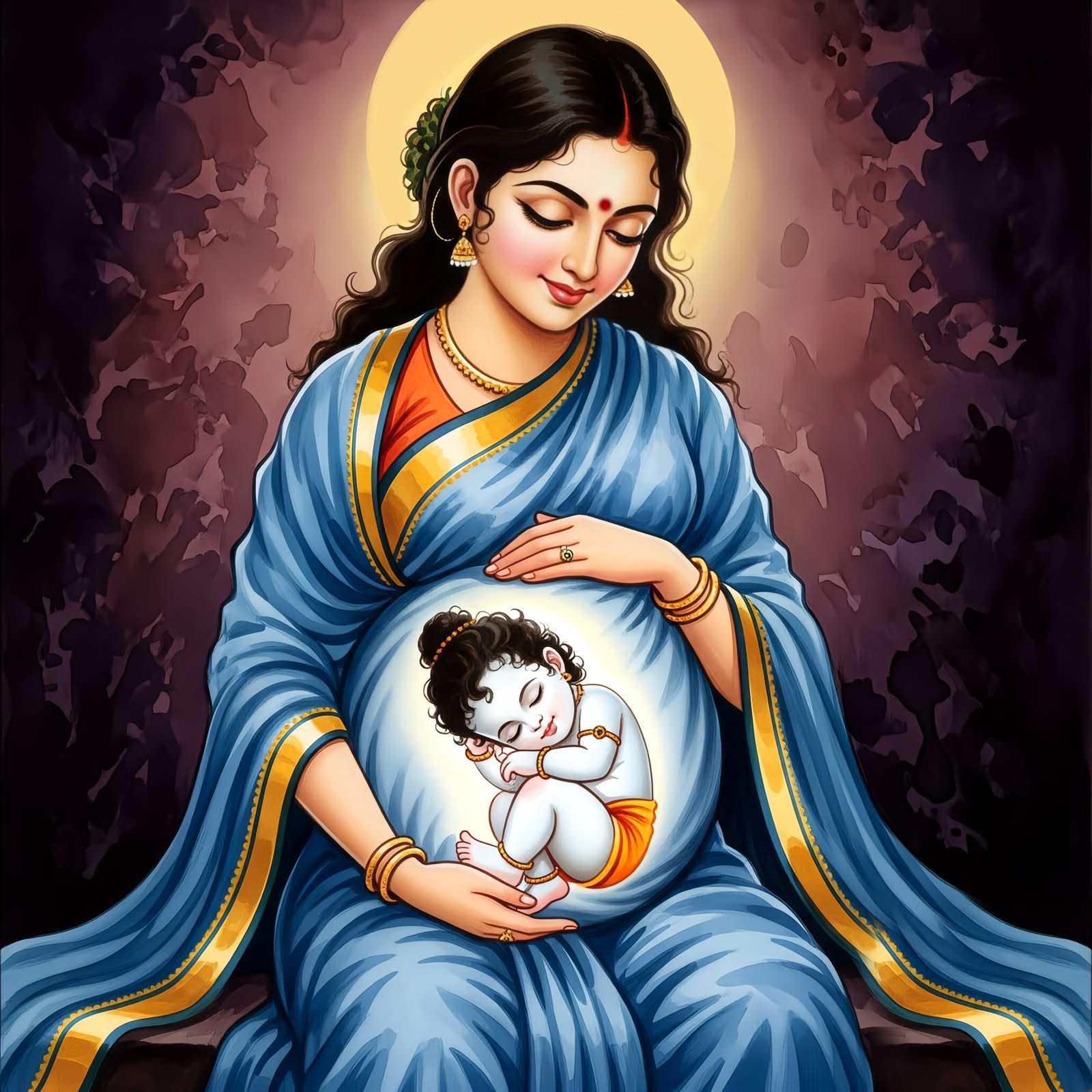
Pregnancy is a journey filled with subtle changes and profound realizations, but few moments compare to the first time a mother feels her baby move. This experience, known as quickening, transforms pregnancy from something understood intellectually into something deeply felt. The Womb Quickening Ceremony emerges from this powerful transition, offering a meaningful way to honor the beginning of physical connection between mother and child.
At Bhaktinama, we not only share spiritual knowledge but also make your devotional journey
easier through modern, accessible services like online pandit booking, online temple booking,
ordering puja samagri online.
This ceremony is not about external preparations or social expectations. Instead, it focuses on awareness, emotional bonding, and celebrating life in its earliest felt form.
What is a Womb Quickening Ceremony?
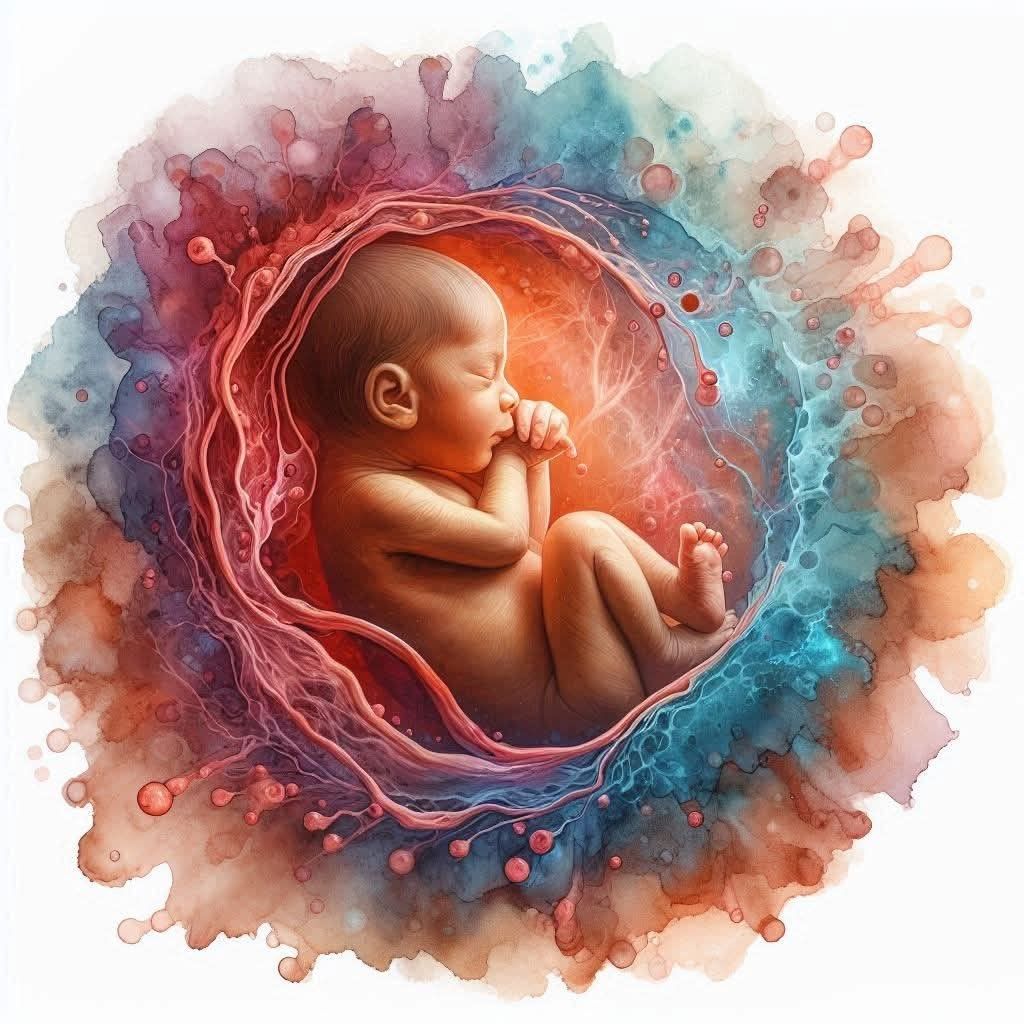
The Womb Quickening Ceremony is an intimate and symbolic ritual that takes place when a pregnant woman first experiences fetal movement, usually between the 16th and 25th week of pregnancy. At this stage, the baby’s movements become noticeable enough to create a sense of presence, turning the pregnancy into a shared experience between mother and child.
Unlike traditional celebrations such as baby showers, this ceremony is inward-looking. It emphasizes reflection rather than festivity, and connection rather than material preparation. It gives the mother space to acknowledge the emotional shift that occurs when she first feels life moving within her.
At Bhaktinama, these rituals are made easy with our online booking services, which include
pandit booking, temple booking, ordering ingredients, and guidance for performing any ritual all
at your fingertips.
This moment often brings reassurance, especially in early pregnancy when many changes are invisible. Feeling the baby move confirms growth and vitality, making the ceremony a natural response to this emotional milestone.
What Does “Quickening” Mean in Pregnancy?
Quickening refers to the first sensations of fetal movement that a mother can perceive. These initial movements are usually gentle and can feel like fluttering, soft bubbles, or light tapping from within. For first-time mothers, it may take some time to recognize these sensations, while those who have been pregnant before often identify them earlier.
The experience of quickening is deeply personal. It is not just a physical event but an emotional awakening. Until this point, pregnancy may feel abstract, marked by symptoms and medical check-ups. Quickening changes that perception by introducing interaction, however subtle.
This moment also marks the beginning of a new kind of awareness. Mothers often become more attuned to their bodies, noticing patterns of movement and developing an early sense of their baby’s presence and rhythm.
Bhaktinama Services: Making Your Vrat Easy and Divine
In today’s fast-paced life, maintaining traditional rituals can be challenging. Bhaktinama bridges
this gap by combining devotion with convenience, ensuring that your Kamada Ekadashi
observance becomes smooth and stress-free.
● Online Temple Booking: Devotees can book darshan or special पजू ा at renowned
temples from the comfort of their home, ensuring participation even when travel is not
possible.
● Online Pandit Booking: Arrange experienced and verified pandits for Ekadashi पजू ा,
vrat katha, and rituals at your home with ease and authenticity.
● Puja Samagri (Ingredients) Ordering: Get all essential पजू ा items—like incense, diya,
fruits, and sacred सामग्री—delivered to your doorstep without hassle.
● Personalized Ritual Guidance: Step-by-step assistance and guidance help even
beginners perform Kamada Ekadashi vrat correctly.
With Bhaktinama, devotion is no longer limited by time, distance, or availability—it becomes
accessible to everyone.
Spiritual and Emotional Significance of the Quickening Ceremony
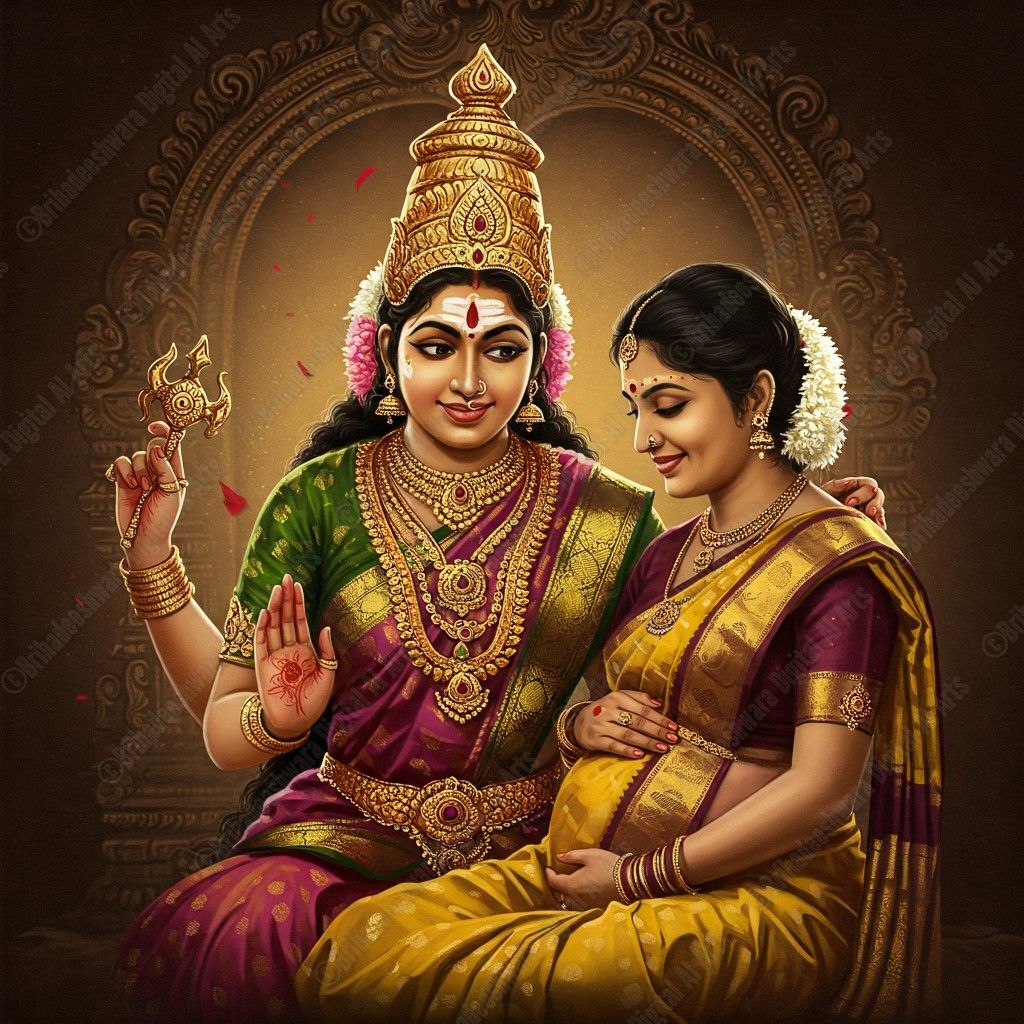
The Womb Quickening Ceremony carries layers of meaning that extend beyond biology. Emotionally, it represents the first tangible connection between mother and child. Spiritually, many traditions have viewed this moment as the beginning of life’s active presence within the womb.
Historically, quickening was often believed to signify the arrival of the soul into the body. While modern science provides a different explanation, the symbolic value of this belief continues to resonate. The ceremony becomes a way to honor life not just as a physical process, but as something deeply meaningful and sacred.
For the mother, this can be a moment of grounding. It brings reassurance that the baby is growing and thriving. It also invites a pause in the often busy and medicalized experience of pregnancy, allowing space for reflection and emotional connection.
The ceremony can also strengthen relationships. When shared with loved ones, it allows others to participate in the journey in a more intimate and meaningful way, fostering a sense of collective support and care.
Platforms like Bhaktinama further enhance this journey by making spiritual practices simpler,
accessible, and more meaningful in modern life. Online booking of pandits, temple, पजू ा सामग्री
delivery all just one tap away.
How to Celebrate a Womb Quickening Ceremony
Celebrating a Womb Quickening Ceremony is a deeply personal experience, and there is no single way to conduct it. The essence lies in creating an environment that allows the mother to feel calm, supported, and connected to her baby.
The ceremony often begins with setting a peaceful atmosphere. Soft lighting, gentle music, and meaningful objects can help create a sense of calm. This environment encourages the mother to focus inward and become fully present in the moment.
Sharing the story of the first movement is often a central part of the ceremony. When the mother describes what she felt and how it affected her, it transforms a private experience into a shared emotional moment. This storytelling helps others understand the significance of the milestone and deepens their connection to both mother and child.
Words also play a powerful role in the ceremony. Loved ones may offer blessings, affirmations, or simple expressions of support. These words can provide comfort and encouragement, reinforcing a sense of safety and positivity.
Many ceremonies include quiet moments of meditation or visualization. These practices help the mother focus on her connection with the baby, fostering a sense of calm and trust. In these moments, the outside world fades, and attention shifts entirely to the life growing within.
Symbolic acts are often woven into the ceremony as a way to express intentions and emotions. Lighting a candle can represent life and energy, while placing hands gently on the mother’s belly can symbolize shared love and support. Writing wishes for the baby or tying threads as tokens of protection can add layers of meaning to the experience.
Music, whether instrumental or softly sung, often enhances the atmosphere. It creates a soothing background that supports relaxation and emotional openness, allowing the ceremony to feel both peaceful and celebratory.
With Bhaktinama’s modern services like online temple booking, pandit booking, and पजू ा सामग्री
delivery, your spiritual practices become effortless and deeply fulfilling. Stay connected with
Bhaktinama to experience devotion in the most convenient and authentic way
Womb Quickening Ceremony in Indian Culture
Although the Womb Quickening Ceremony is not traditionally formalized in India, its essence aligns closely with existing cultural practices that celebrate pregnancy and motherhood. Rituals such as Godh Bharai in North India and Seemantham in South India are well-known ceremonies that honor the mother and unborn child.
However, these are usually conducted later in pregnancy. The quickening ceremony offers an opportunity to celebrate an earlier milestone, one that is quieter but equally meaningful. It complements traditional practices by focusing on the internal experience of motherhood rather than external celebration.
In a modern context, many families are beginning to embrace such personalized rituals. By blending traditional values with individual expression, the quickening ceremony can become a meaningful addition to the cultural landscape.
Benefits of Celebrating the Quickening Ceremony
Taking time to celebrate this moment can have a lasting emotional impact. It allows the mother to slow down and fully absorb the experience of feeling her baby for the first time. This mindful awareness can strengthen the bond between mother and child, making the pregnancy feel more real and connected.
The ceremony can also reduce anxiety. Pregnancy often comes with uncertainty, and feeling the baby move provides reassurance. Celebrating this moment reinforces a sense of trust in the body and the process.
In addition, it creates a lasting memory. Unlike routine medical milestones, this is a deeply personal experience that can be remembered and cherished for years to come. When shared with loved ones, it also builds a network of emotional support that can be invaluable throughout the pregnancy journey.
Book experienced pandits online for all Hindu puja rituals with Bhaktinama – simple, reliable, and authentic.
Pregnancy is a journey filled with subtle changes and profound realizations, but few moments compare to the first time a mother feels her baby move. This experience, known as quickening, transforms pregnancy from something understood intellectually into something deeply felt. The Womb Quickening Ceremony emerges from this powerful transition, offering a meaningful way to honor the beginning of physical connection between mother and child.
At Bhaktinama, we not only share spiritual knowledge but also make your devotional journey
easier through modern, accessible services like online pandit booking, online temple booking,
ordering puja samagri online.
This ceremony is not about external preparations or social expectations. Instead, it focuses on awareness, emotional bonding, and celebrating life in its earliest felt form.
What is a Womb Quickening Ceremony?
The Womb Quickening Ceremony is an intimate and symbolic ritual that takes place when a pregnant woman first experiences fetal movement, usually between the 16th and 25th week of pregnancy. At this stage, the baby’s movements become noticeable enough to create a sense of presence, turning the pregnancy into a shared experience between mother and child.
Unlike traditional celebrations such as baby showers, this ceremony is inward-looking. It emphasizes reflection rather than festivity, and connection rather than material preparation. It gives the mother space to acknowledge the emotional shift that occurs when she first feels life moving within her.
At Bhaktinama, these rituals are made easy with our online booking services, which include
pandit booking, temple booking, ordering ingredients, and guidance for performing any ritual all
at your fingertips.
This moment often brings reassurance, especially in early pregnancy when many changes are invisible. Feeling the baby move confirms growth and vitality, making the ceremony a natural response to this emotional milestone.
What Does “Quickening” Mean in Pregnancy?
Quickening refers to the first sensations of fetal movement that a mother can perceive. These initial movements are usually gentle and can feel like fluttering, soft bubbles, or light tapping from within. For first-time mothers, it may take some time to recognize these sensations, while those who have been pregnant before often identify them earlier.
The experience of quickening is deeply personal. It is not just a physical event but an emotional awakening. Until this point, pregnancy may feel abstract, marked by symptoms and medical check-ups. Quickening changes that perception by introducing interaction, however subtle.
This moment also marks the beginning of a new kind of awareness. Mothers often become more attuned to their bodies, noticing patterns of movement and developing an early sense of their baby’s presence and rhythm.
Bhaktinama Services: Making Your Vrat Easy and Divine
In today’s fast-paced life, maintaining traditional rituals can be challenging. Bhaktinama bridges
this gap by combining devotion with convenience, ensuring that your Kamada Ekadashi
observance becomes smooth and stress-free.
● Online Temple Booking: Devotees can book darshan or special पजू ा at renowned
temples from the comfort of their home, ensuring participation even when travel is not
possible.
● Online Pandit Booking: Arrange experienced and verified pandits for Ekadashi पजू ा,
vrat katha, and rituals at your home with ease and authenticity.
● Puja Samagri (Ingredients) Ordering: Get all essential पजू ा items—like incense, diya,
fruits, and sacred सामग्री—delivered to your doorstep without hassle.
● Personalized Ritual Guidance: Step-by-step assistance and guidance help even
beginners perform Kamada Ekadashi vrat correctly.
With Bhaktinama, devotion is no longer limited by time, distance, or availability—it becomes
accessible to everyone.
Spiritual and Emotional Significance of the Quickening Ceremony
The Womb Quickening Ceremony carries layers of meaning that extend beyond biology. Emotionally, it represents the first tangible connection between mother and child. Spiritually, many traditions have viewed this moment as the beginning of life’s active presence within the womb.
Historically, quickening was often believed to signify the arrival of the soul into the body. While modern science provides a different explanation, the symbolic value of this belief continues to resonate. The ceremony becomes a way to honor life not just as a physical process, but as something deeply meaningful and sacred.
For the mother, this can be a moment of grounding. It brings reassurance that the baby is growing and thriving. It also invites a pause in the often busy and medicalized experience of pregnancy, allowing space for reflection and emotional connection.
The ceremony can also strengthen relationships. When shared with loved ones, it allows others to participate in the journey in a more intimate and meaningful way, fostering a sense of collective support and care.
Platforms like Bhaktinama further enhance this journey by making spiritual practices simpler,
accessible, and more meaningful in modern life. Online booking of pandits, temple, पजू ा सामग्री
delivery all just one tap away.
How to Celebrate a Womb Quickening Ceremony
Celebrating a Womb Quickening Ceremony is a deeply personal experience, and there is no single way to conduct it. The essence lies in creating an environment that allows the mother to feel calm, supported, and connected to her baby.
The ceremony often begins with setting a peaceful atmosphere. Soft lighting, gentle music, and meaningful objects can help create a sense of calm. This environment encourages the mother to focus inward and become fully present in the moment.
Sharing the story of the first movement is often a central part of the ceremony. When the mother describes what she felt and how it affected her, it transforms a private experience into a shared emotional moment. This storytelling helps others understand the significance of the milestone and deepens their connection to both mother and child.
Words also play a powerful role in the ceremony. Loved ones may offer blessings, affirmations, or simple expressions of support. These words can provide comfort and encouragement, reinforcing a sense of safety and positivity.
Many ceremonies include quiet moments of meditation or visualization. These practices help the mother focus on her connection with the baby, fostering a sense of calm and trust. In these moments, the outside world fades, and attention shifts entirely to the life growing within.
Symbolic acts are often woven into the ceremony as a way to express intentions and emotions. Lighting a candle can represent life and energy, while placing hands gently on the mother’s belly can symbolize shared love and support. Writing wishes for the baby or tying threads as tokens of protection can add layers of meaning to the experience.
Music, whether instrumental or softly sung, often enhances the atmosphere. It creates a soothing background that supports relaxation and emotional openness, allowing the ceremony to feel both peaceful and celebratory.
With Bhaktinama’s modern services like online temple booking, pandit booking, and पजू ा सामग्री
delivery, your spiritual practices become effortless and deeply fulfilling. Stay connected with
Bhaktinama to experience devotion in the most convenient and authentic way
Womb Quickening Ceremony in Indian Culture
Although the Womb Quickening Ceremony is not traditionally formalized in India, its essence aligns closely with existing cultural practices that celebrate pregnancy and motherhood. Rituals such as Godh Bharai in North India and Seemantham in South India are well-known ceremonies that honor the mother and unborn child.
However, these are usually conducted later in pregnancy. The quickening ceremony offers an opportunity to celebrate an earlier milestone, one that is quieter but equally meaningful. It complements traditional practices by focusing on the internal experience of motherhood rather than external celebration.
In a modern context, many families are beginning to embrace such personalized rituals. By blending traditional values with individual expression, the quickening ceremony can become a meaningful addition to the cultural landscape.
Benefits of Celebrating the Quickening Ceremony
Taking time to celebrate this moment can have a lasting emotional impact. It allows the mother to slow down and fully absorb the experience of feeling her baby for the first time. This mindful awareness can strengthen the bond between mother and child, making the pregnancy feel more real and connected.
The ceremony can also reduce anxiety. Pregnancy often comes with uncertainty, and feeling the baby move provides reassurance. Celebrating this moment reinforces a sense of trust in the body and the process.
In addition, it creates a lasting memory. Unlike routine medical milestones, this is a deeply personal experience that can be remembered and cherished for years to come. When shared with loved ones, it also builds a network of emotional support that can be invaluable throughout the pregnancy journey.
Book experienced pandits online for all Hindu puja rituals with Bhaktinama – simple, reliable, and authentic.