April 09, 2026
Spirituality
6 min read
Jatakarma Sanskar – Meaning, Ritual Process, and Importance in Hindu Tradition
Learn about Jatakarma Sanskar, the sacred Hindu birth ritual that welcomes a newborn with Vedic prayers, blessings, and spiritual significance. Discover its meaning, rituals, and cultural importance.
Introduction
In Hindu philosophy, human life is considered a sacred journey guided by spiritual values and cultural traditions. Ancient Hindu texts describe a system of life-cycle rituals known as the Shodasha Samskaras, which are sixteen ceremonies meant to purify and guide an individual from birth to death. These rituals help shape a person’s moral, spiritual, and social identity.
Among these sacred rites, the Jatakarma Sanskar holds a special place because it marks the beginning of life itself. Performed immediately after the birth of a child, Jatakarma Sanskar symbolizes the welcoming of a newborn into the family and the world with blessings, prayers, and spiritual protection. It reflects the belief that every child is born with divine potential and should begin life surrounded by positive thoughts, sacred words, and loving intentions.
This ritual is deeply rooted in ancient Hindu scriptures such as the Rigveda and the Grihya Sutras, where it is described as a sacred act that connects the newborn child with spiritual knowledge, family traditions, and divine blessings from the very first moments of life.
At Bhaktinama, we not only share spiritual knowledge but also make your devotional journey
easier through modern, accessible services like online pandit booking, online temple booking,
ordering puja samagri online
Meaning and Concept of Jatakarma Sanskar
The term Jatakarma comes from two Sanskrit words: “Jata,” which means birth, and “Karma,” which refers to action or ritual. Together, Jatakarma literally means “the ritual performed at the time of birth.” In Hindu culture, this ceremony is not merely a symbolic act but a meaningful spiritual practice intended to welcome the newborn soul into the physical world.
At Bhaktinama, these rituals are made easy with our online booking services, which include
pandit booking, temple booking, ordering ingredients, and guidance for performing any ritual all
at your fingertips.
According to Hindu philosophy, birth is not seen as the beginning of existence but as the continuation of a soul’s eternal journey. The newborn child is believed to carry impressions from past lives, and the rituals performed at birth help purify the child and guide them toward a righteous and meaningful life. Jatakarma Sanskar therefore represents a bridge between the spiritual world and human life, acknowledging the arrival of a soul that has taken human form.
The ritual also reflects the importance that Hindu culture places on the role of parents and family in shaping a child’s future. By performing sacred rites at the time of birth, parents express their hopes that the child will grow with wisdom, health, good character, and devotion.
Bhaktinama Services: Making Your Vrat Easy and Divine
In today’s fast-paced life, maintaining traditional rituals can be challenging. Bhaktinama bridges
this gap by combining devotion with convenience, ensuring that your Kamada Ekadashi
observance becomes smooth and stress-free.
● Online Temple Booking: Devotees can book darshan or special पजू ा at renowned
temples from the comfort of their home, ensuring participation even when travel is not
possible.
● Online Pandit Booking: Arrange experienced and verified pandits for Ekadashi पजू ा,
vrat katha, and rituals at your home with ease and authenticity.
● Puja Samagri (Ingredients) Ordering: Get all essential पजू ा items—like incense, diya,
fruits, and sacred सामग्री—delivered to your doorstep without hassle.
● Personalized Ritual Guidance: Step-by-step assistance and guidance help even
beginners perform Kamada Ekadashi vrat correctly.
With Bhaktinama, devotion is no longer limited by time, distance, or availability—it becomes
accessible to everyone.
Rituals and Practices of Jatakarma Sanskar
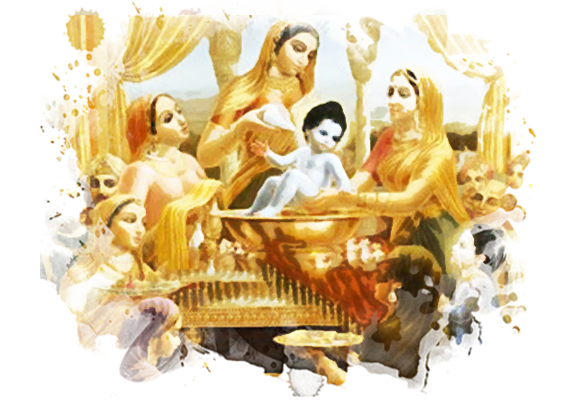
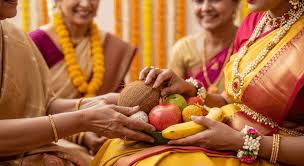
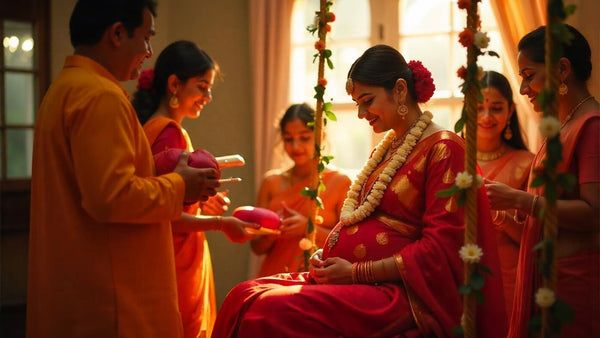
The rituals of Jatakarma Sanskar traditionally take place immediately after the child is born or within the first few days following birth. The ceremony is usually performed by the father in the presence of family members, often guided by a priest who recites sacred mantras from the Vedas.
One of the most significant aspects of the ritual involves the father gently whispering sacred mantras into the newborn’s ear. These mantras are prayers for intelligence, strength, long life, and spiritual awareness. The act of whispering these sacred words symbolizes the transmission of knowledge and wisdom from the parent to the child. It reflects the belief that the first sounds a child hears should be pure and spiritually uplifting.
Another traditional element of the ceremony involves touching a small mixture of honey and clarified butter (ghee) to the baby’s lips while reciting Vedic prayers. This act symbolizes sweetness in speech and purity in thought. In ancient times, it was believed that this ritual would encourage the child to develop wisdom and speak kindly throughout life.
During the ceremony, prayers are also offered to various deities seeking blessings for the newborn’s health, prosperity, and longevity. The family expresses gratitude for the safe arrival of the child and asks for divine protection throughout the child’s life journey. These prayers strengthen the spiritual connection between the family, the child, and the divine.
Platforms like Bhaktinama further enhance this journey by making spiritual practices simpler,
accessible, and more meaningful in modern life. Online booking of pandits, temple, पजू ा सामग्री
delivery all just one tap away.
Spiritual and Cultural Significance
Jatakarma Sanskar carries deep spiritual meaning within Hindu culture. It emphasizes the belief that life is sacred and that every human being has a divine purpose. By performing this ceremony at birth, families acknowledge the arrival of a new soul and seek guidance from higher spiritual forces to protect and guide the child.
The ritual also reinforces the emotional bond between parents and their newborn child. The father’s role in welcoming the baby symbolizes acceptance, responsibility, and love. In traditional Hindu families, this moment represents the beginning of a lifelong relationship built on care, guidance, and shared values.
Culturally, Jatakarma Sanskar serves as an important reminder that human life should begin with blessings and positive intentions. It highlights the importance of nurturing a child not only physically but also spiritually and emotionally. The ceremony reflects the broader philosophy of Hinduism, which teaches that spiritual awareness should guide every stage of life.
With Bhaktinama’s modern services like online temple booking, pandit booking, and पजू ा सामग्री
delivery, your spiritual practices become effortless and deeply fulfilling. Stay connected with
Bhaktinama to experience devotion in the most convenient and authentic way.
Jatakarma Sanskar in Modern Times
Although modern lifestyles have changed many traditional practices, the essence of Jatakarma Sanskar continues to be preserved in Hindu families around the world. Today, the ceremony may be performed in hospitals, homes, or temples, often in a simplified form that adapts to contemporary circumstances.
Many families still recite prayers or conduct a small puja to seek blessings for the newborn child. Some parents may not follow every traditional ritual exactly as described in ancient texts, but the underlying purpose remains the same: welcoming the child with love, gratitude, and spiritual blessings.
In modern society, Jatakarma Sanskar also symbolizes the importance of family values and cultural heritage. By continuing this tradition, families maintain a connection with their ancestral practices and pass these values to the next generation.
Book experienced pandits online for all Hindu puja rituals with Bhaktinama – simple, reliable, and authentic.
In Hindu philosophy, human life is considered a sacred journey guided by spiritual values and cultural traditions. Ancient Hindu texts describe a system of life-cycle rituals known as the Shodasha Samskaras, which are sixteen ceremonies meant to purify and guide an individual from birth to death. These rituals help shape a person’s moral, spiritual, and social identity.
Among these sacred rites, the Jatakarma Sanskar holds a special place because it marks the beginning of life itself. Performed immediately after the birth of a child, Jatakarma Sanskar symbolizes the welcoming of a newborn into the family and the world with blessings, prayers, and spiritual protection. It reflects the belief that every child is born with divine potential and should begin life surrounded by positive thoughts, sacred words, and loving intentions.
This ritual is deeply rooted in ancient Hindu scriptures such as the Rigveda and the Grihya Sutras, where it is described as a sacred act that connects the newborn child with spiritual knowledge, family traditions, and divine blessings from the very first moments of life.
At Bhaktinama, we not only share spiritual knowledge but also make your devotional journey
easier through modern, accessible services like online pandit booking, online temple booking,
ordering puja samagri online
Meaning and Concept of Jatakarma Sanskar
The term Jatakarma comes from two Sanskrit words: “Jata,” which means birth, and “Karma,” which refers to action or ritual. Together, Jatakarma literally means “the ritual performed at the time of birth.” In Hindu culture, this ceremony is not merely a symbolic act but a meaningful spiritual practice intended to welcome the newborn soul into the physical world.
At Bhaktinama, these rituals are made easy with our online booking services, which include
pandit booking, temple booking, ordering ingredients, and guidance for performing any ritual all
at your fingertips.
According to Hindu philosophy, birth is not seen as the beginning of existence but as the continuation of a soul’s eternal journey. The newborn child is believed to carry impressions from past lives, and the rituals performed at birth help purify the child and guide them toward a righteous and meaningful life. Jatakarma Sanskar therefore represents a bridge between the spiritual world and human life, acknowledging the arrival of a soul that has taken human form.
The ritual also reflects the importance that Hindu culture places on the role of parents and family in shaping a child’s future. By performing sacred rites at the time of birth, parents express their hopes that the child will grow with wisdom, health, good character, and devotion.
Bhaktinama Services: Making Your Vrat Easy and Divine
In today’s fast-paced life, maintaining traditional rituals can be challenging. Bhaktinama bridges
this gap by combining devotion with convenience, ensuring that your Kamada Ekadashi
observance becomes smooth and stress-free.
● Online Temple Booking: Devotees can book darshan or special पजू ा at renowned
temples from the comfort of their home, ensuring participation even when travel is not
possible.
● Online Pandit Booking: Arrange experienced and verified pandits for Ekadashi पजू ा,
vrat katha, and rituals at your home with ease and authenticity.
● Puja Samagri (Ingredients) Ordering: Get all essential पजू ा items—like incense, diya,
fruits, and sacred सामग्री—delivered to your doorstep without hassle.
● Personalized Ritual Guidance: Step-by-step assistance and guidance help even
beginners perform Kamada Ekadashi vrat correctly.
With Bhaktinama, devotion is no longer limited by time, distance, or availability—it becomes
accessible to everyone.
Rituals and Practices of Jatakarma Sanskar
The rituals of Jatakarma Sanskar traditionally take place immediately after the child is born or within the first few days following birth. The ceremony is usually performed by the father in the presence of family members, often guided by a priest who recites sacred mantras from the Vedas.
One of the most significant aspects of the ritual involves the father gently whispering sacred mantras into the newborn’s ear. These mantras are prayers for intelligence, strength, long life, and spiritual awareness. The act of whispering these sacred words symbolizes the transmission of knowledge and wisdom from the parent to the child. It reflects the belief that the first sounds a child hears should be pure and spiritually uplifting.
Another traditional element of the ceremony involves touching a small mixture of honey and clarified butter (ghee) to the baby’s lips while reciting Vedic prayers. This act symbolizes sweetness in speech and purity in thought. In ancient times, it was believed that this ritual would encourage the child to develop wisdom and speak kindly throughout life.
During the ceremony, prayers are also offered to various deities seeking blessings for the newborn’s health, prosperity, and longevity. The family expresses gratitude for the safe arrival of the child and asks for divine protection throughout the child’s life journey. These prayers strengthen the spiritual connection between the family, the child, and the divine.
Platforms like Bhaktinama further enhance this journey by making spiritual practices simpler,
accessible, and more meaningful in modern life. Online booking of pandits, temple, पजू ा सामग्री
delivery all just one tap away.
Spiritual and Cultural Significance
Jatakarma Sanskar carries deep spiritual meaning within Hindu culture. It emphasizes the belief that life is sacred and that every human being has a divine purpose. By performing this ceremony at birth, families acknowledge the arrival of a new soul and seek guidance from higher spiritual forces to protect and guide the child.
The ritual also reinforces the emotional bond between parents and their newborn child. The father’s role in welcoming the baby symbolizes acceptance, responsibility, and love. In traditional Hindu families, this moment represents the beginning of a lifelong relationship built on care, guidance, and shared values.
Culturally, Jatakarma Sanskar serves as an important reminder that human life should begin with blessings and positive intentions. It highlights the importance of nurturing a child not only physically but also spiritually and emotionally. The ceremony reflects the broader philosophy of Hinduism, which teaches that spiritual awareness should guide every stage of life.
With Bhaktinama’s modern services like online temple booking, pandit booking, and पजू ा सामग्री
delivery, your spiritual practices become effortless and deeply fulfilling. Stay connected with
Bhaktinama to experience devotion in the most convenient and authentic way.
Jatakarma Sanskar in Modern Times
Although modern lifestyles have changed many traditional practices, the essence of Jatakarma Sanskar continues to be preserved in Hindu families around the world. Today, the ceremony may be performed in hospitals, homes, or temples, often in a simplified form that adapts to contemporary circumstances.
Many families still recite prayers or conduct a small puja to seek blessings for the newborn child. Some parents may not follow every traditional ritual exactly as described in ancient texts, but the underlying purpose remains the same: welcoming the child with love, gratitude, and spiritual blessings.
In modern society, Jatakarma Sanskar also symbolizes the importance of family values and cultural heritage. By continuing this tradition, families maintain a connection with their ancestral practices and pass these values to the next generation.
Book experienced pandits online for all Hindu puja rituals with Bhaktinama – simple, reliable, and authentic.