April 17, 2026
Spirituality
5 min read
Upanayana Sanskar: Meaning, Rituals, Spiritual Significance and Importance in Hindu Tradition
Upanayana Sanskar is one of the most important Hindu rites of passage that marks the beginning of a child's spiritual education and initiation into Vedic learning. Learn its meaning, rituals, history, and significance.
Upanayana Sanskar: The Sacred Thread Ceremony in Hindu Tradition
Upanayana Sanskar is one of the most sacred and meaningful rites in the Hindu tradition. It is considered the ceremony that marks the formal beginning of a child’s spiritual education and entry into a disciplined life of learning. In ancient Hindu culture, this ritual symbolized the transition of a child into a student who would begin studying the Vedas and understanding the deeper values of life.
The word “Upanayana” is derived from two Sanskrit words: Upa meaning “near” and Nayana meaning “to lead”. Together they mean “leading the child towards the teacher or knowledge.” This ritual signifies that the child is brought closer to wisdom, discipline, and spiritual understanding.
Traditionally, Upanayana Sanskar was performed for boys belonging to the Brahmin, Kshatriya, and Vaishya communities, though today the ceremony is practiced in many different ways across Hindu society. The ritual is often referred to as the Sacred Thread Ceremony because during the ceremony the child receives the sacred thread known as Yajnopavita.
Historical Background of Upanayana Sanskar
The origins of Upanayana Sanskar can be traced back to the Vedic period when education was primarily conducted in Gurukuls. In those times, children would leave their homes to live with their guru and dedicate themselves to the study of the Vedas, scriptures, philosophy, and ethics.
Upanayana marked the moment when a child formally entered the stage of Brahmacharya Ashrama, the first stage of life according to the traditional Hindu system. This stage focused on learning, discipline, and character building. The ceremony was not merely symbolic; it represented a deep commitment to knowledge, humility, and self-control.
At Bhaktinama, we not only share spiritual knowledge but also make your devotional journey
easier through modern, accessible services like online pandit booking, online temple booking,
ordering puja samagri online.
The Sacred Thread (Yajnopavita)
One of the most important elements of the Upanayana ceremony is the sacred thread, called Yajnopavita or Janeu. This thread is worn across the left shoulder and under the right arm.
The sacred thread usually consists of three strands that symbolize several important principles. These strands are often interpreted as representing purity of thought, word, and action. Some traditions also see them as representing the three debts every individual is born with: the debt to the gods, the sages, and the ancestors.
At Bhaktinama, these rituals are made easy with our online booking services, which include
pandit booking, temple booking, ordering ingredients, and guidance for performing any ritual all
at your fingertips.
Wearing the sacred thread reminds the individual of their duties, moral responsibilities, and spiritual commitments throughout life.
Rituals Performed During Upanayana
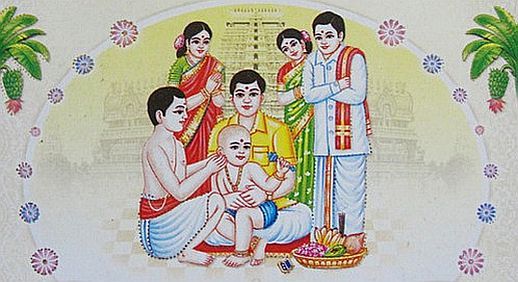
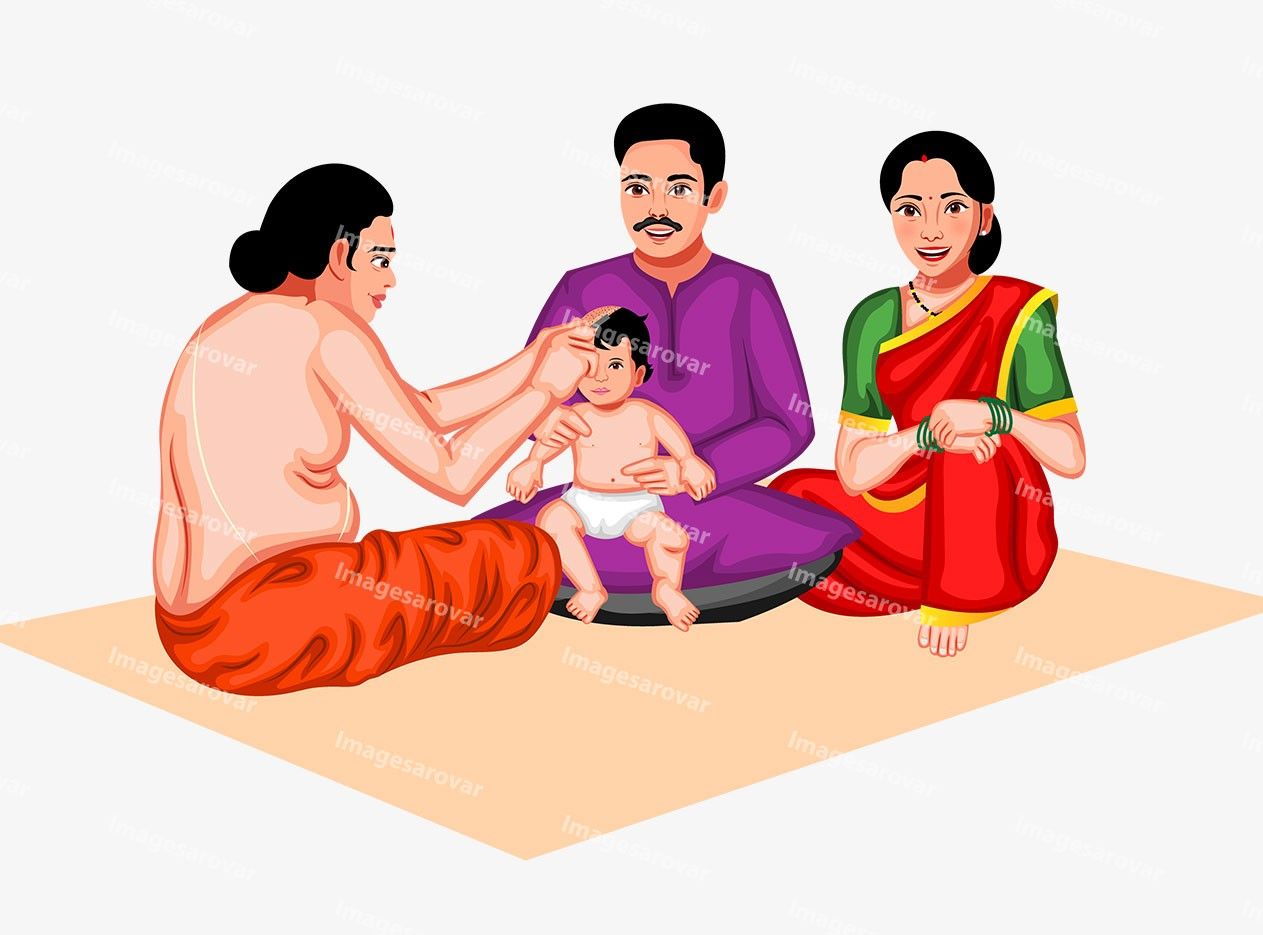
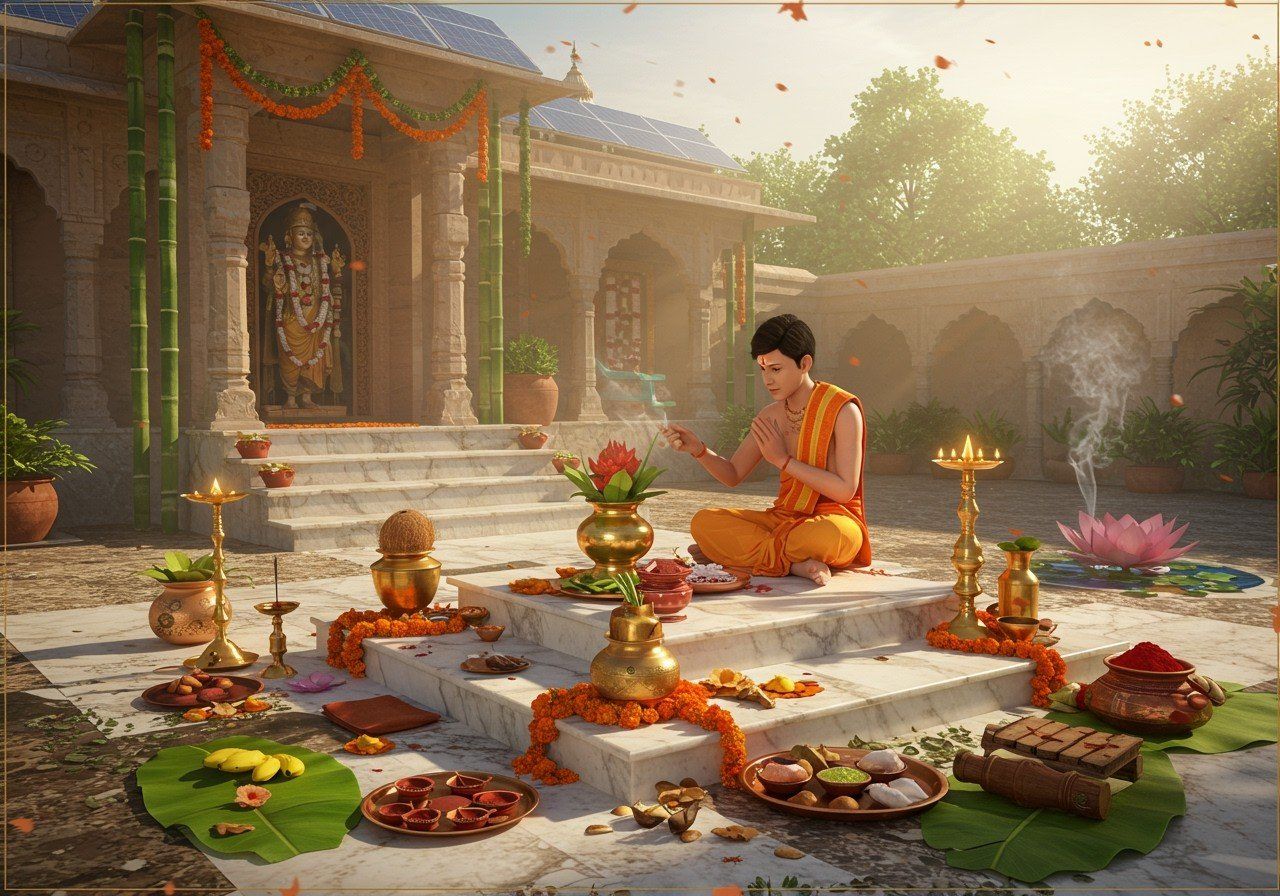
The Upanayana ceremony involves several sacred rituals performed by priests and family members. The process begins with purification rituals and prayers seeking blessings from the gods and ancestors.
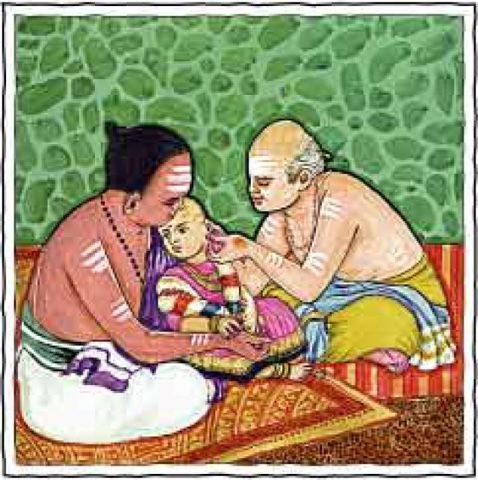
During the ceremony, the guru or father places the sacred thread on the child and teaches the Gayatri Mantra, one of the most powerful and revered mantras in Hinduism. Learning and chanting the Gayatri Mantra becomes an essential daily practice for the initiate.
The child also takes vows of discipline, truthfulness, and dedication to learning. In ancient times, the initiate would then begin life in a gurukul under the guidance of a teacher. Although modern lifestyles have changed this tradition, the spiritual significance of the ritual remains strong.
Bhaktinama Services: Making Your Vrat Easy and Divine
In today’s fast-paced life, maintaining traditional rituals can be challenging. Bhaktinama bridges
this gap by combining devotion with convenience, ensuring that your Kamada Ekadashi
observance becomes smooth and stress-free.
● Online Temple Booking: Devotees can book darshan or special पजू ा at renowned
temples from the comfort of their home, ensuring participation even when travel is not
possible.
● Online Pandit Booking: Arrange experienced and verified pandits for Ekadashi पजू ा,
vrat katha, and rituals at your home with ease and authenticity.
● Puja Samagri (Ingredients) Ordering: Get all essential पजू ा items—like incense, diya,
fruits, and sacred सामग्री—delivered to your doorstep without hassle.
● Personalized Ritual Guidance: Step-by-step assistance and guidance help even
beginners perform Kamada Ekadashi vrat correctly.
With Bhaktinama, devotion is no longer limited by time, distance, or availability—it becomes
accessible to everyone.
Spiritual Significance of Upanayana
Upanayana Sanskar is often described as a second birth. The first birth is physical, given by the parents, while the second birth is spiritual, given by knowledge and wisdom. Because of this, individuals who undergo the ceremony are sometimes referred to as Dvija, meaning “twice-born.”
The ceremony teaches the values of self-control, humility, discipline, and respect for knowledge. It encourages the initiate to lead a life guided by dharma and spiritual awareness.
Platforms like Bhaktinama further enhance this journey by making spiritual practices simpler,
accessible, and more meaningful in modern life. Online booking of pandits, temple, पजू ा सामग्री
delivery all just one tap away.
Upanayana in Modern Times
Today, Upanayana Sanskar continues to be celebrated in many Hindu families across India and around the world. While the traditional gurukul system may no longer be common, the ceremony still symbolizes the beginning of a child’s moral and spiritual development.
Many families perform this ritual as a way of connecting their children with cultural heritage, spiritual teachings, and the timeless values preserved in Hindu scriptures.
Platforms like Bhaktinama further enhance this journey by making spiritual practices simpler,
accessible, and more meaningful in modern life. Online booking of pandits, temple, पजू ा सामग्री
delivery all just one tap away.
Book experienced pandits online for all Hindu puja rituals with Bhaktinama – simple, reliable, and authentic.
Upanayana Sanskar is one of the most sacred and meaningful rites in the Hindu tradition. It is considered the ceremony that marks the formal beginning of a child’s spiritual education and entry into a disciplined life of learning. In ancient Hindu culture, this ritual symbolized the transition of a child into a student who would begin studying the Vedas and understanding the deeper values of life.
The word “Upanayana” is derived from two Sanskrit words: Upa meaning “near” and Nayana meaning “to lead”. Together they mean “leading the child towards the teacher or knowledge.” This ritual signifies that the child is brought closer to wisdom, discipline, and spiritual understanding.
Traditionally, Upanayana Sanskar was performed for boys belonging to the Brahmin, Kshatriya, and Vaishya communities, though today the ceremony is practiced in many different ways across Hindu society. The ritual is often referred to as the Sacred Thread Ceremony because during the ceremony the child receives the sacred thread known as Yajnopavita.
Historical Background of Upanayana Sanskar
The origins of Upanayana Sanskar can be traced back to the Vedic period when education was primarily conducted in Gurukuls. In those times, children would leave their homes to live with their guru and dedicate themselves to the study of the Vedas, scriptures, philosophy, and ethics.
Upanayana marked the moment when a child formally entered the stage of Brahmacharya Ashrama, the first stage of life according to the traditional Hindu system. This stage focused on learning, discipline, and character building. The ceremony was not merely symbolic; it represented a deep commitment to knowledge, humility, and self-control.
At Bhaktinama, we not only share spiritual knowledge but also make your devotional journey
easier through modern, accessible services like online pandit booking, online temple booking,
ordering puja samagri online.
The Sacred Thread (Yajnopavita)
One of the most important elements of the Upanayana ceremony is the sacred thread, called Yajnopavita or Janeu. This thread is worn across the left shoulder and under the right arm.
The sacred thread usually consists of three strands that symbolize several important principles. These strands are often interpreted as representing purity of thought, word, and action. Some traditions also see them as representing the three debts every individual is born with: the debt to the gods, the sages, and the ancestors.
At Bhaktinama, these rituals are made easy with our online booking services, which include
pandit booking, temple booking, ordering ingredients, and guidance for performing any ritual all
at your fingertips.
Wearing the sacred thread reminds the individual of their duties, moral responsibilities, and spiritual commitments throughout life.
Rituals Performed During Upanayana
The Upanayana ceremony involves several sacred rituals performed by priests and family members. The process begins with purification rituals and prayers seeking blessings from the gods and ancestors.
During the ceremony, the guru or father places the sacred thread on the child and teaches the Gayatri Mantra, one of the most powerful and revered mantras in Hinduism. Learning and chanting the Gayatri Mantra becomes an essential daily practice for the initiate.
The child also takes vows of discipline, truthfulness, and dedication to learning. In ancient times, the initiate would then begin life in a gurukul under the guidance of a teacher. Although modern lifestyles have changed this tradition, the spiritual significance of the ritual remains strong.
Bhaktinama Services: Making Your Vrat Easy and Divine
In today’s fast-paced life, maintaining traditional rituals can be challenging. Bhaktinama bridges
this gap by combining devotion with convenience, ensuring that your Kamada Ekadashi
observance becomes smooth and stress-free.
● Online Temple Booking: Devotees can book darshan or special पजू ा at renowned
temples from the comfort of their home, ensuring participation even when travel is not
possible.
● Online Pandit Booking: Arrange experienced and verified pandits for Ekadashi पजू ा,
vrat katha, and rituals at your home with ease and authenticity.
● Puja Samagri (Ingredients) Ordering: Get all essential पजू ा items—like incense, diya,
fruits, and sacred सामग्री—delivered to your doorstep without hassle.
● Personalized Ritual Guidance: Step-by-step assistance and guidance help even
beginners perform Kamada Ekadashi vrat correctly.
With Bhaktinama, devotion is no longer limited by time, distance, or availability—it becomes
accessible to everyone.
Spiritual Significance of Upanayana
Upanayana Sanskar is often described as a second birth. The first birth is physical, given by the parents, while the second birth is spiritual, given by knowledge and wisdom. Because of this, individuals who undergo the ceremony are sometimes referred to as Dvija, meaning “twice-born.”
The ceremony teaches the values of self-control, humility, discipline, and respect for knowledge. It encourages the initiate to lead a life guided by dharma and spiritual awareness.
Platforms like Bhaktinama further enhance this journey by making spiritual practices simpler,
accessible, and more meaningful in modern life. Online booking of pandits, temple, पजू ा सामग्री
delivery all just one tap away.
Upanayana in Modern Times
Today, Upanayana Sanskar continues to be celebrated in many Hindu families across India and around the world. While the traditional gurukul system may no longer be common, the ceremony still symbolizes the beginning of a child’s moral and spiritual development.
Many families perform this ritual as a way of connecting their children with cultural heritage, spiritual teachings, and the timeless values preserved in Hindu scriptures.
Platforms like Bhaktinama further enhance this journey by making spiritual practices simpler,
accessible, and more meaningful in modern life. Online booking of pandits, temple, पजू ा सामग्री
delivery all just one tap away.
Book experienced pandits online for all Hindu puja rituals with Bhaktinama – simple, reliable, and authentic.