April 15, 2026
Spirituality
7 min read
Chudakarana / Mundan Sanskar: Meaning, Rituals, Importance and Spiritual Significance in Hinduism
Learn about Chudakarana or Mundan Sanskar in Hindu tradition, its meaning, rituals, history, and spiritual significance as one of the sixteen sacred Hindu sanskars.
Introduction
Chudakarana Sanskar, commonly known as Mundan Sanskar, is one of the most significant rituals performed in Hindu culture during early childhood. It is counted among the sacred rites known as the Shodasha Samskara, which guide an individual’s journey from birth to death through spiritual discipline and cultural values. These sixteen sanskars are believed to purify and prepare a person for different stages of life.
At Bhaktinama, we not only share spiritual knowledge but also make your devotional journey
easier through modern, accessible services like online pandit booking, online temple booking,
ordering puja samagri online.
Mundan Sanskar represents the first shaving of a child’s hair, and it symbolizes purification, renewal, and the beginning of intellectual and spiritual development. Hindu scriptures emphasize that this ritual is not merely a cultural celebration but a deeply meaningful spiritual practice that connects the child with divine blessings and ancestral traditions. For centuries, families across India have performed Chudakarana Sanskar with devotion, believing it contributes to the physical, mental, and spiritual well-being of the child.
At Bhaktinama, these rituals are made easy with our online booking services, which include
pandit booking, temple booking, ordering ingredients, and guidance for performing any ritual all
at your fingertips.
Meaning of Chudakarana or Mundan Sanskar
The word Chudakarana is derived from the Sanskrit words Chuda, meaning a tuft of hair, and Karana, meaning an act or process. In simple terms, it refers to the ceremonial shaving of a child’s hair for the first time. After the shaving, in some traditions, a small tuft of hair called the Shikha is left at the crown of the head. This tuft is considered spiritually significant and is believed to represent wisdom and connection to higher consciousness.
In Hindu philosophy, the hair present at birth is thought to carry impurities from the time spent in the mother’s womb. By shaving the hair during Mundan Sanskar, these impurities are symbolically removed, allowing the child to begin life with purity and positive energy. The ritual therefore represents both physical cleansing and spiritual renewal.
Bhaktinama Services: Making Your Vrat Easy and Divine
In today’s fast-paced life, maintaining traditional rituals can be challenging. Bhaktinama bridges
this gap by combining devotion with convenience, ensuring that your Kamada Ekadashi
observance becomes smooth and stress-free.
● Online Temple Booking: Devotees can book darshan or special पजू ा at renowned
temples from the comfort of their home, ensuring participation even when travel is not
possible.
● Online Pandit Booking: Arrange experienced and verified pandits for Ekadashi पजू ा,
vrat katha, and rituals at your home with ease and authenticity.
● Puja Samagri (Ingredients) Ordering: Get all essential पजू ा items—like incense, diya,
fruits, and sacred सामग्री—delivered to your doorstep without hassle.
● Personalized Ritual Guidance: Step-by-step assistance and guidance help even
beginners perform Kamada Ekadashi vrat correctly.
With Bhaktinama, devotion is no longer limited by time, distance, or availability—it becomes
accessible to everyone.
Parents perform this ceremony with the belief that it helps the child grow with clarity of mind, strong intellect, and protection from negative influences. Because of this spiritual meaning, Chudakarana Sanskar continues to hold a respected place in Hindu traditions even in modern times.
Scriptural and Historical Background
The importance of Chudakarana Sanskar is mentioned in several ancient Hindu texts. Ritual manuals such as the Grihya Sutras describe in detail how life-cycle ceremonies should be performed within a household. These texts explain that performing sanskars at the appropriate stages of life purifies the individual and prepares them for spiritual growth.
Another ancient text, the Manusmriti, also discusses the significance of these rituals in shaping moral and disciplined individuals. According to traditional belief, Mundan Sanskar not only removes physical impurities but also helps cleanse karmic influences carried from previous births.
For this reason, Hindu families traditionally perform this ritual with great reverence and devotion. The ceremony is accompanied by sacred mantras, prayers, and blessings from elders, reinforcing the belief that divine protection will guide the child throughout life.
When Chudakarana Sanskar is Performed
In most Hindu traditions, Mundan Sanskar is performed during the first, third, or sometimes the fifth year of a child’s life. The exact timing often depends on family customs and astrological guidance. A priest usually studies the child’s horoscope and chooses an auspicious date to perform the ritual so that the ceremony takes place under favorable planetary influences.
Many families also prefer to conduct the ceremony at sacred religious locations. Pilgrimage sites and temples are considered especially auspicious because they are believed to be filled with divine energy. Temples such as Tirupati Balaji Temple and Kashi Vishwanath Temple are among the popular destinations where thousands of devotees perform Mundan rituals for their children every year. Some families also choose to perform the ritual near the sacred waters of the Ganges, believing that the holy river purifies the child and brings divine blessings.
Performing Mundan Sanskar in such spiritually powerful environments is believed to enhance the positive effects of the ceremony and bring prosperity, health, and wisdom to the child.
Platforms like Bhaktinama further enhance this journey by making spiritual practices simpler,
accessible, and more meaningful in modern life. Online booking of pandits, temple, पजू ा सामग्री
delivery all just one tap away.
Rituals and Procedure of Mundan Sanskar
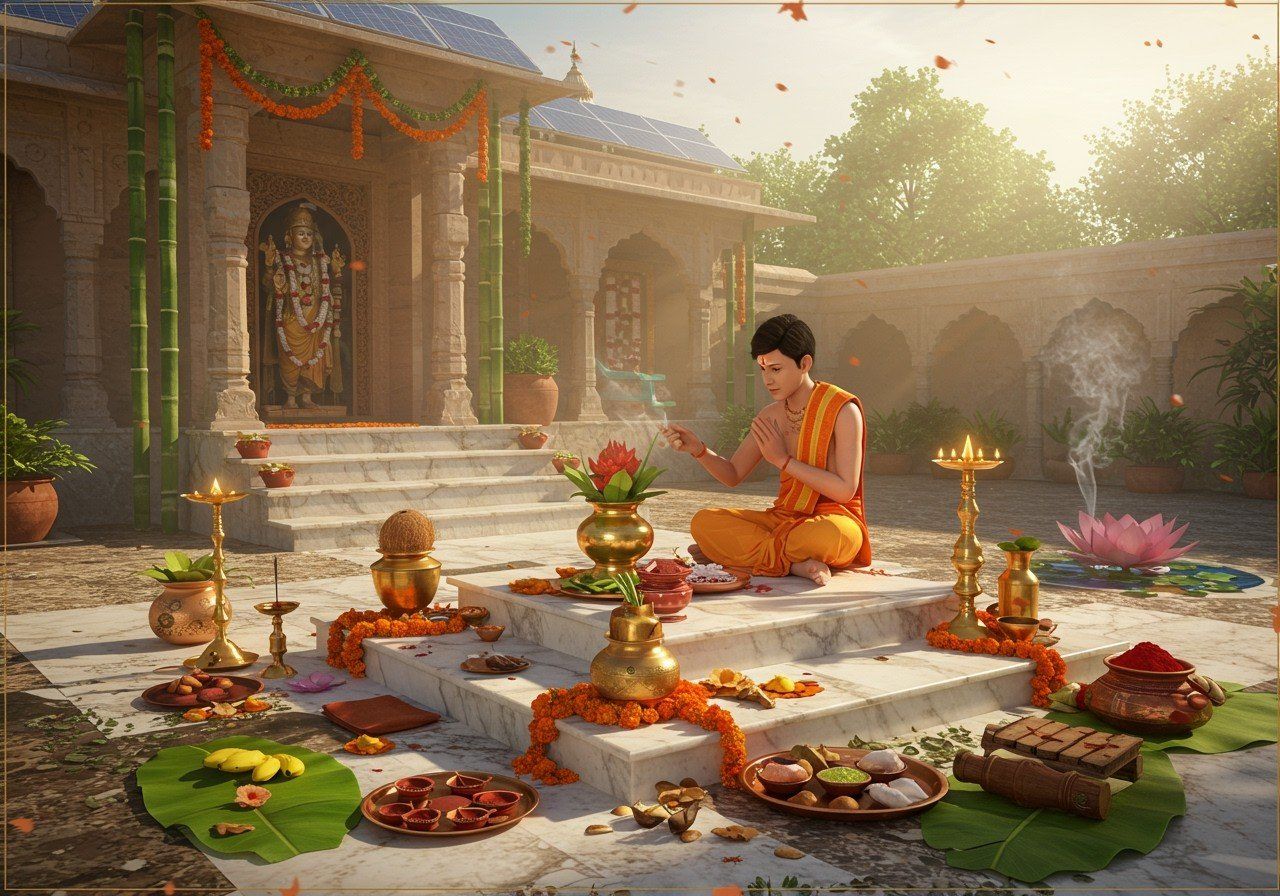
The ceremony of Chudakarana Sanskar begins with prayers and purification rituals. The priest first performs a sacred invocation seeking the blessings of Ganesha so that the ritual can be completed without obstacles. This prayer symbolizes the beginning of any auspicious event in Hindu tradition.
After the initial prayers, the parents take a sacred vow known as Sankalpa. During this moment, they express their intention to perform the ritual for the well-being, health, and spiritual development of their child. The chanting of Vedic mantras fills the atmosphere with positive vibrations and spiritual energy.
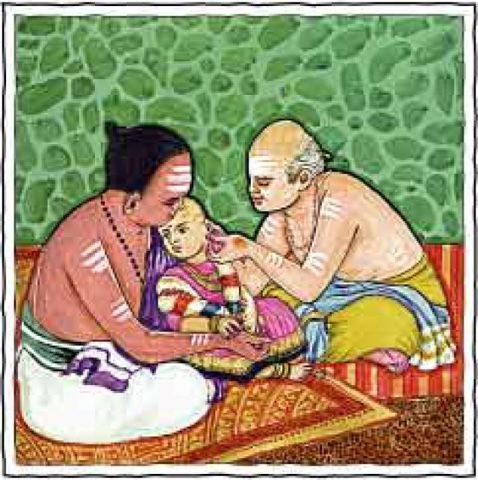
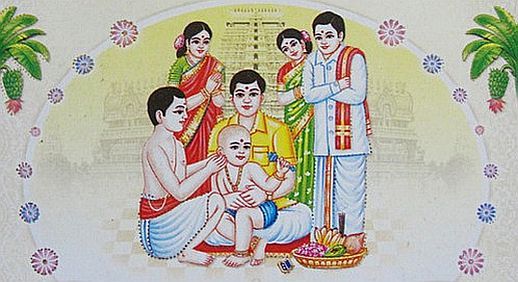
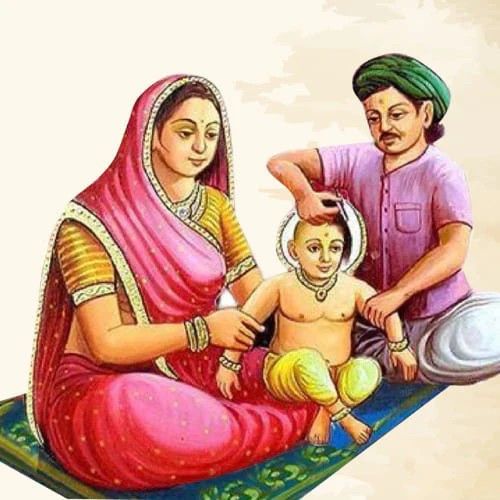
The main part of the ceremony involves the shaving of the child’s head by a barber or priest. This act is carried out carefully and respectfully while sacred hymns are recited. In many traditions, the removed hair is later offered to a sacred river or temple as a symbolic offering to the divine.
Once the shaving is completed, the child is bathed with clean or holy water to purify the body. The ritual concludes with blessings from elders and relatives, who pray for the child’s healthy growth, intelligence, and prosperous future. Families often celebrate the occasion with a traditional meal and gathering, turning the ritual into a joyful cultural event.
With Bhaktinama’s modern services like online temple booking, pandit booking, and पजू ा सामग्री
delivery, your spiritual practices become effortless and deeply fulfilling. Stay connected with
Bhaktinama to experience devotion in the most convenient and authentic way
Spiritual and Health Significance
Hindu philosophy associates Mundan Sanskar with both spiritual and practical benefits. Spiritually, the ceremony symbolizes the removal of negative influences and the beginning of a pure and enlightened life journey. It represents the idea that a child should grow free from past impurities and be guided by wisdom and positive energy.
From a practical perspective, traditional belief also connects Mundan Sanskar with improved hair growth and scalp health. Shaving the hair is thought to strengthen hair roots and encourage healthy hair development as the child grows older.
Beyond these beliefs, the ritual also holds emotional significance for families. It represents the community’s collective blessings and hopes for the child’s future. Through rituals like Chudakarana Sanskar, cultural values, spiritual teachings, and family traditions are passed down from one generation to the next.
Book experienced pandits online for all Hindu puja rituals with Bhaktinama – simple, reliable, and authentic.
Chudakarana Sanskar, commonly known as Mundan Sanskar, is one of the most significant rituals performed in Hindu culture during early childhood. It is counted among the sacred rites known as the Shodasha Samskara, which guide an individual’s journey from birth to death through spiritual discipline and cultural values. These sixteen sanskars are believed to purify and prepare a person for different stages of life.
At Bhaktinama, we not only share spiritual knowledge but also make your devotional journey
easier through modern, accessible services like online pandit booking, online temple booking,
ordering puja samagri online.
Mundan Sanskar represents the first shaving of a child’s hair, and it symbolizes purification, renewal, and the beginning of intellectual and spiritual development. Hindu scriptures emphasize that this ritual is not merely a cultural celebration but a deeply meaningful spiritual practice that connects the child with divine blessings and ancestral traditions. For centuries, families across India have performed Chudakarana Sanskar with devotion, believing it contributes to the physical, mental, and spiritual well-being of the child.
At Bhaktinama, these rituals are made easy with our online booking services, which include
pandit booking, temple booking, ordering ingredients, and guidance for performing any ritual all
at your fingertips.
Meaning of Chudakarana or Mundan Sanskar
The word Chudakarana is derived from the Sanskrit words Chuda, meaning a tuft of hair, and Karana, meaning an act or process. In simple terms, it refers to the ceremonial shaving of a child’s hair for the first time. After the shaving, in some traditions, a small tuft of hair called the Shikha is left at the crown of the head. This tuft is considered spiritually significant and is believed to represent wisdom and connection to higher consciousness.
In Hindu philosophy, the hair present at birth is thought to carry impurities from the time spent in the mother’s womb. By shaving the hair during Mundan Sanskar, these impurities are symbolically removed, allowing the child to begin life with purity and positive energy. The ritual therefore represents both physical cleansing and spiritual renewal.
Bhaktinama Services: Making Your Vrat Easy and Divine
In today’s fast-paced life, maintaining traditional rituals can be challenging. Bhaktinama bridges
this gap by combining devotion with convenience, ensuring that your Kamada Ekadashi
observance becomes smooth and stress-free.
● Online Temple Booking: Devotees can book darshan or special पजू ा at renowned
temples from the comfort of their home, ensuring participation even when travel is not
possible.
● Online Pandit Booking: Arrange experienced and verified pandits for Ekadashi पजू ा,
vrat katha, and rituals at your home with ease and authenticity.
● Puja Samagri (Ingredients) Ordering: Get all essential पजू ा items—like incense, diya,
fruits, and sacred सामग्री—delivered to your doorstep without hassle.
● Personalized Ritual Guidance: Step-by-step assistance and guidance help even
beginners perform Kamada Ekadashi vrat correctly.
With Bhaktinama, devotion is no longer limited by time, distance, or availability—it becomes
accessible to everyone.
Parents perform this ceremony with the belief that it helps the child grow with clarity of mind, strong intellect, and protection from negative influences. Because of this spiritual meaning, Chudakarana Sanskar continues to hold a respected place in Hindu traditions even in modern times.
Scriptural and Historical Background
The importance of Chudakarana Sanskar is mentioned in several ancient Hindu texts. Ritual manuals such as the Grihya Sutras describe in detail how life-cycle ceremonies should be performed within a household. These texts explain that performing sanskars at the appropriate stages of life purifies the individual and prepares them for spiritual growth.
Another ancient text, the Manusmriti, also discusses the significance of these rituals in shaping moral and disciplined individuals. According to traditional belief, Mundan Sanskar not only removes physical impurities but also helps cleanse karmic influences carried from previous births.
For this reason, Hindu families traditionally perform this ritual with great reverence and devotion. The ceremony is accompanied by sacred mantras, prayers, and blessings from elders, reinforcing the belief that divine protection will guide the child throughout life.
When Chudakarana Sanskar is Performed
In most Hindu traditions, Mundan Sanskar is performed during the first, third, or sometimes the fifth year of a child’s life. The exact timing often depends on family customs and astrological guidance. A priest usually studies the child’s horoscope and chooses an auspicious date to perform the ritual so that the ceremony takes place under favorable planetary influences.
Many families also prefer to conduct the ceremony at sacred religious locations. Pilgrimage sites and temples are considered especially auspicious because they are believed to be filled with divine energy. Temples such as Tirupati Balaji Temple and Kashi Vishwanath Temple are among the popular destinations where thousands of devotees perform Mundan rituals for their children every year. Some families also choose to perform the ritual near the sacred waters of the Ganges, believing that the holy river purifies the child and brings divine blessings.
Performing Mundan Sanskar in such spiritually powerful environments is believed to enhance the positive effects of the ceremony and bring prosperity, health, and wisdom to the child.
Platforms like Bhaktinama further enhance this journey by making spiritual practices simpler,
accessible, and more meaningful in modern life. Online booking of pandits, temple, पजू ा सामग्री
delivery all just one tap away.
Rituals and Procedure of Mundan Sanskar
The ceremony of Chudakarana Sanskar begins with prayers and purification rituals. The priest first performs a sacred invocation seeking the blessings of Ganesha so that the ritual can be completed without obstacles. This prayer symbolizes the beginning of any auspicious event in Hindu tradition.
After the initial prayers, the parents take a sacred vow known as Sankalpa. During this moment, they express their intention to perform the ritual for the well-being, health, and spiritual development of their child. The chanting of Vedic mantras fills the atmosphere with positive vibrations and spiritual energy.
The main part of the ceremony involves the shaving of the child’s head by a barber or priest. This act is carried out carefully and respectfully while sacred hymns are recited. In many traditions, the removed hair is later offered to a sacred river or temple as a symbolic offering to the divine.
Once the shaving is completed, the child is bathed with clean or holy water to purify the body. The ritual concludes with blessings from elders and relatives, who pray for the child’s healthy growth, intelligence, and prosperous future. Families often celebrate the occasion with a traditional meal and gathering, turning the ritual into a joyful cultural event.
With Bhaktinama’s modern services like online temple booking, pandit booking, and पजू ा सामग्री
delivery, your spiritual practices become effortless and deeply fulfilling. Stay connected with
Bhaktinama to experience devotion in the most convenient and authentic way
Spiritual and Health Significance
Hindu philosophy associates Mundan Sanskar with both spiritual and practical benefits. Spiritually, the ceremony symbolizes the removal of negative influences and the beginning of a pure and enlightened life journey. It represents the idea that a child should grow free from past impurities and be guided by wisdom and positive energy.
From a practical perspective, traditional belief also connects Mundan Sanskar with improved hair growth and scalp health. Shaving the hair is thought to strengthen hair roots and encourage healthy hair development as the child grows older.
Beyond these beliefs, the ritual also holds emotional significance for families. It represents the community’s collective blessings and hopes for the child’s future. Through rituals like Chudakarana Sanskar, cultural values, spiritual teachings, and family traditions are passed down from one generation to the next.
Book experienced pandits online for all Hindu puja rituals with Bhaktinama – simple, reliable, and authentic.