
October 12, 2026
Festival Fast
7 min read
Second Day of Navratri 2026: Maa Brahmacharini Puja and Hawan
Learn about the second day of Navratri 2026, Maa Brahmacharini Puja, her spiritual significance, and the importance of Hawan in Sanatan Dharma.
Navratri is a sacred Hindu festival dedicated to the nine divine forms of Goddess Durga. Each day represents a different manifestation of the Divine Mother and carries a unique spiritual message. On the second day of Navratri, devotees worship Maa Brahmacharini, the embodiment of devotion, penance, patience, and spiritual discipline.
Maa Brahmacharini reminds devotees that true strength comes not only from power but also from determination, self-control, and unwavering faith. Her worship encourages people to remain committed to their goals and follow the path of righteousness even during challenging times.
Along with Maa Brahmacharini Puja, traditional rituals such as mantra chanting, fasting, and Hawan can deepen the spiritual experience of Navratri. Hawan, in particular, symbolises devotion and the offering of prayers through sacred fire.
For devotees, the second day of Navratri is an opportunity to strengthen their faith, cultivate inner peace, and continue their spiritual journey with sincerity.
When Is the Second Day of Navratri 2026?
The second day of Shardiya Navratri 2026 falls on Monday, 12 October 2026, following the first day of the festival on 11 October.
The day corresponds to Dwitiya Tithi of the Shukla Paksha in the Hindu month of Ashwin. Since Hindu dates and ritual timings depend on the lunar calendar and local Panchang, devotees should confirm the relevant puja timings for their location.
Who Is Maa Brahmacharini?
Maa Brahmacharini is the second form of Navdurga worshipped during Navratri. Her name is associated with Brahmacharya, a concept that represents spiritual discipline, self-restraint, and dedication to a higher purpose.
According to Hindu tradition, this form of Goddess Parvati represents the intense penance she performed to attain Lord Shiva as her consort. Her devotion and determination are remembered as examples of unwavering faith and perseverance.
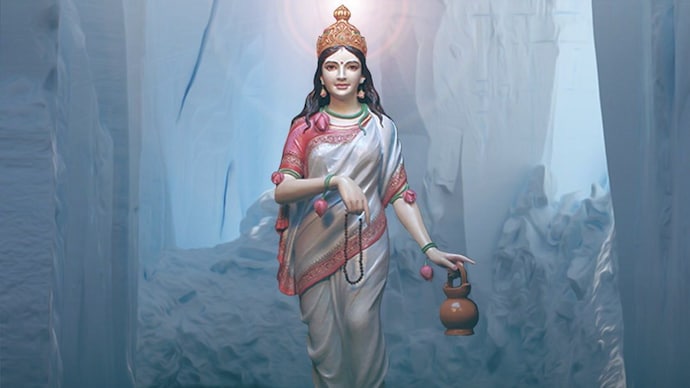
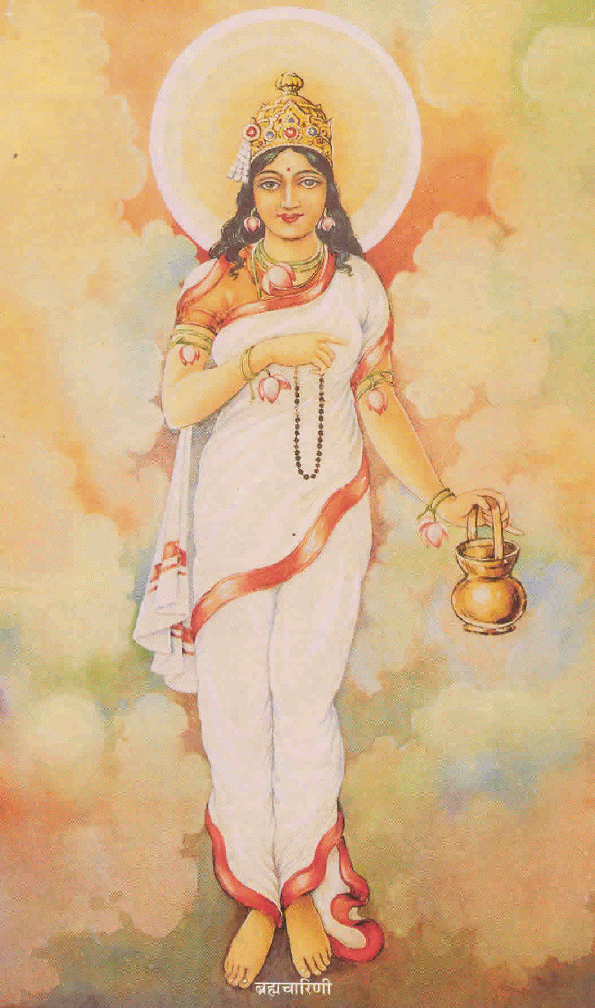
Maa Brahmacharini is generally depicted walking barefoot, holding a jap mala in one hand and a kamandalu in the other. These objects symbolise prayer, spiritual practice, simplicity, and self-discipline.
Her divine form teaches devotees that meaningful achievements often require patience and consistent effort. Whether on a spiritual path or in everyday life, determination and a calm mind can help a person overcome difficulties.
Significance of Maa Brahmacharini Puja on the Second Day of Navratri
The second day of Navratri focuses on devotion, perseverance, and the importance of controlling one's thoughts and actions.
Devotees worship Maa Brahmacharini to seek blessings for peace, wisdom, strength, and the ability to remain steadfast during difficult circumstances. The day also encourages people to reflect on their habits, intentions, and spiritual goals.
Common worship practices include offering flowers, fruits, and other traditional items to the Goddess, reciting devotional prayers, and observing a fast according to family customs.
The deeper message of Maa Brahmacharini Puja is that spiritual growth requires more than occasional devotion. It develops through sincerity, patience, discipline, and a consistent connection with one's beliefs.
Through Bhaktinama, devotees can explore traditional worship practices and access services such as Online Pandit Booking and Online Puja Booking to help arrange their religious observances.
How to Perform Maa Brahmacharini Puja
Devotees can worship Maa Brahmacharini at home according to their family traditions and established puja practices.
Prepare the worship area: Clean the puja space and arrange the Goddess's image or idol.
Offer prayers: Begin the worship with a prayer to Maa Brahmacharini and seek her blessings.
Make traditional offerings: Offer flowers, fruits, and other items according to your family's customs.
Chant the mantra: Recite the Maa Brahmacharini mantra with devotion.
Perform Aarti: Conclude the main worship with the traditional Aarti.
Maintain discipline: Spend time in prayer, reflection, or devotional reading throughout the day.
A commonly recited mantra dedicated to Maa Brahmacharini is:
ॐ देवी ब्रह्मचारिण्यै नमः॥
Om Devi Brahmacharinyai Namah.
The mantra is traditionally chanted as an expression of devotion and a prayer for spiritual strength and discipline.
Why Is Hawan Important During Navratri?
Hawan, also known as Homa or Yajna, is an ancient Vedic ritual in which offerings such as ghee and prescribed sacred materials are placed into a consecrated fire while mantras are recited.
In Vedic tradition, Agni holds a special place as the divine medium through which offerings are presented during a Yajna. Hawan is performed for different religious purposes, including expressing gratitude, seeking divine blessings, and praying for peace and well-being.
During Navratri, Hawan may be performed as part of Goddess Durga worship, depending on the ritual, family tradition, or guidance of a qualified priest. It is not compulsory to perform a separate Hawan on the second day in every tradition.
The spiritual significance of Hawan can be understood through three important ideas:
Purification: The ritual symbolises spiritual cleansing and the preparation of a sacred environment.
Devotion and surrender: Offerings made into the sacred fire express gratitude, faith, and reverence.
Focus and discipline: Mantra chanting and ritual participation encourage concentration and mindful devotion.
Hawan is therefore not simply an external ritual. For many devotees, it also represents the willingness to let go of negativity and cultivate positive intentions.
The Connection Between Maa Brahmacharini and Hawan
Maa Brahmacharini represents penance, discipline, and unwavering devotion. Hawan reflects these qualities through the careful performance of ritual, the recitation of mantras, and the offering of sacred materials.
Both practices emphasise the importance of sincerity and consistency in spiritual life.
The worship of Maa Brahmacharini encourages devotees to strengthen their inner resolve, while Hawan offers a traditional way to express their prayers and dedication. When performed according to the appropriate ritual tradition, these practices can form a meaningful part of Navratri observances.
The second day of Navratri is therefore an opportunity to move beyond the external aspects of worship and reflect on the values that the Goddess represents: patience, self-control, perseverance, and faith.
For devotees who need assistance arranging traditional rituals, Bhaktinama offers Online Pandit Booking, Online Puja Booking, and Online Puja Samagri Booking services.
Anantkaal Surya Hawan: Connecting Ancient Traditions With Spiritual Awareness
The importance of Hawan during Navratri also provides an opportunity to understand the continuing relevance of Vedic fire rituals in Sanatan Dharma.
Anantkaal Surya Hawan, an initiative by Bhaktinama and International Awareness for Sun (IAS), focuses on the spiritual and cultural significance of Surya Dev and the enduring tradition of solar worship.
Maa Brahmacharini Puja and Anantkaal Surya Hawan have distinct devotional focuses. While the second day of Navratri honours the Goddess's qualities of penance and discipline, Anantkaal Surya Hawan draws attention to Surya Dev as a symbol of light, vitality, and the sustaining power of life.
Both traditions provide opportunities to reflect on the importance of devotion, discipline, and respect for the divine forces revered in Sanatan Dharma.
Through this initiative, Bhaktinama and IAS seek to increase awareness of the Sun's spiritual and cultural importance and encourage a deeper understanding of traditional solar worship.
Devotees interested in learning more can visit Bhaktinama to explore Anantkaal Hawan Slot Booking, available dates, and further event details.
Spiritual Lessons From Maa Brahmacharini
The second day of Navratri offers several lessons that remain relevant in everyday life.
1. Patience leads to progress: Meaningful goals often require time and sustained effort.
2. Discipline strengthens the mind: Consistent habits can help us remain focused even when circumstances are difficult.
3. Faith provides inner strength: Devotion can offer comfort, direction, and a sense of purpose.
4. Simplicity encourages clarity: Reducing unnecessary distractions can help us focus on what truly matters.
5. Spirituality requires sincerity: The value of worship lies not only in the ritual itself but also in the intention and values behind it.
These lessons make Maa Brahmacharini a powerful symbol of perseverance and spiritual determination.
Conclusion
The second day of Navratri is dedicated to Maa Brahmacharini, the Goddess who represents penance, patience, devotion, and self-discipline. Her worship reminds devotees that spiritual growth is a gradual journey built on faith, determination, and consistent effort.
Hawan complements this spiritual journey by offering a traditional means of expressing gratitude, performing sacred offerings, and seeking divine blessings. Although its timing and procedure vary across traditions, its underlying message of devotion remains central to Hindu worship.
Initiatives such as Anantkaal Surya Hawan by Bhaktinama and International Awareness for Sun (IAS) also help bring attention to the continuing spiritual and cultural importance of Vedic rituals and Surya Dev worship.
This Navratri, devotees can honour Maa Brahmacharini by embracing patience and discipline, performing their traditional worship with sincerity, and learning more about the rich ritual heritage of Sanatan Dharma.
Visit Bhaktinama to explore Online Pandit Booking, Online Puja Booking, and Anantkaal Hawan Slot Booking.
Maa Brahmacharini reminds devotees that true strength comes not only from power but also from determination, self-control, and unwavering faith. Her worship encourages people to remain committed to their goals and follow the path of righteousness even during challenging times.
Along with Maa Brahmacharini Puja, traditional rituals such as mantra chanting, fasting, and Hawan can deepen the spiritual experience of Navratri. Hawan, in particular, symbolises devotion and the offering of prayers through sacred fire.
For devotees, the second day of Navratri is an opportunity to strengthen their faith, cultivate inner peace, and continue their spiritual journey with sincerity.
When Is the Second Day of Navratri 2026?
The second day of Shardiya Navratri 2026 falls on Monday, 12 October 2026, following the first day of the festival on 11 October.
The day corresponds to Dwitiya Tithi of the Shukla Paksha in the Hindu month of Ashwin. Since Hindu dates and ritual timings depend on the lunar calendar and local Panchang, devotees should confirm the relevant puja timings for their location.
Who Is Maa Brahmacharini?
Maa Brahmacharini is the second form of Navdurga worshipped during Navratri. Her name is associated with Brahmacharya, a concept that represents spiritual discipline, self-restraint, and dedication to a higher purpose.
According to Hindu tradition, this form of Goddess Parvati represents the intense penance she performed to attain Lord Shiva as her consort. Her devotion and determination are remembered as examples of unwavering faith and perseverance.
Maa Brahmacharini is generally depicted walking barefoot, holding a jap mala in one hand and a kamandalu in the other. These objects symbolise prayer, spiritual practice, simplicity, and self-discipline.
Her divine form teaches devotees that meaningful achievements often require patience and consistent effort. Whether on a spiritual path or in everyday life, determination and a calm mind can help a person overcome difficulties.
Significance of Maa Brahmacharini Puja on the Second Day of Navratri
The second day of Navratri focuses on devotion, perseverance, and the importance of controlling one's thoughts and actions.
Devotees worship Maa Brahmacharini to seek blessings for peace, wisdom, strength, and the ability to remain steadfast during difficult circumstances. The day also encourages people to reflect on their habits, intentions, and spiritual goals.
Common worship practices include offering flowers, fruits, and other traditional items to the Goddess, reciting devotional prayers, and observing a fast according to family customs.
The deeper message of Maa Brahmacharini Puja is that spiritual growth requires more than occasional devotion. It develops through sincerity, patience, discipline, and a consistent connection with one's beliefs.
Through Bhaktinama, devotees can explore traditional worship practices and access services such as Online Pandit Booking and Online Puja Booking to help arrange their religious observances.
How to Perform Maa Brahmacharini Puja
Devotees can worship Maa Brahmacharini at home according to their family traditions and established puja practices.
Prepare the worship area: Clean the puja space and arrange the Goddess's image or idol.
Offer prayers: Begin the worship with a prayer to Maa Brahmacharini and seek her blessings.
Make traditional offerings: Offer flowers, fruits, and other items according to your family's customs.
Chant the mantra: Recite the Maa Brahmacharini mantra with devotion.
Perform Aarti: Conclude the main worship with the traditional Aarti.
Maintain discipline: Spend time in prayer, reflection, or devotional reading throughout the day.
A commonly recited mantra dedicated to Maa Brahmacharini is:
ॐ देवी ब्रह्मचारिण्यै नमः॥
Om Devi Brahmacharinyai Namah.
The mantra is traditionally chanted as an expression of devotion and a prayer for spiritual strength and discipline.
Why Is Hawan Important During Navratri?
Hawan, also known as Homa or Yajna, is an ancient Vedic ritual in which offerings such as ghee and prescribed sacred materials are placed into a consecrated fire while mantras are recited.
In Vedic tradition, Agni holds a special place as the divine medium through which offerings are presented during a Yajna. Hawan is performed for different religious purposes, including expressing gratitude, seeking divine blessings, and praying for peace and well-being.
During Navratri, Hawan may be performed as part of Goddess Durga worship, depending on the ritual, family tradition, or guidance of a qualified priest. It is not compulsory to perform a separate Hawan on the second day in every tradition.
The spiritual significance of Hawan can be understood through three important ideas:
Purification: The ritual symbolises spiritual cleansing and the preparation of a sacred environment.
Devotion and surrender: Offerings made into the sacred fire express gratitude, faith, and reverence.
Focus and discipline: Mantra chanting and ritual participation encourage concentration and mindful devotion.
Hawan is therefore not simply an external ritual. For many devotees, it also represents the willingness to let go of negativity and cultivate positive intentions.
The Connection Between Maa Brahmacharini and Hawan
Maa Brahmacharini represents penance, discipline, and unwavering devotion. Hawan reflects these qualities through the careful performance of ritual, the recitation of mantras, and the offering of sacred materials.
Both practices emphasise the importance of sincerity and consistency in spiritual life.
The worship of Maa Brahmacharini encourages devotees to strengthen their inner resolve, while Hawan offers a traditional way to express their prayers and dedication. When performed according to the appropriate ritual tradition, these practices can form a meaningful part of Navratri observances.
The second day of Navratri is therefore an opportunity to move beyond the external aspects of worship and reflect on the values that the Goddess represents: patience, self-control, perseverance, and faith.
For devotees who need assistance arranging traditional rituals, Bhaktinama offers Online Pandit Booking, Online Puja Booking, and Online Puja Samagri Booking services.
Anantkaal Surya Hawan: Connecting Ancient Traditions With Spiritual Awareness
The importance of Hawan during Navratri also provides an opportunity to understand the continuing relevance of Vedic fire rituals in Sanatan Dharma.
Anantkaal Surya Hawan, an initiative by Bhaktinama and International Awareness for Sun (IAS), focuses on the spiritual and cultural significance of Surya Dev and the enduring tradition of solar worship.
Maa Brahmacharini Puja and Anantkaal Surya Hawan have distinct devotional focuses. While the second day of Navratri honours the Goddess's qualities of penance and discipline, Anantkaal Surya Hawan draws attention to Surya Dev as a symbol of light, vitality, and the sustaining power of life.
Both traditions provide opportunities to reflect on the importance of devotion, discipline, and respect for the divine forces revered in Sanatan Dharma.
Through this initiative, Bhaktinama and IAS seek to increase awareness of the Sun's spiritual and cultural importance and encourage a deeper understanding of traditional solar worship.
Devotees interested in learning more can visit Bhaktinama to explore Anantkaal Hawan Slot Booking, available dates, and further event details.
Spiritual Lessons From Maa Brahmacharini
The second day of Navratri offers several lessons that remain relevant in everyday life.
1. Patience leads to progress: Meaningful goals often require time and sustained effort.
2. Discipline strengthens the mind: Consistent habits can help us remain focused even when circumstances are difficult.
3. Faith provides inner strength: Devotion can offer comfort, direction, and a sense of purpose.
4. Simplicity encourages clarity: Reducing unnecessary distractions can help us focus on what truly matters.
5. Spirituality requires sincerity: The value of worship lies not only in the ritual itself but also in the intention and values behind it.
These lessons make Maa Brahmacharini a powerful symbol of perseverance and spiritual determination.
Conclusion
The second day of Navratri is dedicated to Maa Brahmacharini, the Goddess who represents penance, patience, devotion, and self-discipline. Her worship reminds devotees that spiritual growth is a gradual journey built on faith, determination, and consistent effort.
Hawan complements this spiritual journey by offering a traditional means of expressing gratitude, performing sacred offerings, and seeking divine blessings. Although its timing and procedure vary across traditions, its underlying message of devotion remains central to Hindu worship.
Initiatives such as Anantkaal Surya Hawan by Bhaktinama and International Awareness for Sun (IAS) also help bring attention to the continuing spiritual and cultural importance of Vedic rituals and Surya Dev worship.
This Navratri, devotees can honour Maa Brahmacharini by embracing patience and discipline, performing their traditional worship with sincerity, and learning more about the rich ritual heritage of Sanatan Dharma.
Visit Bhaktinama to explore Online Pandit Booking, Online Puja Booking, and Anantkaal Hawan Slot Booking.