
October 11, 2026
Festival Fast
7 min read
First Day of Navratri 2026: Maa Shailputri Puja, Significance and the Importance of Hawan
Discover the significance of the first day of Navratri 2026, Maa Shailputri Puja, Ghatasthapana, and the spiritual importance of Hawan.
Navratri is one of the most spiritually significant festivals in Sanatan Dharma, dedicated to the worship of Goddess Durga and her nine divine forms, collectively known as Navdurga. The festival begins with the worship of Maa Shailputri, the first form of Goddess Durga, who represents strength, purity, stability, and a deep connection with nature.
The first day of Navratri marks the beginning of nine days of devotion, prayer, fasting, and spiritual reflection. Along with Maa Shailputri Puja and Ghatasthapana, traditional practices such as Hawan hold an important place in Hindu worship, symbolising purification, devotion, and the offering of prayers through sacred fire.
For devotees, the first day is an opportunity to begin Navratri with positive intentions and seek the blessings of the Divine Mother.
When Is the First Day of Navratri?
The first day of Shardiya Navratri 2026 falls on Sunday, 11 October 2026. The festival begins on the Pratipada Tithi of the Shukla Paksha in the Hindu month of Ashwin.
The exact Ghatasthapana Muhurat depends on the local Panchang and sunrise time. Devotees should check the timings applicable to their city before performing the ritual.
Who Is Maa Shailputri
Maa Shailputri is the first form of Navdurga worshipped during Navratri. Her name comes from the Sanskrit words Shaila, meaning mountain, and Putri, meaning daughter. She is known as the daughter of the Himalayas and is regarded as a manifestation of Goddess Parvati.
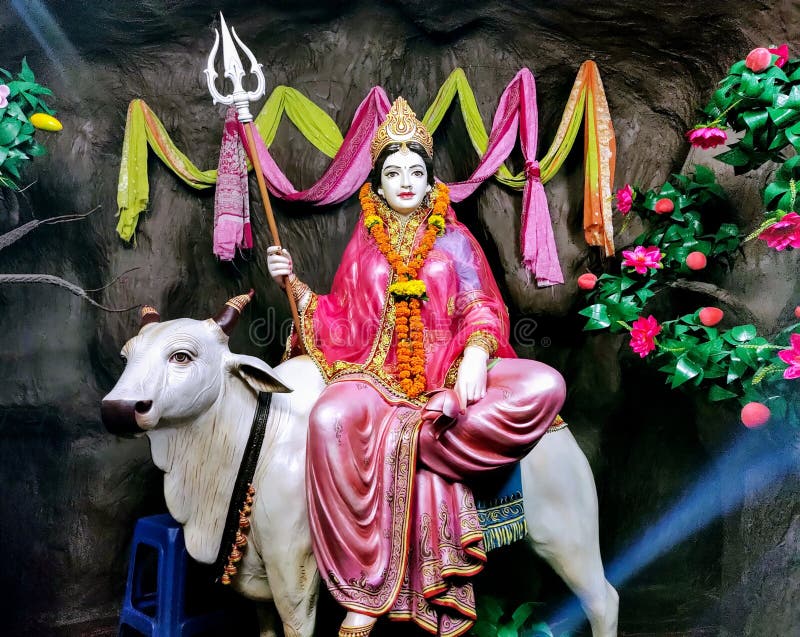
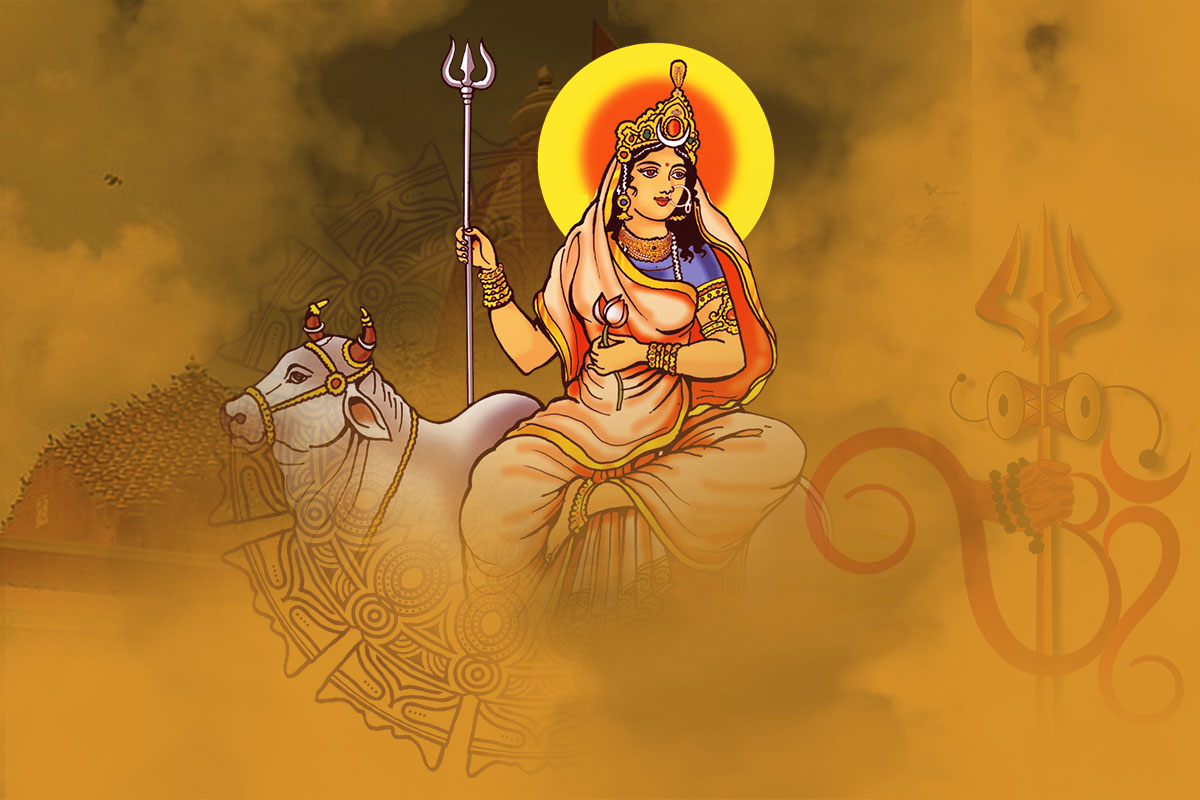
Maa Shailputri is commonly depicted riding a bull, holding a trident in one hand and a lotus in the other. The crescent moon on her forehead further distinguishes her divine form.
Her symbolism reflects strength, determination, purity, and stability. Just as mountains stand firm despite changing weather and circumstances, Maa Shailputri inspires devotees to remain grounded in their faith and values.
Worshipping Maa Shailputri on the first day of Navratri is traditionally associated with beginning one's spiritual journey with a stable mind, sincere devotion, and positive intentions.
Significance of Maa Shailputri Puja on the First Day of Navratri
The first day establishes the spiritual foundation for the remaining eight days of Navratri. Devotees worship Maa Shailputri to seek blessings for strength, peace, prosperity, and spiritual progress.
The day commonly begins with purification of the worship area, Ghatasthapana, and prayers to Goddess Durga. Devotees may offer flowers, fruits, incense, and other traditional offerings according to their family customs.
Many devotees also observe a fast and recite Durga mantras or devotional prayers.
The underlying message of Maa Shailputri Puja is to begin with a strong foundation. Before seeking transformation, one must cultivate faith, discipline, and a sense of inner balance.
Through Bhaktinama, devotees can explore traditional worship practices and use Online Pandit Booking and Online Puja Booking to arrange religious services according to their requirements.
Ghatasthapana: Welcoming the Divine Energy
Ghatasthapana, also known as Kalash Sthapana, is one of the most important rituals performed on the first day of Shardiya Navratri. It marks the ceremonial beginning of Navratri worship.
A Kalash is established in the designated worship area according to traditional customs and the appropriate Muhurat. In many households, barley seeds are also sown in a vessel as a symbol of growth, prosperity, and new beginnings.
The ritual represents inviting divine blessings into the home and preparing a sacred space for the nine days of worship.
Ghatasthapana and Hawan serve different purposes within Hindu ritual practice. While Ghatasthapana marks the beginning of the worship period, Hawan involves offerings made into a sacred fire accompanied by mantras and prayers.
Why Is Hawan Important During Navratri?
Hawan, also known as Homa or Yajna, is an ancient Vedic ritual in which offerings such as ghee, herbs, and other prescribed materials are offered into a consecrated fire while sacred mantras are recited.
Fire, or Agni, holds a significant place in Vedic traditions. It is regarded as a divine medium through which offerings are made during a Yajna. Hawan is performed for various religious purposes, including expressing gratitude, seeking divine blessings, and praying for peace and well-being.
During Navratri, Hawan may be performed as part of Durga worship, depending on the family's traditions, the specific ritual, or the guidance of a qualified priest.
Its spiritual significance can be understood through three key ideas:
Purification: The ritual symbolises the purification of the worship space and the devotee's intentions.
Devotion: Offerings made into the sacred fire express surrender, gratitude, and reverence towards the Divine.
Positive intentions: The recitation of mantras and performance of sacred rituals encourage concentration, discipline, and spiritual reflection.
Although Hawan is often associated with the concluding rituals of Navratri, it may also be performed on other days according to the particular puja tradition. Devotees should follow the procedure appropriate to their chosen ritual rather than assuming that every Navratri Hawan must take place on the first day.
The Connection Between Maa Shailputri Puja and Hawan
Maa Shailputri represents strength, stability, and the grounding of spiritual energy. Hawan, meanwhile, symbolises the offering of one's prayers, intentions, and devotion through sacred fire.
Together, these practices offer a meaningful way to begin Navratri. Worshipping Maa Shailputri establishes the intention for the spiritual journey, while Hawan provides a traditional ritual through which devotees express their prayers and seek divine blessings.
The connection also reflects an important principle of Sanatan Dharma: spiritual practices are not limited to symbolic actions alone. Their deeper purpose lies in cultivating sincerity, self-discipline, gratitude, and a commitment to righteous living.
For those planning Navratri rituals, Bhaktinama offers access to Online Pandit Booking, Online Puja Booking, and Online Puja Samagri Booking, helping devotees explore the arrangements needed for traditional worship.
Anantkaal Hawan: Keeping the Tradition of Sacred Fire Alive
The significance of Hawan during Navratri also provides an opportunity to reflect on the continuing importance of Vedic fire rituals in Sanatan Dharma.
Anantkaal Surya Hawan, an initiative by Bhaktinama and International Awareness for Sun (IAS), focuses on the spiritual and cultural significance of Surya Dev and the enduring tradition of solar worship.
While Maa Shailputri Puja centres on the first form of Navdurga and Anantkaal Surya Hawan centres on the worship of Surya Dev, both can be understood within the broader tradition of reverence for divine forces through Hindu rituals.
Surya Dev represents light, vitality, and the sustaining power of life. Sacred fire rituals similarly hold a prominent place in Vedic worship, where Agni serves as the medium for offerings and prayers.
Through Anantkaal Surya Hawan, Bhaktinama and IAS seek to bring greater awareness to the spiritual and cultural importance of the Sun and its place in traditional worship.
Devotees interested in learning more about this initiative can visit Bhaktinama and explore the available Anantkaal Hawan Slot Booking details.
Conclusion
The first day of Navratri marks the beginning of a sacred journey with the worship of Maa Shailputri, the embodiment of strength, stability, and purity. Through Ghatasthapana, prayers, fasting, and other traditional observances, devotees welcome the festival with devotion and positive intentions.
Hawan adds another dimension to this spiritual journey by providing a sacred means of expressing gratitude, offering prayers, and seeking divine blessings.
As Navratri begins, devotees can honour the traditions of Sanatan Dharma through Maa Shailputri Puja while also learning about the wider significance of sacred fire rituals and solar worship.
With initiatives such as Anantkaal Surya Hawan by Bhaktinama and International Awareness for Sun (IAS), these traditions continue to inspire conversations about spirituality, nature, and the enduring cultural significance of Vedic worship.
Explore Bhaktinama for traditional puja services, Online Pandit Booking, and further information about Anantkaal Hawan.
The first day of Navratri marks the beginning of nine days of devotion, prayer, fasting, and spiritual reflection. Along with Maa Shailputri Puja and Ghatasthapana, traditional practices such as Hawan hold an important place in Hindu worship, symbolising purification, devotion, and the offering of prayers through sacred fire.
For devotees, the first day is an opportunity to begin Navratri with positive intentions and seek the blessings of the Divine Mother.
When Is the First Day of Navratri?
The first day of Shardiya Navratri 2026 falls on Sunday, 11 October 2026. The festival begins on the Pratipada Tithi of the Shukla Paksha in the Hindu month of Ashwin.
The exact Ghatasthapana Muhurat depends on the local Panchang and sunrise time. Devotees should check the timings applicable to their city before performing the ritual.
Who Is Maa Shailputri
Maa Shailputri is the first form of Navdurga worshipped during Navratri. Her name comes from the Sanskrit words Shaila, meaning mountain, and Putri, meaning daughter. She is known as the daughter of the Himalayas and is regarded as a manifestation of Goddess Parvati.
Maa Shailputri is commonly depicted riding a bull, holding a trident in one hand and a lotus in the other. The crescent moon on her forehead further distinguishes her divine form.
Her symbolism reflects strength, determination, purity, and stability. Just as mountains stand firm despite changing weather and circumstances, Maa Shailputri inspires devotees to remain grounded in their faith and values.
Worshipping Maa Shailputri on the first day of Navratri is traditionally associated with beginning one's spiritual journey with a stable mind, sincere devotion, and positive intentions.
Significance of Maa Shailputri Puja on the First Day of Navratri
The first day establishes the spiritual foundation for the remaining eight days of Navratri. Devotees worship Maa Shailputri to seek blessings for strength, peace, prosperity, and spiritual progress.
The day commonly begins with purification of the worship area, Ghatasthapana, and prayers to Goddess Durga. Devotees may offer flowers, fruits, incense, and other traditional offerings according to their family customs.
Many devotees also observe a fast and recite Durga mantras or devotional prayers.
The underlying message of Maa Shailputri Puja is to begin with a strong foundation. Before seeking transformation, one must cultivate faith, discipline, and a sense of inner balance.
Through Bhaktinama, devotees can explore traditional worship practices and use Online Pandit Booking and Online Puja Booking to arrange religious services according to their requirements.
Ghatasthapana: Welcoming the Divine Energy
Ghatasthapana, also known as Kalash Sthapana, is one of the most important rituals performed on the first day of Shardiya Navratri. It marks the ceremonial beginning of Navratri worship.
A Kalash is established in the designated worship area according to traditional customs and the appropriate Muhurat. In many households, barley seeds are also sown in a vessel as a symbol of growth, prosperity, and new beginnings.
The ritual represents inviting divine blessings into the home and preparing a sacred space for the nine days of worship.
Ghatasthapana and Hawan serve different purposes within Hindu ritual practice. While Ghatasthapana marks the beginning of the worship period, Hawan involves offerings made into a sacred fire accompanied by mantras and prayers.
Why Is Hawan Important During Navratri?
Hawan, also known as Homa or Yajna, is an ancient Vedic ritual in which offerings such as ghee, herbs, and other prescribed materials are offered into a consecrated fire while sacred mantras are recited.
Fire, or Agni, holds a significant place in Vedic traditions. It is regarded as a divine medium through which offerings are made during a Yajna. Hawan is performed for various religious purposes, including expressing gratitude, seeking divine blessings, and praying for peace and well-being.
During Navratri, Hawan may be performed as part of Durga worship, depending on the family's traditions, the specific ritual, or the guidance of a qualified priest.
Its spiritual significance can be understood through three key ideas:
Purification: The ritual symbolises the purification of the worship space and the devotee's intentions.
Devotion: Offerings made into the sacred fire express surrender, gratitude, and reverence towards the Divine.
Positive intentions: The recitation of mantras and performance of sacred rituals encourage concentration, discipline, and spiritual reflection.
Although Hawan is often associated with the concluding rituals of Navratri, it may also be performed on other days according to the particular puja tradition. Devotees should follow the procedure appropriate to their chosen ritual rather than assuming that every Navratri Hawan must take place on the first day.
The Connection Between Maa Shailputri Puja and Hawan
Maa Shailputri represents strength, stability, and the grounding of spiritual energy. Hawan, meanwhile, symbolises the offering of one's prayers, intentions, and devotion through sacred fire.
Together, these practices offer a meaningful way to begin Navratri. Worshipping Maa Shailputri establishes the intention for the spiritual journey, while Hawan provides a traditional ritual through which devotees express their prayers and seek divine blessings.
The connection also reflects an important principle of Sanatan Dharma: spiritual practices are not limited to symbolic actions alone. Their deeper purpose lies in cultivating sincerity, self-discipline, gratitude, and a commitment to righteous living.
For those planning Navratri rituals, Bhaktinama offers access to Online Pandit Booking, Online Puja Booking, and Online Puja Samagri Booking, helping devotees explore the arrangements needed for traditional worship.
Anantkaal Hawan: Keeping the Tradition of Sacred Fire Alive
The significance of Hawan during Navratri also provides an opportunity to reflect on the continuing importance of Vedic fire rituals in Sanatan Dharma.
Anantkaal Surya Hawan, an initiative by Bhaktinama and International Awareness for Sun (IAS), focuses on the spiritual and cultural significance of Surya Dev and the enduring tradition of solar worship.
While Maa Shailputri Puja centres on the first form of Navdurga and Anantkaal Surya Hawan centres on the worship of Surya Dev, both can be understood within the broader tradition of reverence for divine forces through Hindu rituals.
Surya Dev represents light, vitality, and the sustaining power of life. Sacred fire rituals similarly hold a prominent place in Vedic worship, where Agni serves as the medium for offerings and prayers.
Through Anantkaal Surya Hawan, Bhaktinama and IAS seek to bring greater awareness to the spiritual and cultural importance of the Sun and its place in traditional worship.
Devotees interested in learning more about this initiative can visit Bhaktinama and explore the available Anantkaal Hawan Slot Booking details.
Conclusion
The first day of Navratri marks the beginning of a sacred journey with the worship of Maa Shailputri, the embodiment of strength, stability, and purity. Through Ghatasthapana, prayers, fasting, and other traditional observances, devotees welcome the festival with devotion and positive intentions.
Hawan adds another dimension to this spiritual journey by providing a sacred means of expressing gratitude, offering prayers, and seeking divine blessings.
As Navratri begins, devotees can honour the traditions of Sanatan Dharma through Maa Shailputri Puja while also learning about the wider significance of sacred fire rituals and solar worship.
With initiatives such as Anantkaal Surya Hawan by Bhaktinama and International Awareness for Sun (IAS), these traditions continue to inspire conversations about spirituality, nature, and the enduring cultural significance of Vedic worship.
Explore Bhaktinama for traditional puja services, Online Pandit Booking, and further information about Anantkaal Hawan.