
October 14, 2026
Festival Fast
5 min read
Fourth Day of Navratri 2026: Maa Kushmanda Puja, Mantra and the Importance of Hawan
Learn about the fourth day of Navratri 2026, Maa Kushmanda Puja Vidhi, mantra, significance, and Hawan traditions. Explore Anantkaal Surya Hawan and puja services through Bhaktinama.
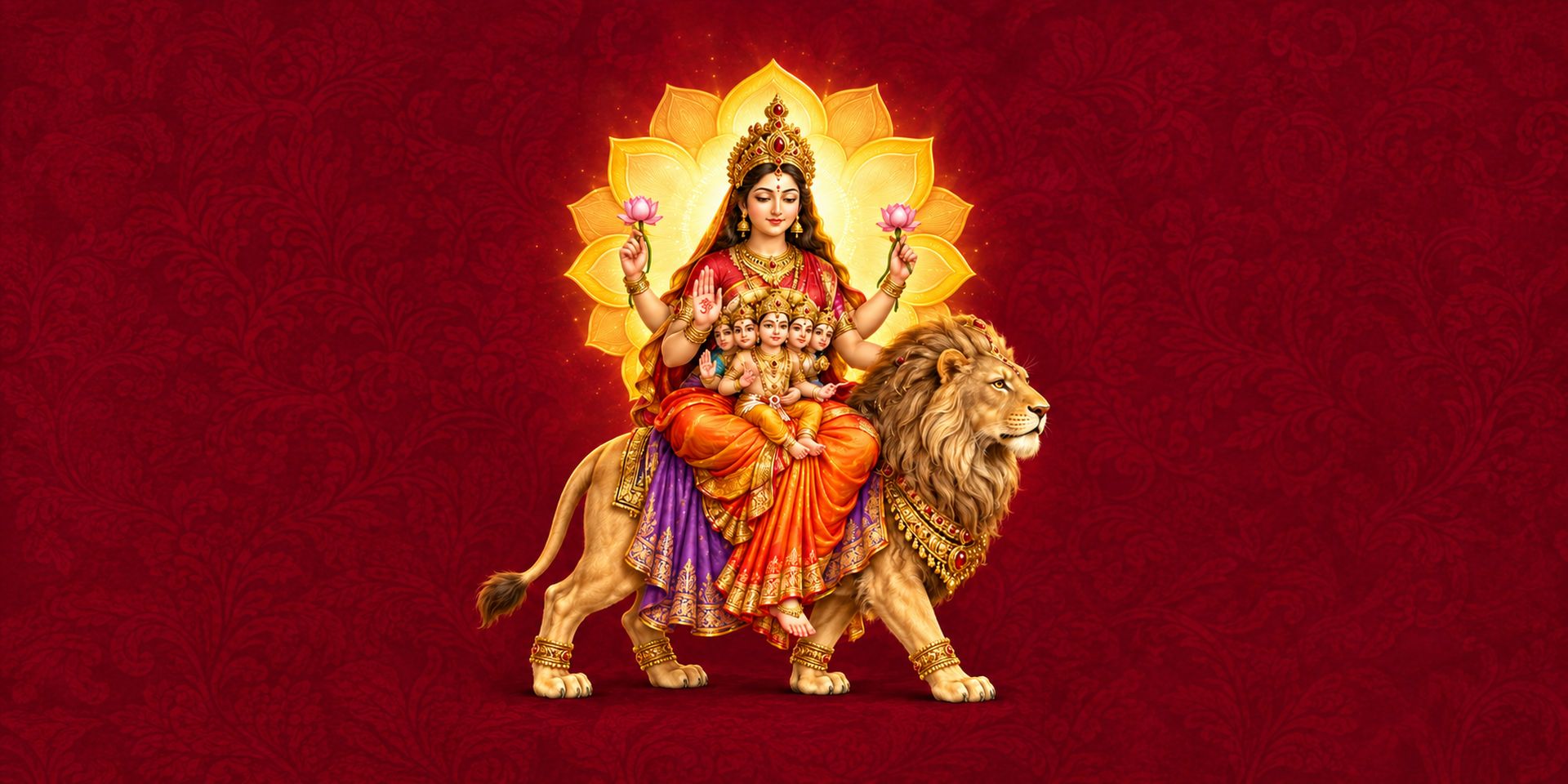
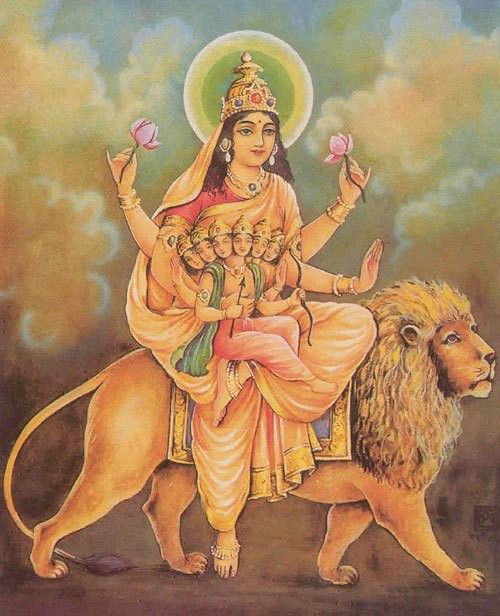
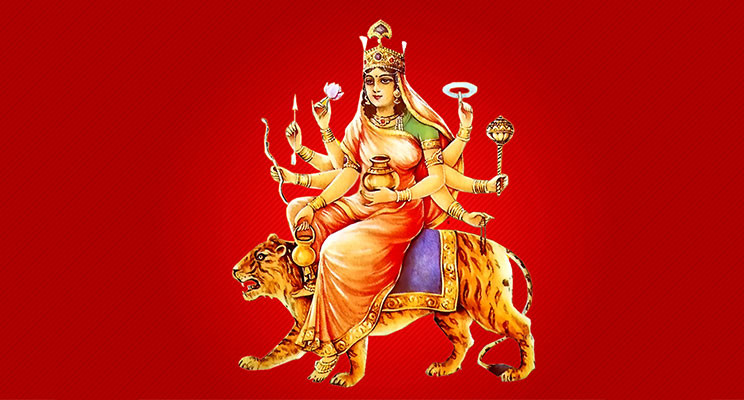
The fourth day of Navratri is dedicated to Maa Kushmanda, the fourth form of Goddess Durga. She is associated with creation, divine energy, light, and positivity. According to Hindu beliefs, Maa Kushmanda created the universe with her divine smile, bringing light and life into existence.
Devotees worship Maa Kushmanda during Navratri to seek health, prosperity, happiness, and spiritual strength. Along with traditional puja and mantra chanting, Hawan holds an important place in many families’ religious practices.
When Is the Fourth Day of Navratri in 2026?
The fourth day of Navratri falls on Wednesday, 14 October 2026, following the commonly observed Navratri sequence beginning on 11 October.
On this day, devotees worship Maa Kushmanda and pray for peace, prosperity, good health, and positive energy. Since tithi timings may vary by location, devotees should consult their local Panchang for the appropriate puja muhurat.
Who Is Maa Kushmanda?
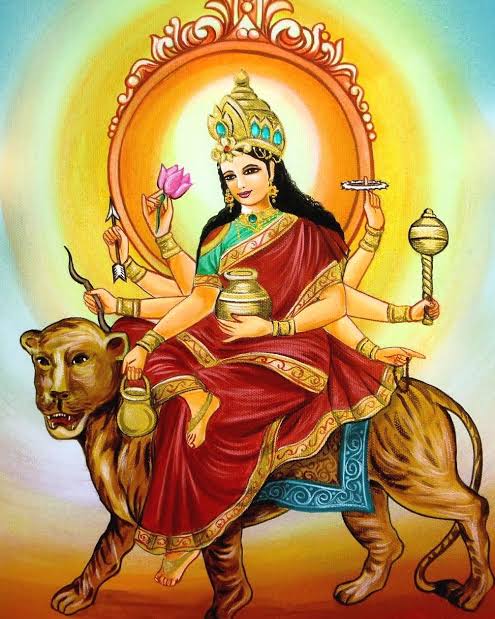
Maa Kushmanda is the fourth manifestation of Goddess Durga. Her name is traditionally associated with the creation of the universe. According to Hindu religious beliefs, her divine smile brought light and energy into the cosmos.
She is commonly depicted with eight arms, holding various divine objects and weapons. Her form represents creative power, strength, vitality, and the ability to overcome difficulties.
Maa Kushmanda is also associated with light and life-giving energy. While the Sun provides essential energy for life on Earth, Maa Kushmanda represents divine creative power in Hindu spiritual tradition.
Significance of Maa Kushmanda Puja
Worshipping Maa Kushmanda on the fourth day of Navratri is considered spiritually significant. Devotees seek her blessings for well-being, prosperity, courage, and positivity.
The worship of Maa Kushmanda conveys several meaningful lessons:
- Creation and new beginnings: Embrace new opportunities with hope and confidence.
- Energy and enthusiasm: Approach daily responsibilities with dedication.
- Health and well-being: Pray for the welfare of yourself and your family.
- Light and positivity: Focus on hope, wisdom, and constructive thoughts.
By incorporating these values into everyday life, devotees can carry the spiritual message of Navratri beyond the festival.
How to Perform Maa Kushmanda Puja
Devotees can perform Maa Kushmanda Puja at home by following a simple traditional procedure.
1. Take a bath in the morning and clean the पूजा area.
2. Place an image or idol of Maa Durga and Maa Kushmanda at the worship space.
3. Light a diya and offer flowers, akshat, fruits, and naivedya according to your family tradition.
4. Chant the Maa Kushmanda mantra with devotion.
5. Recite the Durga Chalisa or other devotional prayers.
6. Conclude the puja with aarti and prayers for the well-being of everyone.
Those who wish to perform the rituals according to traditional procedures can explore Online Pandit Booking through Bhaktinama. Devotees can also look into Online Puja Samagri Booking to arrange the necessary puja materials.
Maa Kushmanda Mantra
The following mantra is traditionally chanted while worshipping Maa Kushmanda on the fourth day of Navratri:
ॐ देवी कूष्माण्डायै नमः॥
Chanting this mantra with faith and concentration is a way to express devotion to the Goddess and cultivate a sense of positivity, peace, and spiritual connection.
Importance of Hawan During Navratri
Hawan is an important Vedic ritual in Sanatan Dharma. During the ceremony, offerings are made into a sacred fire while mantras are recited. The ritual is associated with devotion, purification, gratitude, and positive intentions.
During Navratri, many families perform Hawan according to their religious traditions. Some conduct it on Durga Ashtami or Mahanavami, while others follow different family customs.
Performing Hawan as part of Devi worship expresses gratitude to the divine and offers an opportunity to pray for the well-being of the family. The appropriate procedure and timing may be determined according to family traditions and the guidance of a qualified priest.
For devotees who need assistance arranging religious rituals, Online Puja Booking through Bhaktinama can be a convenient option.
The Spiritual Connection Between Maa Kushmanda and Solar Energy
Maa Kushmanda is associated with creation, light, and divine energy. Surya Dev, or the Sun God, also holds a significant place in Sanatan Dharma as a symbol of life, vitality, light, and time.
Sunlight is essential for life on Earth, and Surya worship has remained an important part of Indian religious and cultural traditions. The spiritual themes of light and life energy provide a meaningful connection between the worship of Maa Kushmanda and the broader tradition of Surya Upasana.
This connection also reminds devotees to appreciate nature and recognise the importance of the Sun in sustaining life.
Anantkaal Surya Hawan: A Special Initiative by Bhaktinama and IAS
Inspired by the spiritual significance of Surya Upasana, Bhaktinama and International Awareness for Sun (IAS) have introduced the Anantkaal Surya Hawan initiative.
The initiative aims to bring greater awareness to the spiritual significance of Sun worship and the traditional practice of Hawan, encouraging people to reconnect with this cultural and religious heritage.
Maa Kushmanda Puja and Anantkaal Surya Hawan have distinct religious contexts. Anantkaal Surya Hawan is a separate initiative related to Surya Upasana, not a ritual specifically prescribed for the fourth day of Navratri.
Devotees interested in learning more about the initiative can explore the information available through Bhaktinama and check the details for Anantkaal Hawan Slot Booking.
Spiritual Lessons from Maa Kushmanda
The worship of Maa Kushmanda reminds devotees that hope, positive thinking, and inner strength can help them navigate life's challenges. Her association with creation symbolises the possibility of new beginnings and the importance of nurturing positive energy.
Her teachings also encourage people to appreciate nature, care for their health, and approach their responsibilities with sincerity and dedication.
Conclusion
The fourth day of Navratri celebrates Maa Kushmanda and her association with creation, light, positivity, and divine energy. Through puja, mantra chanting, and Hawan according to their traditions, devotees express their faith and seek spiritual guidance.
Through Bhaktinama, devotees can explore information about Hindu rituals and services such as Online Pandit Booking, Online Puja Booking, and Online Puja Samagri Booking.
The Anantkaal Surya Hawan, a separate initiative by Bhaktinama and International Awareness for Sun (IAS), offers another opportunity to learn about and connect with the enduring tradition of Surya Upasana
Devotees worship Maa Kushmanda during Navratri to seek health, prosperity, happiness, and spiritual strength. Along with traditional puja and mantra chanting, Hawan holds an important place in many families’ religious practices.
When Is the Fourth Day of Navratri in 2026?
The fourth day of Navratri falls on Wednesday, 14 October 2026, following the commonly observed Navratri sequence beginning on 11 October.
On this day, devotees worship Maa Kushmanda and pray for peace, prosperity, good health, and positive energy. Since tithi timings may vary by location, devotees should consult their local Panchang for the appropriate puja muhurat.
Who Is Maa Kushmanda?
Maa Kushmanda is the fourth manifestation of Goddess Durga. Her name is traditionally associated with the creation of the universe. According to Hindu religious beliefs, her divine smile brought light and energy into the cosmos.
She is commonly depicted with eight arms, holding various divine objects and weapons. Her form represents creative power, strength, vitality, and the ability to overcome difficulties.
Maa Kushmanda is also associated with light and life-giving energy. While the Sun provides essential energy for life on Earth, Maa Kushmanda represents divine creative power in Hindu spiritual tradition.
Significance of Maa Kushmanda Puja
Worshipping Maa Kushmanda on the fourth day of Navratri is considered spiritually significant. Devotees seek her blessings for well-being, prosperity, courage, and positivity.
The worship of Maa Kushmanda conveys several meaningful lessons:
- Creation and new beginnings: Embrace new opportunities with hope and confidence.
- Energy and enthusiasm: Approach daily responsibilities with dedication.
- Health and well-being: Pray for the welfare of yourself and your family.
- Light and positivity: Focus on hope, wisdom, and constructive thoughts.
By incorporating these values into everyday life, devotees can carry the spiritual message of Navratri beyond the festival.
How to Perform Maa Kushmanda Puja
Devotees can perform Maa Kushmanda Puja at home by following a simple traditional procedure.
1. Take a bath in the morning and clean the पूजा area.
2. Place an image or idol of Maa Durga and Maa Kushmanda at the worship space.
3. Light a diya and offer flowers, akshat, fruits, and naivedya according to your family tradition.
4. Chant the Maa Kushmanda mantra with devotion.
5. Recite the Durga Chalisa or other devotional prayers.
6. Conclude the puja with aarti and prayers for the well-being of everyone.
Those who wish to perform the rituals according to traditional procedures can explore Online Pandit Booking through Bhaktinama. Devotees can also look into Online Puja Samagri Booking to arrange the necessary puja materials.
Maa Kushmanda Mantra
The following mantra is traditionally chanted while worshipping Maa Kushmanda on the fourth day of Navratri:
ॐ देवी कूष्माण्डायै नमः॥
Chanting this mantra with faith and concentration is a way to express devotion to the Goddess and cultivate a sense of positivity, peace, and spiritual connection.
Importance of Hawan During Navratri
Hawan is an important Vedic ritual in Sanatan Dharma. During the ceremony, offerings are made into a sacred fire while mantras are recited. The ritual is associated with devotion, purification, gratitude, and positive intentions.
During Navratri, many families perform Hawan according to their religious traditions. Some conduct it on Durga Ashtami or Mahanavami, while others follow different family customs.
Performing Hawan as part of Devi worship expresses gratitude to the divine and offers an opportunity to pray for the well-being of the family. The appropriate procedure and timing may be determined according to family traditions and the guidance of a qualified priest.
For devotees who need assistance arranging religious rituals, Online Puja Booking through Bhaktinama can be a convenient option.
The Spiritual Connection Between Maa Kushmanda and Solar Energy
Maa Kushmanda is associated with creation, light, and divine energy. Surya Dev, or the Sun God, also holds a significant place in Sanatan Dharma as a symbol of life, vitality, light, and time.
Sunlight is essential for life on Earth, and Surya worship has remained an important part of Indian religious and cultural traditions. The spiritual themes of light and life energy provide a meaningful connection between the worship of Maa Kushmanda and the broader tradition of Surya Upasana.
This connection also reminds devotees to appreciate nature and recognise the importance of the Sun in sustaining life.
Anantkaal Surya Hawan: A Special Initiative by Bhaktinama and IAS
Inspired by the spiritual significance of Surya Upasana, Bhaktinama and International Awareness for Sun (IAS) have introduced the Anantkaal Surya Hawan initiative.
The initiative aims to bring greater awareness to the spiritual significance of Sun worship and the traditional practice of Hawan, encouraging people to reconnect with this cultural and religious heritage.
Maa Kushmanda Puja and Anantkaal Surya Hawan have distinct religious contexts. Anantkaal Surya Hawan is a separate initiative related to Surya Upasana, not a ritual specifically prescribed for the fourth day of Navratri.
Devotees interested in learning more about the initiative can explore the information available through Bhaktinama and check the details for Anantkaal Hawan Slot Booking.
Spiritual Lessons from Maa Kushmanda
The worship of Maa Kushmanda reminds devotees that hope, positive thinking, and inner strength can help them navigate life's challenges. Her association with creation symbolises the possibility of new beginnings and the importance of nurturing positive energy.
Her teachings also encourage people to appreciate nature, care for their health, and approach their responsibilities with sincerity and dedication.
Conclusion
The fourth day of Navratri celebrates Maa Kushmanda and her association with creation, light, positivity, and divine energy. Through puja, mantra chanting, and Hawan according to their traditions, devotees express their faith and seek spiritual guidance.
Through Bhaktinama, devotees can explore information about Hindu rituals and services such as Online Pandit Booking, Online Puja Booking, and Online Puja Samagri Booking.
The Anantkaal Surya Hawan, a separate initiative by Bhaktinama and International Awareness for Sun (IAS), offers another opportunity to learn about and connect with the enduring tradition of Surya Upasana