November 15, 2025
Spirituality
3 min read
Sacred Trees and Plants in Hinduism — The Living Temples of Nature
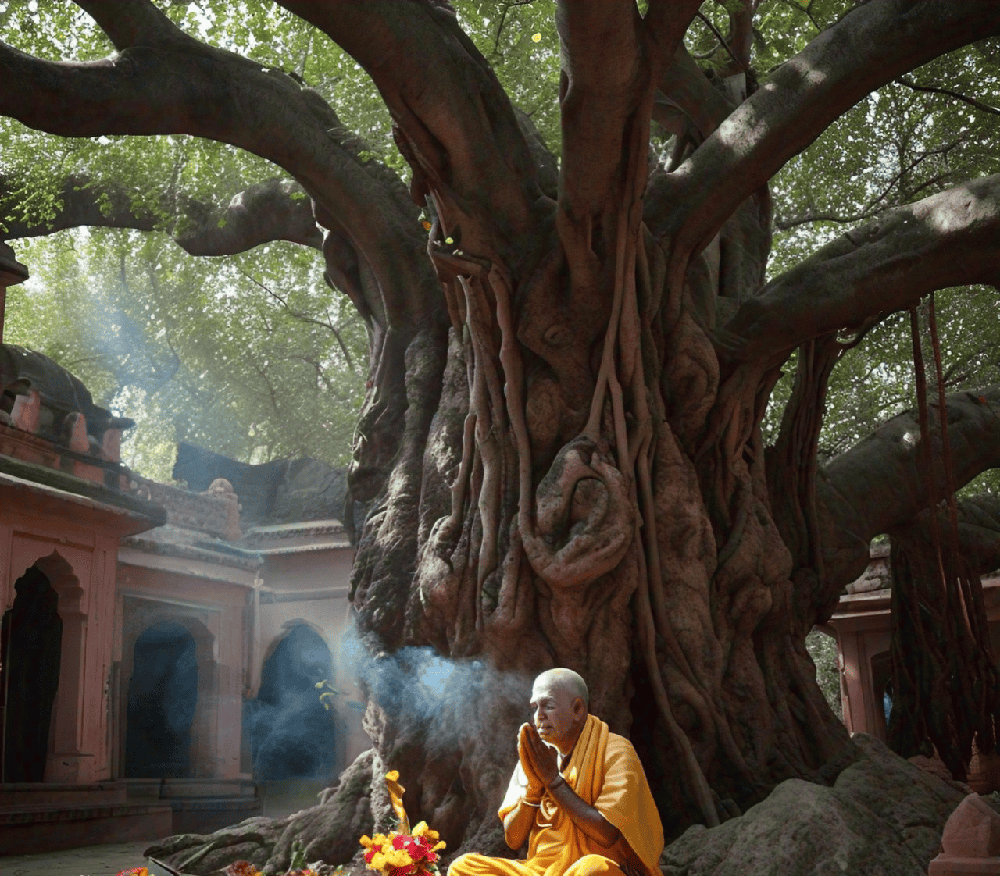
In Hinduism, trees and plants are not seen as ordinary elements of nature — they are sacred beings carrying divine energy. From the oxygen-giving Peepal to the healing Neem, from the pure Tulsi to the immortal Banyan, each plant serves as a spiritual teacher and a natural protector. Ancient sages created sacred groves around temples, understanding their magnetic and medicinal properties long before modern science. Worshiping trees was never superstition; it was a profound ecological wisdom that taught humans to live in harmony with the forces that sustain life. This blog explores the science, symbolism, and spirituality behind the sacred trees of Hinduism, revealing how they form the living temples of nature.
In Hinduism, nature is not separate from divinity — it is divinity.
Every tree, leaf, and flower is seen as a living form of the Divine.
Long before the idea of “environmentalism” existed, Hindu sages created an ecosystem of worship around trees and plants to preserve both spiritual life and ecological balance.
The Science Behind Worshiping Trees
Worshiping a tree is not bowing to wood — it is acknowledging the life force (Prana) flowing within it.
Trees absorb carbon dioxide, release oxygen, and regulate the Earth’s temperature — a process ancient texts described as Prana Vayu Seva.
Ancient Hindus planted specific trees near temples based on their magnetic and air-purifying properties, creating an energy field that healed both body and mind.
1. Peepal Tree (Ficus religiosa) — The Tree of Breath
The Peepal is the most sacred tree and is believed to release oxygen day and night.
Sitting beneath it calms the nervous system and sharpens focus.
It is called Brahma Vriksha.
Krishna says in the Gita:
“Among trees, I am the Peepal.”
Spiritual belief: meditating under a Peepal connects one to cosmic memory.
2. Tulsi (Holy Basil) — The Goddess in Green
Tulsi is considered the plant form of Goddess Lakshmi.
It purifies air, boosts immunity, and balances emotions.
Its natural vibration resonates with Earth’s frequency, harmonizing energy fields.
3. Banyan Tree — The Tree of Immortality
The Banyan symbolizes eternal life.
Its aerial roots represent both visible and invisible worlds.
It is believed to connect one with ancestral wisdom and longevity.
4. Bilva Tree — Sacred to Shiva
The three-lobed Bilva leaf symbolizes Shiva’s trident and the three Gunas.
Offering Bilva leaves purifies karma and calms the mind.
5. Banana Plant — Symbol of Prosperity
Considered auspicious because it bears fruit year-round.
Associated with Vishnu and Lakshmi and used in rituals and festivals.
6. Sandalwood Tree
Represents purity and peace.
Its paste calms the Ajna Chakra.
Burning sandalwood enhances focus and tranquility.
7. Neem Tree
Called Arista — “the perfect healer.”
Purifies air, strengthens immunity, and wards off disease.
The Eco-Spiritual Network
Sacred groves around temples created a bioshield of healing energy.
Prayers and bells increase the electrical conductivity of air, making the space purer.
Tree worship is spiritual environmentalism.
Humans are children of nature, not its masters.
Trees in Hinduism are living teachers.
They whisper the wisdom of dharma:
“Grow deep, stay grounded, and serve others.”
Book experienced pandits online for all Hindu puja rituals with Bhaktinama – simple, reliable, and authentic.
Every tree, leaf, and flower is seen as a living form of the Divine.
Long before the idea of “environmentalism” existed, Hindu sages created an ecosystem of worship around trees and plants to preserve both spiritual life and ecological balance.
The Science Behind Worshiping Trees
Worshiping a tree is not bowing to wood — it is acknowledging the life force (Prana) flowing within it.
Trees absorb carbon dioxide, release oxygen, and regulate the Earth’s temperature — a process ancient texts described as Prana Vayu Seva.
Ancient Hindus planted specific trees near temples based on their magnetic and air-purifying properties, creating an energy field that healed both body and mind.
1. Peepal Tree (Ficus religiosa) — The Tree of Breath
The Peepal is the most sacred tree and is believed to release oxygen day and night.
Sitting beneath it calms the nervous system and sharpens focus.
It is called Brahma Vriksha.
Krishna says in the Gita:
“Among trees, I am the Peepal.”
Spiritual belief: meditating under a Peepal connects one to cosmic memory.
2. Tulsi (Holy Basil) — The Goddess in Green
Tulsi is considered the plant form of Goddess Lakshmi.
It purifies air, boosts immunity, and balances emotions.
Its natural vibration resonates with Earth’s frequency, harmonizing energy fields.
3. Banyan Tree — The Tree of Immortality
The Banyan symbolizes eternal life.
Its aerial roots represent both visible and invisible worlds.
It is believed to connect one with ancestral wisdom and longevity.
4. Bilva Tree — Sacred to Shiva
The three-lobed Bilva leaf symbolizes Shiva’s trident and the three Gunas.
Offering Bilva leaves purifies karma and calms the mind.
5. Banana Plant — Symbol of Prosperity
Considered auspicious because it bears fruit year-round.
Associated with Vishnu and Lakshmi and used in rituals and festivals.
6. Sandalwood Tree
Represents purity and peace.
Its paste calms the Ajna Chakra.
Burning sandalwood enhances focus and tranquility.
7. Neem Tree
Called Arista — “the perfect healer.”
Purifies air, strengthens immunity, and wards off disease.
The Eco-Spiritual Network
Sacred groves around temples created a bioshield of healing energy.
Prayers and bells increase the electrical conductivity of air, making the space purer.
Tree worship is spiritual environmentalism.
Humans are children of nature, not its masters.
Trees in Hinduism are living teachers.
They whisper the wisdom of dharma:
“Grow deep, stay grounded, and serve others.”
Book experienced pandits online for all Hindu puja rituals with Bhaktinama – simple, reliable, and authentic.