April 02, 2026
Festival Fast
3 min read
Hanuman Jayanti 2026: Significance, History, Rituals, and Spiritual Benefits
Meta Description: Discover the importance of Hanuman Jayanti 2026, its history, पूजा विधि, rituals, and the spiritual significance of worshipping Lord Hanuman for strength, devotion, and protection.
Hanuman Jayanti: Celebrating the Birth of Lord Hanuman
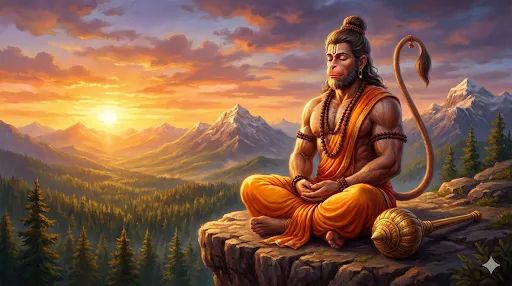
Hanuman Jayanti is one of the most sacred festivals in Hinduism, celebrated with immense devotion to honor the birth of Lord Hanuman, the symbol of strength, courage, and unwavering devotion. This auspicious day is observed on the full moon day (Purnima) of the Chaitra month, which usually falls in March or April. In 2026, Hanuman Jayanti will be celebrated with great enthusiasm across India, especially in temples dedicated to Hanuman.
The festival holds deep spiritual significance as Lord Hanuman is considered an ardent devotee of Lord Rama and plays a vital role in the epic Ramayana. His life teaches us the values of loyalty, humility, and selfless service.
Mythological Significance of Hanuman Jayanti
According to Hindu mythology, Lord Hanuman was born to Anjana and Kesari, with the blessings of Vayu, the wind god. This is why Hanuman is also known as Pavan Putra. His divine birth was meant to assist Lord Rama in defeating evil forces, especially Ravana.
Hanuman’s role in the Ramayana is extraordinary, from finding Sita in Lanka to bringing the Sanjeevani herb to save Lakshmana. His immense strength and wisdom symbolize the power of devotion and righteousness.
Rituals and Celebrations of Hanuman Jayanti
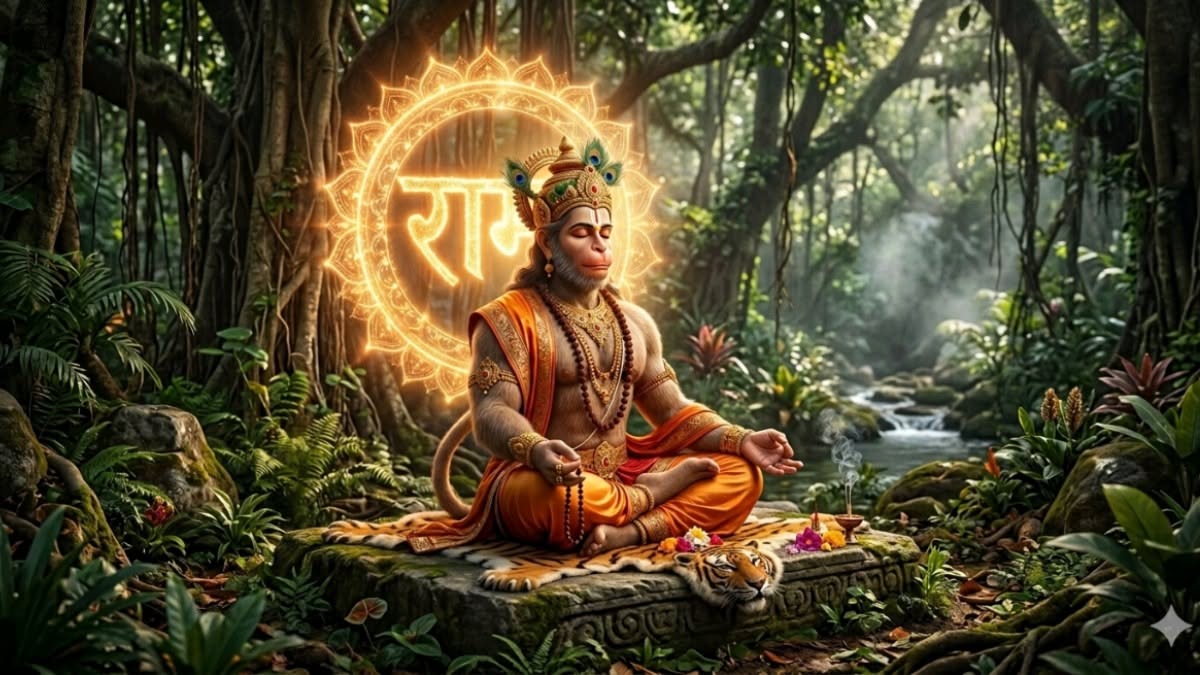
On this auspicious day, devotees wake up early, take a holy bath, and visit Hanuman temples to offer prayers. The idol of Lord Hanuman is adorned with sindoor, jasmine oil, and garlands. Special prayers, including the chanting of the Hanuman Chalisa, are performed with deep faith.
Fasting is another important aspect of Hanuman Jayanti. Devotees observe a day-long fast and break it after sunset. Many people also recite sacred texts and participate in bhajans and kirtans dedicated to Lord Hanuman.
Temples organize grand celebrations where the Ramayana is recited, and spiritual discourses are held. The atmosphere is filled with devotion, positivity, and spiritual energy.
Spiritual Importance of Worshipping Lord Hanuman
Worshipping Lord Hanuman on this day is believed to remove fear, negative energies, and obstacles from life. He is considered a protector against evil forces and a giver of strength, both physical and mental. Devotees believe that sincere prayers on Hanuman Jayanti can bring courage, success, and peace.
Hanuman is also known as Sankat Mochan, meaning the remover of troubles. His blessings help individuals overcome difficulties and stay strong in challenging times.
Scientific and Spiritual Perspective
From a scientific point of view, practices like fasting, chanting, and meditation on Hanuman Jayanti help in detoxifying the body and calming the mind. Chanting mantras creates positive vibrations that improve mental clarity and emotional balance.
The discipline followed during this festival also enhances self-control and mindfulness, which are essential for a healthy and balanced life.
Hanuman Jayanti is one of the most sacred festivals in Hinduism, celebrated with immense devotion to honor the birth of Lord Hanuman, the symbol of strength, courage, and unwavering devotion. This auspicious day is observed on the full moon day (Purnima) of the Chaitra month, which usually falls in March or April. In 2026, Hanuman Jayanti will be celebrated with great enthusiasm across India, especially in temples dedicated to Hanuman.
The festival holds deep spiritual significance as Lord Hanuman is considered an ardent devotee of Lord Rama and plays a vital role in the epic Ramayana. His life teaches us the values of loyalty, humility, and selfless service.
Mythological Significance of Hanuman Jayanti
According to Hindu mythology, Lord Hanuman was born to Anjana and Kesari, with the blessings of Vayu, the wind god. This is why Hanuman is also known as Pavan Putra. His divine birth was meant to assist Lord Rama in defeating evil forces, especially Ravana.
Hanuman’s role in the Ramayana is extraordinary, from finding Sita in Lanka to bringing the Sanjeevani herb to save Lakshmana. His immense strength and wisdom symbolize the power of devotion and righteousness.
Rituals and Celebrations of Hanuman Jayanti
On this auspicious day, devotees wake up early, take a holy bath, and visit Hanuman temples to offer prayers. The idol of Lord Hanuman is adorned with sindoor, jasmine oil, and garlands. Special prayers, including the chanting of the Hanuman Chalisa, are performed with deep faith.
Fasting is another important aspect of Hanuman Jayanti. Devotees observe a day-long fast and break it after sunset. Many people also recite sacred texts and participate in bhajans and kirtans dedicated to Lord Hanuman.
Temples organize grand celebrations where the Ramayana is recited, and spiritual discourses are held. The atmosphere is filled with devotion, positivity, and spiritual energy.
Spiritual Importance of Worshipping Lord Hanuman
Worshipping Lord Hanuman on this day is believed to remove fear, negative energies, and obstacles from life. He is considered a protector against evil forces and a giver of strength, both physical and mental. Devotees believe that sincere prayers on Hanuman Jayanti can bring courage, success, and peace.
Hanuman is also known as Sankat Mochan, meaning the remover of troubles. His blessings help individuals overcome difficulties and stay strong in challenging times.
Scientific and Spiritual Perspective
From a scientific point of view, practices like fasting, chanting, and meditation on Hanuman Jayanti help in detoxifying the body and calming the mind. Chanting mantras creates positive vibrations that improve mental clarity and emotional balance.
The discipline followed during this festival also enhances self-control and mindfulness, which are essential for a healthy and balanced life.