April 21, 2026
Spirituality
5 min read
Samavartana Sanskar: Meaning, Rituals, History and Spiritual Significance in Hindu Tradition
Learn about Samavartana Sanskar, the sacred Hindu ritual marking the completion of education. Discover its meaning, rituals, history, and spiritual significance in Hindu tradition.
Samavartana Sanskar: Meaning, Rituals and Spiritual Significance in Hindu Tradition
Samavartana Sanskar is one of the important rites in Hindu tradition that marks the completion of a student’s education. Among the sixteen Hindu sacraments (Shodasha Sanskar), this ceremony represents the transition from student life to the next stage of life.
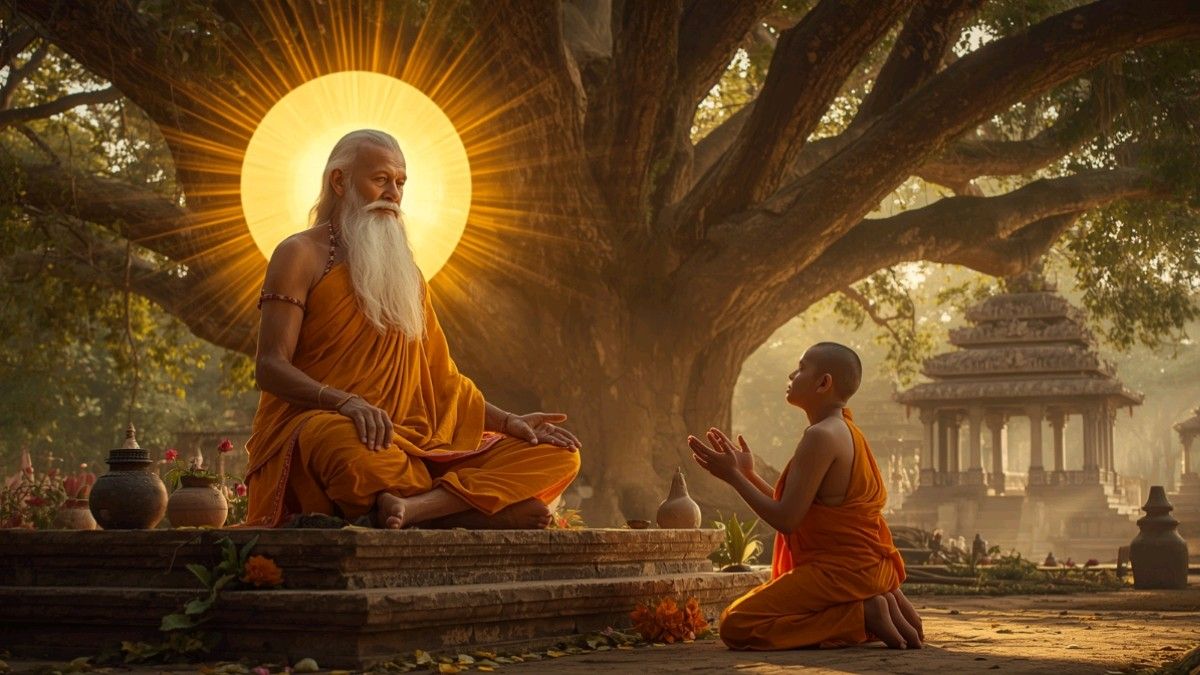
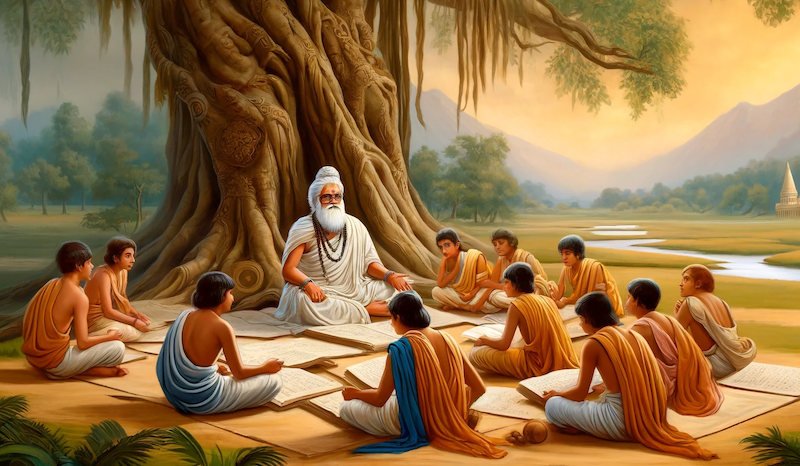
In ancient India, education was not only about gaining knowledge but also about developing discipline, character, and spiritual awareness. Samavartana Sanskar symbolized the moment when a student completed their studies under a guru and returned from the Gurukul prepared to enter society.
The word Samavartana comes from Sanskrit, where “Sama” means complete and “Avartana” means returning. Together, the word signifies the return of a student after completing education in the Gurukul system.
Traditionally, this ceremony marked the completion of the Brahmacharya Ashrama, the stage of disciplined student life, and prepared the individual to enter Grihastha Ashrama, the stage of household responsibilities.
At Bhaktinama, we not only share spiritual knowledge but also make your devotional journey easier through modern and accessible services like online pandit booking, online temple booking, and ordering puja samagri online, helping devotees perform sacred rituals smoothly.
Historical Background of Samavartana Sanskar
The origins of Samavartana Sanskar date back to the Vedic period when the Gurukul system was the primary method of education. In this system, students lived with their guru and dedicated themselves to studying scriptures, philosophy, ethics, and various practical skills.
Education in ancient Hindu society focused not only on intellectual knowledge but also on building virtues such as humility, discipline, truthfulness, and respect.
After years of learning, the student would perform the Samavartana ceremony, which symbolized the successful completion of education. During this ritual, the guru would bless the student and offer guidance about living a righteous life guided by dharma, responsibility, and service to society.
Today, platforms like Bhaktinama help preserve these sacred traditions by making it easier for families to perform rituals with the help of experienced priests and proper spiritual guidance.
Rituals Performed During Samavartana Sanskar
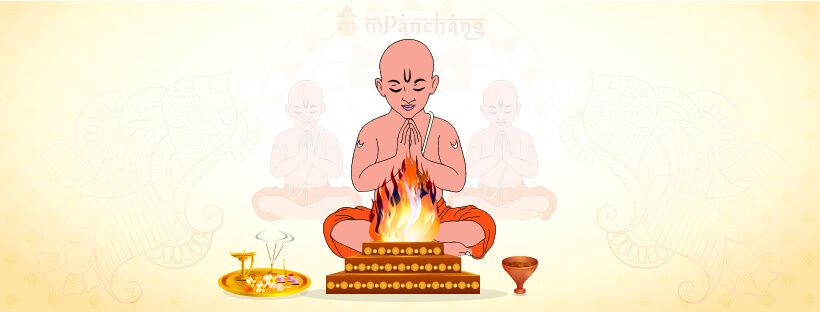
The Samavartana ceremony involved several sacred rituals that symbolized purification, gratitude, and readiness for a new phase of life.
One of the most important rituals was the ceremonial bath, which represented purification and the beginning of a new chapter. After the bath, the student would wear fresh clothes and approach the guru to seek blessings.
The guru would then provide final teachings about discipline, honesty, humility, and responsibility. These teachings were meant to guide the student throughout life.
Another key ritual was Guru Dakshina, where the student offered a gift or token of gratitude to the guru in appreciation of the knowledge received.
With Bhaktinama, organizing such sacred ceremonies becomes easier. Devotees can book knowledgeable priests, arrange temple visits, and order all required puja samagri online, ensuring rituals are performed correctly and conveniently.
Ethical Teachings Given During Samavartana
A central part of Samavartana Sanskar was the final teachings given by the guru to the student. These teachings were considered essential guidance for living a meaningful and righteous life.
Students were advised to always speak the truth, follow dharma, respect parents and teachers, and practice generosity and humility. They were also encouraged to continue learning throughout life and use their knowledge for the benefit of society.
These teachings highlight that education in ancient India was focused not only on intellectual development but also on moral and spiritual growth.
Through platforms like Bhaktinama, devotees can continue their spiritual journey and perform rituals with proper guidance, keeping ancient traditions alive in modern times.
Spiritual Significance of Samavartana Sanskar
The spiritual significance of Samavartana Sanskar lies in its symbolism of transformation. It marks the transition of a student into a responsible individual ready to serve society.
This ceremony reminds individuals that education should lead to wisdom, compassion, and responsible living. In Hindu philosophy, knowledge is considered sacred because it helps individuals understand their duties and their connection with the universe.
Samavartana therefore represents the completion of a sacred journey of learning and the beginning of a life guided by dharma and moral values.
Platforms like Bhaktinama further support this journey by providing services such as online pandit booking, temple booking, and puja samagri delivery, making spiritual practices easier and more accessible for devotees.
Samavartana Sanskar in Modern Times
Although the traditional Gurukul system is no longer common, the essence of Samavartana Sanskar remains meaningful even today. The ceremony can be compared to a modern graduation where a student completes their education and prepares to enter professional and social life.
Many Hindu families still perform this ritual to connect their children with cultural heritage and spiritual traditions. It reminds individuals that true education is not only about academic knowledge but also about developing strong character and moral responsibility.
Platforms like Bhaktinama make it easier for families to organize sacred ceremonies. From booking experienced pandits online to arranging puja materials and temple rituals, Bhaktinama ensures that spiritual traditions remain accessible and meaningful.
Book experienced pandits online for all Hindu puja rituals with Bhaktinama – simple, reliable, and authentic.
Samavartana Sanskar is one of the important rites in Hindu tradition that marks the completion of a student’s education. Among the sixteen Hindu sacraments (Shodasha Sanskar), this ceremony represents the transition from student life to the next stage of life.
In ancient India, education was not only about gaining knowledge but also about developing discipline, character, and spiritual awareness. Samavartana Sanskar symbolized the moment when a student completed their studies under a guru and returned from the Gurukul prepared to enter society.
The word Samavartana comes from Sanskrit, where “Sama” means complete and “Avartana” means returning. Together, the word signifies the return of a student after completing education in the Gurukul system.
Traditionally, this ceremony marked the completion of the Brahmacharya Ashrama, the stage of disciplined student life, and prepared the individual to enter Grihastha Ashrama, the stage of household responsibilities.
At Bhaktinama, we not only share spiritual knowledge but also make your devotional journey easier through modern and accessible services like online pandit booking, online temple booking, and ordering puja samagri online, helping devotees perform sacred rituals smoothly.
Historical Background of Samavartana Sanskar
The origins of Samavartana Sanskar date back to the Vedic period when the Gurukul system was the primary method of education. In this system, students lived with their guru and dedicated themselves to studying scriptures, philosophy, ethics, and various practical skills.
Education in ancient Hindu society focused not only on intellectual knowledge but also on building virtues such as humility, discipline, truthfulness, and respect.
After years of learning, the student would perform the Samavartana ceremony, which symbolized the successful completion of education. During this ritual, the guru would bless the student and offer guidance about living a righteous life guided by dharma, responsibility, and service to society.
Today, platforms like Bhaktinama help preserve these sacred traditions by making it easier for families to perform rituals with the help of experienced priests and proper spiritual guidance.
Rituals Performed During Samavartana Sanskar
The Samavartana ceremony involved several sacred rituals that symbolized purification, gratitude, and readiness for a new phase of life.
One of the most important rituals was the ceremonial bath, which represented purification and the beginning of a new chapter. After the bath, the student would wear fresh clothes and approach the guru to seek blessings.
The guru would then provide final teachings about discipline, honesty, humility, and responsibility. These teachings were meant to guide the student throughout life.
Another key ritual was Guru Dakshina, where the student offered a gift or token of gratitude to the guru in appreciation of the knowledge received.
With Bhaktinama, organizing such sacred ceremonies becomes easier. Devotees can book knowledgeable priests, arrange temple visits, and order all required puja samagri online, ensuring rituals are performed correctly and conveniently.
Ethical Teachings Given During Samavartana
A central part of Samavartana Sanskar was the final teachings given by the guru to the student. These teachings were considered essential guidance for living a meaningful and righteous life.
Students were advised to always speak the truth, follow dharma, respect parents and teachers, and practice generosity and humility. They were also encouraged to continue learning throughout life and use their knowledge for the benefit of society.
These teachings highlight that education in ancient India was focused not only on intellectual development but also on moral and spiritual growth.
Through platforms like Bhaktinama, devotees can continue their spiritual journey and perform rituals with proper guidance, keeping ancient traditions alive in modern times.
Spiritual Significance of Samavartana Sanskar
The spiritual significance of Samavartana Sanskar lies in its symbolism of transformation. It marks the transition of a student into a responsible individual ready to serve society.
This ceremony reminds individuals that education should lead to wisdom, compassion, and responsible living. In Hindu philosophy, knowledge is considered sacred because it helps individuals understand their duties and their connection with the universe.
Samavartana therefore represents the completion of a sacred journey of learning and the beginning of a life guided by dharma and moral values.
Platforms like Bhaktinama further support this journey by providing services such as online pandit booking, temple booking, and puja samagri delivery, making spiritual practices easier and more accessible for devotees.
Samavartana Sanskar in Modern Times
Although the traditional Gurukul system is no longer common, the essence of Samavartana Sanskar remains meaningful even today. The ceremony can be compared to a modern graduation where a student completes their education and prepares to enter professional and social life.
Many Hindu families still perform this ritual to connect their children with cultural heritage and spiritual traditions. It reminds individuals that true education is not only about academic knowledge but also about developing strong character and moral responsibility.
Platforms like Bhaktinama make it easier for families to organize sacred ceremonies. From booking experienced pandits online to arranging puja materials and temple rituals, Bhaktinama ensures that spiritual traditions remain accessible and meaningful.
Book experienced pandits online for all Hindu puja rituals with Bhaktinama – simple, reliable, and authentic.