April 13, 2026
Spirituality
5 min read
Annaprashana Sanskar: Meaning, Rituals, Significance and Ceremony of Baby’s First Food
Learn about Annaprashana Sanskar, the sacred Hindu ceremony where a baby eats solid food for the first time. Discover its meaning, rituals, significance, and cultural traditions.
Annaprashana Sanskar is one of the important rituals in the tradition of Hinduism and forms part of the 16 sacred rites known as Shodasha Samskaras. This ritual marks the moment when a baby eats solid food for the first time. It is a joyful and spiritual occasion celebrated with family blessings, prayers, and traditional rituals.
The word Annaprashana comes from two Sanskrit words: “Anna” meaning food or grains and “Prashana” meaning feeding. Together, the term signifies the ceremonial feeding of grains to an infant for the first time. The ritual symbolizes nourishment, growth, and the beginning of a child’s physical and spiritual development.
At Bhaktinama, we not only share spiritual knowledge but also make your devotional journey
easier through modern, accessible services like online pandit booking, online temple booking,
ordering puja samagri online.
Meaning and Importance of Annaprashana Sanskar
In ancient Indian culture, food is considered sacred and is often referred to as “Anna Brahma,” meaning food itself is divine. The Annaprashana ceremony introduces the child to solid food while seeking divine blessings for good health, prosperity, and a long life.
According to Hindu traditions, a child survives the first few months primarily on the mother’s milk. As the child grows, the body requires additional nourishment. Annaprashana marks this transition and celebrates the child’s readiness to begin eating grains and other foods.
This ceremony is not only about feeding the child but also about acknowledging the importance of food in sustaining life. Elders and family members gather to bless the child so that the food they eat throughout life brings strength, wisdom, and happiness.
At Bhaktinama, these rituals are made easy with our online booking services, which include
pandit booking, temple booking, ordering ingredients, and guidance for performing any ritual all
at your fingertips.
When is Annaprashana Sanskar Performed?
Traditionally, Annaprashana is performed when the baby is around six months old. However, the exact timing may vary depending on family traditions and astrological considerations.
In many families, a priest consults the child’s horoscope to choose an auspicious day. Boys are usually introduced to solid food in the sixth month, while girls may have the ceremony in the fifth or seventh month.
Choosing the right day is believed to ensure that the child receives positive energies and blessings for a healthy life.
Bhaktinama Services: Making Your Vrat Easy and Divine
In today’s fast-paced life, maintaining traditional rituals can be challenging. Bhaktinama bridges
this gap by combining devotion with convenience, ensuring that your Kamada Ekadashi
observance becomes smooth and stress-free.
● Online Temple Booking: Devotees can book darshan or special पजू ा at renowned
temples from the comfort of their home, ensuring participation even when travel is not
possible.
● Online Pandit Booking: Arrange experienced and verified pandits for Ekadashi पजू ा,
vrat katha, and rituals at your home with ease and authenticity.
● Puja Samagri (Ingredients) Ordering: Get all essential पजू ा items—like incense, diya,
fruits, and sacred सामग्री—delivered to your doorstep without hassle.
● Personalized Ritual Guidance: Step-by-step assistance and guidance help even
beginners perform Kamada Ekadashi vrat correctly.
With Bhaktinama, devotion is no longer limited by time, distance, or availability—it becomes
accessible to everyone.
Rituals and Procedure of Annaprashana
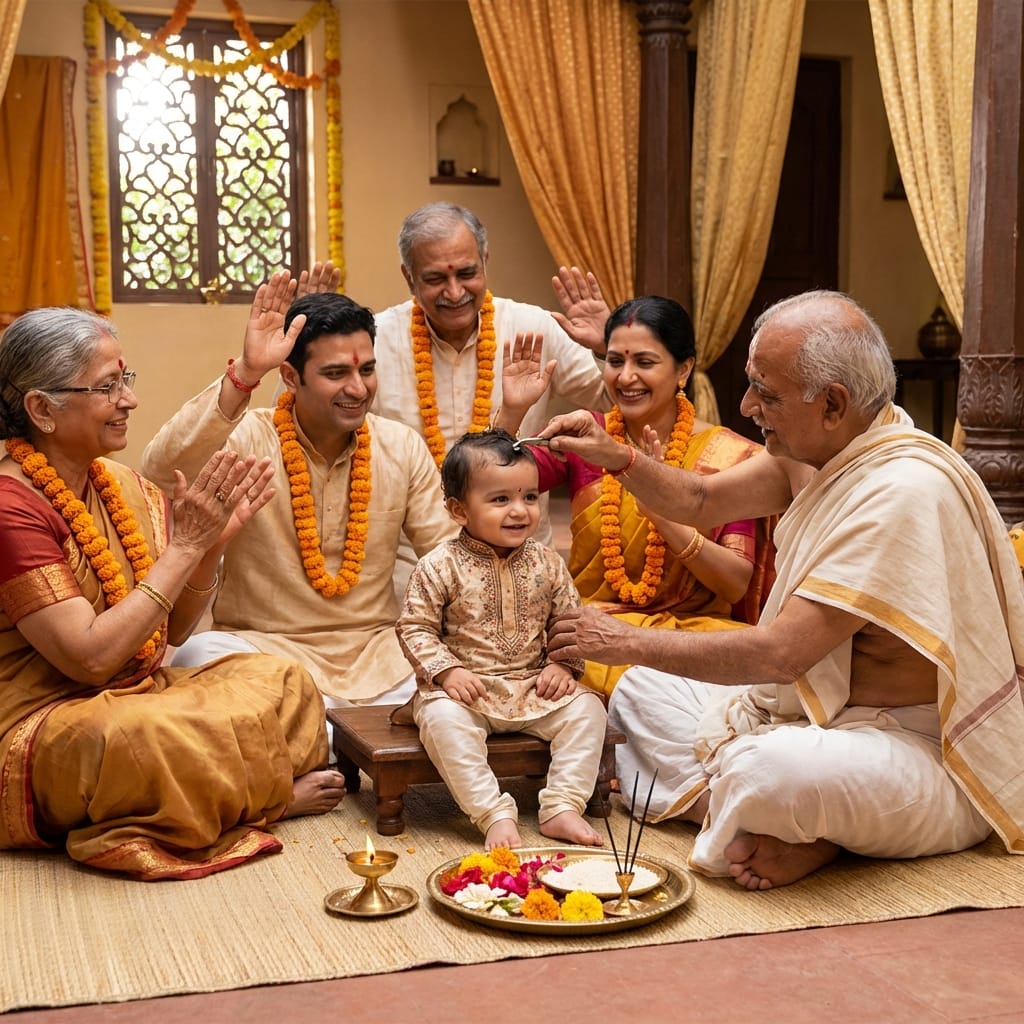
The Annaprashana ceremony is usually performed at home or in a temple in the presence of family members and a priest. The rituals often begin with prayers and offerings to deities seeking blessings for the child.
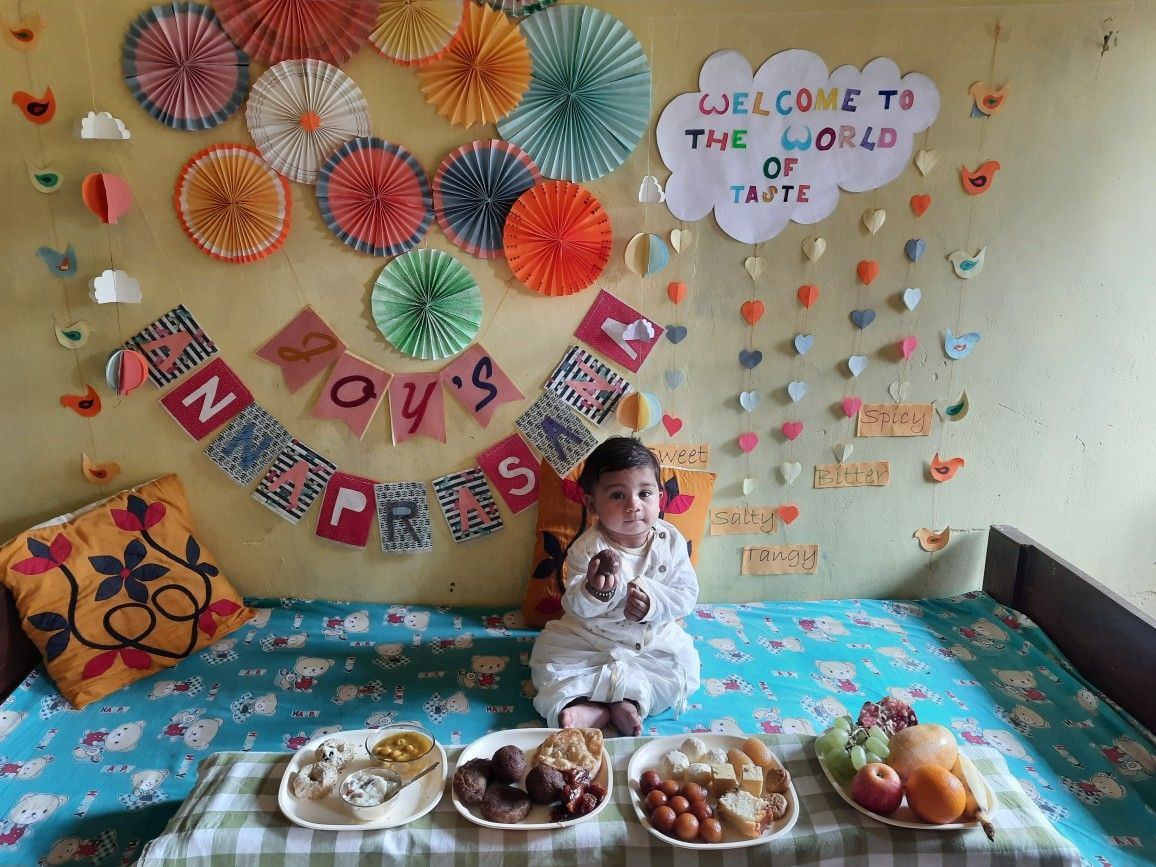
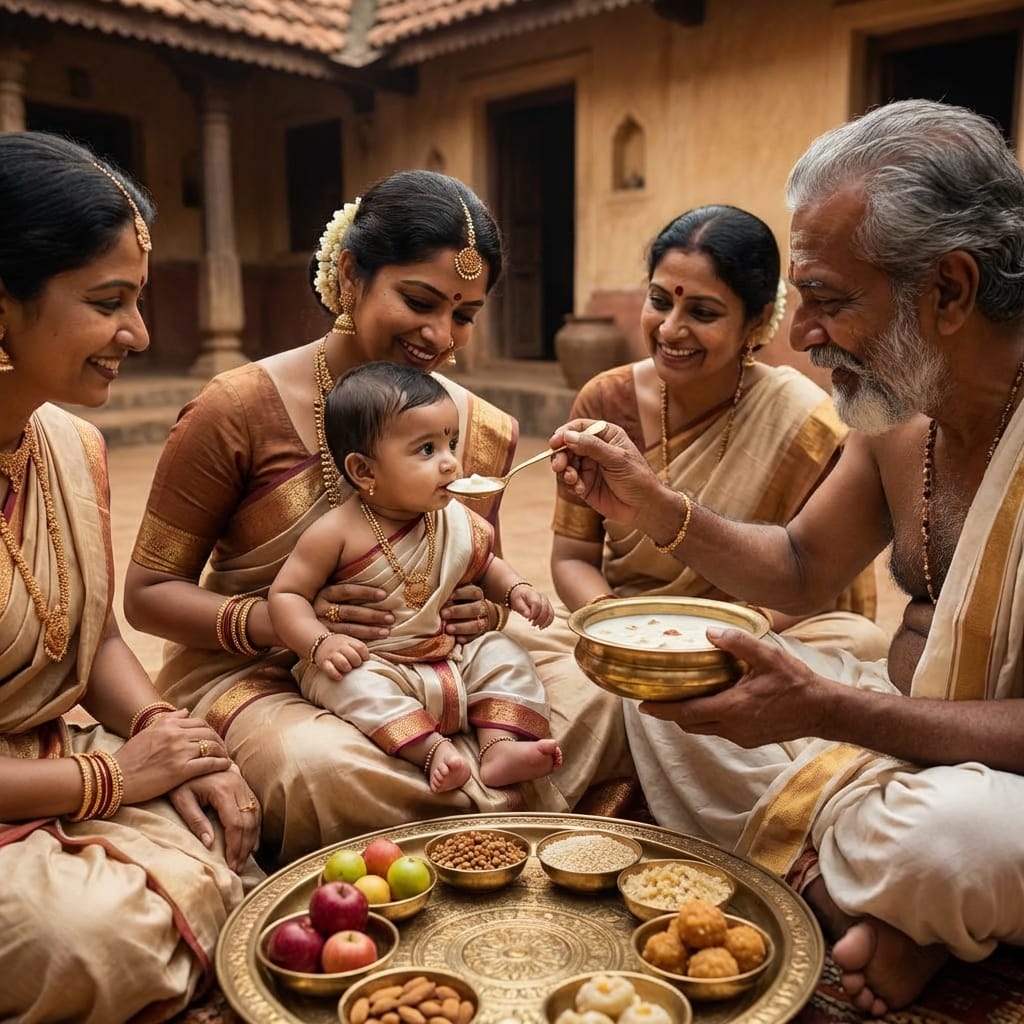
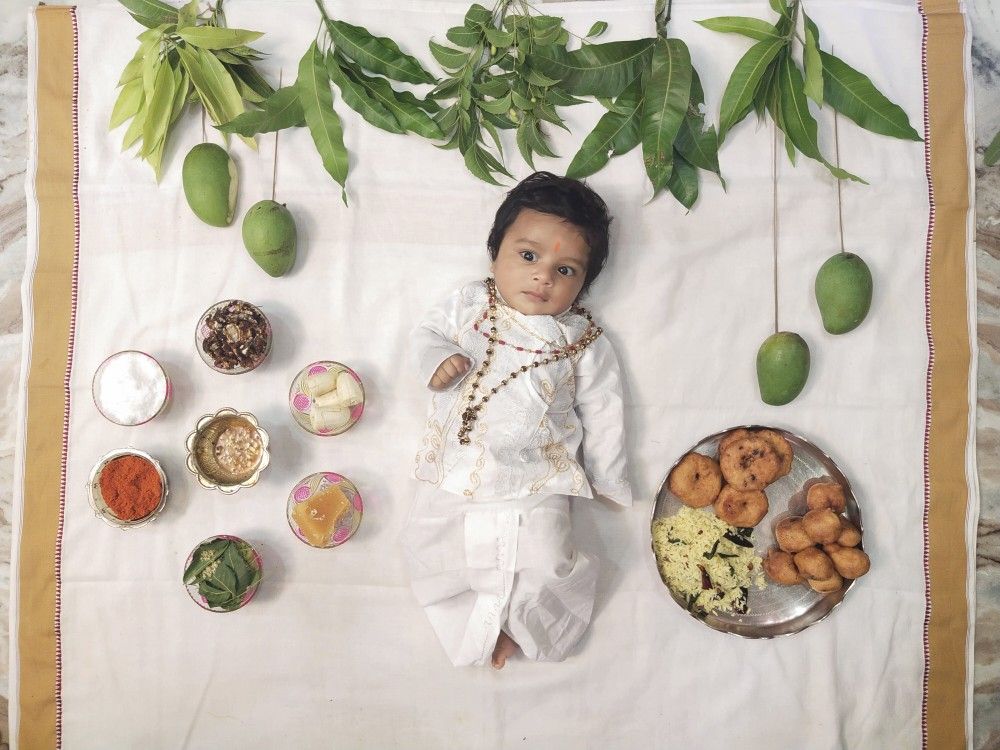
Parents dress the baby in traditional clothes, and a small puja is conducted. During the ceremony, the child is usually seated on the lap of the father or a close elder. The first bite of food is typically sweet rice, kheer, or rice pudding, symbolizing purity and prosperity.
The father or grandfather gently feeds the child a small spoonful of the prepared food. Sometimes other family members also offer symbolic bites while giving blessings and gifts to the child.
In some regions, an interesting cultural activity is included where different objects such as books, money, clay, or tools are placed before the child. The object the child picks is believed to indicate their future interests or profession.
Platforms like Bhaktinama further enhance this journey by making spiritual practices simpler,
accessible, and more meaningful in modern life. Online booking of pandits, temple, पजू ा सामग्री
delivery all just one tap away.
Cultural Significance Across India
The Annaprashana ceremony is celebrated across India with regional variations.
In West Bengal, the ceremony is popularly called “Mukhe Bhaat,” where relatives gather for a grand celebration. In Kerala, it is known as “Choroonu” and is often performed in temples. In Tamil Nadu, it is referred to as “Annaprashanam.”
Despite the regional differences, the core meaning remains the same: welcoming the child into the world of food and nourishment with prayers and blessings.
With Bhaktinama’s modern services like online temple booking, pandit booking, and पजू ा सामग्री
delivery, your spiritual practices become effortless and deeply fulfilling. Stay connected with
Bhaktinama to experience devotion in the most convenient and authentic way.
Spiritual Message of the Ceremony
Annaprashana teaches an important spiritual value — respect for food. In Indian culture, wasting food is discouraged because food is considered a blessing from the divine.
The ceremony reminds parents to provide nutritious food and a loving environment so the child grows strong in body and mind. It also symbolizes gratitude toward nature, farmers, and all those involved in providing food.
The word Annaprashana comes from two Sanskrit words: “Anna” meaning food or grains and “Prashana” meaning feeding. Together, the term signifies the ceremonial feeding of grains to an infant for the first time. The ritual symbolizes nourishment, growth, and the beginning of a child’s physical and spiritual development.
At Bhaktinama, we not only share spiritual knowledge but also make your devotional journey
easier through modern, accessible services like online pandit booking, online temple booking,
ordering puja samagri online.
Meaning and Importance of Annaprashana Sanskar
In ancient Indian culture, food is considered sacred and is often referred to as “Anna Brahma,” meaning food itself is divine. The Annaprashana ceremony introduces the child to solid food while seeking divine blessings for good health, prosperity, and a long life.
According to Hindu traditions, a child survives the first few months primarily on the mother’s milk. As the child grows, the body requires additional nourishment. Annaprashana marks this transition and celebrates the child’s readiness to begin eating grains and other foods.
This ceremony is not only about feeding the child but also about acknowledging the importance of food in sustaining life. Elders and family members gather to bless the child so that the food they eat throughout life brings strength, wisdom, and happiness.
At Bhaktinama, these rituals are made easy with our online booking services, which include
pandit booking, temple booking, ordering ingredients, and guidance for performing any ritual all
at your fingertips.
When is Annaprashana Sanskar Performed?
Traditionally, Annaprashana is performed when the baby is around six months old. However, the exact timing may vary depending on family traditions and astrological considerations.
In many families, a priest consults the child’s horoscope to choose an auspicious day. Boys are usually introduced to solid food in the sixth month, while girls may have the ceremony in the fifth or seventh month.
Choosing the right day is believed to ensure that the child receives positive energies and blessings for a healthy life.
Bhaktinama Services: Making Your Vrat Easy and Divine
In today’s fast-paced life, maintaining traditional rituals can be challenging. Bhaktinama bridges
this gap by combining devotion with convenience, ensuring that your Kamada Ekadashi
observance becomes smooth and stress-free.
● Online Temple Booking: Devotees can book darshan or special पजू ा at renowned
temples from the comfort of their home, ensuring participation even when travel is not
possible.
● Online Pandit Booking: Arrange experienced and verified pandits for Ekadashi पजू ा,
vrat katha, and rituals at your home with ease and authenticity.
● Puja Samagri (Ingredients) Ordering: Get all essential पजू ा items—like incense, diya,
fruits, and sacred सामग्री—delivered to your doorstep without hassle.
● Personalized Ritual Guidance: Step-by-step assistance and guidance help even
beginners perform Kamada Ekadashi vrat correctly.
With Bhaktinama, devotion is no longer limited by time, distance, or availability—it becomes
accessible to everyone.
Rituals and Procedure of Annaprashana
The Annaprashana ceremony is usually performed at home or in a temple in the presence of family members and a priest. The rituals often begin with prayers and offerings to deities seeking blessings for the child.
Parents dress the baby in traditional clothes, and a small puja is conducted. During the ceremony, the child is usually seated on the lap of the father or a close elder. The first bite of food is typically sweet rice, kheer, or rice pudding, symbolizing purity and prosperity.
The father or grandfather gently feeds the child a small spoonful of the prepared food. Sometimes other family members also offer symbolic bites while giving blessings and gifts to the child.
In some regions, an interesting cultural activity is included where different objects such as books, money, clay, or tools are placed before the child. The object the child picks is believed to indicate their future interests or profession.
Platforms like Bhaktinama further enhance this journey by making spiritual practices simpler,
accessible, and more meaningful in modern life. Online booking of pandits, temple, पजू ा सामग्री
delivery all just one tap away.
Cultural Significance Across India
The Annaprashana ceremony is celebrated across India with regional variations.
In West Bengal, the ceremony is popularly called “Mukhe Bhaat,” where relatives gather for a grand celebration. In Kerala, it is known as “Choroonu” and is often performed in temples. In Tamil Nadu, it is referred to as “Annaprashanam.”
Despite the regional differences, the core meaning remains the same: welcoming the child into the world of food and nourishment with prayers and blessings.
With Bhaktinama’s modern services like online temple booking, pandit booking, and पजू ा सामग्री
delivery, your spiritual practices become effortless and deeply fulfilling. Stay connected with
Bhaktinama to experience devotion in the most convenient and authentic way.
Spiritual Message of the Ceremony
Annaprashana teaches an important spiritual value — respect for food. In Indian culture, wasting food is discouraged because food is considered a blessing from the divine.
The ceremony reminds parents to provide nutritious food and a loving environment so the child grows strong in body and mind. It also symbolizes gratitude toward nature, farmers, and all those involved in providing food.