Shraddh Hawan
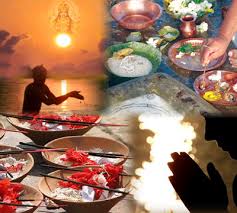
Shraddh Hawan is a sacred Vedic fire ritual performed to honor ancestors (Pitras) and seek their blessings for peace, prosperity, and harmony in the family. It helps remove Pitra Dosha, brings ancestral satisfaction, and supports generational well-being.
2,000+ devotees have booked this service online
Overview
In Hindu tradition, ancestors are regarded as silent guardians of family lineage. Shraddh Hawan is performed to express gratitude, fulfill ancestral obligations, and restore balance when Pitras are displeased or unsettled. This ritual is especially recommended during Pitru Paksha, death anniversaries, or when repeated obstacles, health issues, or family disturbances indicate ancestral imbalance.
Shraddh Hawan holds profound spiritual and cultural importance in Sanatan Dharma, as it establishes a sacred connection between the living and their ancestors. According to Vedic belief, when Pitras are content, they bless the family with peace, stability, health, and prosperity. However, when ancestral duties are neglected or karmic imbalances remain unresolved, it may result in recurring obstacles, delays in marriage, financial instability, health concerns, or unexplained hardships across generations. Bhaktinama offers Shraddh Hawan as a complete, respectful, and scripturally accurate service, performed by experienced Vedic Pandits. The ritual begins with Sankalp, where the devotee takes a vow to honor ancestors by name, lineage, and intention. This is followed by Pitra Tarpan, Pind Daan (symbolic), and Vedic mantra chanting, invoking peace and liberation for departed souls. The core of the ritual is the Pitra Shanti Havan, where offerings of ghee, sesame seeds (til), barley, kusa grass, and sacred samagri are made into the fire while chanting Pitru Sukta and related mantras. The fire acts as a divine medium, carrying offerings to ancestors and higher realms. This process is believed to cleanse ancestral karmas and restore harmony within the family lineage. Bhaktinama ensures that all rituals are performed with humility, purity, and devotion, whether at home, temple, or sacred riverbank locations. The ceremony concludes with Brahmin Bhojan or symbolic daan, Aarti, and Ashirwad, reinforcing gratitude and fulfillment of ancestral duties. Through Shraddh Hawan, families experience emotional relief, spiritual satisfaction, and renewed balance in life.
Visiting Information
- Timing: Temple, Pandits Or Gaya, Prayagraj, Haridwar
- Best Time to Visit: Navratri (Chaitra & Ashwin months)
Facilities & Amenities
- • Parking: On-site for two-wheelers & four-wheeler
- • Accessibility: Wheelchair accessible parking and entrance