Maha Shivratri
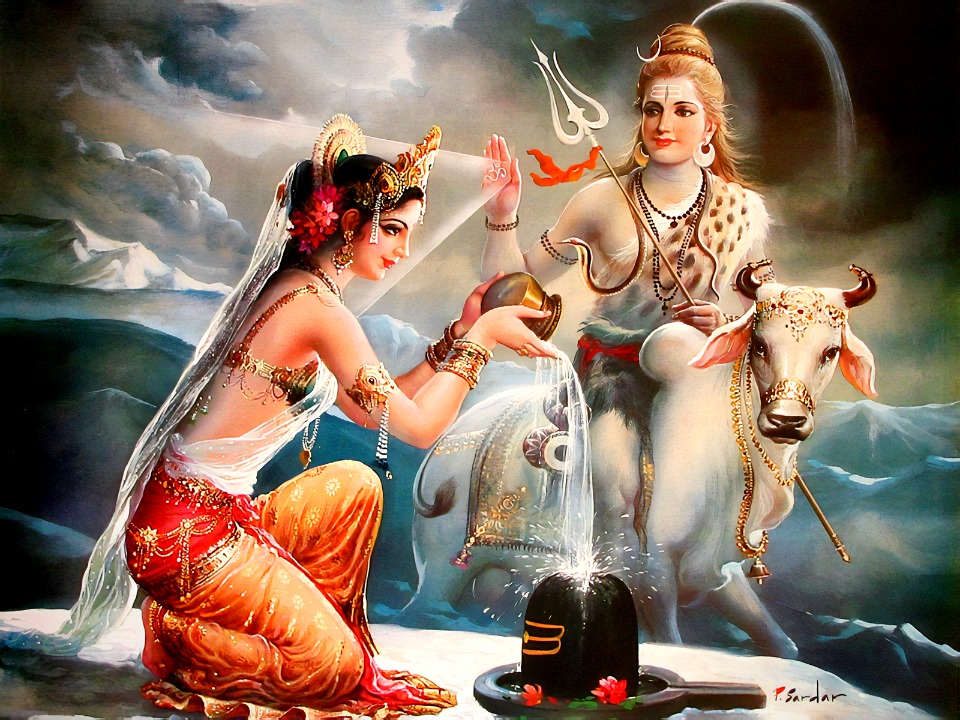
Maha Shivratri is one of the most sacred festivals dedicated to Lord Shiva, observed with fasting, night-long worship, abhishek, and mantra chanting. It symbolizes spiritual awakening, inner purification, and devotion, commemorating Lord Shiva’s cosmic role as the transformer and the union of Shiva and Shakti.
2,000+ devotees have booked this service online
Overview
Maha Shivratri is an auspicious Hindu festival devoted to Lord Shiva, marked by deep devotion, austerity, and sacred rituals performed to seek divine grace, spiritual growth, and liberation from negativity.
Maha Shivratri, meaning “The Great Night of Shiva,” is a spiritually profound festival celebrated by millions of devotees across India and the world. Unlike other festivals associated with festivities and celebration, Maha Shivratri is marked by introspection, discipline, fasting, and continuous worship, reflecting its deep spiritual essence. It is believed to be the night when Lord Shiva performs the cosmic dance of creation, preservation, and destruction, and also the night when Shiva and Shakti unite, symbolizing balance between consciousness and energy. On Maha Shivratri, devotees wake up early, observe fasting, and dedicate the day and night to the worship of Lord Shiva. The central ritual of the day is the Shivling Abhishek, performed with sacred offerings such as water, milk, curd, honey, ghee, and bilva leaves, each symbolizing purification, nourishment, devotion, and surrender. These offerings, combined with the chanting of “Om Namah Shivaya” and other Shiva mantras, are believed to cleanse past karmas and elevate spiritual awareness. A unique aspect of Maha Shivratri is Jagran, the practice of staying awake throughout the night in prayer and meditation. This night-long vigil signifies overcoming ignorance and darkness through awareness and devotion. Devotees believe that sincere worship performed during the four praharas (phases of the night) brings immense spiritual merit and divine blessings. Temples resonate with mantras, bells, and hymns, creating an atmosphere charged with devotion and divine presence. Maha Shivratri is also closely associated with renunciation and inner transformation. Lord Shiva, known as the Adiyogi, represents detachment from material desires and mastery over mind and senses. Observing fast and practicing self-restraint on this day is believed to help devotees control negative tendencies, strengthen willpower, and cultivate humility. The festival encourages individuals to turn inward, reflect on their actions, and align themselves with dharma. Beyond individual worship, Maha Shivratri has strong social and cultural dimensions. Families, communities, and temples come together to perform collective pujas, bhajans, abhisheks, and hawan, reinforcing shared faith and spiritual unity. For many, performing rituals on Maha Shivratri is also an expression of gratitude and surrender, seeking Lord Shiva’s guidance for health, stability, and liberation from life’s recurring struggles. Maha Shivratri thus stands as a reminder that true transformation comes through discipline, devotion, and awareness. It inspires devotees to rise above ego, fear, and ignorance, and to experience inner stillness and divine connection through sincere worship.
Visiting Information
- Timing: Temple(optional)
- Best Time to Visit: Navratri (Chaitra & Ashwin months)
Facilities & Amenities
- • Parking: On-site for two-wheelers & four-wheeler
- • Accessibility: Wheelchair accessible parking and entrance