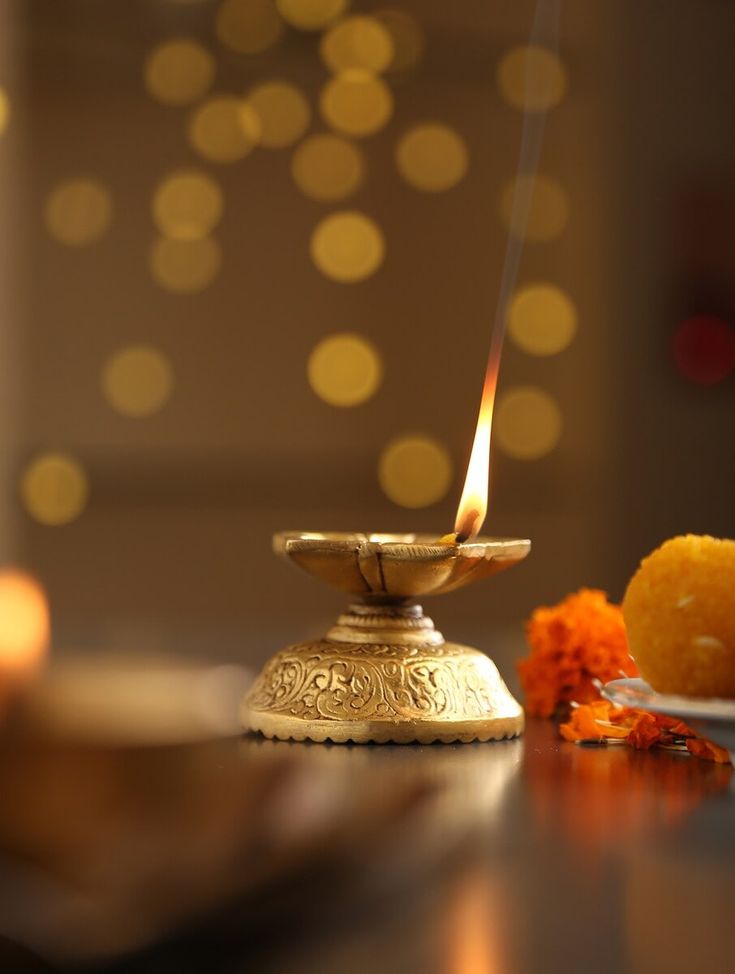
Deepak Seva (lamp lighting)
Deepak Seva is the sacred act of lighting a lamp before the deity, symbolizing the victory of light over darkness and knowledge over ignorance. Performed with devotion and correct rituals, this seva invites peace, protection, and divine grace into one’s life, often guided today by trusted devotional services rooted in tradition.
2,000+ devotees have booked this service online
Overview
Deepak Seva holds a revered place in Hindu worship and is performed daily in homes and temples. The gentle glow of the lamp represents divine consciousness and the removal of negativity from the surroundings. Whether done in the morning, evening, or during special occasions, this simple yet powerful ritual helps devotees remain spiritually connected, especially when supported by structured ritual guidance that ensures purity and authenticity.
Deepak Seva, also known as lamp lighting, is one of the most fundamental and spiritually potent acts of worship. Traditionally performed using a ghee or oil lamp, the lighting of the deepak signifies awakening of inner wisdom and the presence of the Divine. It is commonly accompanied by mantra chanting, bell ringing, and offering of prayers. In the morning, Deepak Seva invokes clarity, positivity, and protection for the day ahead. In the evening, it marks the transition from worldly activities to spiritual reflection, bringing calm and harmony to the household. The lamp is placed before the deity, tulsi plant, or sacred space, and devotees meditate briefly, surrendering worries and seeking blessings. Different oils and wicks carry symbolic meaning—ghee for purity, sesame oil for protection, and cotton wicks for simplicity. In today’s times, many devotees perform Deepak Seva with the help of organized devotional platforms that assist with authentic samagri, correct timings, and traditional procedures, making this sacred practice accessible even in busy modern lives.
Visiting Information
- Timing: Temple(optional)
- Best Time to Visit: Navratri (Chaitra & Ashwin months)
Facilities & Amenities
- • Parking: On-site for two-wheelers & four-wheeler
- • Accessibility: Wheelchair accessible parking and entrance