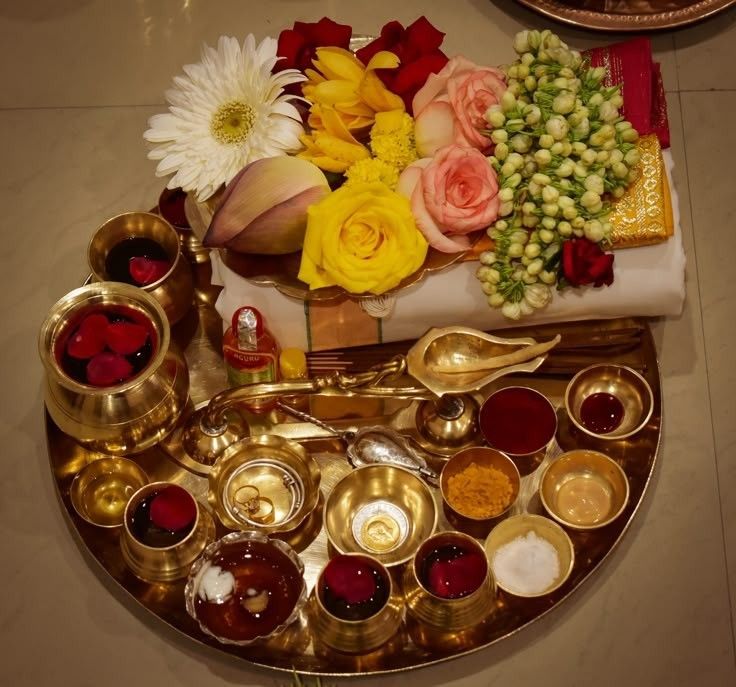
Morning & Evening Puja
Morning & Evening Puja is a daily devotional practice that aligns one’s life with divine energy—from seeking blessings at dawn to expressing gratitude at dusk. Performed with proper rituals and mantras, it brings balance, peace, and spiritual discipline into everyday life, often supported today by trusted devotional services rooted in tradition.
2,000+ devotees have booked this service online
Overview
Morning and Evening Puja form the foundation of Hindu spiritual living. The morning puja invokes positivity, clarity, and divine protection for the day ahead, while the evening puja offers thanksgiving, reflection, and calm after the day’s activities. Together, they create a sacred rhythm that keeps the devotee connected to the Divine. In modern times, many households follow this practice with guidance from experienced ritual facilitators who ensure authenticity, purity, and correct observance.
Morning & Evening Puja is a time-honored ritual observed in homes and temples across generations. The morning puja, usually performed during Brahma Muhurta or early sunrise, includes purification, lighting of the lamp, offering of flowers, incense, Naivedya, and chanting of mantras to invoke divine grace for health, success, and protection. The evening puja, performed at sunset or dusk, marks the transition from activity to rest. Lighting the diya during this time symbolizes the removal of darkness and ignorance, both external and internal. Devotees offer prayers, gratitude, and surrender the outcomes of the day to the Divine, seeking peace and guidance. Different deities may be worshipped according to family tradition, while the essence remains the same—discipline, devotion, and faith. Today, many devotees prefer to perform these daily rituals with structured guidance, authentic samagri, and learned priest support made accessible through dedicated devotional platforms that bridge tradition with modern life.
Visiting Information
- Timing: Temple(optional)
- Best Time to Visit: Navratri (Chaitra & Ashwin months)
Facilities & Amenities
- • Parking: On-site for two-wheelers & four-wheeler
- • Accessibility: Wheelchair accessible parking and entrance