November 13, 2025
Temple Mandir
5 min read
Vishalakshi Temple Varanasi: History, Shakti Peeth Significance & Spiritual Importance
Discover Vishalakshi Temple in Varanasi, one of the sacred Shakti Peethas dedicated to Goddess Shakti. Explore its mythology, spiritual significance, rituals, festivals, connection with Kashi Vishwanath, and divine feminine energy with Bhaktinama.
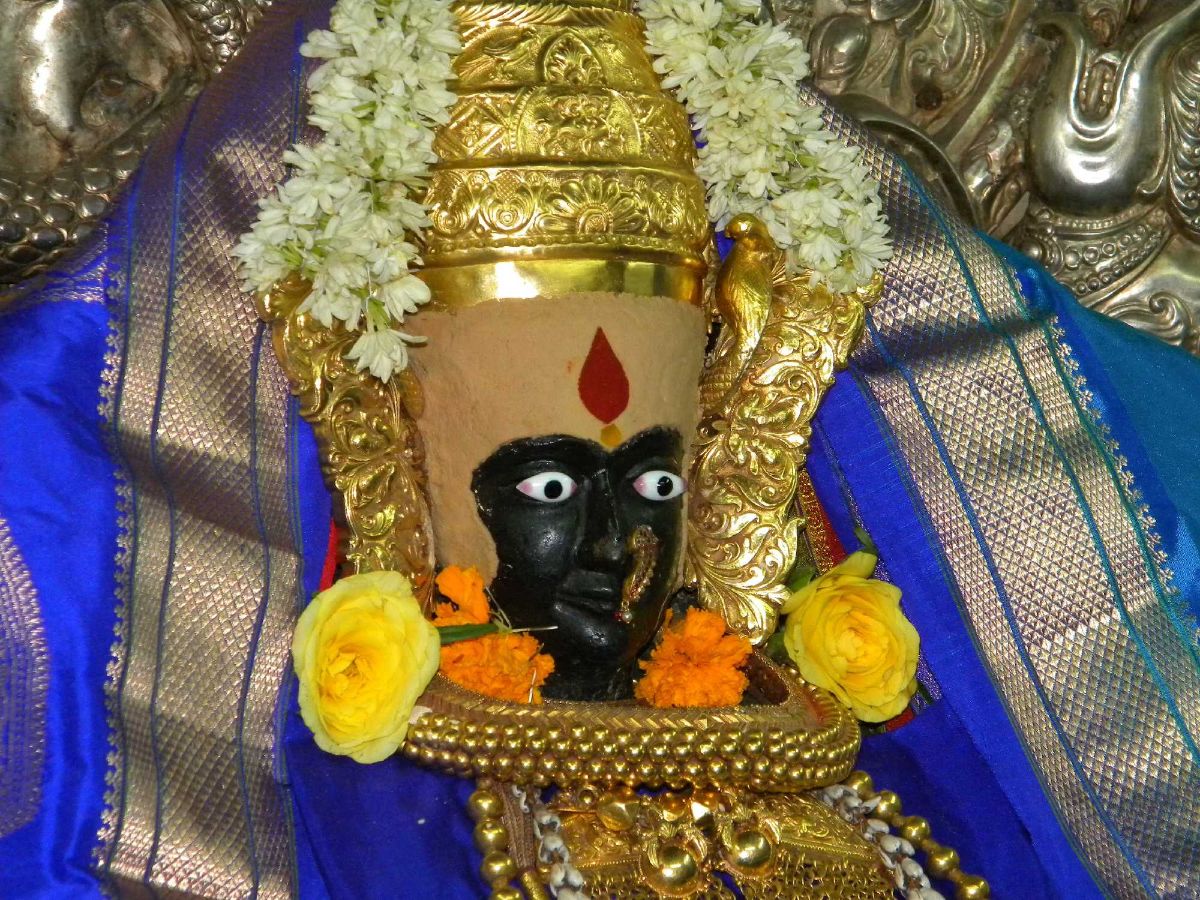
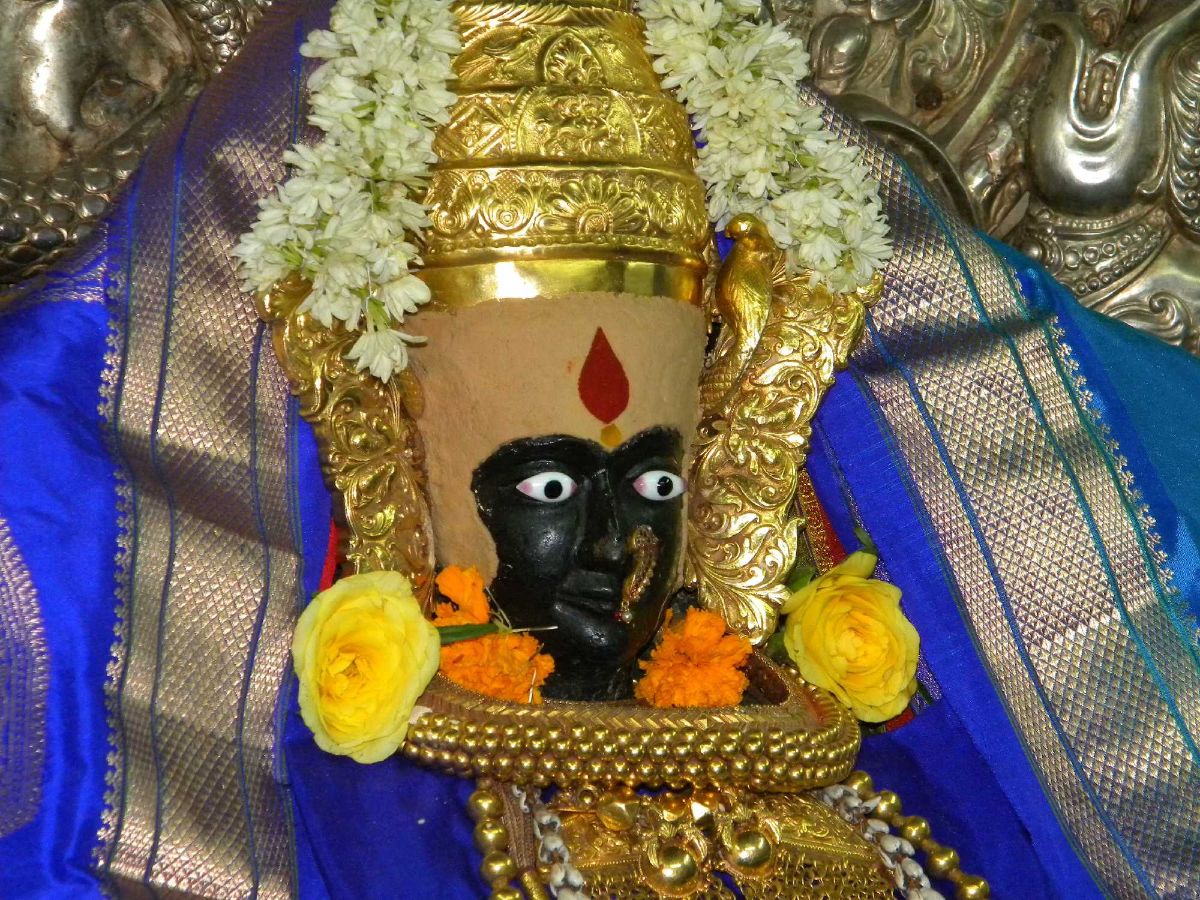
Nestled in the spiritual heart of Varanasi, the sacred Vishalakshi Temple stands as one of the most revered Shakti Peethas dedicated to Goddess Shakti. The name Vishalakshi means “the one with wide eyes,” symbolizing divine vision, compassion, wisdom, and cosmic awareness.
This ancient temple is not merely a place of worship but a living center of feminine divine energy where devotion, spirituality, and liberation unite. Devotees believe that Goddess Vishalakshi blesses her followers with protection, wisdom, prosperity, and moksha, making the temple one of the most spiritually significant destinations in Kashi.
Bhaktinama helps devotees explore sacred temples, Shakti Peethas, and authentic Hindu rituals while connecting them with experienced pandits for puja, hawan, and spiritual services.
Mythological Significance — The Story of the Shakti Peetha
The origin of the Shakti Peethas is deeply connected to the story of Goddess Sati described in ancient Hindu scriptures.
When Sati, the first consort of Lord Shiva, immolated herself after being insulted at her father Daksha’s Yajna, Lord Shiva was overwhelmed with grief and carried her body across the universe while performing the cosmic Tandava.
To restore balance to creation, Lord Vishnu used his Sudarshan Chakra to divide Sati’s body into multiple parts. Wherever these sacred body parts fell, powerful Shakti Peethas emerged.
It is believed that Sati’s earrings or eyes fell at the location where Vishalakshi Temple now stands, giving rise to the name Vishalakshi — “the wide-eyed Goddess.”
This sacred temple represents the nurturing and all-seeing form of the Divine Mother who guides devotees toward wisdom, clarity, and spiritual awakening.
The Divine Connection Between Vishalakshi, Kamakshi, and Meenakshi
Goddess Vishalakshi is revered as one of the Trishakti Peethas, forming a sacred spiritual triangle with:
Meenakshi Amman Temple — symbolizing compassion and divine grace
Kamakshi Amman Temple — representing love and spiritual desire
Vishalakshi Temple — embodying wisdom, vision, and spiritual awareness
Devotees believe that worshipping these three divine forms grants spiritual fulfillment through love, wisdom, and liberation.
Bhaktinama allows spiritual seekers to learn about important temples and sacred traditions connected with Devi worship across India.
Architectural Beauty and Spiritual Atmosphere
Located near the sacred ghats of Varanasi, the temple radiates simplicity and divine power. Though smaller compared to many grand temples of Kashi, its spiritual energy is considered immensely powerful.
The sanctum houses Goddess Vishalakshi adorned with red sarees, flowers, ornaments, and sindoor, representing the nurturing and protective form of Shakti.
The sound of bells, Vedic mantras, and devotional chants creates an atmosphere filled with peace and spiritual vibration. Pilgrims often describe the temple as a place where divine presence can truly be felt.
Rituals and Festivals
Navratri Celebrations
Navratri is one of the most important festivals celebrated at the temple. During these nine sacred nights, devotees perform special pujas, bhajans, hawan ceremonies, and Devi worship.
Women especially offer bangles, red sarees, coconuts, and sindoor seeking blessings for prosperity, family well-being, and marital harmony.
Shravan Month Worship
During the holy month of Shravan, devotees worship both Shiva and Shakti together, strengthening the spiritual connection between the divine masculine and feminine energies.
Daily Worship and Aarti
Morning and evening aarti ceremonies fill the temple with sacred chants and spiritual energy. The fragrance of flowers, incense, and sandalwood enhances the meditative atmosphere.
Through Bhaktinama, devotees can book experienced pandits for Devi puja, Navratri rituals, Durga Saptashati Path, and other sacred Hindu ceremonies.
Spiritual Connection with Vishwanath and Annapurna
The Vishalakshi Temple shares a deep spiritual connection with:
Kashi Vishwanath Temple — Lord Shiva, the giver of liberation
Annapurna Devi Temple — Goddess Annapurna, the giver of nourishment
Together, these temples represent the spiritual Trinity of Kashi:
Vishwanath — liberation
Annapurna — nourishment
Vishalakshi — divine vision and wisdom
Pilgrims believe that a visit to Kashi remains incomplete without seeking blessings from all three sacred shrines.
Symbolism of the All-Seeing Goddess
The wide eyes of Goddess Vishalakshi symbolize divine awareness and spiritual insight.
Her eyes represent:
Compassion toward all beings
Protection from suffering and negativity
The ability to see beyond illusion and ignorance
Spiritual clarity and higher consciousness
In spiritual philosophy, Vishalakshi Devi is considered the eternal witness who understands not only actions but also emotions, intentions, and inner struggles.
Spiritual Experience for Devotees
Devotees often describe their visit to Vishalakshi Temple as deeply emotional and spiritually transformative.
The ancient chants, sacred diyas, fragrance of sandalwood, and the nearby flow of Mother Ganga together create a timeless spiritual atmosphere.
Many pilgrims feel a deep sense of comfort and protection upon entering the sanctum, as though the Divine Mother herself is watching over them with compassion and grace.
Bhaktinama encourages devotees to reconnect with ancient spiritual traditions through authentic temple rituals, sacred journeys, and personalized puja services.
Modern Relevance of Vishalakshi Devi
In today’s fast-moving world filled with stress and confusion, Goddess Vishalakshi symbolizes inner clarity, peace, and emotional balance.
Her teachings remind devotees to:
View life with awareness and compassion
Balance material life with spirituality
Develop wisdom beyond illusion
Stay connected with divine consciousness
As more people seek spiritual grounding, the temple continues to inspire seekers from across India and the world.
Conclusion
Vishalakshi Temple is not just a sacred temple — it is a timeless symbol of divine motherhood, wisdom, and cosmic energy.
The temple beautifully unites the energies of Shiva and Shakti, devotion and liberation, spirituality and inner transformation.
Every devotee who bows before Goddess Vishalakshi receives not only blessings but also a reminder that the Divine Mother always watches, protects, and guides her children through every phase of life.
This ancient temple is not merely a place of worship but a living center of feminine divine energy where devotion, spirituality, and liberation unite. Devotees believe that Goddess Vishalakshi blesses her followers with protection, wisdom, prosperity, and moksha, making the temple one of the most spiritually significant destinations in Kashi.
Bhaktinama helps devotees explore sacred temples, Shakti Peethas, and authentic Hindu rituals while connecting them with experienced pandits for puja, hawan, and spiritual services.
Mythological Significance — The Story of the Shakti Peetha
The origin of the Shakti Peethas is deeply connected to the story of Goddess Sati described in ancient Hindu scriptures.
When Sati, the first consort of Lord Shiva, immolated herself after being insulted at her father Daksha’s Yajna, Lord Shiva was overwhelmed with grief and carried her body across the universe while performing the cosmic Tandava.
To restore balance to creation, Lord Vishnu used his Sudarshan Chakra to divide Sati’s body into multiple parts. Wherever these sacred body parts fell, powerful Shakti Peethas emerged.
It is believed that Sati’s earrings or eyes fell at the location where Vishalakshi Temple now stands, giving rise to the name Vishalakshi — “the wide-eyed Goddess.”
This sacred temple represents the nurturing and all-seeing form of the Divine Mother who guides devotees toward wisdom, clarity, and spiritual awakening.
The Divine Connection Between Vishalakshi, Kamakshi, and Meenakshi
Goddess Vishalakshi is revered as one of the Trishakti Peethas, forming a sacred spiritual triangle with:
Meenakshi Amman Temple — symbolizing compassion and divine grace
Kamakshi Amman Temple — representing love and spiritual desire
Vishalakshi Temple — embodying wisdom, vision, and spiritual awareness
Devotees believe that worshipping these three divine forms grants spiritual fulfillment through love, wisdom, and liberation.
Bhaktinama allows spiritual seekers to learn about important temples and sacred traditions connected with Devi worship across India.
Architectural Beauty and Spiritual Atmosphere
Located near the sacred ghats of Varanasi, the temple radiates simplicity and divine power. Though smaller compared to many grand temples of Kashi, its spiritual energy is considered immensely powerful.
The sanctum houses Goddess Vishalakshi adorned with red sarees, flowers, ornaments, and sindoor, representing the nurturing and protective form of Shakti.
The sound of bells, Vedic mantras, and devotional chants creates an atmosphere filled with peace and spiritual vibration. Pilgrims often describe the temple as a place where divine presence can truly be felt.
Rituals and Festivals
Navratri Celebrations
Navratri is one of the most important festivals celebrated at the temple. During these nine sacred nights, devotees perform special pujas, bhajans, hawan ceremonies, and Devi worship.
Women especially offer bangles, red sarees, coconuts, and sindoor seeking blessings for prosperity, family well-being, and marital harmony.
Shravan Month Worship
During the holy month of Shravan, devotees worship both Shiva and Shakti together, strengthening the spiritual connection between the divine masculine and feminine energies.
Daily Worship and Aarti
Morning and evening aarti ceremonies fill the temple with sacred chants and spiritual energy. The fragrance of flowers, incense, and sandalwood enhances the meditative atmosphere.
Through Bhaktinama, devotees can book experienced pandits for Devi puja, Navratri rituals, Durga Saptashati Path, and other sacred Hindu ceremonies.
Spiritual Connection with Vishwanath and Annapurna
The Vishalakshi Temple shares a deep spiritual connection with:
Kashi Vishwanath Temple — Lord Shiva, the giver of liberation
Annapurna Devi Temple — Goddess Annapurna, the giver of nourishment
Together, these temples represent the spiritual Trinity of Kashi:
Vishwanath — liberation
Annapurna — nourishment
Vishalakshi — divine vision and wisdom
Pilgrims believe that a visit to Kashi remains incomplete without seeking blessings from all three sacred shrines.
Symbolism of the All-Seeing Goddess
The wide eyes of Goddess Vishalakshi symbolize divine awareness and spiritual insight.
Her eyes represent:
Compassion toward all beings
Protection from suffering and negativity
The ability to see beyond illusion and ignorance
Spiritual clarity and higher consciousness
In spiritual philosophy, Vishalakshi Devi is considered the eternal witness who understands not only actions but also emotions, intentions, and inner struggles.
Spiritual Experience for Devotees
Devotees often describe their visit to Vishalakshi Temple as deeply emotional and spiritually transformative.
The ancient chants, sacred diyas, fragrance of sandalwood, and the nearby flow of Mother Ganga together create a timeless spiritual atmosphere.
Many pilgrims feel a deep sense of comfort and protection upon entering the sanctum, as though the Divine Mother herself is watching over them with compassion and grace.
Bhaktinama encourages devotees to reconnect with ancient spiritual traditions through authentic temple rituals, sacred journeys, and personalized puja services.
Modern Relevance of Vishalakshi Devi
In today’s fast-moving world filled with stress and confusion, Goddess Vishalakshi symbolizes inner clarity, peace, and emotional balance.
Her teachings remind devotees to:
View life with awareness and compassion
Balance material life with spirituality
Develop wisdom beyond illusion
Stay connected with divine consciousness
As more people seek spiritual grounding, the temple continues to inspire seekers from across India and the world.
Conclusion
Vishalakshi Temple is not just a sacred temple — it is a timeless symbol of divine motherhood, wisdom, and cosmic energy.
The temple beautifully unites the energies of Shiva and Shakti, devotion and liberation, spirituality and inner transformation.
Every devotee who bows before Goddess Vishalakshi receives not only blessings but also a reminder that the Divine Mother always watches, protects, and guides her children through every phase of life.