May 06, 2026
Spirituality
4 min read
Spiritual Tourism: Meaning, Benefits & How Bhaktinama Makes It Easier
Discover the meaning and benefits of spiritual tourism in India. Explore sacred destinations and learn how Bhaktinama simplifies online pandit booking, puja booking, and spiritual travel.
What is Spiritual Tourism?
Spiritual tourism is a meaningful form of travel that focuses on inner peace, self-discovery, and a deeper connection with the divine. Unlike conventional tourism, which is often centered around entertainment and leisure, spiritual tourism is about nurturing the mind, body, and soul. People who engage in spiritual travel seek experiences that bring clarity, calmness, and a sense of purpose in life.
This type of tourism often involves visiting sacred places, participating in religious rituals, practicing meditation or yoga, and immersing oneself in spiritual traditions. It allows individuals to step away from the stress of everyday life and reconnect with their inner selves in a peaceful and sacred environment.
Spiritual Destinations in India
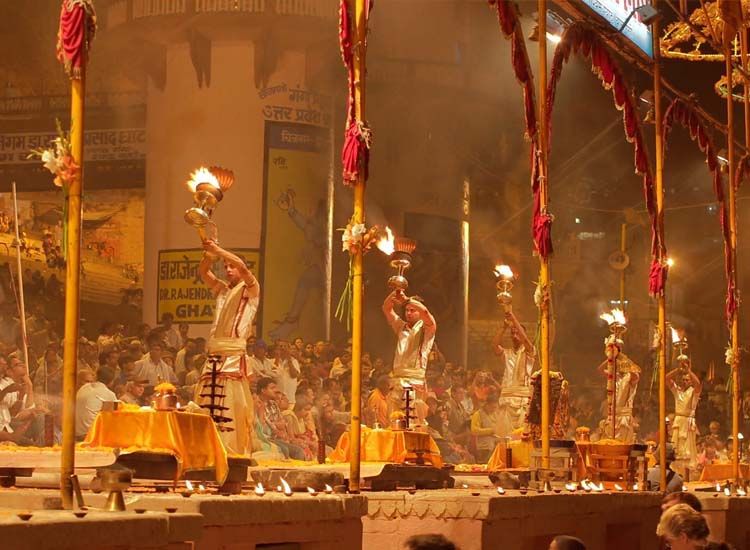
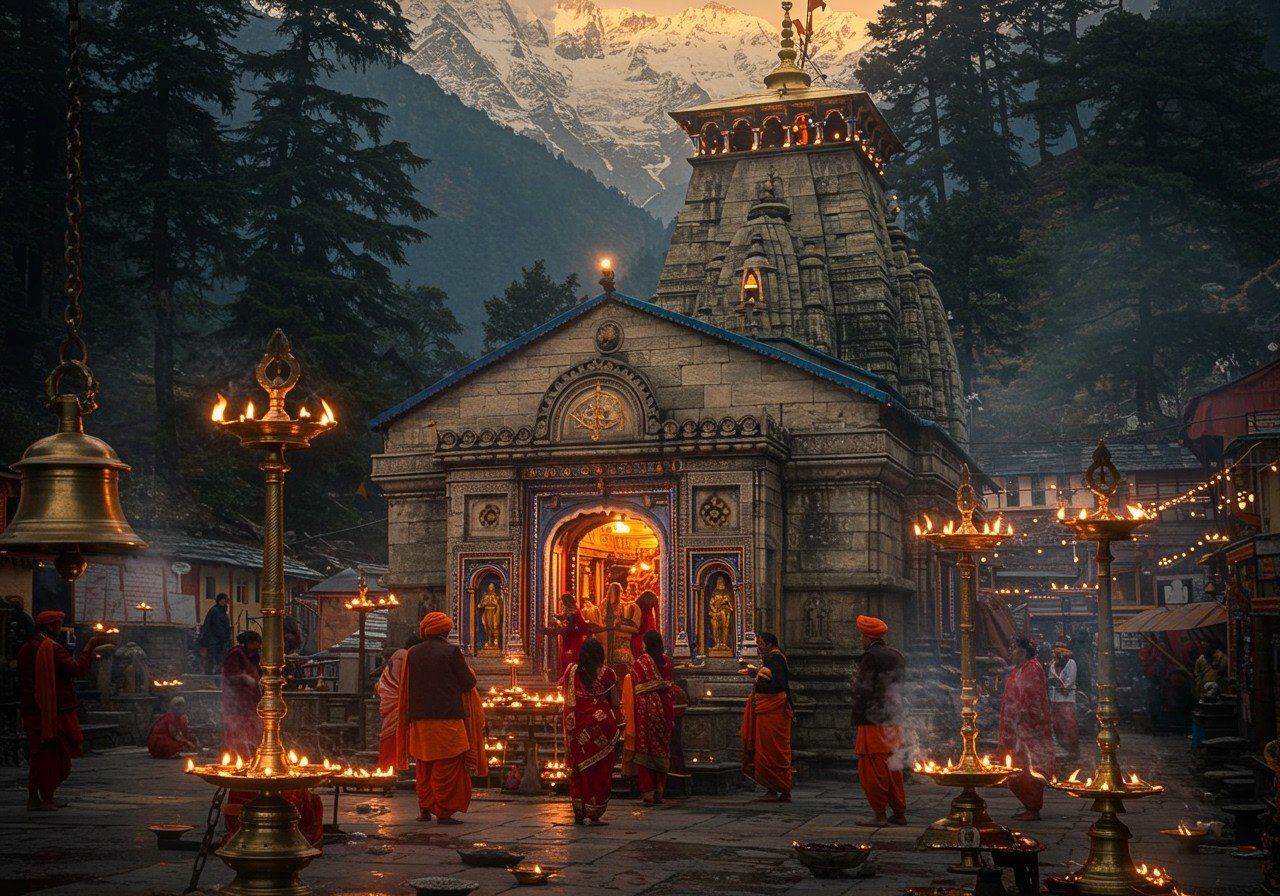
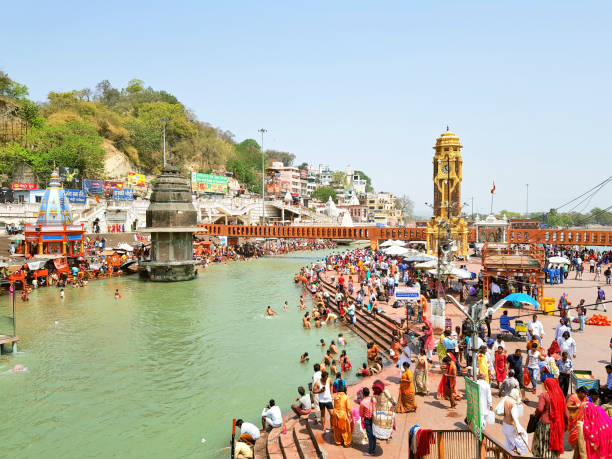
India has long been recognized as a global center for spirituality, attracting millions of travelers each year. Cities like Varanasi offer a deeply spiritual atmosphere where visitors can witness the Ganga Aarti and experience centuries-old traditions. Pilgrims journey to Kedarnath Temple to seek blessings in the Himalayas, while seekers of peace and mindfulness visit Rishikesh, known worldwide for yoga and meditation practices. Similarly, Bodh Gaya holds immense importance as the place where Lord Buddha attained enlightenment, making it a major destination for spiritual reflection.
Benefits of Spiritual Tourism
Spiritual tourism offers more than just a break from routine; it creates a lasting impact on mental and emotional well-being. Traveling to sacred destinations and engaging in spiritual activities can significantly reduce stress and anxiety while bringing a sense of inner calm. It helps individuals understand themselves better, strengthens their faith, and provides clarity in decision-making. The exposure to ancient rituals, traditions, and philosophies also deepens one’s understanding of culture and spirituality, making the journey both enriching and transformative.
Spiritual Experiences and Practices
Spiritual tourism is not limited to visiting temples; it includes a wide range of experiences that contribute to personal growth. Pilgrimages allow devotees to connect deeply with their faith, while meditation and yoga retreats help achieve mental balance and mindfulness. Participating in religious festivals offers a glimpse into cultural devotion, and performing personalized pujas enables individuals to seek blessings for specific aspects of life. Each of these experiences adds a unique dimension to one’s spiritual journey.
Bhaktinama Enhancing Spiritual Tourism
In today’s fast-paced world, managing time for spiritual practices and organizing religious rituals can be challenging. This is where Bhaktinama plays an important role by simplifying access to spiritual services. It bridges the gap between tradition and modern convenience, allowing devotees to stay connected to their faith without logistical difficulties.
Through Bhaktinama, users can easily book experienced pandits for various rituals, participate in pujas conducted at sacred temples from the comfort of their homes, and arrange temple visits without hassle. The platform also ensures that all necessary puja samagri is delivered conveniently, making the entire experience smooth and accessible. This integration of technology with spirituality ensures that even those with busy schedules can engage in meaningful spiritual practices.
Bhaktinama stands out as a reliable and user-friendly platform for spiritual tourism needs. It offers a seamless booking experience, connects users with knowledgeable pandits, and eliminates the uncertainty often associated with organizing religious ceremonies. By saving time and effort, it allows devotees to focus entirely on their spiritual journey. Its accessibility from anywhere in the world makes it especially valuable for people who wish to stay connected to their roots despite geographical distances.
Conclusion
Spiritual tourism is not just about traveling to sacred places; it is a journey inward that helps individuals find peace, purpose, and connection. Whether through temple visits, meditation, or rituals, these experiences have the power to transform lives. With platforms like Bhaktinama, spiritual tourism has become more accessible and convenient, allowing modern individuals to embrace spirituality without compromising their lifestyle.
Spiritual tourism is a meaningful form of travel that focuses on inner peace, self-discovery, and a deeper connection with the divine. Unlike conventional tourism, which is often centered around entertainment and leisure, spiritual tourism is about nurturing the mind, body, and soul. People who engage in spiritual travel seek experiences that bring clarity, calmness, and a sense of purpose in life.
This type of tourism often involves visiting sacred places, participating in religious rituals, practicing meditation or yoga, and immersing oneself in spiritual traditions. It allows individuals to step away from the stress of everyday life and reconnect with their inner selves in a peaceful and sacred environment.
Spiritual Destinations in India
India has long been recognized as a global center for spirituality, attracting millions of travelers each year. Cities like Varanasi offer a deeply spiritual atmosphere where visitors can witness the Ganga Aarti and experience centuries-old traditions. Pilgrims journey to Kedarnath Temple to seek blessings in the Himalayas, while seekers of peace and mindfulness visit Rishikesh, known worldwide for yoga and meditation practices. Similarly, Bodh Gaya holds immense importance as the place where Lord Buddha attained enlightenment, making it a major destination for spiritual reflection.
Benefits of Spiritual Tourism
Spiritual tourism offers more than just a break from routine; it creates a lasting impact on mental and emotional well-being. Traveling to sacred destinations and engaging in spiritual activities can significantly reduce stress and anxiety while bringing a sense of inner calm. It helps individuals understand themselves better, strengthens their faith, and provides clarity in decision-making. The exposure to ancient rituals, traditions, and philosophies also deepens one’s understanding of culture and spirituality, making the journey both enriching and transformative.
Spiritual Experiences and Practices
Spiritual tourism is not limited to visiting temples; it includes a wide range of experiences that contribute to personal growth. Pilgrimages allow devotees to connect deeply with their faith, while meditation and yoga retreats help achieve mental balance and mindfulness. Participating in religious festivals offers a glimpse into cultural devotion, and performing personalized pujas enables individuals to seek blessings for specific aspects of life. Each of these experiences adds a unique dimension to one’s spiritual journey.
Bhaktinama Enhancing Spiritual Tourism
In today’s fast-paced world, managing time for spiritual practices and organizing religious rituals can be challenging. This is where Bhaktinama plays an important role by simplifying access to spiritual services. It bridges the gap between tradition and modern convenience, allowing devotees to stay connected to their faith without logistical difficulties.
Through Bhaktinama, users can easily book experienced pandits for various rituals, participate in pujas conducted at sacred temples from the comfort of their homes, and arrange temple visits without hassle. The platform also ensures that all necessary puja samagri is delivered conveniently, making the entire experience smooth and accessible. This integration of technology with spirituality ensures that even those with busy schedules can engage in meaningful spiritual practices.
Bhaktinama stands out as a reliable and user-friendly platform for spiritual tourism needs. It offers a seamless booking experience, connects users with knowledgeable pandits, and eliminates the uncertainty often associated with organizing religious ceremonies. By saving time and effort, it allows devotees to focus entirely on their spiritual journey. Its accessibility from anywhere in the world makes it especially valuable for people who wish to stay connected to their roots despite geographical distances.
Conclusion
Spiritual tourism is not just about traveling to sacred places; it is a journey inward that helps individuals find peace, purpose, and connection. Whether through temple visits, meditation, or rituals, these experiences have the power to transform lives. With platforms like Bhaktinama, spiritual tourism has become more accessible and convenient, allowing modern individuals to embrace spirituality without compromising their lifestyle.