December 04, 2025
Ritualistic Worship
6 min read
Margashirsha Purnima
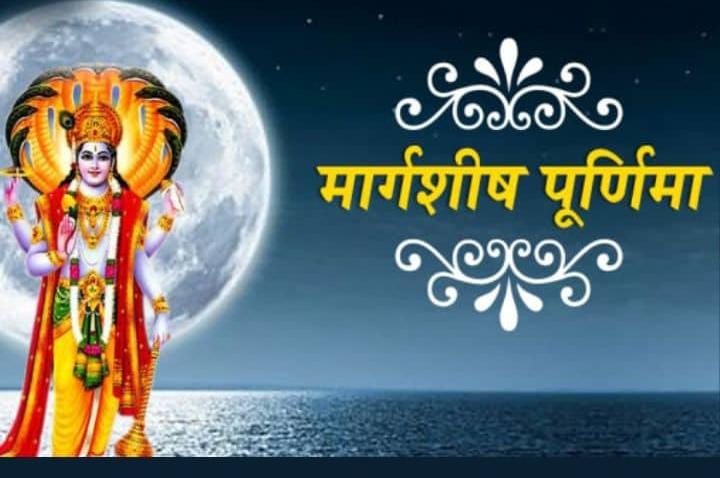
Margashirsha Purnima is one of the most sacred full moons in Hindu tradition. Rooted in Vedic rituals, Krishna’s declaration in the Bhagavad Gita, and ancient worship of Vishnu and Lakshmi, this auspicious day symbolizes purity, prosperity, and spiritual awakening. From holy river baths and Satyanarayan Puja to charity, moon worship, and regional celebrations like Dattatreya Jayanti, Margashirsha Purnima offers devotees a powerful opportunity to cleanse karma, gain divine blessings, and elevate their inner consciousness.
Hindu culture places great emphasis on the cycle of the moon, and among the many full moon days observed throughout the year, Margashirsha Purnima holds a distinct and revered place. Falling in the month of Margashirsha (November–December), this Purnima is celebrated with devotion, sacred baths, fasting, charity, and worship of Lord Vishnu and Goddess Lakshmi. Known for its deep spiritual value, Margashirsha Purnima marks the culmination of the holy month praised in scriptures for purity, divine blessings, and sattvic energy.
The day also holds agricultural, seasonal, and symbolic importance, marking the onset of the cold winter season and the final transition from autumn to harsh winter. Over thousands of years, this full moon has accumulated layers of spiritual practices, rituals, and traditions that continue to be observed across India.
Origin of Margashirsha Purnima
The roots of Margashirsha Purnima are found in some of the oldest Hindu scriptures, including the Vedas, Bhagavad Gita, Puranas, and ancient ritual texts. The significance of this full moon grew gradually as spiritual, seasonal, and cultural elements converged.
1. Mention in the Bhagavad Gita
The most authoritative origin reference comes directly from Lord Krishna. In the Bhagavad Gita, He says:
“Among all months, I am Margashirsha.”
This one declaration elevated the status of the entire month, especially the full moon day, as divine and spiritually powerful. Devotees and sages began performing special rituals, satsangs, and austerities to align with the divine energy of Krishna during this period.
2. Vedic Rituals and the Tradition of Holy Baths
The Vedas describe winter morning baths as purifying for both body and soul. As Margashirsha falls at the beginning of the coldest season, bathing during this time is believed to cleanse past karmas and strengthen both mind and body. Over time, this practice culminated into the tradition known as Margashirsha Snan, with the full moon marking its most powerful day.
3. Vishnu Worship in Puranas
The Skanda Purana and Naradiya Purana highlight that Vishnu’s sattvic energy is exceptionally strong during this month. Thus, worshipping Vishnu—especially as Shri Satyanarayan—became a central feature of Margashirsha Purnima.
4. Agricultural and Cultural Origins
In ancient India, Margashirsha marked the beginning of abundance when farmers witnessed the first signs of new crops. The full moon became a day of offering gratitude to the divine forces of nature. This agricultural appreciation contributed to rituals like charity, feeding the poor, and offering the first portion of harvest to gods.
5. Lakshmi Worship and the Full Moon Energy
The Purnima is naturally associated with prosperity due to the bright lunar energy. Since Goddess Lakshmi is connected with abundance, purity, and light, devotees started performing Lakshmi Puja on this day to seek financial stability and domestic harmony.
6. Regional Traditions such as Dattatreya Jayanti
In Maharashtra, Karnataka, and parts of southern India, Margashirsha Purnima is also celebrated as the birth anniversary of Lord Dattatreya, the combined incarnation of Brahma, Vishnu, and Mahesh. This celebration brought another divine dimension to the day.
Spiritual Significance
Purification of the Mind and Soul
The full moon amplifies spiritual energy. Meditating, fasting, and performing puja on this day is believed to cleanse the inner self.
Strengthening Devotion
The month is dedicated to Vishnu, and the Purnima marks the climax of devotion. Chanting mantras such as Vishnu Sahasranama or Hare Krishna Maha Mantra is considered extremely auspicious.
Symbol of Prosperity and Light
The luminous full moon symbolizes the light of knowledge, purity, and abundance. Hence, invoking Lakshmi and Vishnu together brings balance in material and spiritual life.
A Time for Charity
The scriptures emphasize that donating food, clothes, oil, and grains on this day yields immense punya. Charity performed under the full moon’s energy is believed to multiply manifold.
Key Rituals of Margashirsha Purnima
1. Holy River Bath (Margashirsha Snan)
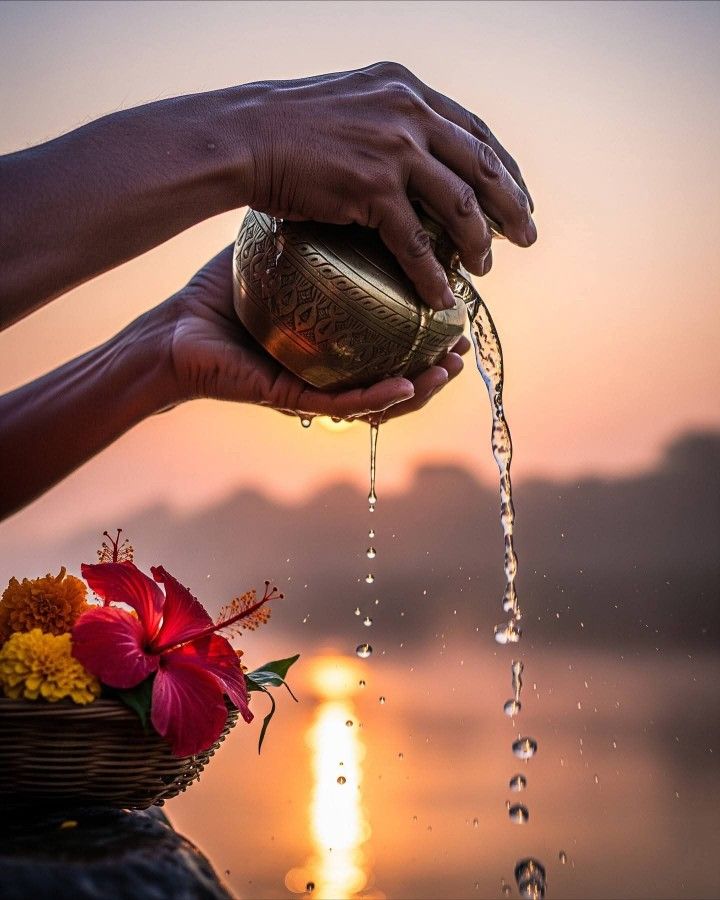
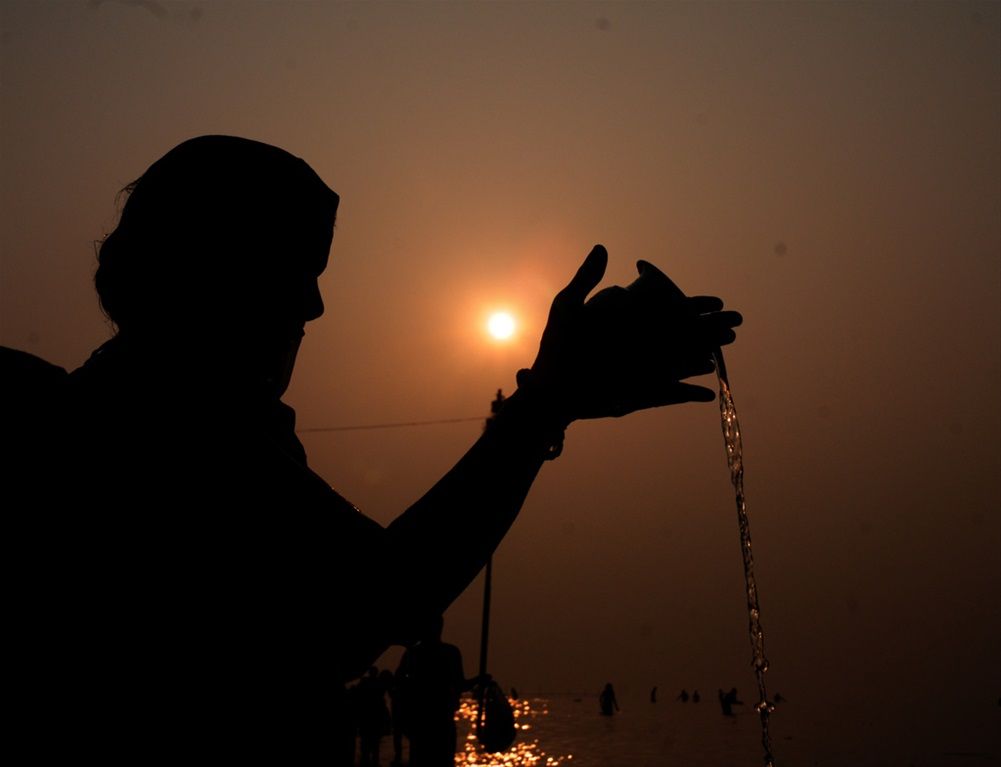
Devotees wake up early and bathe in rivers such as Ganga, Yamuna, Godavari, Kaveri, or in any sacred water source. Even a simple bath at home, performed with devotion, holds spiritual merit.
2. Satyanarayan Puja
One of the most popular rituals of this day is the Shri Satyanarayan Vrat and Katha. The puja includes:
Kalash sthapana
Worship of Vishnu
Reading the Satyanarayan Katha
Offering fruits, Panchamrit, and Prasada
This ritual is believed to remove obstacles, bring peace, and fulfill wishes.
3. Fasting (Vrat)
Many devotees observe a strict or partial fast. The purpose is mental purification and strengthening of self-control.
4. Lakshmi Puja
Homes are cleaned and decorated. Lamps are lit, and devotees pray for prosperity and stability.
5. Chanting and Meditation
People chant:
Vishnu Sahasranama
Om Namo Bhagavate Vasudevaya
Shri Hari Stotrams
Gayatri Mantra
Meditation during this time enhances focus and spiritual clarity.
6. Charity (Daan)
Traditional donations include:
Food grains
Oil and ghee
Warm clothes
Blankets
Fruits
Serving the needy on this day is deeply emphasized.
Regional Variations
1. North India
Focus on river baths and Satyanarayan Puja is most common. Many also observe Tulsi Puja.
2. Maharashtra and Karnataka
Celebrated as Dattatreya Jayanti. Devotees visit Datta temples, sing bhajans, and perform annadanam.
3. South India
Observances include Vishnu worship, temple visits, and special lamps lit with sesame oil.
4. Eastern India
Charity and community gatherings are emphasized. In some regions, the day is associated with rituals for marital harmony.
Benefits of Observing Margashirsha Purnima
Cleansing of karmic impurities
Peace and harmony in the home
Improvement in health and inner strength
Fulfillment of desires through Satyanarayan Puja
Prosperity and stability through Lakshmi Puja
Mental clarity through meditation
Accumulation of punya through charity
Divine protection from Vishnu
Why Margashirsha Purnima Remains Important Today
Even in modern times, this festival holds deep relevance. In a world filled with stress and constant activity, Margashirsha Purnima offers an opportunity to pause, cleanse, and reconnect with one’s spiritual essence. The rituals emphasize gratitude, purity, devotion, and service—values that remain timeless.
Margashirsha Purnima stands as a reminder of the harmony between cosmic cycles and spiritual life. Rooted in ancient traditions, enriched by Krishna’s words, shaped by Vedic rituals, and carried forward by generations, this full moon continues to guide devotees toward purity, prosperity, and inner awakening. Whether through Satyanarayan Puja, holy baths, fasting, charity, or meditation, the day offers a path toward balance and divine connection.
Book experienced pandits online for all Hindu puja rituals with Bhaktinama – simple, reliable, and authentic.
The day also holds agricultural, seasonal, and symbolic importance, marking the onset of the cold winter season and the final transition from autumn to harsh winter. Over thousands of years, this full moon has accumulated layers of spiritual practices, rituals, and traditions that continue to be observed across India.
Origin of Margashirsha Purnima
The roots of Margashirsha Purnima are found in some of the oldest Hindu scriptures, including the Vedas, Bhagavad Gita, Puranas, and ancient ritual texts. The significance of this full moon grew gradually as spiritual, seasonal, and cultural elements converged.
1. Mention in the Bhagavad Gita
The most authoritative origin reference comes directly from Lord Krishna. In the Bhagavad Gita, He says:
“Among all months, I am Margashirsha.”
This one declaration elevated the status of the entire month, especially the full moon day, as divine and spiritually powerful. Devotees and sages began performing special rituals, satsangs, and austerities to align with the divine energy of Krishna during this period.
2. Vedic Rituals and the Tradition of Holy Baths
The Vedas describe winter morning baths as purifying for both body and soul. As Margashirsha falls at the beginning of the coldest season, bathing during this time is believed to cleanse past karmas and strengthen both mind and body. Over time, this practice culminated into the tradition known as Margashirsha Snan, with the full moon marking its most powerful day.
3. Vishnu Worship in Puranas
The Skanda Purana and Naradiya Purana highlight that Vishnu’s sattvic energy is exceptionally strong during this month. Thus, worshipping Vishnu—especially as Shri Satyanarayan—became a central feature of Margashirsha Purnima.
4. Agricultural and Cultural Origins
In ancient India, Margashirsha marked the beginning of abundance when farmers witnessed the first signs of new crops. The full moon became a day of offering gratitude to the divine forces of nature. This agricultural appreciation contributed to rituals like charity, feeding the poor, and offering the first portion of harvest to gods.
5. Lakshmi Worship and the Full Moon Energy
The Purnima is naturally associated with prosperity due to the bright lunar energy. Since Goddess Lakshmi is connected with abundance, purity, and light, devotees started performing Lakshmi Puja on this day to seek financial stability and domestic harmony.
6. Regional Traditions such as Dattatreya Jayanti
In Maharashtra, Karnataka, and parts of southern India, Margashirsha Purnima is also celebrated as the birth anniversary of Lord Dattatreya, the combined incarnation of Brahma, Vishnu, and Mahesh. This celebration brought another divine dimension to the day.
Spiritual Significance
Purification of the Mind and Soul
The full moon amplifies spiritual energy. Meditating, fasting, and performing puja on this day is believed to cleanse the inner self.
Strengthening Devotion
The month is dedicated to Vishnu, and the Purnima marks the climax of devotion. Chanting mantras such as Vishnu Sahasranama or Hare Krishna Maha Mantra is considered extremely auspicious.
Symbol of Prosperity and Light
The luminous full moon symbolizes the light of knowledge, purity, and abundance. Hence, invoking Lakshmi and Vishnu together brings balance in material and spiritual life.
A Time for Charity
The scriptures emphasize that donating food, clothes, oil, and grains on this day yields immense punya. Charity performed under the full moon’s energy is believed to multiply manifold.
Key Rituals of Margashirsha Purnima
1. Holy River Bath (Margashirsha Snan)
Devotees wake up early and bathe in rivers such as Ganga, Yamuna, Godavari, Kaveri, or in any sacred water source. Even a simple bath at home, performed with devotion, holds spiritual merit.
2. Satyanarayan Puja
One of the most popular rituals of this day is the Shri Satyanarayan Vrat and Katha. The puja includes:
Kalash sthapana
Worship of Vishnu
Reading the Satyanarayan Katha
Offering fruits, Panchamrit, and Prasada
This ritual is believed to remove obstacles, bring peace, and fulfill wishes.
3. Fasting (Vrat)
Many devotees observe a strict or partial fast. The purpose is mental purification and strengthening of self-control.
4. Lakshmi Puja
Homes are cleaned and decorated. Lamps are lit, and devotees pray for prosperity and stability.
5. Chanting and Meditation
People chant:
Vishnu Sahasranama
Om Namo Bhagavate Vasudevaya
Shri Hari Stotrams
Gayatri Mantra
Meditation during this time enhances focus and spiritual clarity.
6. Charity (Daan)
Traditional donations include:
Food grains
Oil and ghee
Warm clothes
Blankets
Fruits
Serving the needy on this day is deeply emphasized.
Regional Variations
1. North India
Focus on river baths and Satyanarayan Puja is most common. Many also observe Tulsi Puja.
2. Maharashtra and Karnataka
Celebrated as Dattatreya Jayanti. Devotees visit Datta temples, sing bhajans, and perform annadanam.
3. South India
Observances include Vishnu worship, temple visits, and special lamps lit with sesame oil.
4. Eastern India
Charity and community gatherings are emphasized. In some regions, the day is associated with rituals for marital harmony.
Benefits of Observing Margashirsha Purnima
Cleansing of karmic impurities
Peace and harmony in the home
Improvement in health and inner strength
Fulfillment of desires through Satyanarayan Puja
Prosperity and stability through Lakshmi Puja
Mental clarity through meditation
Accumulation of punya through charity
Divine protection from Vishnu
Why Margashirsha Purnima Remains Important Today
Even in modern times, this festival holds deep relevance. In a world filled with stress and constant activity, Margashirsha Purnima offers an opportunity to pause, cleanse, and reconnect with one’s spiritual essence. The rituals emphasize gratitude, purity, devotion, and service—values that remain timeless.
Margashirsha Purnima stands as a reminder of the harmony between cosmic cycles and spiritual life. Rooted in ancient traditions, enriched by Krishna’s words, shaped by Vedic rituals, and carried forward by generations, this full moon continues to guide devotees toward purity, prosperity, and inner awakening. Whether through Satyanarayan Puja, holy baths, fasting, charity, or meditation, the day offers a path toward balance and divine connection.
Book experienced pandits online for all Hindu puja rituals with Bhaktinama – simple, reliable, and authentic.